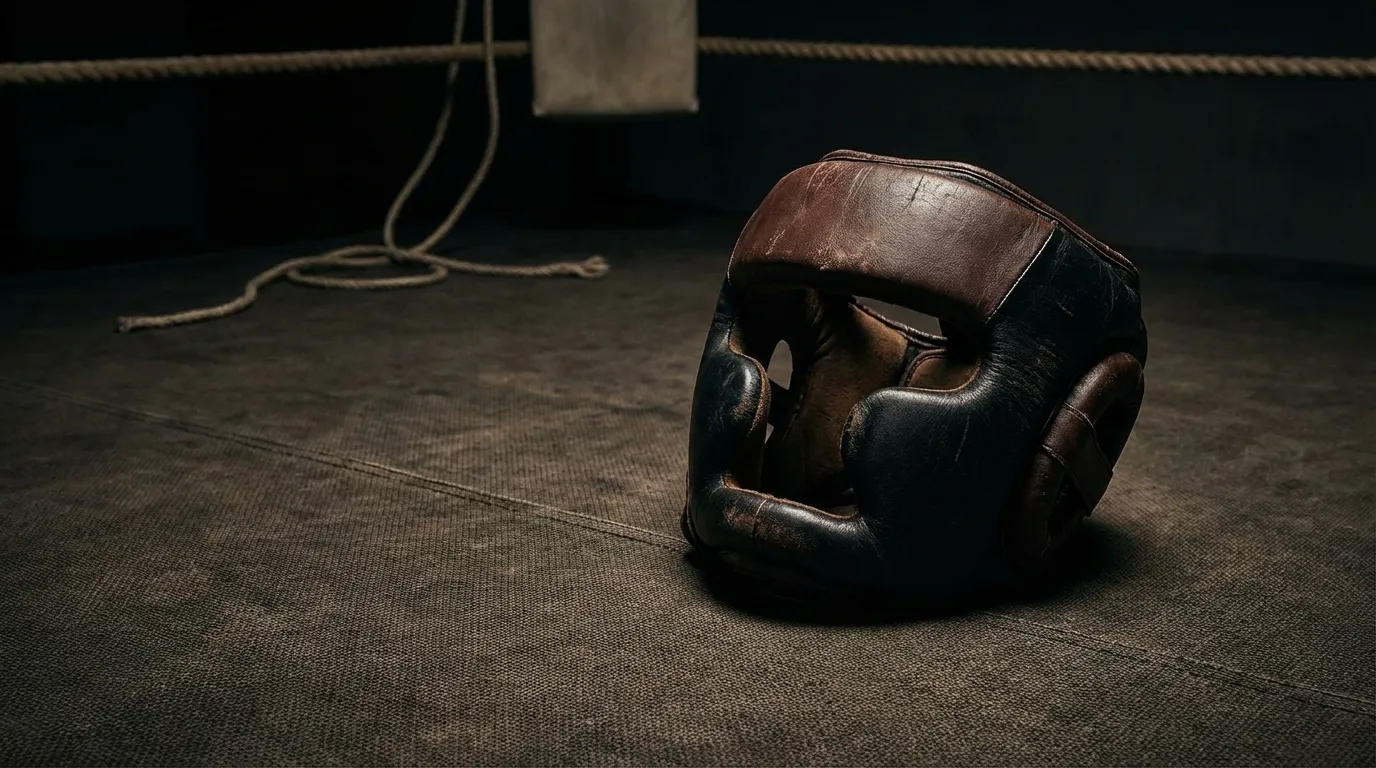
England Boxing's sparring safety requirements mandate headguard use for all competitive sparring. Open-face designs are popular for sparring because they keep peripheral vision clear while still protecting the cheeks and forehead, so pick one that fits snugly and lets you see incoming shots.
Headguards do not prevent brain injuries. Let us get that out of the way first.
What headguards do is protect your face from cuts, reduce bruising, and make sparring sustainable. You can train hard several times a week without looking like you have been in a car crash. That matters if you have a job where showing up with black eyes raises questions.
The trade-off is visibility. Every headguard restricts your peripheral vision to some degree. You need to weigh protection against practicality.
Here is what is worth buying.
What Makes Good Boxing Headgear
The best boxing head guard balances three things: protection, visibility, and fit. High density foam absorbs impact better than cheap padding, but thicker foam means more bulk around your face. The ideal boxing gear uses layered foam construction with a firm outer shell and softer inner lining.
Weight matters too. A heavy headguard causes neck fatigue during long sparring sessions and can actually increase rotational forces on impact. Look for a head guard that feels secure without dragging your head forward.
Ventilation is often overlooked. Training sessions generate heat, and a headguard with poor airflow becomes a sauna. Mesh panels or perforated leather around the crown make a real difference during extended sparring rounds.
Finally, ensuring a snug fit is critical. A loose boxing head guard shifts on impact, blocking your vision at the worst possible moment. Most headguards use a combination of lace-up top closure and velcro chin strap. The lacing lets you dial in the fit; the chin strap prevents the guard from rotating when you take a shot.
Open Face vs Full Face: Which Style?
Headguards come in three main styles. Each has its place.
Open Face (Training)
Open face headguards protect the forehead, temples, and back of head. Your cheeks and nose are exposed.
- Best for. Regular training sparring, developing defensive skills, better vision and breathing, lighter weight.
- Not ideal for. Heavy sparring sessions, people prone to cuts, competition (rules vary).
Cheek Protectors (Full Face)
Full face headguards add padded cheek protection. They cover more of your face while leaving the front open.
- Best for. Heavier sparring, people who cut easily, competition in some federations, better overall protection.
- Not ideal for. Hot training environments, people who struggle with restricted vision, light technical sparring.
Face Saver (Bar/Cage)
Face saver headguards have a bar or cage across the front to protect the nose. Mostly used by professionals preserving their face before fights.
- Best for. Pro fighters in camp, people with broken noses, maximum protection needs.
- Not ideal for. Regular amateur training, learning to slip punches, anyone on a budget.
- My recommendation. Start with an open face headguard. Learn to defend properly without relying on padding. Upgrade to cheek protectors if you are sparring hard regularly.
The Best Boxing Headguards Available
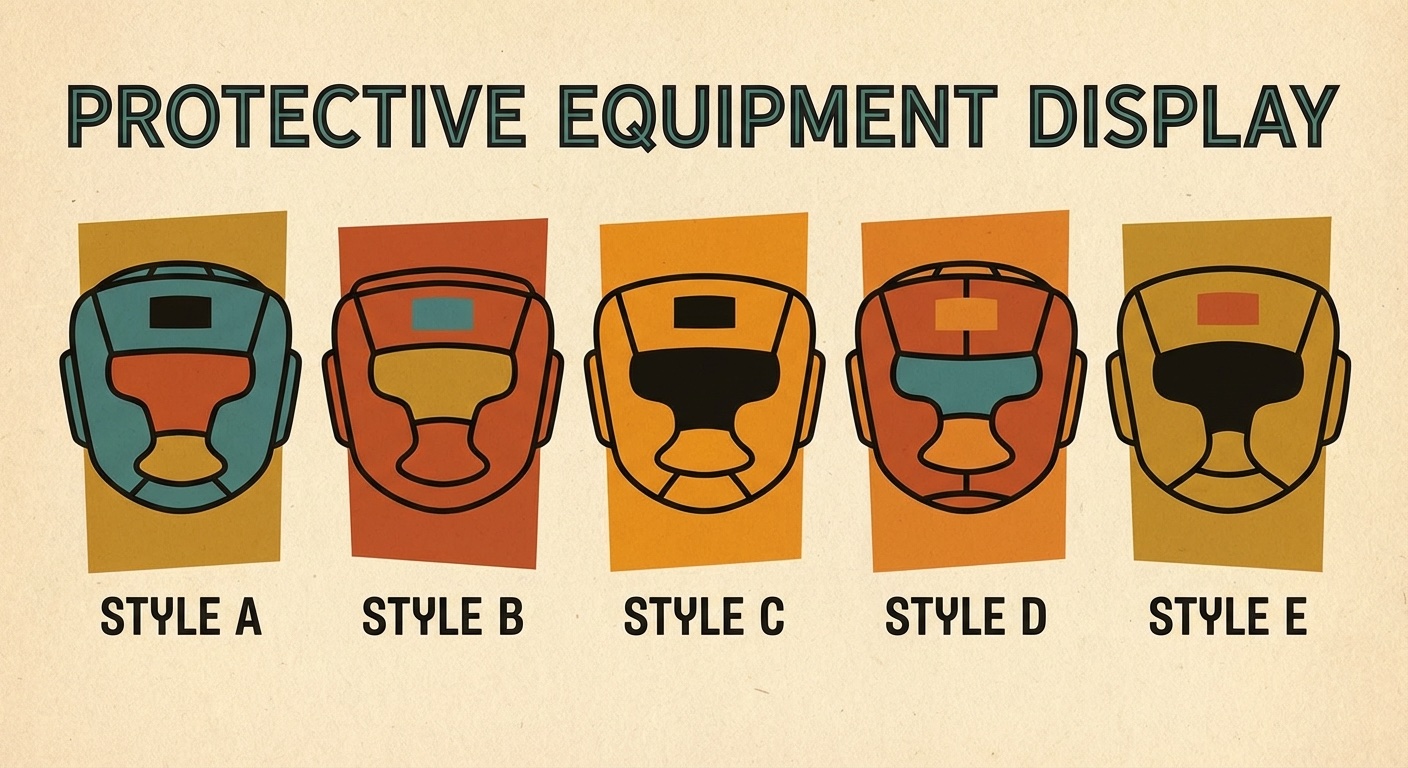
Winning FG-2900 - £300-400
The gold standard. Winning is a Japanese brand that makes the best boxing equipment in the world. Full stop.
- Unmatched padding quality
- Incredibly comfortable fit
- Excellent visibility despite full coverage
- Cheek and chin protection included
- Lasts for years of heavy use
- Used by professional fighters worldwide
- So comfortable you forget you are wearing it
- Extremely expensive
- Often out of stock
- Long shipping times from Japan
- Must be ordered direct or from specialist retailers
- Overkill for light sparring
- Where to buy. Winning direct (Japan), iBoxing, Boxing Emporium
- Verdict. If money is no object and you spar regularly, this is what you want. The comfort and protection are genuinely a level above everything else. Most people will never need something this good, but if you do, it is worth every penny.
Cleto Reyes Traditional Headguard - £150-200
Mexican craftsmanship at its finest. Cleto Reyes makes headguards the old-fashioned way.
- Genuine leather construction
- Open face design with great visibility
- Classic styling that looks right
- Solid protection for forehead and temples
- Good weight distribution
- Durable enough to last years
- No cheek protection
- Requires break-in period
- Expensive for what you get
- Not as comfortable as Winning
- Can feel heavy initially
- Where to buy. Geezers Boxing, Boxing Emporium, iBoxing
- Verdict. Excellent choice for technical sparring where you do not need cheek protection. The quality is obvious as soon as you hold it. Good middle ground between budget options and Winning.
Rival RHG20 - £80-120
Rival's sparring headguard hits a sweet spot between price and quality. Serious protection without the premium price tag.
- Full coverage including cheeks
- Good padding density
- Adjustable top lacing for fit
- Comfortable velcro chin strap
- Better visibility than most full coverage options
- Good value for the protection level
- Synthetic leather (PU) not genuine
- Heavier than open face alternatives
- Can be warm in hot gyms
- Some find the fit takes adjustment
- Break-in needed for optimal comfort
- Where to buy. Made4Fighters, Fight Store Pro, Amazon UK (source)
- Verdict. Best full coverage headguard under £150. If you want cheek protection without Winning prices, this is the one. Used by plenty of competitive amateurs.
RDX T1 Head Guard - £40-60
RDX again proving you do not need to spend a fortune for decent equipment.
- Excellent value for money
- Maya Hide leather feels solid
- Full face protection option available
- Good padding for the price
- Easy velcro adjustment
- Widely available in UK
- Padding less dense than premium options
- Visibility more restricted than expensive guards
- Fit can be inconsistent
- Will not last as long under heavy use
- Cheek pads quite thick
- Where to buy. Amazon UK, Sports Direct, RDX website
- Verdict. Best budget headguard by a mile. Perfect for beginners or people who only spar occasionally. Upgrade when you are training more seriously.
Everlast Elite Headgear - £50-70
Everlast's mid-range offering. Solid without being special.
- Comfortable fit out of the box
- Good ventilation
- Available in most UK sports shops
- Reasonable cheek protection
- Decent visibility
- Padding compresses faster than competitors
- Quality inconsistent across batches
- Nothing stands out about it
- Middle of the road in every way
- Where to buy. Sports Direct, Amazon UK, Argos
- Verdict. Fine for occasional sparring. If you are choosing between this and the RDX at similar prices, I'd lean RDX.
Fit and Sizing
Headguard fit matters more than most people think. A poorly fitted guard shifts during exchanges, blocks your vision at the wrong moments, and can actually make you more likely to get hit clean.
- Wrap a tape measure around your head at the widest point (usually just above the ears)
- Most brands use this circumference to determine size
General sizing guide:
| Head Circumference | Size |
|-------------------|------|
| 54-56cm | Small |
| 56-58cm | Medium |
| 58-60cm | Large |
| 60-62cm | XL |
- Try before buying if possible
- Guards should be snug but not tight
- You should not feel pressure on your forehead
- Check that your chin strap keeps the guard in place when you move
- Make sure you can see your opponent's chest clearly
Competition Rules
If you are planning to compete, check what headguard style is allowed:
- Headguards no longer required for senior male competitions
- Still required for juniors and senior women
- Specific approved brands and styles
- Check current regulations before buying
- Usually require headguards
- Typically any style accepted
- Check with the event organiser
- No headguards allowed in bouts
- Used extensively in training camps
If competing, buy your headguard early and train in it. You need to be comfortable with the visibility restrictions before fight night.
Care and Maintenance
Headguards get sweaty and smelly faster than almost any piece of equipment. Basic hygiene keeps them usable:
- After every session: Wipe down with antibacterial spray or wipes
- Air dry completely before putting in your bag
- Clean the interior padding weekly with a damp cloth
- Do not leave in hot cars - heat breaks down foam
- Condition leather headguards periodically
Replace your headguard when:
- Padding no longer springs back
- Straps are frayed or broken
- Leather is cracked and dry
- It smells despite cleaning (means bacteria has penetrated the foam)
A well-maintained headguard lasts 2-5 years depending on how often you spar.
Quick Recommendations
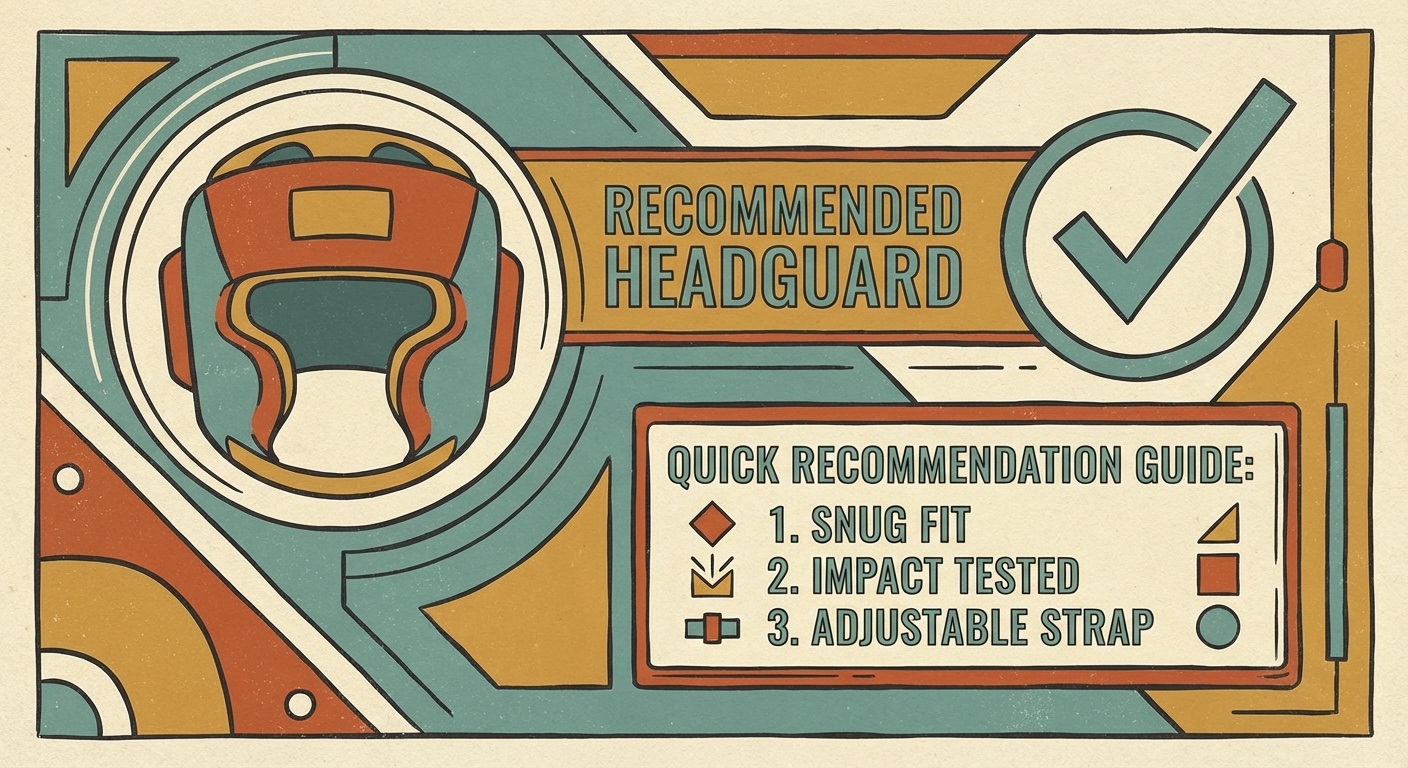
Tight budget: RDX T1 (£40-60)
Best value: Rival RHG20 (£80-120)
Premium open face: Cleto Reyes Traditional (£150-200)
Money no object: Winning FG-2900 (£300-400)
The Real Talk About Head Protection
Headguards protect your face. They do not prevent concussions. Research increasingly suggests they might even make brain injuries more likely by adding weight to your head and creating a false sense of security.
The best protection is:
- Learning proper defence
- Sparring at appropriate intensity
- Training with partners you trust
- Taking breaks when you are getting tagged repeatedly
- Recognising when you have had enough
Good gyms control sparring intensity. They do not let people with poor control spar with beginners. They step in when sessions get too heated.
That culture matters more than any equipment.
H&G Team
The coaching and community team at Honour & Glory Boxing Club, a community boxing gym in Kidbrooke, South East London.
KEEP READING
Are 2026 boxing headguards improving sparring safety?
Use the Rival 2026 release as the news peg, then answer the practical question club boxers actually care about: visibility, cheek protection, weight, heat, fit and when a more protective headguard helps or hurts sparring quality.
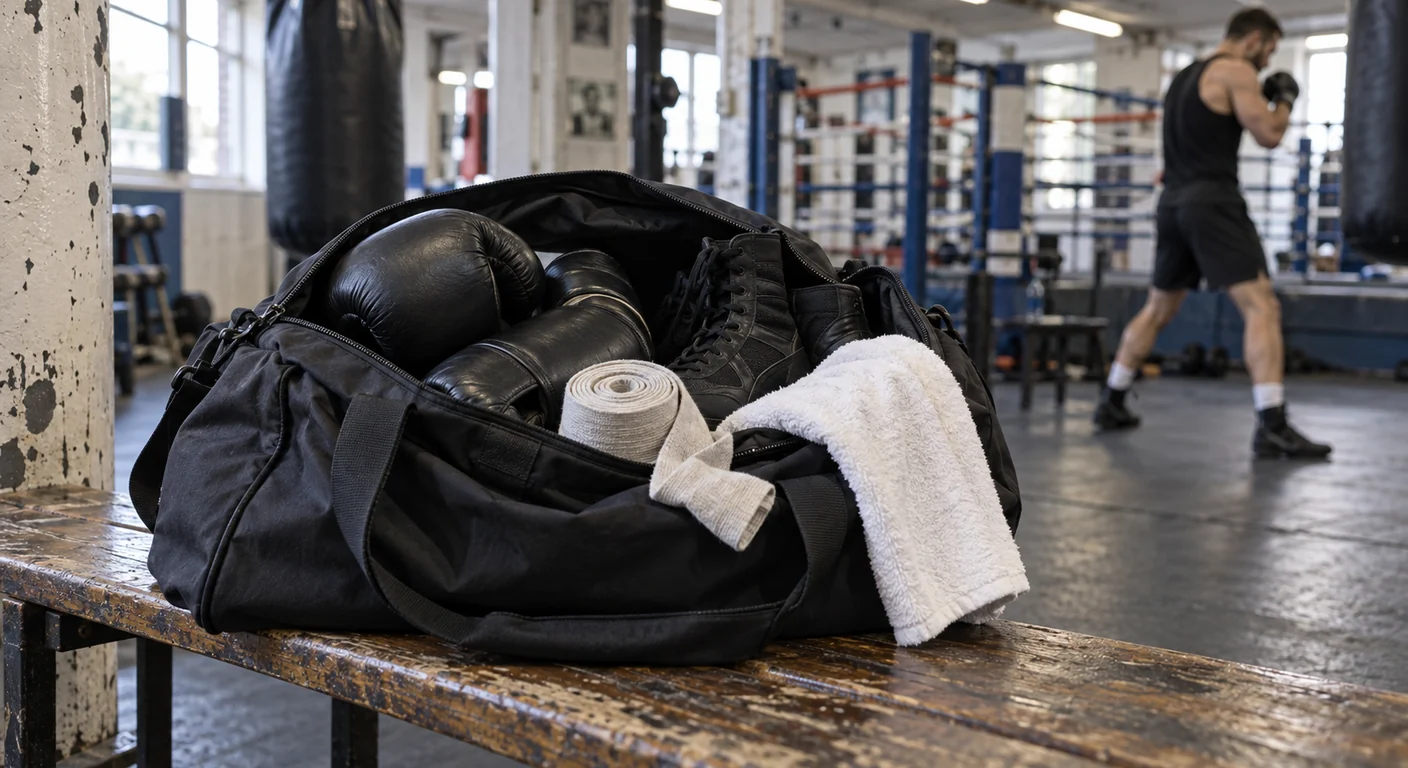
10 Best Gym Duffel Bags for Boxers
The boxing gym bags worth considering, from compact daily kit carriers to larger duffels for sparring gear.
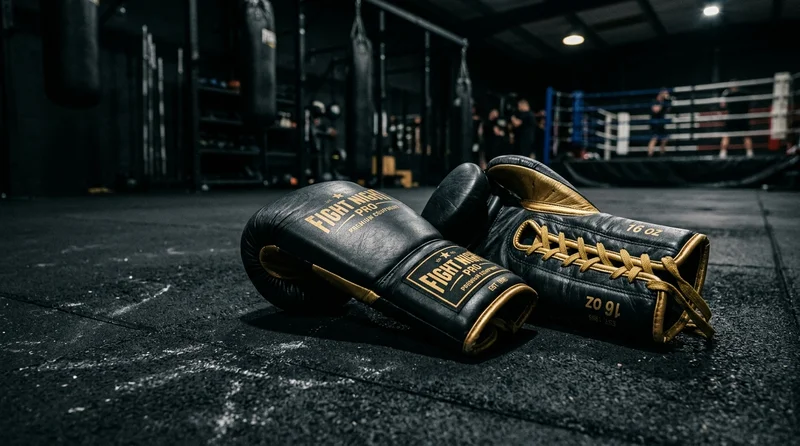
Boxing Gear 2026: New Rival Gloves & Headguards - First Look!
An in-depth look at the latest boxing gear releases from Rival Boxing UK, focusing on new features, materials, and potential benefits for boxers of all levels. Includes analysis of Reddit community opinions.
Was this page helpful?
It takes one tap, and it genuinely helps.
Choose your next step
Turn this article into the right action
Some readers are ready to book. Some need the class route first. Pick the route that matches what you actually want.