Wrist and Hand Injuries in Boxing: Pain, Knuckles, Fractures and When to Stop
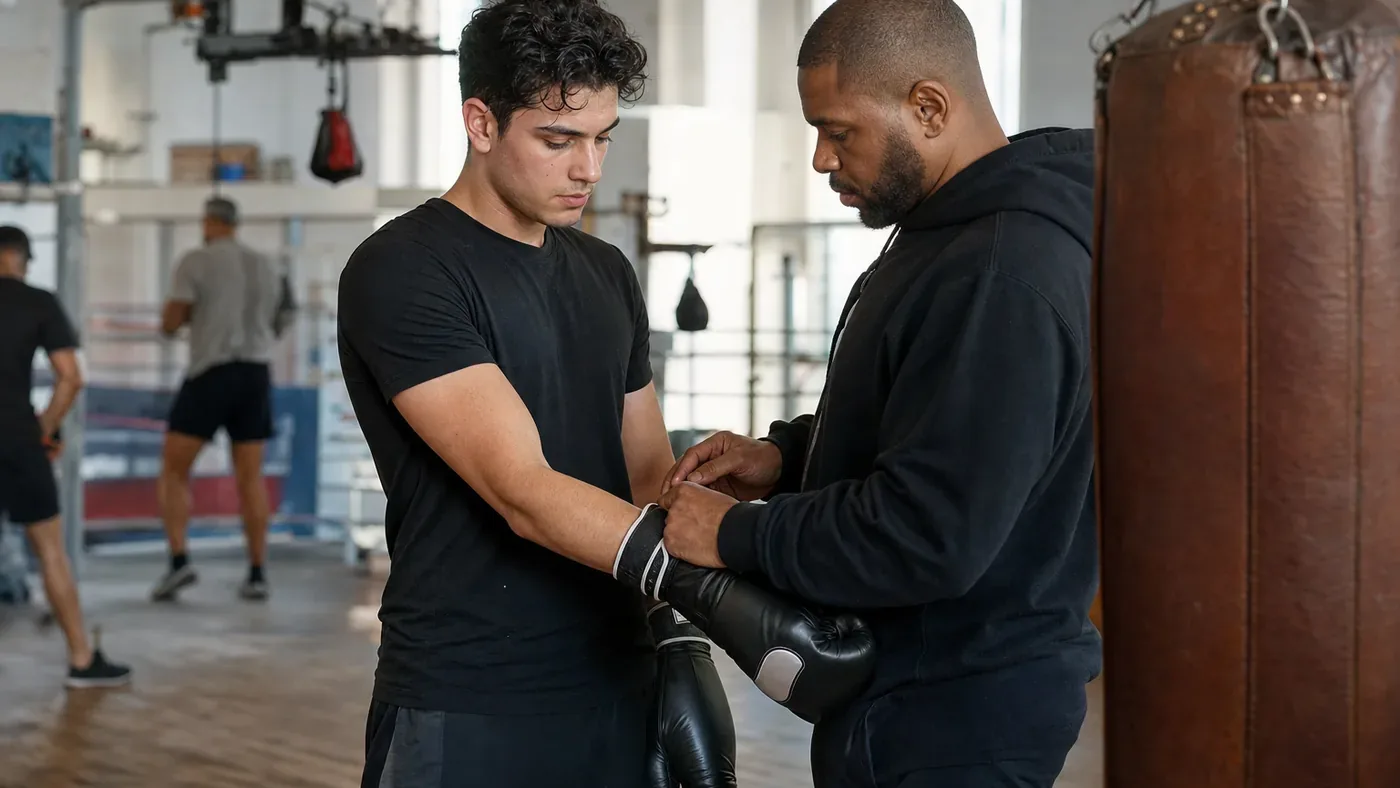
Hand and wrist pain is one of the clearest warning signs in boxing.
A tired shoulder can sometimes be normal after a hard session. Heavy calves after skipping are not surprising. But a sharp wrist, a swollen knuckle, a clicking finger or a hand that cannot grip properly needs more respect. Your hands are not just another bit of kit. They are the bit of your body taking the impact.
This guide is not here to diagnose you. We are a boxing club, not a clinic. It is the first deeper follow-up to our broader guide to common boxing injuries, focused specifically on hands and wrists. It is here to help you make better decisions: what usually causes wrist and hand injuries in boxing, which symptoms are warning signs, when to stop training, when to get medical advice, and how a sensible return to boxing normally works.
The short version: if pain changes your punch, grip or guard, stop the round. If there is swelling, deformity, numbness, tingling, loss of grip, a snap or pop, or you cannot move the wrist, hand or fingers normally, do not keep testing it on the bag. Get proper advice.
Why boxing stresses the hands and wrists
Boxing asks a lot from small structures.
Every punch has to travel through the knuckles, metacarpals, wrist joint, forearm and elbow. When the punch lands cleanly, the wrist stays stacked behind the fist and the force is shared sensibly. When the punch lands badly, the wrist folds, the knuckles take force at the wrong angle, and small joints do a job they were not ready for.
That is why hand and wrist injuries are a known problem in boxing. A prospective study of the Great Britain Olympic boxing squad recorded 172 hand and wrist injuries between 2005 and 2012. The most common diagnoses included finger carpometacarpal instability and boxer's knuckle. The study also found that injury rates were much higher in competition than in training, even though boxers spent far more hours training than competing (source).
That does not mean beginners should be frightened of ordinary class training. It means the details matter. Bag work is different from pad work. Technical drills are different from hard sparring. A mild ache is different from a possible fracture. A coach-led session should help you tell the difference early.
The most common boxing hand and wrist problems
In a boxing gym, the complaints we hear most often fall into a few buckets.
1. Wrist sprains and irritation
A wrist sprain happens when ligaments are overstretched or twisted. In boxing, that can happen when the wrist bends backwards, sideways, or collapses on impact.
Common causes include:
- landing with a bent wrist
- reaching for the bag instead of stepping into range
- throwing hooks before the wrist angle is consistent
- hitting too hard before technique is ready
- loose hand wraps
- gloves with poor wrist support
- fatigue changing punch shape late in a round
The NHS wrist-pain guidance says pain, swelling, bruising and difficulty moving the wrist or gripping can suggest a sprain, while sudden sharp pain, swelling, or a popping or snapping sound can suggest a broken wrist (source). That distinction matters because a boxer often feels both as "my wrist hurts".
2. Knuckle bruising and sore metacarpals
Bruised knuckles are common when a beginner is learning where the punch should land. The first two knuckles should usually take the cleanest line of force on straight punches. If you land through the smaller knuckles, the side of the hand, or a half-open fist, the hand complains quickly.
Soreness across the back of the hand can also come from glove fit. If the glove pocket is too loose, your hand shifts at impact. If the padding has collapsed, the hand absorbs more of the load. If the wraps bunch up, pressure concentrates in one place.
Mild bruising that improves is one thing. Increasing swelling, deformity, severe tenderness over a bone, or inability to grip is not a normal training adaptation.
3. Boxer's knuckle
Boxer's knuckle is not just a dramatic name for a sore knuckle. It usually refers to injury around the extensor hood or sagittal band over the metacarpophalangeal joint, the main knuckle where the finger meets the hand.
In plain English: the structures that keep the tendon centred over the knuckle can be damaged by direct impact or a bad punch. A 2023 review of sonographic assessment of boxer's knuckle says sagittal band injuries should be considered after blunt trauma to the dorsal hand, including boxing or punching (source).
Possible signs include:
- pain over the knuckle
- swelling on the back of the hand
- clicking or snapping around the knuckle
- trouble straightening the finger cleanly
- a tendon that feels like it shifts to one side
- pain that returns whenever you punch
Do not try to solve this by wrapping tighter and carrying on. Persistent knuckle pain needs assessment, especially if there is clicking, tendon movement, loss of extension or swelling.
4. Boxer's fracture and other metacarpal fractures
A boxer's fracture usually means a fracture of the fifth metacarpal, the hand bone leading to the little finger. It is classically linked with punching a hard object with a closed fist, but the broader lesson applies in boxing too: a hard impact through a poorly aligned fist can injure bone.
A literature review on fifth metacarpal neck fractures describes boxer's fracture as a fifth metacarpal neck fracture caused by direct trauma to a clenched fist. It notes that X-rays are the usual diagnostic standard and that uncomplicated fractures are often managed without surgery, while open fractures, rotational deformity, intra-articular extension and significant angulation can need specialist management (source).
NHS guidance on broken arms and wrists is deliberately simple: get medical advice as soon as possible if you think you have broken your arm or wrist, because possible breaks need to be treated quickly (source).
A boxing coach cannot clear a suspected fracture from the side of the ring. That is an X-ray and medical assessment conversation.
5. Thumb, finger and tendon problems
Not every hand injury is at the wrist or main knuckles. Thumbs and fingers can be irritated by poor glove fit, catching awkwardly in sparring, bad pad contact, or clenching too hard for too long.
NHS Inform says wrist, hand and finger problems can involve pain, swelling, stiffness, pins and needles or numbness, and may follow repetitive tasks, sports injuries, falls or other injuries. It also advises avoiding sports and heavy lifting until there is less discomfort and good movement (source).
For boxing, "good movement" has to include making a fist, opening the hand, gripping, parrying, holding the guard, wrapping the hand and tolerating light impact. If daily movement is still awkward, punching is not the next step.
Why beginners often hurt their wrists
Most beginner wrist pain is not mysterious. It usually comes from a small list of fixable problems.
Bent wrist on impact
The wrist should be roughly in line with the forearm when the punch lands. If it folds backwards, sideways, or downwards, impact goes through the joint instead of through a stacked structure.
This often happens when a beginner reaches for the bag. The punch lands at the end of the arm instead of through the body. The hand arrives first, the body arrives late, and the wrist takes the argument.
Wrong contact point
A punch that lands on the small knuckles, the thumb side of the glove, or a half-turned fist can irritate the hand quickly. Hooks are a common culprit because beginners throw them wide, land at odd angles, or connect with the side of the fist.
Too much power too early
Power exposes errors. A punch that feels fine at 40 per cent can hurt at 90 per cent because the same small mistake now has more force behind it.
If your wrist only hurts when you load up, the answer is not to grit your teeth. The answer is to earn the power by making the shape consistent first.
Wraps that look busy but do not support anything
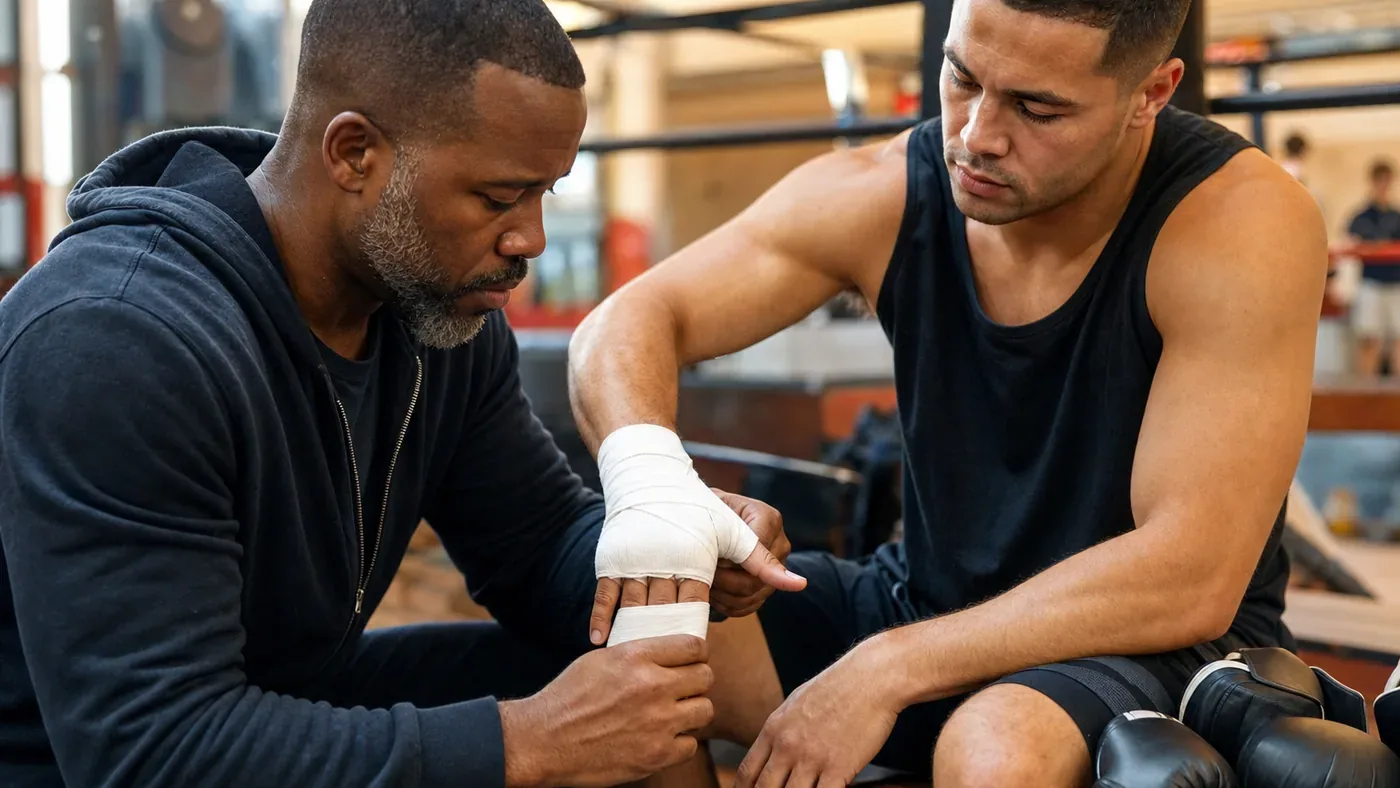
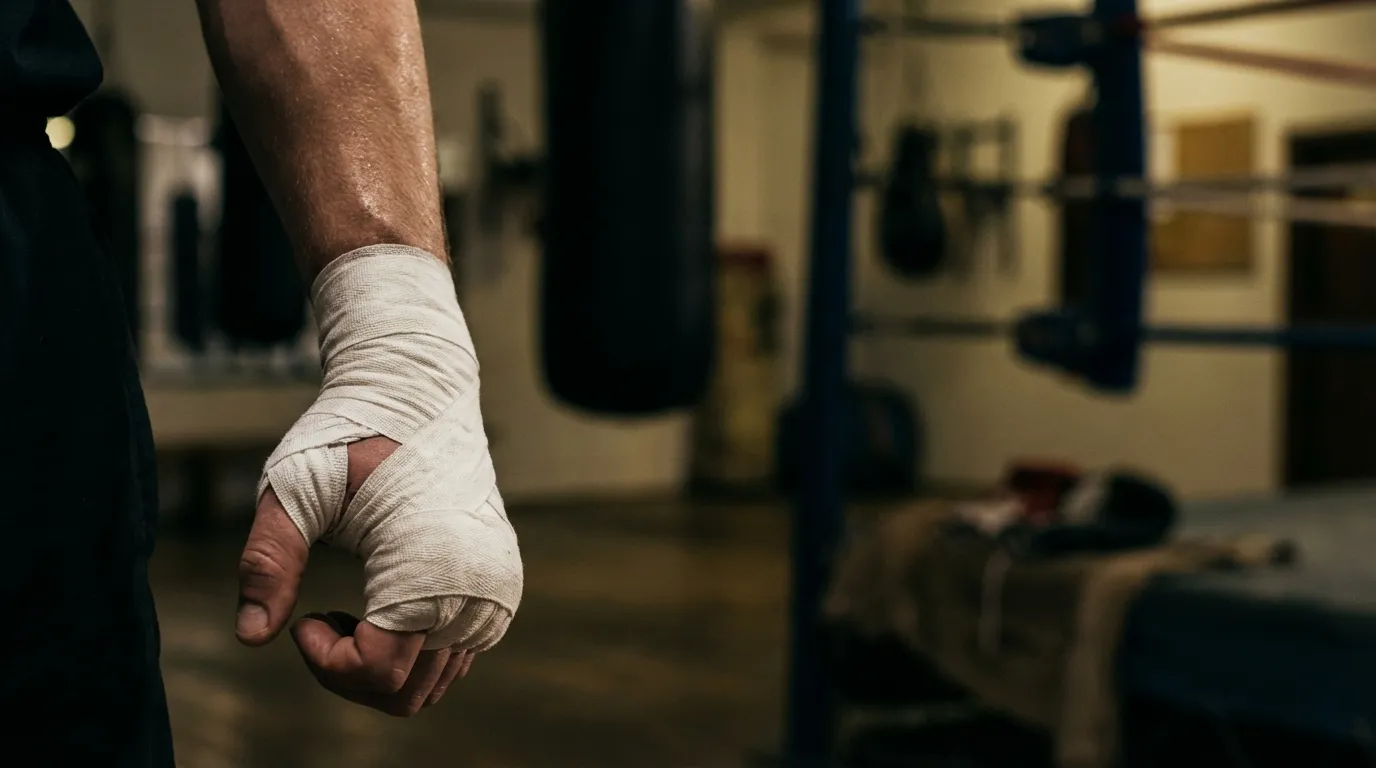
Hand wraps should support the wrist, pad the knuckles and keep the hand together. Beginners often wrap the knuckles heavily but leave the wrist loose, or pull the wrap tight in one place and loose everywhere else.
If the wrap job feels different every session, your hand is getting a different level of support every session. Learn a repeatable method. Our guide on how to wrap your hands for boxing is the starting point. If the problem is mainly a beginner technique issue, read why your wrists hurt after boxing alongside this guide.
Gloves that do not fit
Gloves are not just padding. They influence where the hand sits, how much the wrist moves, and how much feedback you get on impact.
Common problems:
- gloves too loose in the hand pocket
- old padding that has collapsed
- weak wrist closure
- gloves too small once wraps are on
- cheap gloves that twist around the hand
If your wrist hurts in one pair and not another, believe the evidence.
Fatigue
Late-round wrist pain is often a technique problem wearing a fatigue costume. As the shoulder tires, the punch drops. As the legs tire, range gets lazy. As concentration fades, the wrist angle changes.
A coach watching the last minute of a round often sees the real cause.
Normal soreness versus warning-sign pain
Some discomfort after new training is normal. Sharp, local, worsening or repeated pain is different.
Normal post-training soreness tends to be:
- broad rather than pinpoint
- mild to moderate
- improving over the next day or two
- not changing how you use your hand
- not linked with swelling, bruising or deformity
Warning signs include:
- sharp pain on impact
- swelling or bruising around the wrist, hand or knuckle
- a snap, crack, pop or grinding feeling at injury
- visible change in shape or finger alignment
- inability to grip, make a fist, open the hand or move the wrist normally
- numbness, tingling, pins and needles, or loss of feeling
- a cold, pale, blue or grey hand
- clicking or tendon movement over a knuckle
- pain that returns in the same place every session
- pain that makes you change your punch, guard or stance
NHS wrist-pain guidance advises contacting NHS 111 for severe wrist pain, a snap or popping noise at injury, inability to move the wrist or hold things, colour or shape change, or loss of feeling in part or all of the hand (source). NHS guidance on sprains and strains says to call 999 or go to A&E if an injured body part changes shape, is numb or tingling, has pins and needles, changes colour, or is cold to touch, because these may suggest a broken bone (source).
The gym rule is simpler: if your hand is telling you something new and serious, stop punching first and work out the next step second.
What to do immediately if your hand or wrist hurts in class
Do not keep hitting the bag to see if it goes away. That is how small problems become bigger problems.
Use this order:
- Stop the punch that caused it.
- Tell the coach.
- Remove the glove carefully if swelling, numbness or sharp pain is present.
- Do not keep testing power shots.
- Check whether you can move the fingers, thumb and wrist normally.
- Look for swelling, deformity, bruising, colour change, numbness or tingling.
- Decide whether this is a coaching correction, a rest-and-monitor issue, or a medical-advice issue.
For mild irritation, the fix may be simple: reduce power, rewrap, change gloves, correct punch alignment, or switch to shadowboxing. For warning signs, the fix is not technical. It is medical advice.
NHS wrist guidance suggests rest, ice wrapped in a towel for up to 20 minutes every two to three hours, gentle movement for mild pain and stiffness, pain relief where suitable, removing jewellery if the hand looks swollen, and cutting down activities that cause pain (source). If you think there may be a break, the same NHS page says not to try to treat it yourself and to contact 111.
When to get medical help
Seek urgent advice through NHS 111, an urgent treatment centre or A&E if there is:
- severe pain
- a snap, crack, pop or grinding noise at the time of injury
- obvious deformity or finger crossing
- major swelling or bruising
- numbness, tingling, pins and needles, or loss of feeling
- a cold, pale, blue or grey hand
- inability to move the wrist, hand or fingers
- inability to hold objects
- a deep cut, open wound, or possible open fracture
- pain that is getting worse rather than settling
See a GP, MSK service, pharmacist or physiotherapist for less dramatic pain that:
- stops normal activity
- keeps coming back
- has not improved after two weeks of home care
- includes tingling or loss of sensation
- makes boxing technique change every time you train
If the injury came from contact with another person's teeth, for example in an accidental clash or bare-hand incident outside boxing training, treat that as infection risk and get medical advice promptly. Do not hide it because it feels embarrassing.
What treatment and rehab often look like
Treatment depends on the injury. A mild wrist irritation, a tendon issue, a boxer's knuckle and a metacarpal fracture are not the same problem.
For sprains and strains, NHS guidance recommends PRICE in the first two to three days: protect, rest, ice, compression and elevation. It also says to avoid heat, alcohol and massage in the first couple of days because they may increase swelling (source). Once you can move the injured area without pain stopping you, the NHS advises keeping it moving so the joint or muscle does not become stiff.
For new wrist, hand and finger problems, NHS Inform says keeping the wrist, hand and fingers moving is an essential part of treatment and recovery, but also says to avoid sports and heavy lifting until there is less discomfort and good movement (source).
For metacarpal fractures, advice varies depending on the fracture and local pathway. Hull University Teaching Hospitals NHS Trust advises avoiding throwing, catching, gripping and punching activities for six weeks for a minor fifth metacarpal fracture, then gradually building back up (source). South Tees Hospitals NHS Foundation Trust is more conservative for contact sport, advising that contact sports, especially boxing, should be avoided until at least 12 weeks after a metacarpal fracture (source).
The practical point is not to pick the shortest timeline from the internet. The point is to follow the clinician managing your actual hand.
Returning to boxing after hand or wrist pain
A good return to boxing is staged. It is not "rest until bored, then hit the bag hard".
A sensible sequence often looks like this:
- Daily movement is comfortable.
- Swelling has settled.
- You can open and close the hand normally.
- You can grip without pain.
- You can wrap the hand without provoking symptoms.
- Shadowboxing is pain-free.
- Light technical pads are pain-free.
- Controlled straight punches on the bag are pain-free.
- Hooks and uppercuts are reintroduced carefully.
- Power, volume and sparring come last.
For a wrist or hand injury, the final test is not whether you can sit at home without pain. It is whether the hand tolerates boxing-specific demands: wrapping, gripping, impact, rotation, fatigue, guard position and reaction.
If pain returns at a specific stage, step back. That is feedback, not failure.
How to reduce wrist and hand injury risk
You cannot remove every risk from boxing. You can remove a lot of avoidable risk.
Wrap properly every session
Do not treat wraps as optional decoration. The wrap should support the wrist, cover the knuckles and feel secure without cutting off circulation. If you are not sure, ask a coach before the round starts.
Use gloves that fit
Your glove should hold the hand securely once wraps are on. If your hand slides around, the wrist bends easily, or the padding feels dead, replace them. Our guide to boxing equipment for beginners covers sensible starter choices.
Keep the wrist stacked
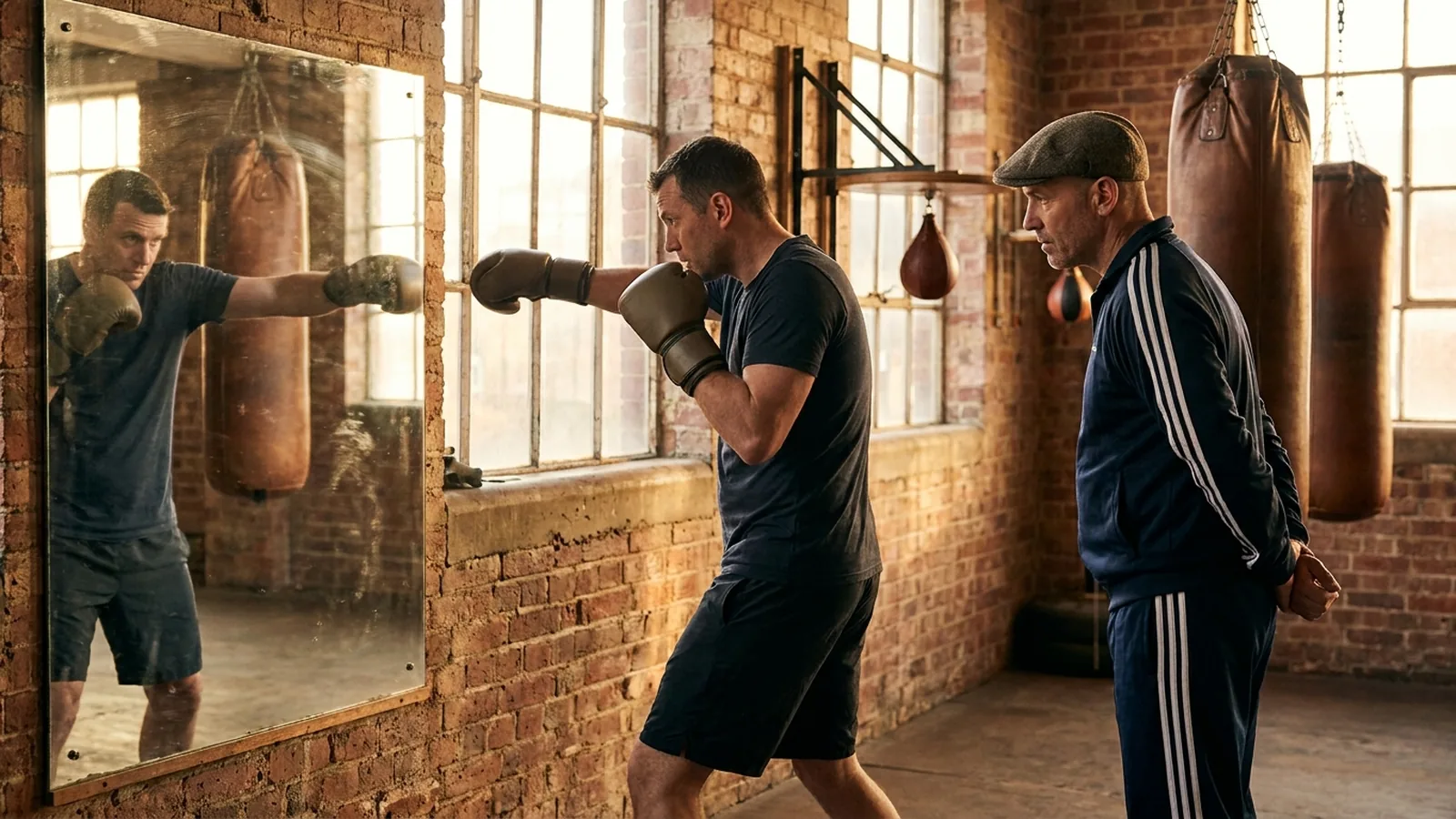
Straight punches should land with the wrist behind the fist. Hooks need even more care because the angle is easier to get wrong. If you cannot keep the wrist aligned at low power, do not add power.
Build bag work gradually
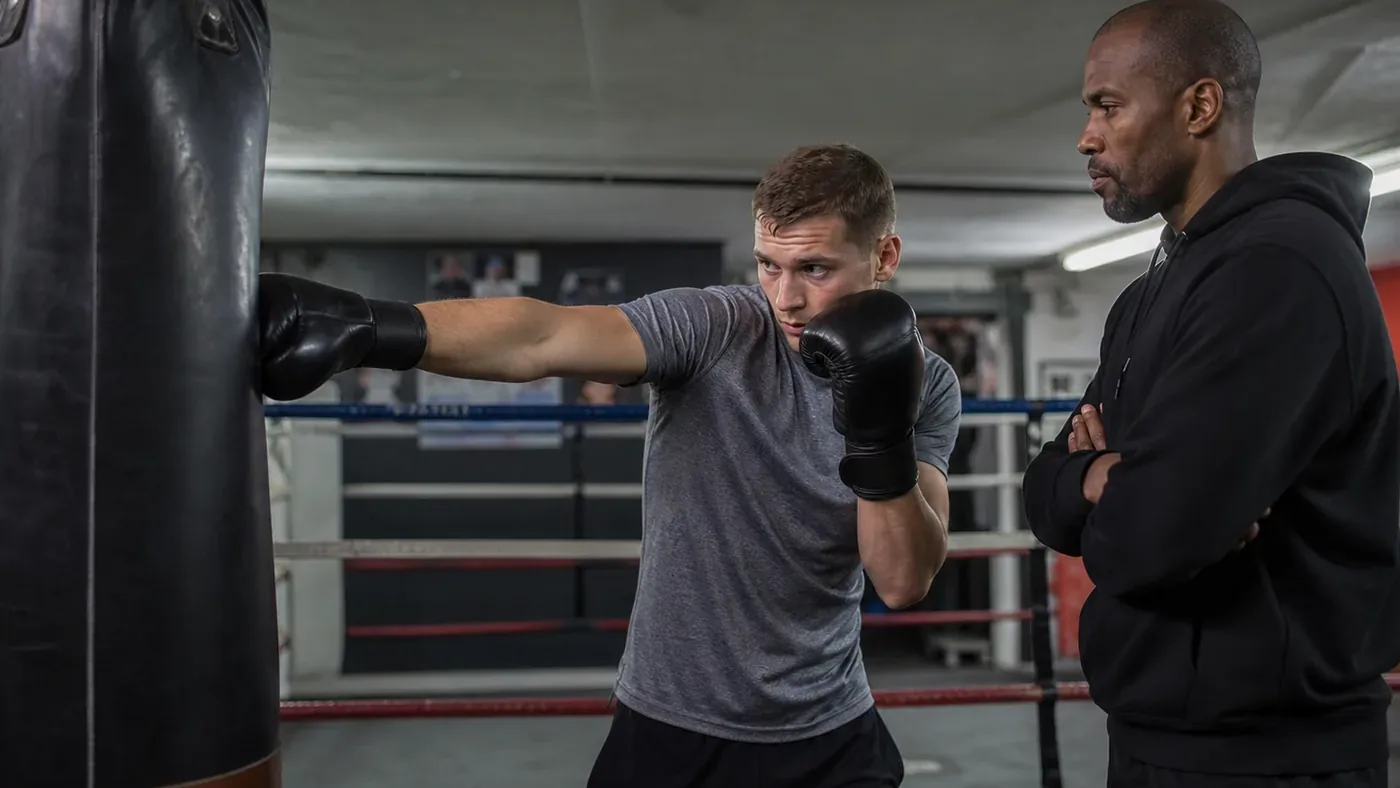
The heavy bag is useful because it gives honest feedback. It is risky when beginners turn it into a toughness contest. Start with clean contact, short rounds and coach feedback. Build force slowly.
Tell the coach early
Pain is easier to fix at the start of class than after thirty bad repetitions. If something feels sharp, unstable or strange, say it early.
Respect recovery
Hands and wrists recover better when you do not keep irritating them. If symptoms are settling, do not re-open the problem by doing extra bag rounds because you feel behind.
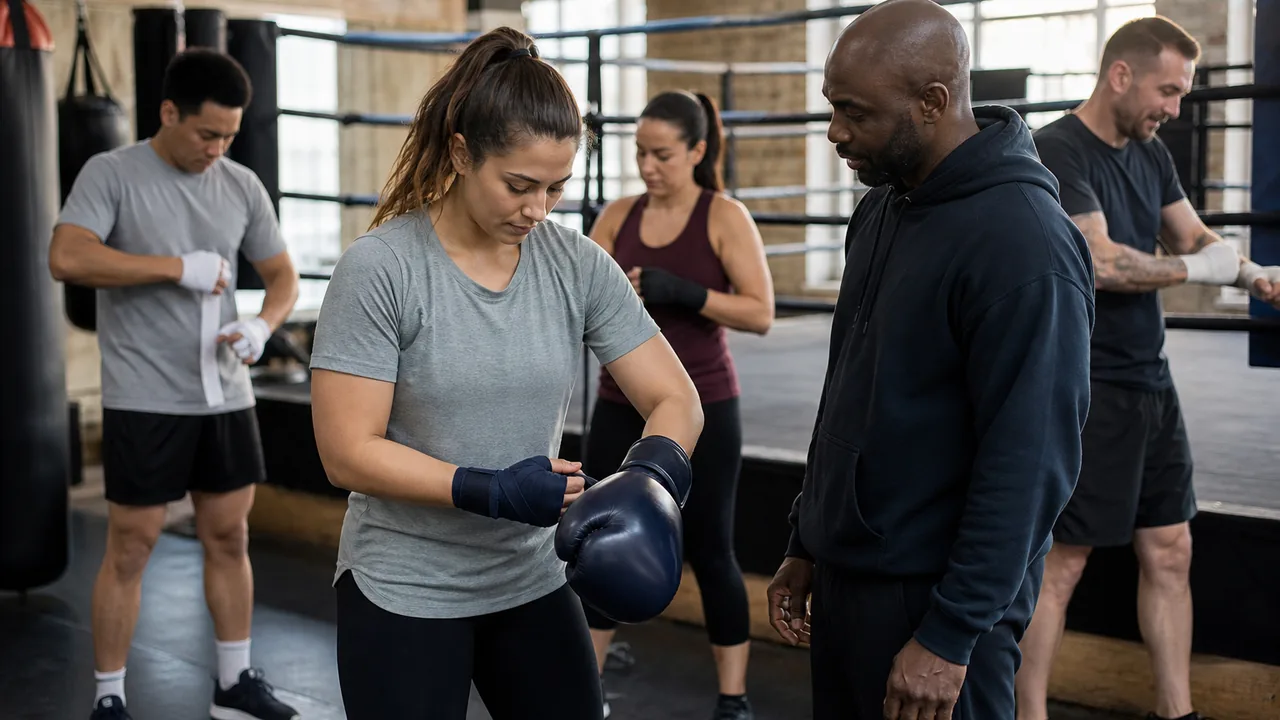
How Honour & Glory handles this in class
At Honour & Glory, wrist and hand pain is not treated as a character test.
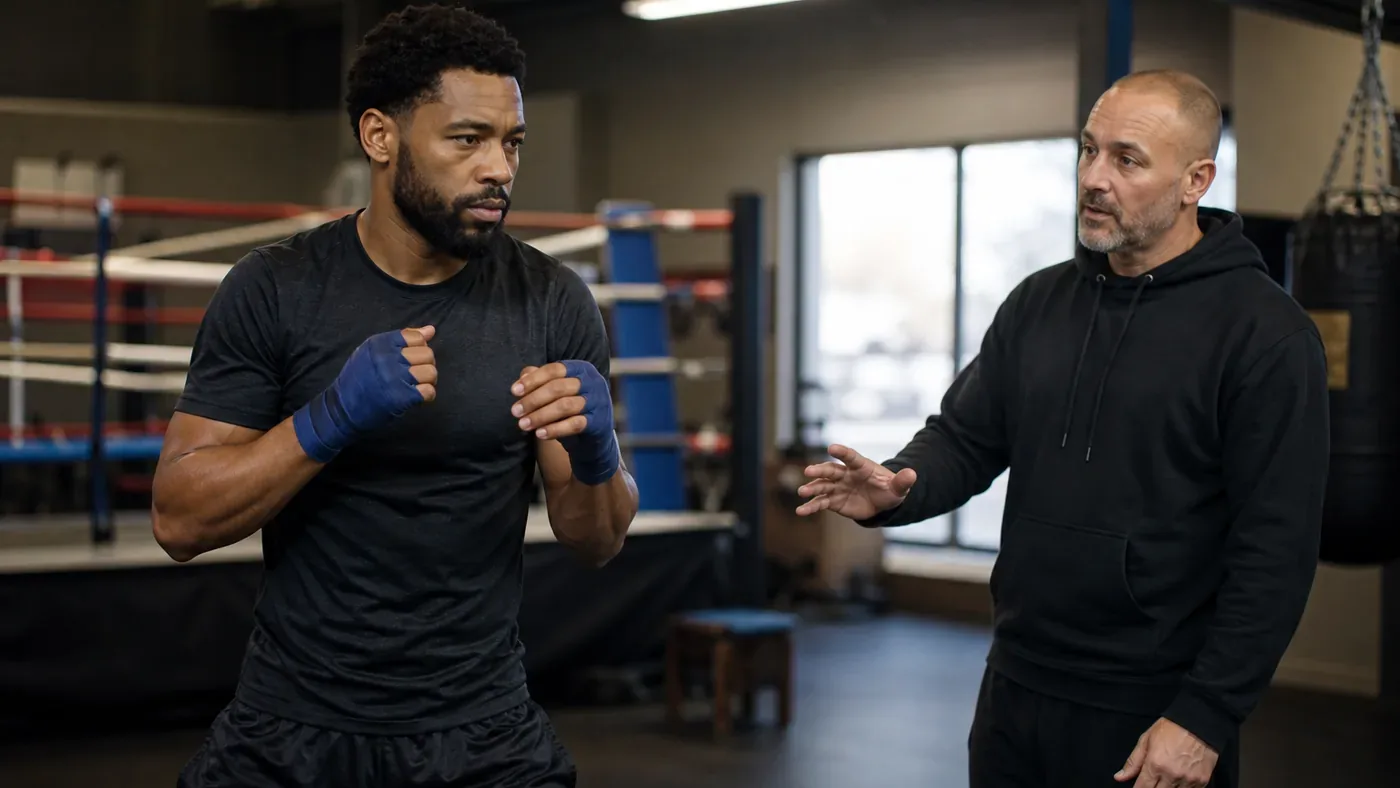
If a beginner says the wrist hurts on the bag, we want to see the punch. We will look at range, elbow position, fist angle, wrap tension, glove fit and power. Often the answer is technical and quick. Sometimes the answer is to stop impact and get the hand checked.
Both outcomes are normal. Good coaching is not just shouting for harder rounds. It is knowing when to correct, when to reduce load, and when the decision belongs to a clinician.
The bottom line
Most beginner wrist pain is fixable. Better wrapping, better gloves, cleaner punch alignment and slower progression solve a lot.
But swelling, deformity, numbness, loss of grip, sharp impact pain, clicking tendons, repeated same-spot pain or any suspected fracture are not coaching problems. They need proper advice.
If you are new to boxing and want to learn in a coach-led environment where technique comes before ego, book a free trial at Honour & Glory Boxing Club. If your hand or wrist is injured now, get it assessed first. The bag will still be there when you are ready.
H&G Team
Writer at Honour & Glory Boxing Club, a community boxing gym in Kidbrooke, South East London.
KEEP READING
Common Boxing Injuries: What Hurts, Why, and When to Get Help
A medically careful guide to common boxing injuries: hands, wrists, shoulders, elbows, ribs, calf strains, knees, back pain and concussion, with NHS-backed warning signs.
Rotator Cuff Pain in Boxing: Shoulder Warning Signs, Rehab and Return to Training
A careful, coach-led guide to rotator cuff pain in boxing: common causes, warning signs, NHS-backed shoulder guidance, rehab phases and return to punching.
How to Prevent Boxing Injuries
Prevent common boxing injuries with proper technique, equipment, and training practices. Protect your hands, wrists, shoulders, and joints.
Was this page helpful?
It takes one tap, and it genuinely helps.
Choose your next step
Turn this article into the right action
Some readers are ready to book. Some need the class route first. Pick the route that matches what you actually want.