Agit Kabayel’s WBC elevation: what it means at heavyweight
Agit Kabayel Is Now the WBC Heavyweight Champion. The Real Test Is What the WBC Does Next
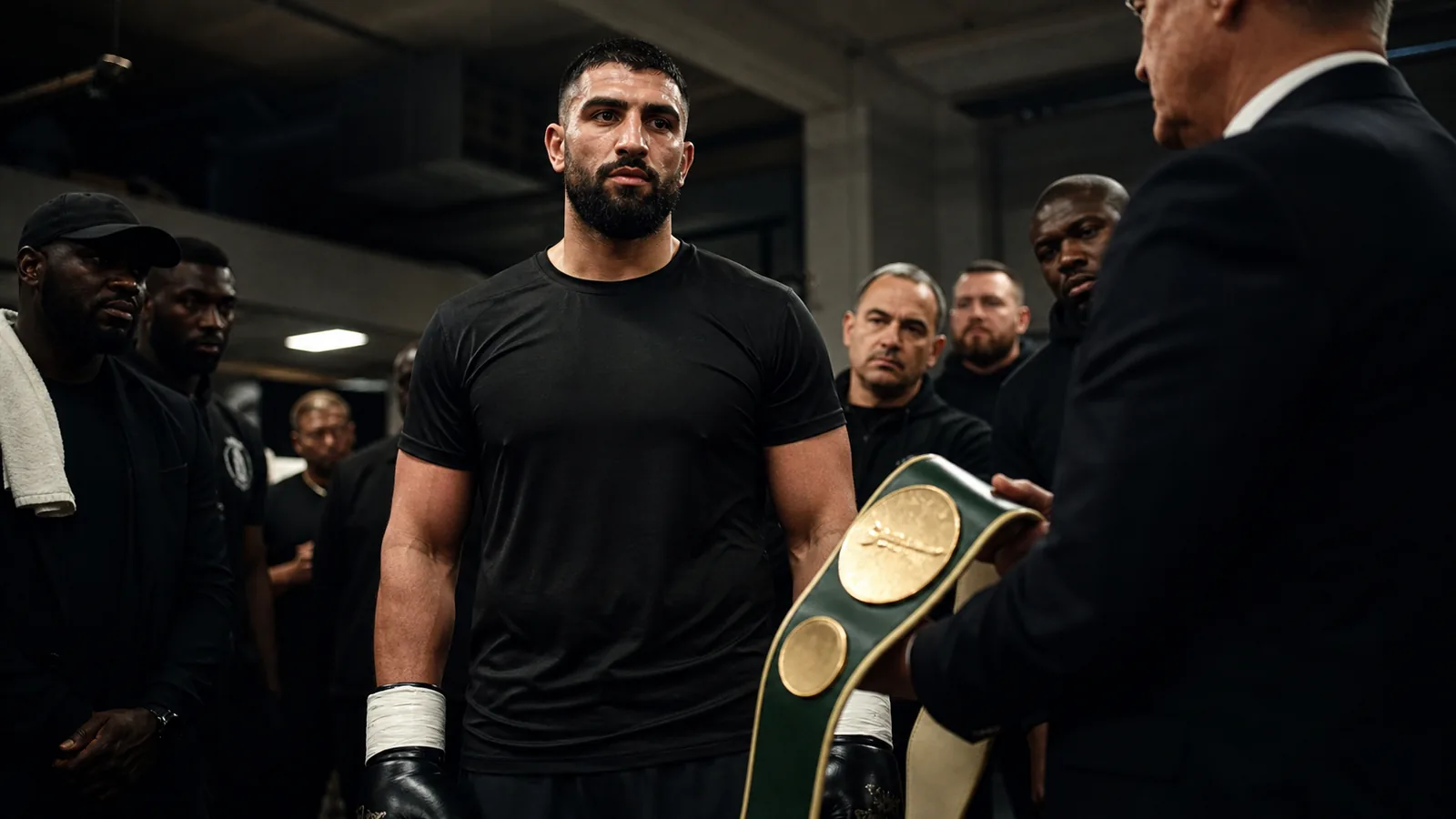
Agit Kabayel did not win the WBC heavyweight title with a new belt on the line, a ring walk, or a dramatic final round. He was elevated from interim champion to full WBC champion on 27 June, after Oleksandr Usyk left that particular title route behind.
That distinction will annoy some people. It should not confuse anyone.
Nobody is saying Kabayel beat Usyk. He did not. But he had already earned the right to be next. The question now is not whether the green belt is legitimate. The WBC has answered that officially in its announcement recognising Kabayel as heavyweight champion. The more important question is whether the organisation can turn an elevation into a proper championship route, rather than another stretch of heavyweight holding pattern.
That is where this gets interesting.
An interim belt is only useful if it means something
Boxing has made the word “interim” sound more confusing than it needs to be. An interim champion is not automatically the same thing as the full champion. But in the best version of the system, the interim belt is a working answer to a simple problem: what happens when the champion cannot or will not meet the next required challenger?
Kabayel became the WBC interim champion by stopping Zhilei Zhang in February 2025. He then defended it against Damian Knyba in Oberhausen on 10 January 2026, ending that fight in the third round. The official Queensberry event page records the result, while Box.Live’s Kabayel profile lists him at 27-0 with 19 stoppages.
That matters because it turns this from a paperwork promotion into the completion of a route. Kabayel did not appear from nowhere because a sanctioning body wanted a convenient name. He beat Arslanbek Makhmudov, Frank Sanchez, Zhang and Knyba across a run that steadily moved him from European-level respect to a genuine world-level problem.
The WBC has described that climb as a merit-based one. Its account points to Kabayel entering the rankings in 2017 after winning the European title against Herve Hubeaux, beating Derek Chisora later that year, then breaking through against Makhmudov and Sanchez in Saudi Arabia. FightNews reported the same WBC recognition, including the organisation’s view that Kabayel had earned the elevation through sustained results.
For once, that is hard to argue with.
Elevation changes Kabayel’s job description
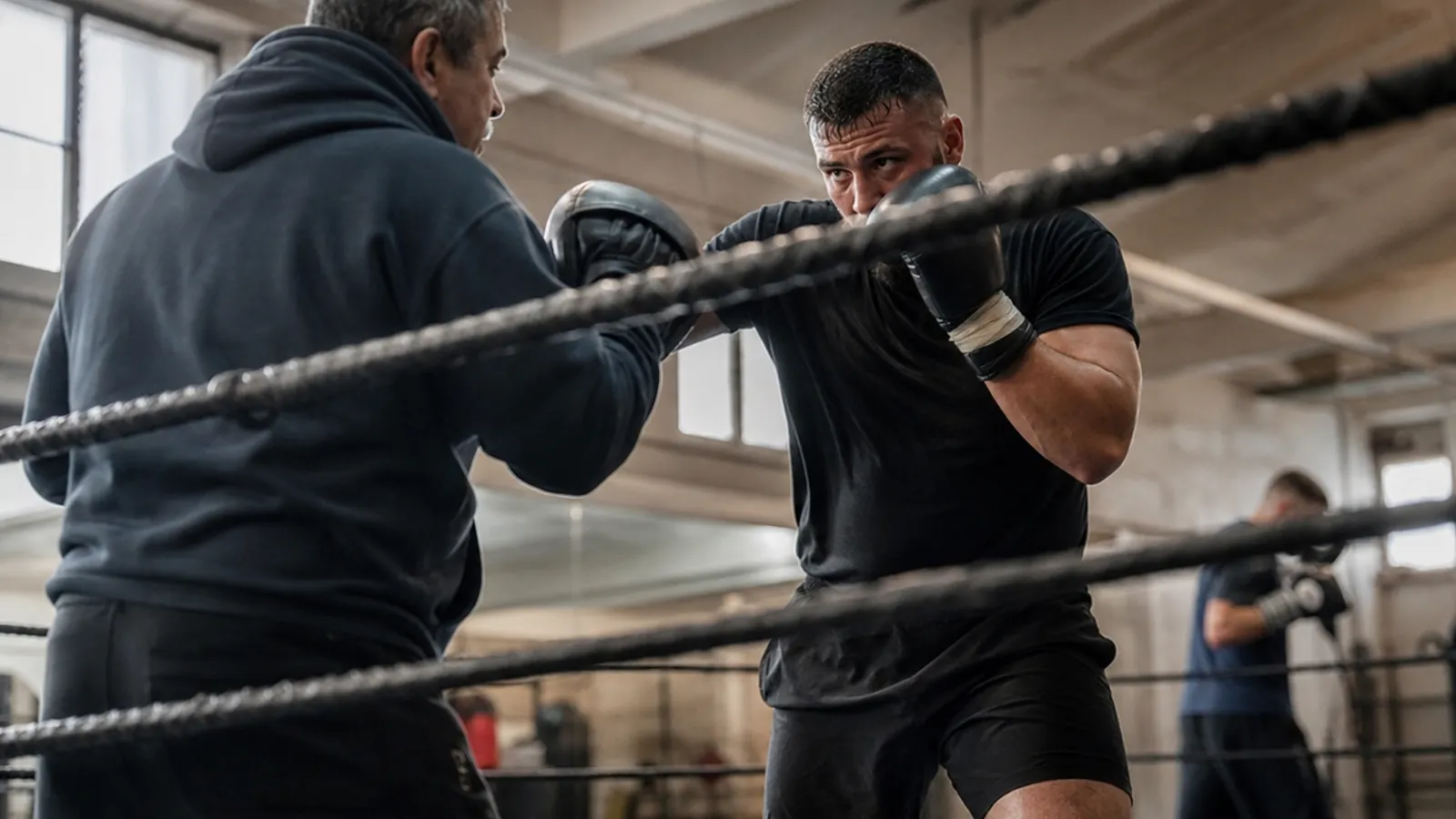
Being interim champion means you are waiting, applying pressure and trying not to lose your place in the queue. Being full champion means the queue belongs to you.
That is a big change.
Kabayel no longer needs to campaign for recognition as the man who deserves a title shot. He needs to defend the title against an opponent who gives the belt authority. Those are not the same task. Contenders are judged on whether they can force their way in. Champions are judged on who they fight, how often they fight and whether they accept the awkward assignment when it arrives.
The WBC’s own statement says that further heavyweight championship activity will be announced. That wording matters. At the time of writing, Box.Live lists no confirmed next fight. So the division should resist treating every big heavyweight name mentioned in an interview as an official challenger.
Kabayel has made the sales pitch himself. Speaking to Sky Sports, he said he was open to Tyson Fury, Anthony Joshua, Moses Itauma, Daniel Dubois and Fabio Wardley. That is the right public posture from a new heavyweight champion. Call out the best men, show willingness, and make the belt feel available rather than protected.
But championship governance cannot run on call-outs. The WBC has to say who is next, why they are next, and what the timetable is.
The WBC route needs clarity, not celebrity
A title is not strengthened merely because a famous name is attached to it.
Fury against Kabayel would be a huge event. Joshua against Kabayel would sell in Britain and Germany. Itauma against Kabayel would be the sort of match-up that gets serious fans immediately interested, particularly if the young London heavyweight keeps winning. But none of those fights should happen simply because they are easy to market.
The WBC needs a route that can be explained in one sentence.
If there is a mandatory challenger, name him. If there is an eliminator required to produce one, order it. If a voluntary defence comes first, publish the conditions and the deadline for the mandatory. That is not boring administration. That is what stops a belt becoming a promotional prop.
The difference between a world champion and a belt-holder is often visible in the first defence. A champion takes on a credible, dangerous opponent. A belt-holder finds a soft landing, says the difficult fight is coming later, then repeats the line until the public stops asking.
Kabayel has earned the benefit of the doubt because his recent route has not been soft. His body attack against Zhang was especially revealing. Zhang is big, hard to move and awkward when fresh. Kabayel did not panic at the size difference or look for a single lucky shot. He pressed with shape, targeted the body and broke the bigger man down. The Boxing News 24 report on his elevation correctly frames that Zhang win and the Knyba defence as the work that put him in position.
He fights like a heavyweight who understands that pressure is not just walking forward. It is cutting off exits, taking away recovery time, touching the body and making the other man work at an uncomfortable pace.
That is a proper foundation for a title reign. Now he needs a proper opponent.
Germany has a champion, and heavyweight boxing has a new centre of gravity
Kabayel’s rise is also significant beyond the WBC paperwork. He is a German heavyweight champion in a division that has too often been presented as a closed shop for British stars, American punchers and Saudi Arabian event cards.
His January homecoming in Oberhausen was promoted as a meaningful moment for German boxing. British Boxing News covered the original announcement, with Frank Warren and DAZN making clear that Kabayel was intended to headline a renewed push for major boxing nights in Germany.
That should not be dismissed as promotional talk. Germany has a serious heavyweight history, and Kabayel has a chance to build something there if he makes defences that matter. A full stadium in Germany for a real WBC title fight is good for the sport. It gives the division another active market and another promoter with reason to make difficult fights.
The Wikipedia profile of Kabayel offers the basic outline: Leverkusen-born, Kurdish heritage, professional since 2011, former European champion, unbeaten into his thirties. The more compelling story is the route itself. He spent years outside the celebrity lane, kept winning, then made a run of opponents who were supposed to slow him down.
That is worth rewarding.
Kabayel does not need to prove he is Usyk
This is where boxing fans can become unfair. Kabayel is not Usyk. He does not have Usyk’s undisputed cruiserweight legacy, his wins over Anthony Joshua and Tyson Fury, or his reputation as one of the cleverest fighters of his era.
He does not need to.
A new champion cannot inherit the old champion’s authority. He has to build his own. Kabayel’s first job is to make the WBC belt active, dangerous and understandable. If he fights a serious contender and wins, the title starts to feel like his. If he makes a second strong defence, the division begins to organise itself around him.
The best outcome is not endless debate about whether he was “given” the belt. The best outcome is Kabayel taking the belt, accepting the burden that comes with it and forcing the division to come through him.
That is what an interim champion is supposed to become: not an asterisk, but the next man up.
At Honour & Glory’s boxing classes in Kidbrooke, we teach the part of boxing that comes before any belt: discipline, conditioning, composure and the willingness to keep improving when nobody is handing you a shortcut. Kabayel’s career is a useful reminder that the route can be slow, but the work still counts.
The WBC has made its decision. Now it needs to make the next one clearly.
H&G Team
Writer at Honour & Glory Boxing Club, a community boxing gym in Kidbrooke, South East London.
KEEP READING
Agit Kabayel crowned WBC champion: what elevation means
A clear guide to the difference between being upgraded to champion and winning a vacant belt in the ring, plus why Kabayel’s next opponent matters more than the announcement itself.
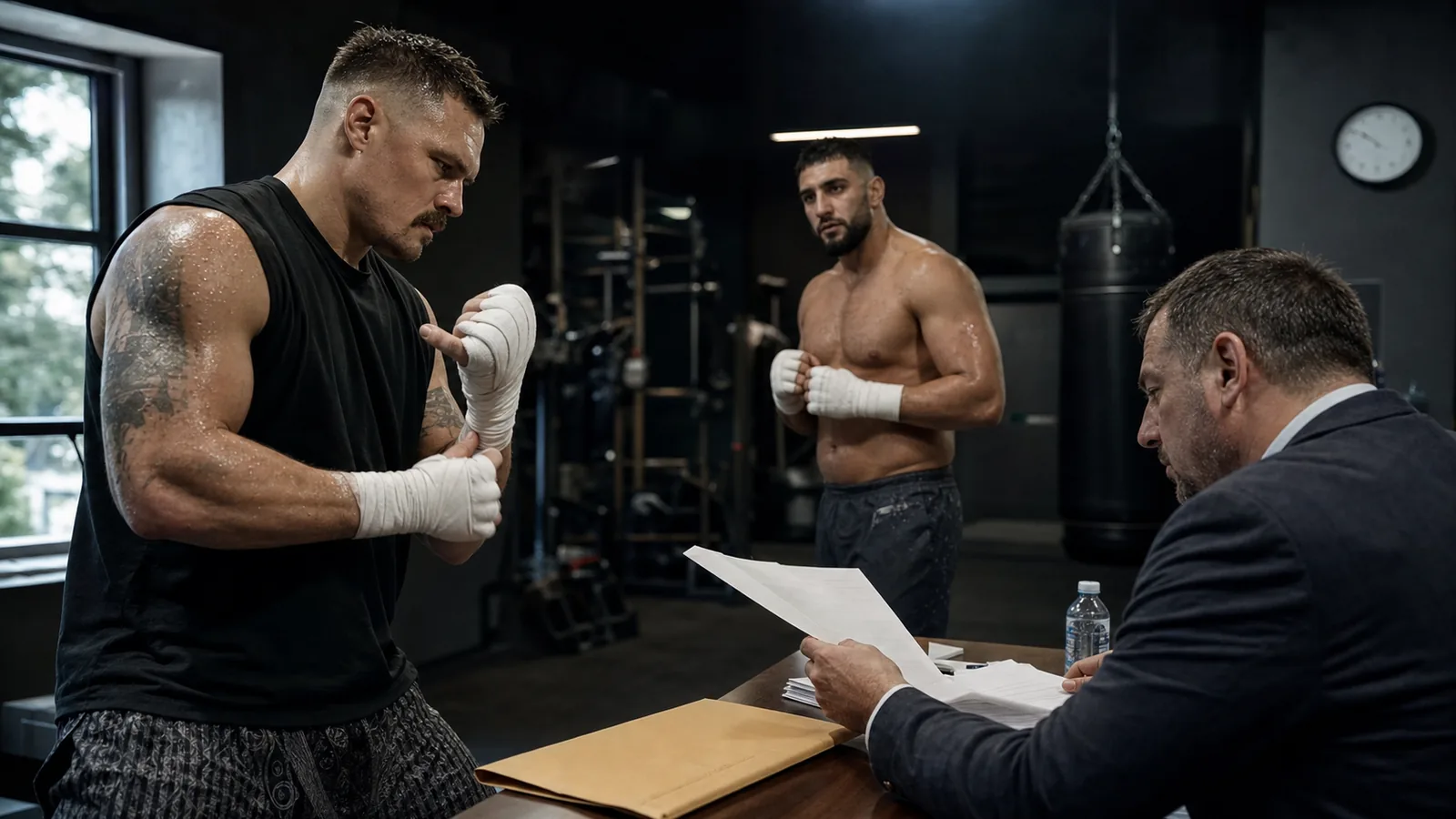
Usyk vs Kabayel Purse Bid: What Happens Next?
Explain what a WBC purse bid means, why it matters for Usyk’s next heavyweight move, and what fans should watch for before June 30.
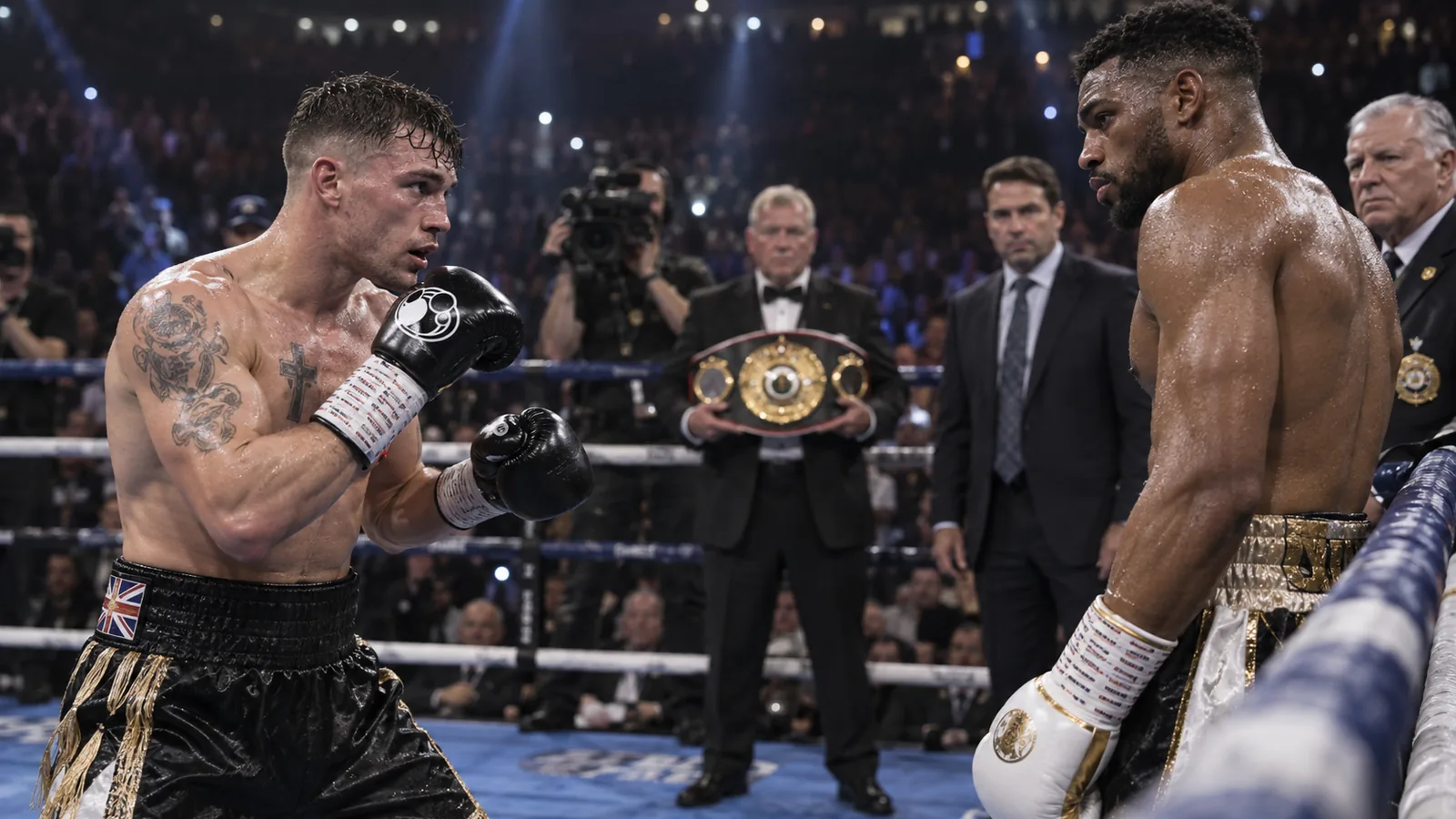
'FIGHT ME OR VACATE!' Jack Catterall CALLS OUT Teofimo Lopez for WBA
Explain why this title-vacancy story matters beyond belt paperwork: mandatory routes, divisional politics, fighter leverage, and what fans should watch next.
Was this page helpful?
It takes one tap, and it genuinely helps.
Choose your next step
Turn this article into the right action
Some readers are ready to book. Some need the class route first. Pick the route that matches what you actually want.