Sky Nicolson vs Mio Yoshida: the history bid behind the title fight
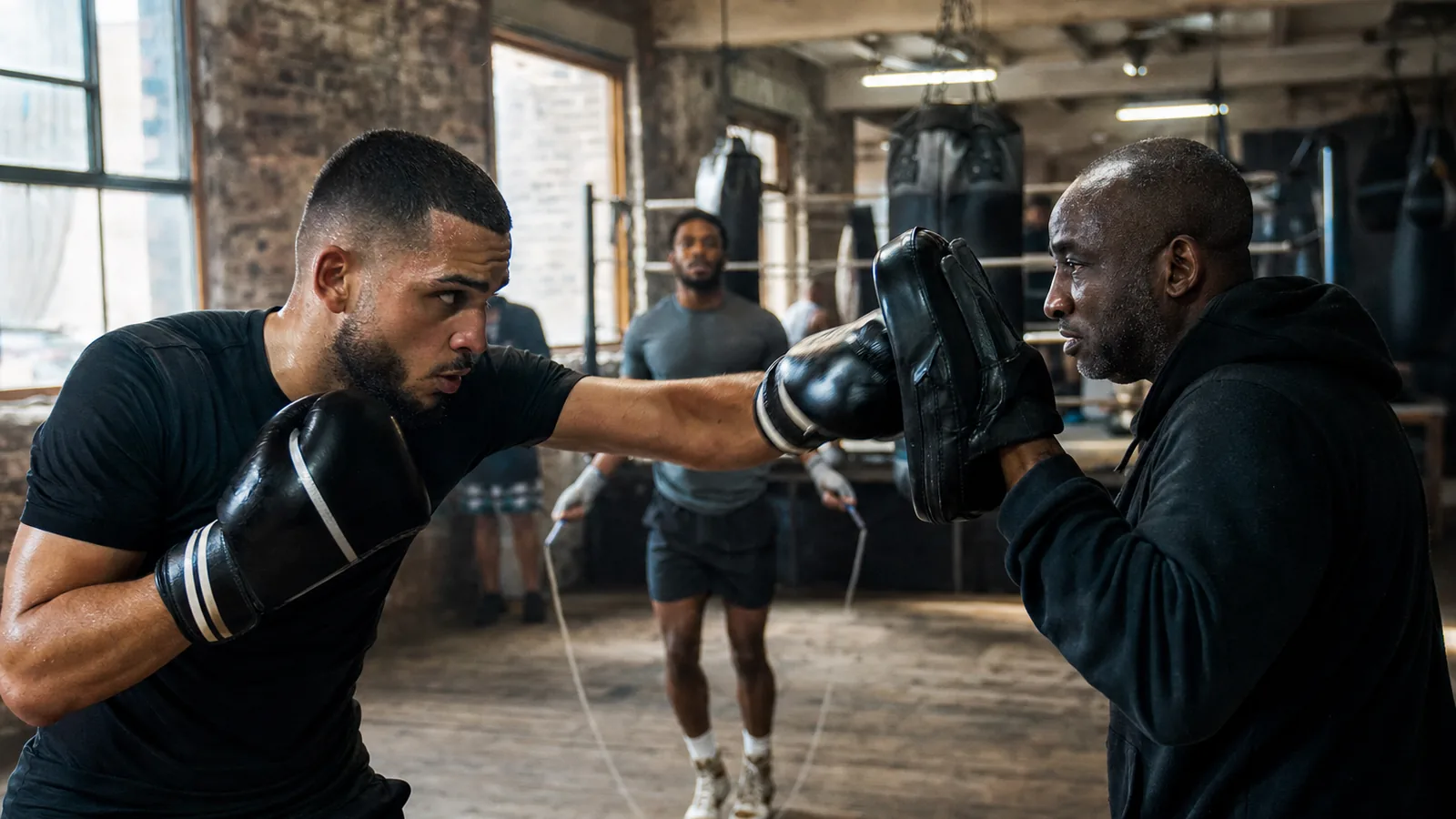
Sky Nicolson vs Miyo Yoshida: the history bid behind the title fight
Miyo Yoshida is not travelling to Texas simply to challenge for another belt. Against Skye Nicolson on 8 November, she has the chance to become a world champion in a third weight division.
That is the real story.
Nicolson is the WBC super-bantamweight champion, an Olympic-level southpaw with a sharp jab and a style built around making opponents reach, miss and reset. Yoshida is an experienced former champion at junior-bantamweight and bantamweight, moving to 122lb for the biggest opportunity of her career. This is not a routine title defence. It is a serious test of whether a smaller, older, high-volume fighter can take her championship habits up another division and make them work against an elite mover.
The fight is scheduled for College Park Center in Arlington, Texas, on a card that also includes Tiara Brown against Ellie Scotney. The BBC’s 2026 schedule lists Nicolson vs Yoshida for the WBC super-bantamweight title, while the WBC confirmation says it will be Nicolson’s first defence since her elevation to full champion.
What Yoshida has already done
Yoshida’s record does not tell the whole story, but it tells you this is not a challenger being handed a spot because she is available. She is 19-5 with one knockout and has already won world titles at 115lb and 118lb.
She won the WBO junior-bantamweight title in 2019, regained it in 2021, then made the move to bantamweight. Her best-known win came in December 2023, when she accepted a late call to face IBF bantamweight champion Ebanie Bridges in San Francisco and won a clear unanimous decision. The FightNews account of Yoshida’s route to this fight puts the historical bid plainly: a win over Nicolson would make her a three-division world champion.
That has particular weight in Japanese women’s boxing. Yoshida has already been identified as one of the relatively small group of Japanese women to win world titles in more than one division. A third title weight would not just be a personal milestone. It would separate her from the usual short-term belt churn that can make championship claims feel cheap.
She has earned this chance the hard way. Yoshida has no amateur background, committed fully to boxing after becoming a mother, and has built a career on persistence rather than the standard development route. That story is meaningful, but it should not distract from the sporting question. Boxing does not award a third division for an inspiring backstory. At 122lb, Yoshida must solve a fighter who is likely to be physically bigger, naturally more comfortable at the weight and difficult to pin down.
The jump to 122lb is the whole gamble
Yoshida has previously held titles at 115lb and 118lb. Super-bantamweight is 122lb. Four pounds may not sound dramatic to someone outside the sport, but at the lower weights it changes the problem.
The issue is not only the number on the scales. It is the opponent’s physical comfort once both fighters rehydrate, their ability to hold ground in the clinch, the range of their punches and how much punishment they can absorb without being knocked off rhythm.
Yoshida is making a sensible argument when she says that she will not need to cut as much weight, potentially allowing her to enter the ring with more energy. In her own words, reported by FightNews, her strengths are “speed, time and work rate”, and she believes she must box her own fight rather than try to match Nicolson’s size.
That is exactly right. Trying to become a bigger fighter overnight would be a mistake.
Yoshida needs to be the sharper fighter, not the heavier one. She needs to enter range without walking into Nicolson’s jab, work in bursts before Nicolson can tie up the distance again, and keep enough pressure on the champion that the Australian cannot settle into the quiet rhythm she prefers.
The danger is that she becomes over-eager. Against a good southpaw, chasing can become a trap. A fighter walks onto the jab, reaches for a right hand that is not there, then gets turned and has to start again from the centre of the ring. Nicolson does not need huge power to win that sort of fight. She needs accuracy, space and repetition.
Why Nicolson is a difficult champion to unseat
Skye Nicolson is 16-1 with three stoppages. Her record is not built on frightening opponents into submission. It is built on control.
The WBC’s preview describes her as a polished fighter with solid defence and a surgical southpaw jab. That is promotional language, but it is also a fair description of the challenge. Nicolson can be frustrating because she does not give opponents the kind of exchanges they want. She does not need to trade bravely to prove she belongs. She wins by making the other fighter spend too long trying to get close.
Her recent career also shows that she has learned from setback. Nicolson won the WBC featherweight title against Sarah Mahfoud in 2024, lost it to Tiara Brown in 2025, then moved down to 122lb, won the interim WBC title and was elevated after Ellie Scotney vacated the full belt. Boxing Insider’s report on the title change sets out that path, including Nicolson’s win over Yulihan Luna and her April victory over Mariah Turner.
She is now a two-division champion herself. So this is not a fight between a proven champion and an intruder with a nice story. It is two fighters chasing different versions of legacy.
Nicolson wants to establish herself at 122lb and move towards unification. Yoshida wants to prove that her best championship days are not behind her.
The tactical question: can Yoshida make it a fight?
Yoshida does not need to outbox Nicolson at long range. In fact, she probably cannot afford to try.
Her route is to make Nicolson deal with sustained, intelligent pressure. Not wild pressure. Not simply marching forward with gloves high. Yoshida needs to cut the ring, touch Nicolson’s body, make her reset at awkward moments and use combinations that finish with her head off-centre.
The first few rounds will matter enormously. If Nicolson establishes the jab and gets Yoshida falling short, the champion can bank rounds without drama. That is the kind of fight Nicolson wants: a technical, tidy contest in which the challenger is always reaching for the same answer and finding the same problem.
Yoshida needs the opposite. She needs early evidence that Nicolson cannot simply glide away for two minutes at a time. A jab to the chest, a right hand over Nicolson’s lead, work around the arms and a willingness to close the exit routes could all force the champion to spend more energy than she expects.
The WBC’s original fight preview frames it as Nicolson’s distance management against Yoshida’s pace and punch volume. That is the correct tactical frame, but there is one extra layer: Yoshida has to apply that pressure without giving away clear counters. At this level, effort alone does not win rounds. Clean work does.
For young boxers, this is a useful fight to watch with the sound down. Look at who owns the centre, who is setting the distance, who is landing first and who is forcing the other woman to restart. Those details will tell the story before the scorecards do.
The postponement adds another wrinkle
The fight was initially due to happen in Birmingham in August, on Nicolson’s debut under the Matchroom and Most Valuable Promotions alliance. Nicolson withdrew because of injury, and the bout was moved to Texas.
That has made the event less familiar for British viewers, but it has not reduced its importance. The Sky Sports announcement originally placed the fight on the Mayer vs Chantelle Cameron bill in Birmingham. The rescheduled bout now has a different setting, a different card and a longer wait.
For Yoshida, the delay was a practical headache. She had prepared to peak for one date and then had to reset. But the opportunity remained, and that matters more. She has waited too long for another world-title fight to become passive now.
For Nicolson, the new date is an opportunity to show that she is fully recovered and ready to make her own statement at the weight. She has signed with MVP as part of its alliance with Matchroom, and Matchroom’s announcement made clear that Nicolson is intended to be a central figure in the next stage of women’s boxing. A dominant defence would support that claim. A Yoshida upset would change the entire conversation.
The verdict
Nicolson should be favourite. She is the more natural super-bantamweight, the younger fighter, the stronger boxer at range and the one with the style most likely to win rounds cleanly.
But Yoshida is a live challenger because she does not need the fight to be pretty. She has championship experience, has already succeeded in a higher division than many expected, and has shown that she can perform when the occasion arrives suddenly or inconveniently.
Her history bid depends on discipline. She cannot chase Nicolson blindly. She cannot make every exchange a heroic charge. She has to pressure with purpose, attack the body, deny the champion easy exits and make Nicolson work at a pace she does not choose.
If Yoshida does that for ten rounds, she has a genuine chance to make history. If Nicolson keeps the fight at jab range and turns her consistently, the champion should retain her belt and move on towards the bigger unification fights at 122lb.
Either way, this is worth watching because it is about more than a title defence. It is a test of whether an experienced fighter can add a third weight division to her legacy against one of the hardest stylistic assignments available.
H&G Team
Writer at Honour & Glory Boxing Club, a community boxing gym in Kidbrooke, South East London.
KEEP READING
Caroline Dubois vs Terri Harper: World Title Unification at Olympia!
Dubois vs Harper is a serious British world-title fight, not a novelty. It is a sharp stylistic matchup with real consequences for women's boxing here.
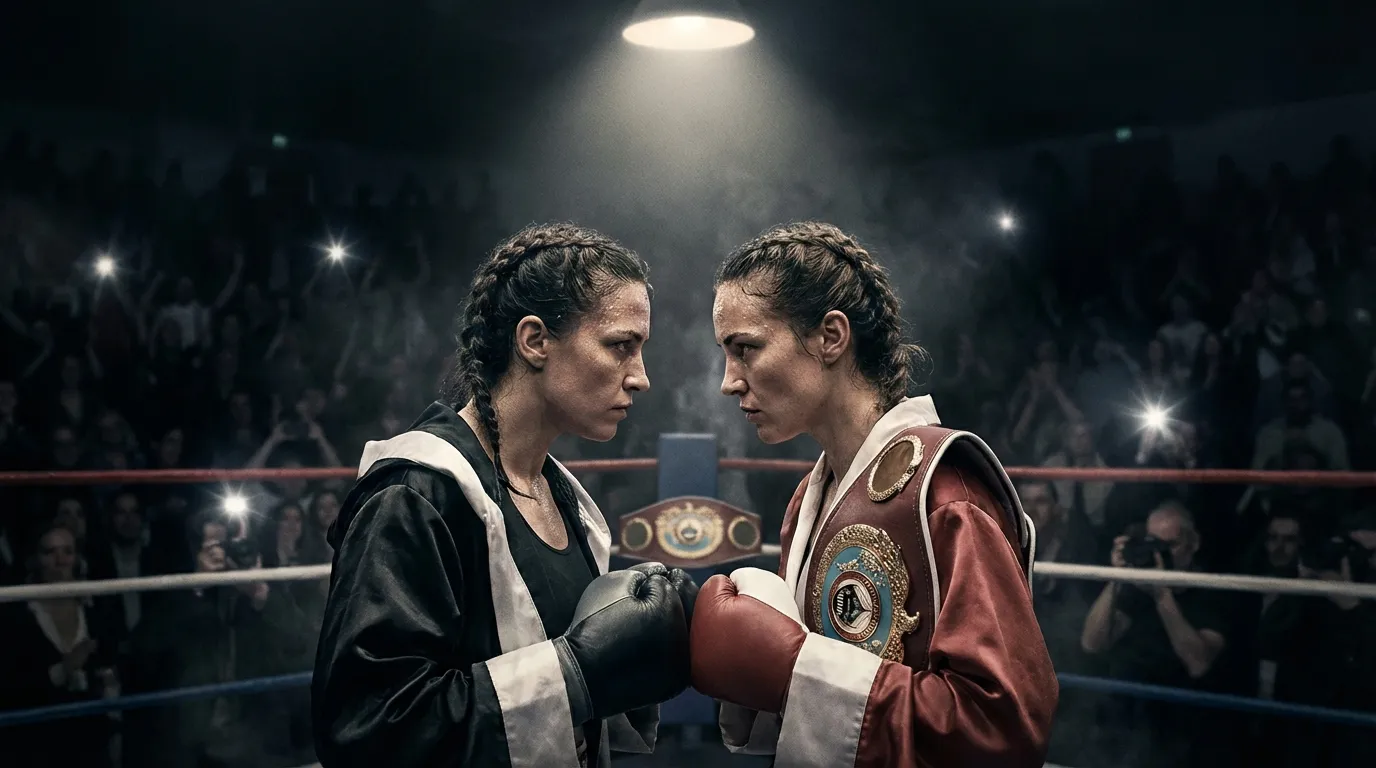
Dubois v Harper: Title Unification 2026
Dubois v Harper is the biggest women's boxing fight of 2026. Everything you need to know about the Caroline Dubois vs Terri Harper title unification.
Agit Kabayel’s WBC elevation: what it means at heavyweight
A fresh governance-led follow-up to Usyk’s vacancy: focus on Kabayel’s elevation and how a belt moving from interim to full champion changes the next WBC route, rather than repeating the original Usyk-vacates story.
Was this page helpful?
It takes one tap, and it genuinely helps.
Choose your next step
Turn this article into the right action
Some readers are ready to book. Some need the class route first. Pick the route that matches what you actually want.