Ricardo Sandoval’s upset over Sergio Mendoza: what changed
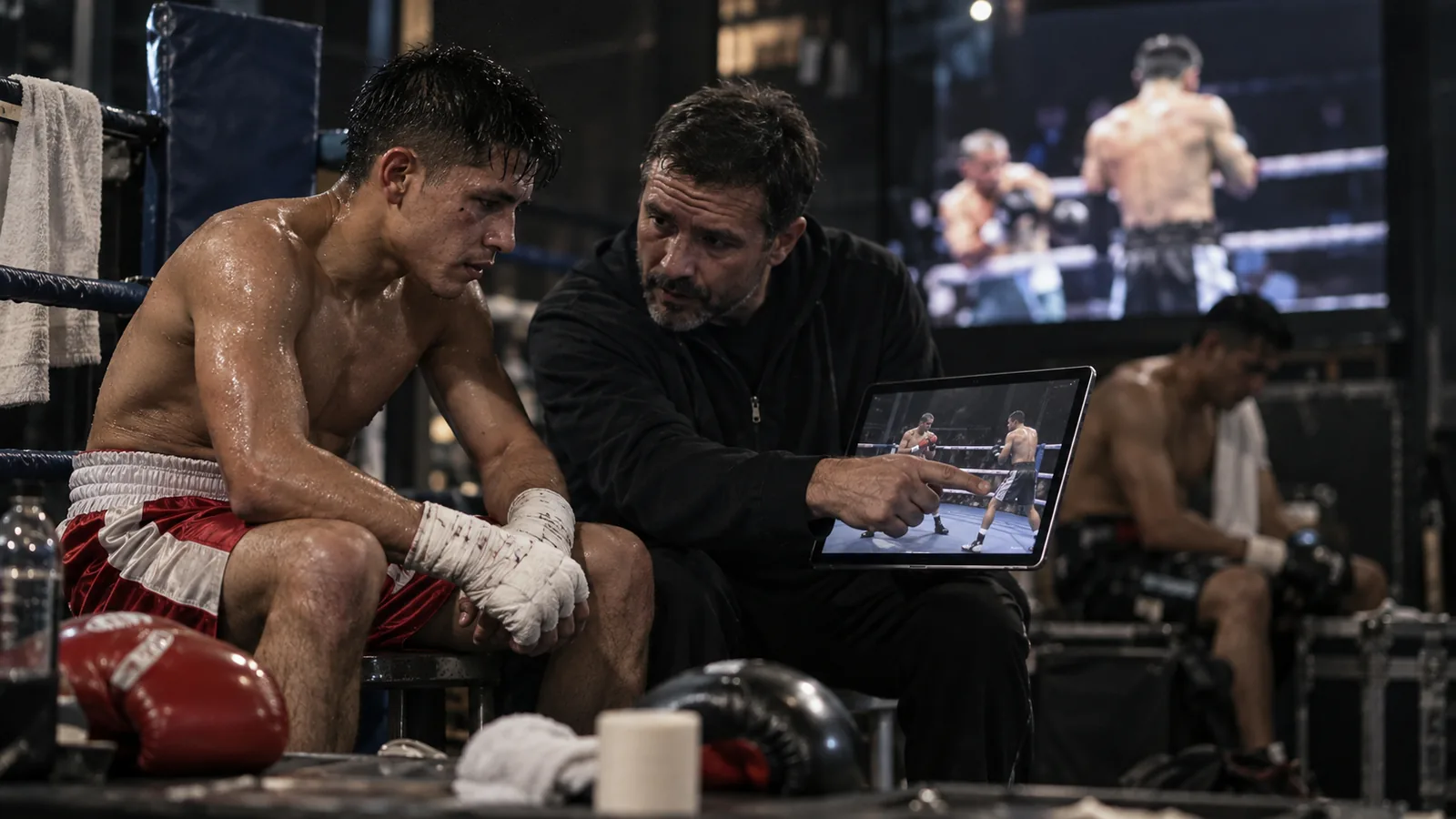
The second round changed the temperature
The opening did not look like an ambush. That matters. Mendoza did not empty the tank in a wild first minute or chase a miracle. He established that Sandoval could not walk forward carelessly, then made the champion pay when he tried.
The official highlights show Mendoza landing with increasing authority as Sandoval comes into range. The first knockdown is not a huge looping shot from the other side of the ring. It comes from Mendoza catching Sandoval in close. The second is worse: a left uppercut lands cleanly and Sandoval is properly hurt.
That uppercut was the key punch of the fight.
Sandoval is an experienced boxer who had won the unified belts from Kenshiro Teraji in Japan. His natural reaction when under pressure, though, is often to fight back immediately. There is courage in that, and it has helped him before. Against Mendoza, it became a trap. Rather than taking a beat, resetting his feet and making the taller man reach, Sandoval tried to answer fire with fire while his legs were not settled.
The result was that he kept giving the southpaw the same corridor: forward movement, head in the middle, and exchanges at the range Mendoza wanted.
DAZN’s pre-fight analysis had identified the left hand, body work and Mendoza’s jab as the challenger’s routes into the contest. The prediction favoured Sandoval on points, reasonably enough, but the ingredients of the upset were there. Mendoza used them better than expected.
Mendoza gave Sandoval the wrong picture
Good pressure is not just walking forwards. Mendoza pressured with a threat behind it.
His height gave Sandoval a longer target to cross before he could get to work. His southpaw stance changed the line for Sandoval’s right hand and opened the lane for Mendoza’s rear left. Most importantly, Mendoza did not allow Sandoval to settle into the measured bursts that had served him so well against Teraji.
Sandoval needed more feints, more work to the body, and more exits after scoring. Instead, too many exchanges ended with him still in front of Mendoza. In boxing, that is an invitation, not a neutral position.
Watch the highlights again and notice how often Mendoza is ready to answer when Sandoval throws. The challenger is not waiting passively behind a high guard. He is looking for the counter, especially when Sandoval steps in square or lingers after a shot. That is why the upset was repeatable over several rounds rather than dependent on one clean connection.
Mendoza also made a smart emotional choice. He did not become reckless after hurting the champion. He was clearly fired up, but he kept returning to the same work: make Sandoval come through the middle, touch the body, meet him with the left hand and punish him inside.
That is mature fighting from an underdog.
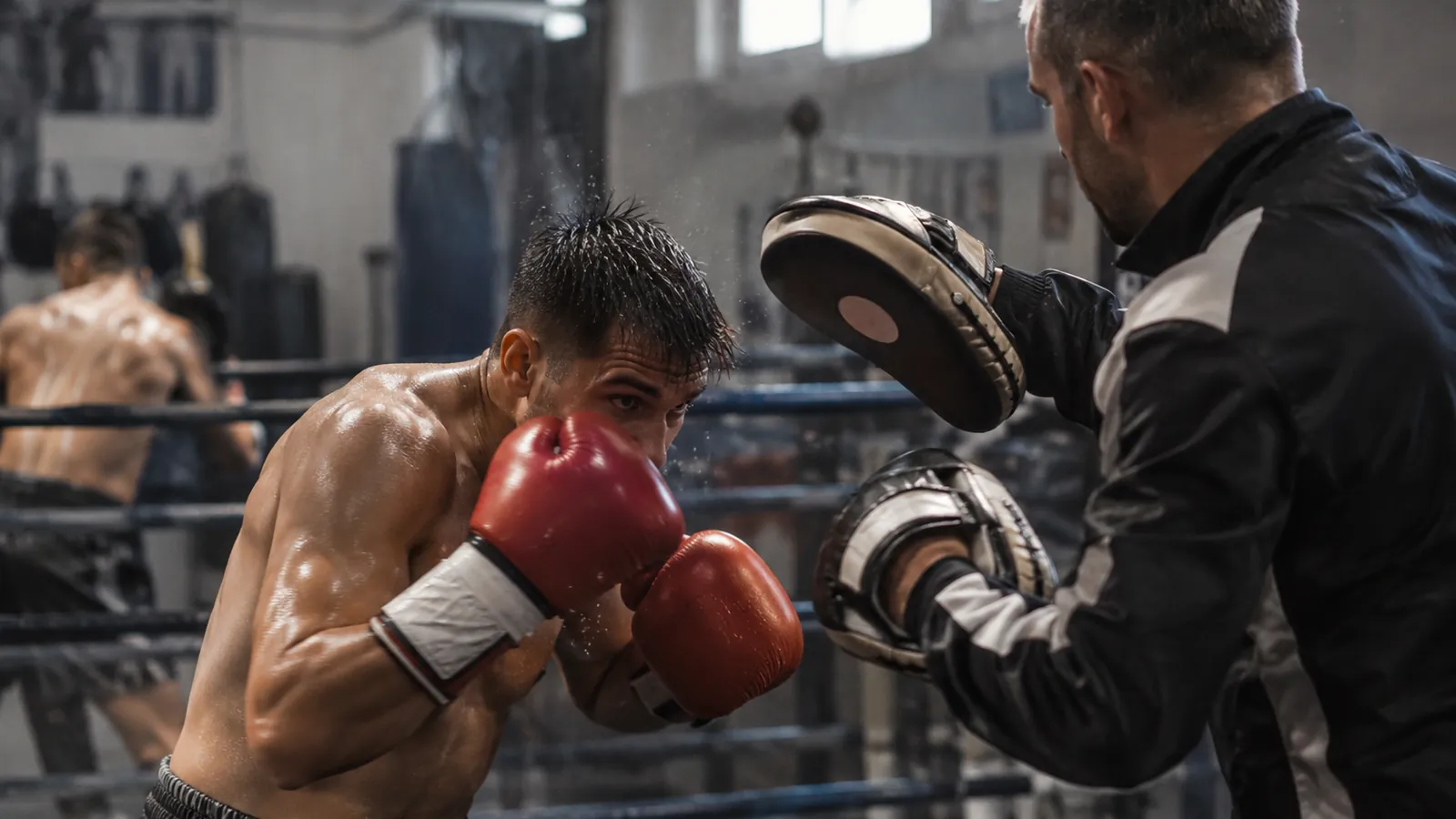
The body work was not decoration
The fifth-round finish began with Mendoza attacking the body before bringing the shots upstairs. DAZN’s report from Chicago described a left to the body followed by a right hand that put Sandoval down for the third time. Once Sandoval rose, Mendoza did exactly what a finisher should do. He did not stand off to admire the knockdown. He closed the distance, put punches together and gave the referee a clear reason to intervene.
This is the bit younger boxers should study carefully. A body shot does not always produce an instant collapse. Often it changes what comes next. It brings the elbows down, slows the feet, shortens the breath and makes the head available. Mendoza’s body work gave his head shots more value because Sandoval had more than one danger to solve.
BoxingScene’s account of the fight also pointed to Sandoval’s 15-month lay-off since beating Teraji. Ring inactivity can dull sharpness, especially against a hard puncher who creates awkward rhythm. But it would be lazy to reduce this result to rust. Sandoval may have been less sharp than usual. Mendoza was also excellent.
Both things can be true.
The late replacement lesson
There is a habit in boxing of dismissing late replacements as administrative problems. A planned opponent falls out, a name is found, the show survives. That is not how fighters should think.
A late replacement can bring a style nobody has properly prepared for. Mendoza was taller than Collazo, longer than Collazo, a southpaw with a high knockout rate, and a recent title challenger at light-flyweight. Sandoval had prepared for a difficult fight, but not this particular difficult fight.
The pre-fight WBC preview shows how much changed in the weeks before the bout. Sandoval had first been linked with Galal Yafai, then scheduled to meet Collazo, before Mendoza stepped in. The champion did not lose because he lacked nerve. He lost because boxing punishes assumptions, especially when an opponent has the tools to make those assumptions expensive.
Mendoza’s fifth-round stoppage was a warning against treating an opponent as a stay-busy task. There is no such thing when titles are on the line and the other man can punch.
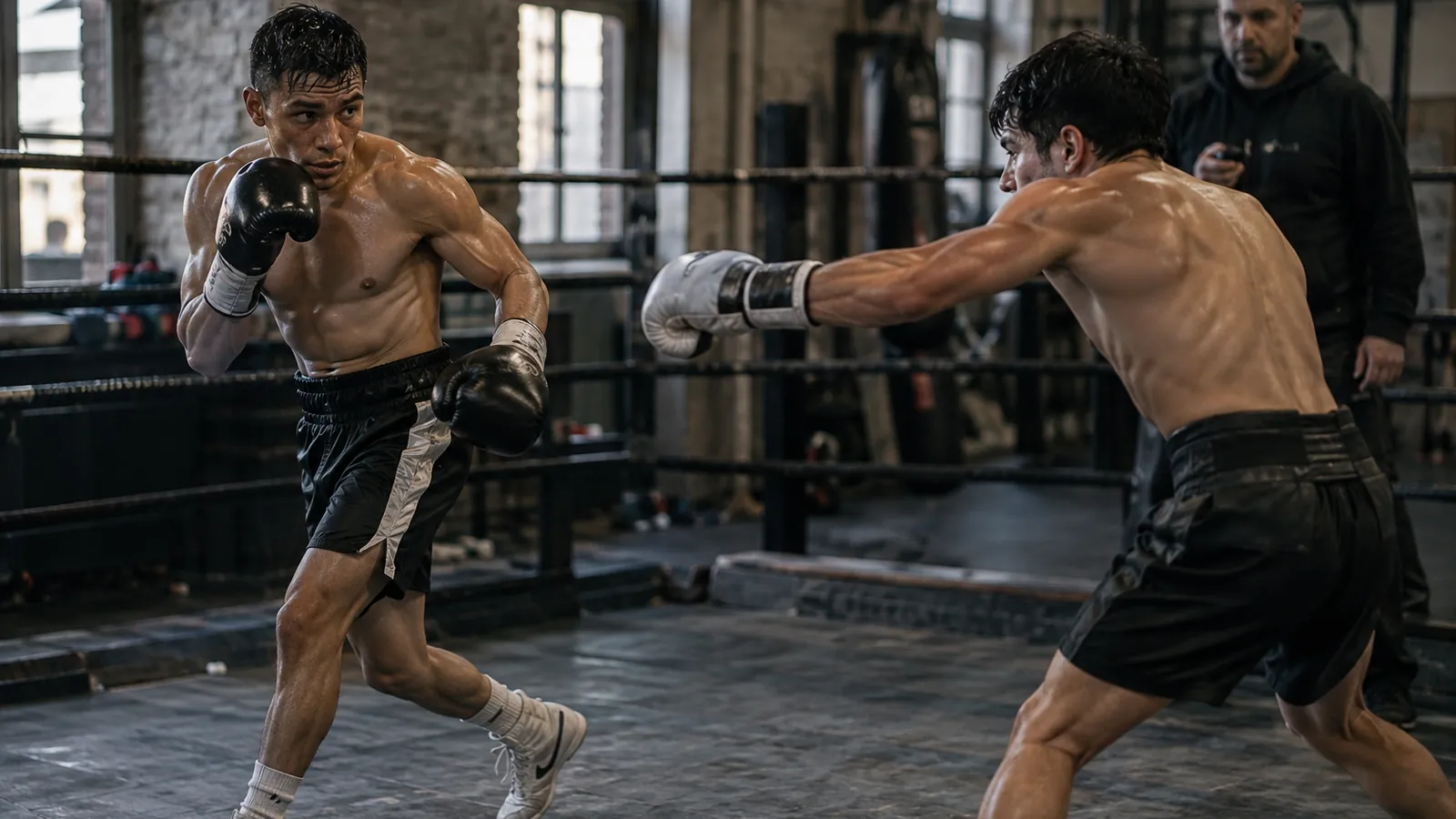
What Sandoval needs to change
Sandoval does not need a reinvention. He remains a very good fighter with a serious win over Teraji on his record. But the rematch, if it happens, would demand a less emotional response to danger.
First, he has to make Mendoza lead more often. A tall southpaw should be made to reach, miss and reset. Sandoval is capable of using his feet and jab to create that kind of fight.
Second, he needs to attack Mendoza’s body without remaining in front of him afterwards. The challenger’s guard can open, as the pre-fight analysis noted, but Sandoval must take his work out on an angle rather than waiting for the return.
Third, he has to resist the urge to win every moment back immediately. After the second-round knockdowns, survival and recovery were the priorities. A championship boxer must know when to take twenty quiet seconds, clinch when necessary, find the jab and make the round ugly.
That is not cowardice. It is ring sense.
The lesson for every underdog
Mendoza did not beat Sandoval by believing in himself more loudly. He beat him by bringing a problem that the champion could not solve in time.
He used his height. He used the southpaw angle. He invested in the body. He punished Sandoval’s rushes with counters, particularly the uppercut. And when the finish arrived, he acted with purpose.
That is what good underdogs do. They do not wait for the favourite to make a mistake. They build the situation where the mistake becomes more likely.
For anyone training in Kidbrooke, that is a much better lesson than simply copying a knockout. Boxing is made of positions, balance, discipline and decisions when the other person is trying to take those things away. Start by learning those fundamentals properly, then put them under pressure in a controlled setting.
H&G Team
Writer at Honour & Glory Boxing Club, a community boxing gym in Kidbrooke, South East London.
KEEP READING
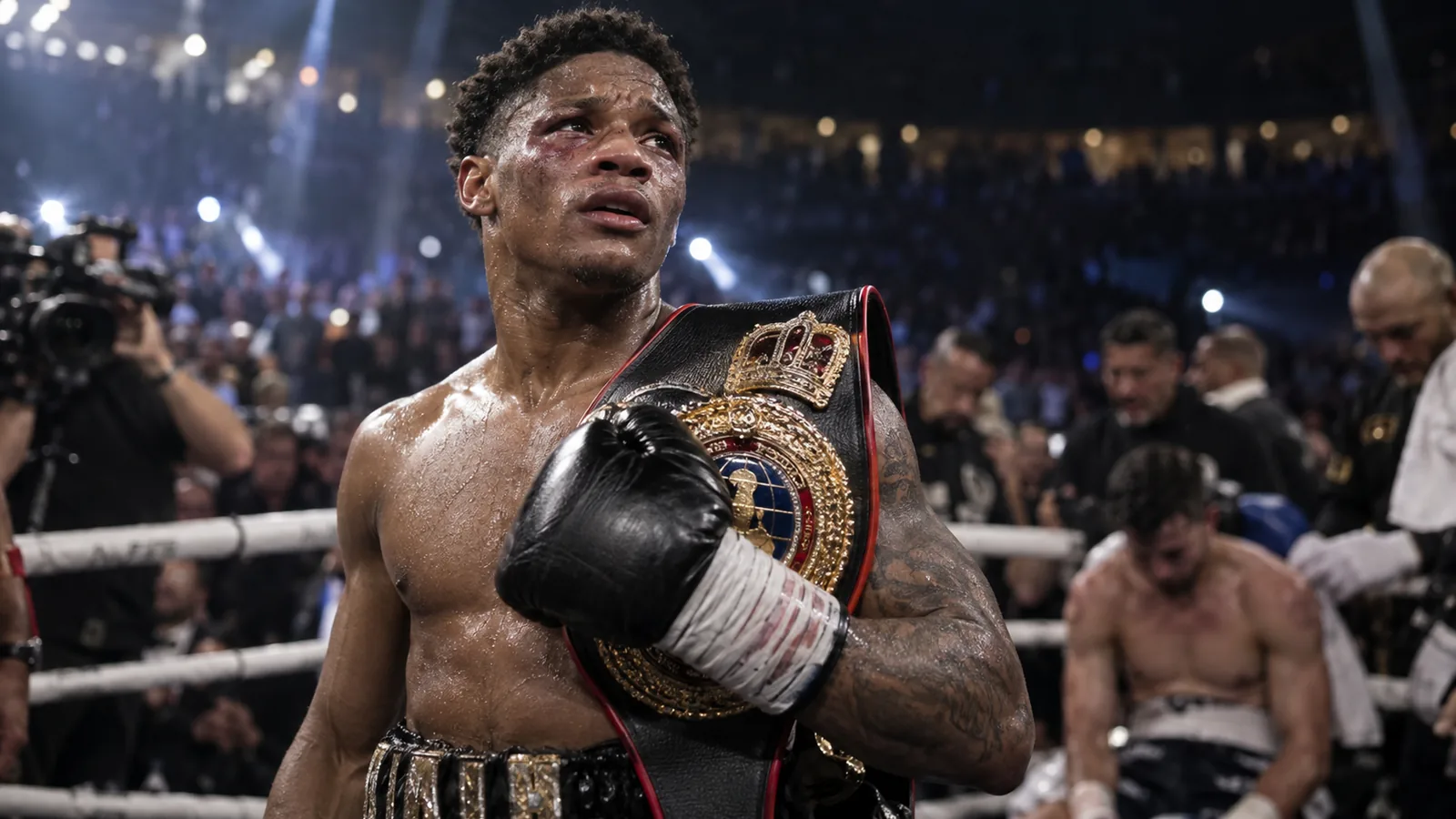
Floyd Schofield Beats Lucas Bahdi to Win a World Title
A focused post-fight look at Schofield’s breakthrough, using his own immediate reaction rather than turning the card into a generic roundup.
Sikho Nqothole world title push after Edwards win
Use the Charlie Edwards vs Sikho Nqothole card as a current hook to explain how a fighter moves from a high-profile win into world-title contention, without making it a straight results report.
Frazer Clarke’s quick return: why turnaround matters
Use Clarke’s surprise weekend bout against Lamah Griggs to explain what a quick return can achieve for a heavyweight: ring time, confidence, timing and risk management, without treating an interview as proof of a completed result.
Was this page helpful?
It takes one tap, and it genuinely helps.
Choose your next step
Turn this article into the right action
Some readers are ready to book. Some need the class route first. Pick the route that matches what you actually want.