Heather Hardy’s $10m MVP Lawsuit: Boxing’s Duty of Care Test
Heather Hardy Was Never a Disposable Fighter
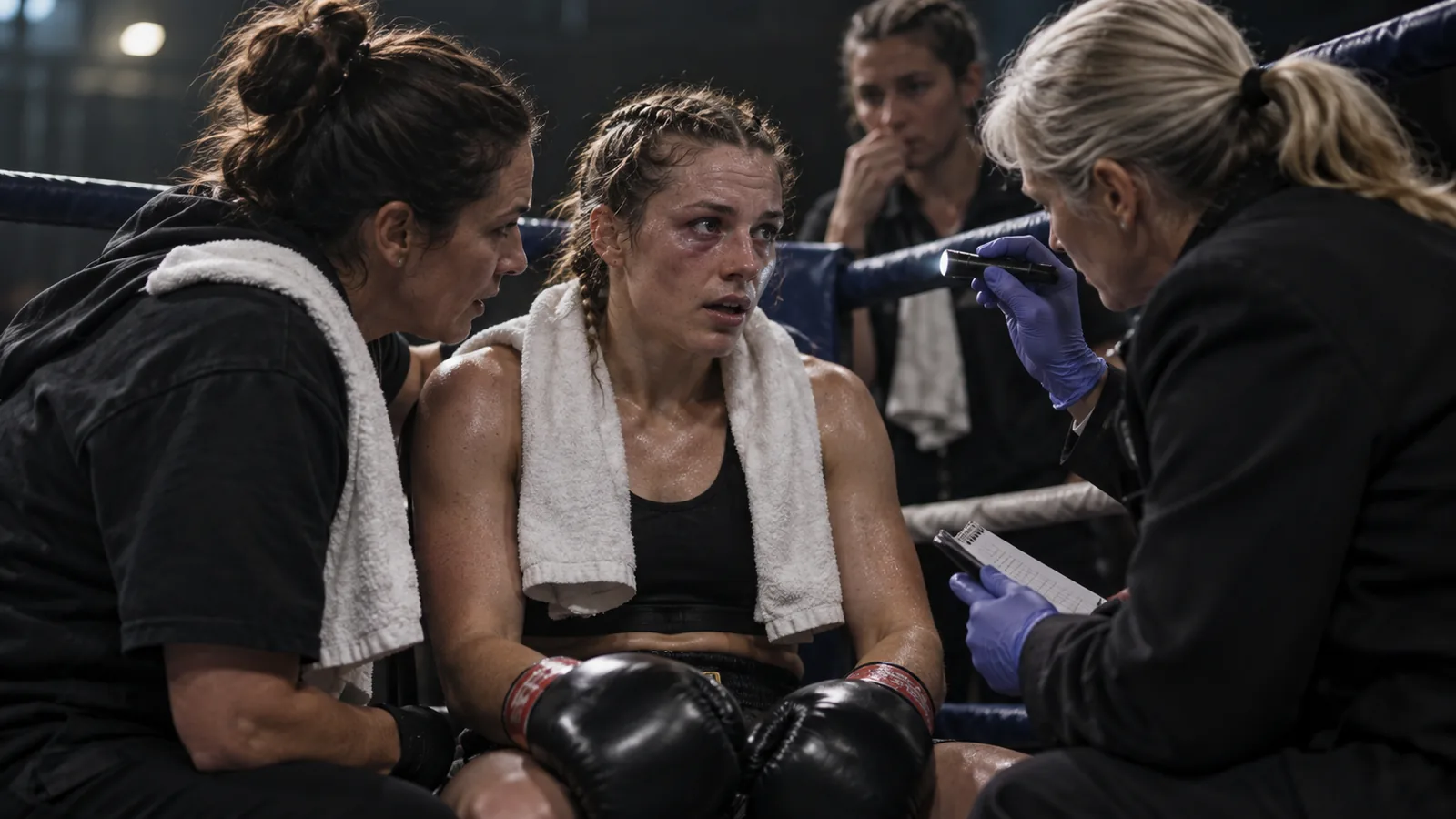
Hardy matters because she was not an anonymous opponent filling a slot on a card.
“The Heat” built a career the hard way. She came through the New York scene, became a WBC featherweight champion, crossed into MMA, and helped push women’s boxing into bigger rooms before the current boom made it fashionable to talk about investment in the women’s game. She fought when the purses were leaner, the coverage was thinner and the opportunities were far less generous.
That history should make everyone uncomfortable with any instinct to reduce this to business. Fighters are not stock. They are not interchangeable pieces in a promotional plan. The whole sport relies on their willingness to take physical risks that most people would never accept.
Hardy’s case concerns her 2023 fight with Serrano, a major attraction in women’s boxing and one of MVP’s flagship fighters. The bout was a clear mismatch in commercial terms: Serrano was moving towards the biggest events of her career, while Hardy was an experienced and respected name with a history against her. That does not make the fight improper. Boxing is full of rematches, difficult assignments and late-career chances.
It does mean that everybody around the event had a duty to take fitness, medical clearance and a fighter’s ability to give informed consent seriously.
That is the issue. Not whether boxing is dangerous. Everybody knows it is. The question is whether the people with power did enough when the danger became specific.
Consent Is Not a Blank Cheque
Boxing often hides behind a simple phrase: fighters know what they signed up for.
Of course they do. A professional boxer accepts that they can be cut, dropped, injured and beaten. They accept risks that recreational boxers, coaches and parents should understand without pretending otherwise.
But consent has limits.
A fighter can agree to box. That does not mean a promoter, manager, trainer, doctor or commission can ignore warning signs. It does not mean a boxer should be left to make a medical decision alone while balancing financial pressure, loyalty to a team, fear of losing an opportunity and the ingrained fighter’s instinct not to quit.
A good duty-of-care system recognises the reality of boxing culture. Fighters want to fight. They will say they are fine when they are not fine. They will minimise symptoms. They will worry that asking questions makes them look difficult or costs them work.
That is precisely why independent medical judgement matters.
The key word is independent. A doctor or medical officer cannot be treated as a rubber stamp for a show that needs to happen. A commission cannot simply assume that a signed contract resolves every welfare question. And a promoter cannot celebrate fighter welfare in press releases while leaving the difficult decisions to people who have less power and less money at stake.
What Promoters Owe Fighters
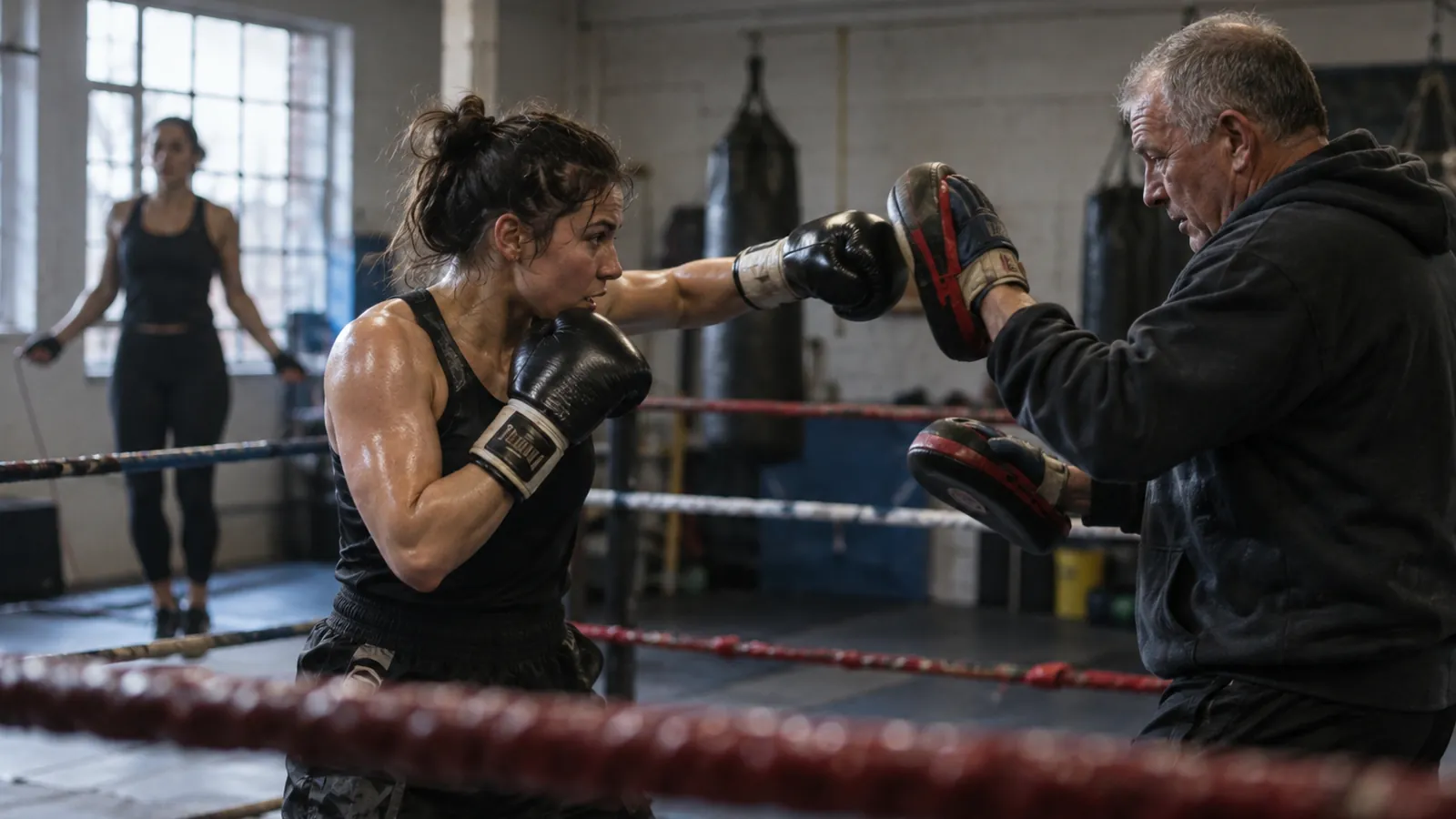
Promoters do not throw punches, but they create the conditions in which punches are thrown. Their responsibilities should be clearer than they often are.
First, a promoter should ensure that medical screening is meaningful, not merely administrative. Pre-fight checks need to be rigorous enough to identify risks that could make a contest unsafe. Where there is uncertainty, the answer should be delay, further assessment or cancellation. Not optimism.
Second, fighters need access to medical advice they can trust. That means advice without pressure from a trainer who needs the purse, a manager who needs the date, or a promotion that has sold tickets and booked a broadcast slot.
Third, post-fight care cannot end when the gloves come off. A boxer who has been hurt needs clear instructions, follow-up and a route to specialist assessment. Brain injuries are not always neat, immediate or obvious. Symptoms can emerge later. A fighter who has built their identity and income around competing may need help long after the cameras have moved on.
Finally, promoters must stop treating welfare as somebody else’s department. Commissions regulate. Teams prepare fighters. Doctors assess them. But promotions hold enormous influence over the pace, purse and pressure surrounding a bout.
If a promotion wants the credit for making big fights, it must accept a share of the responsibility when the risks are serious.
What Commissions and Teams Owe Fighters
State athletic commissions are the backstop. Their role is not to help a card run smoothly. Their role is to make sure the event meets a safety standard even when a late withdrawal would be inconvenient or expensive.
That means transparent medical procedures, competent ringside doctors, mandatory suspensions when appropriate, and proper records that follow a fighter across jurisdictions. Boxing is too fragmented. A fighter can move between promoters, countries and commissions while nobody has a complete view of their health history.
Teams have an even more personal obligation.
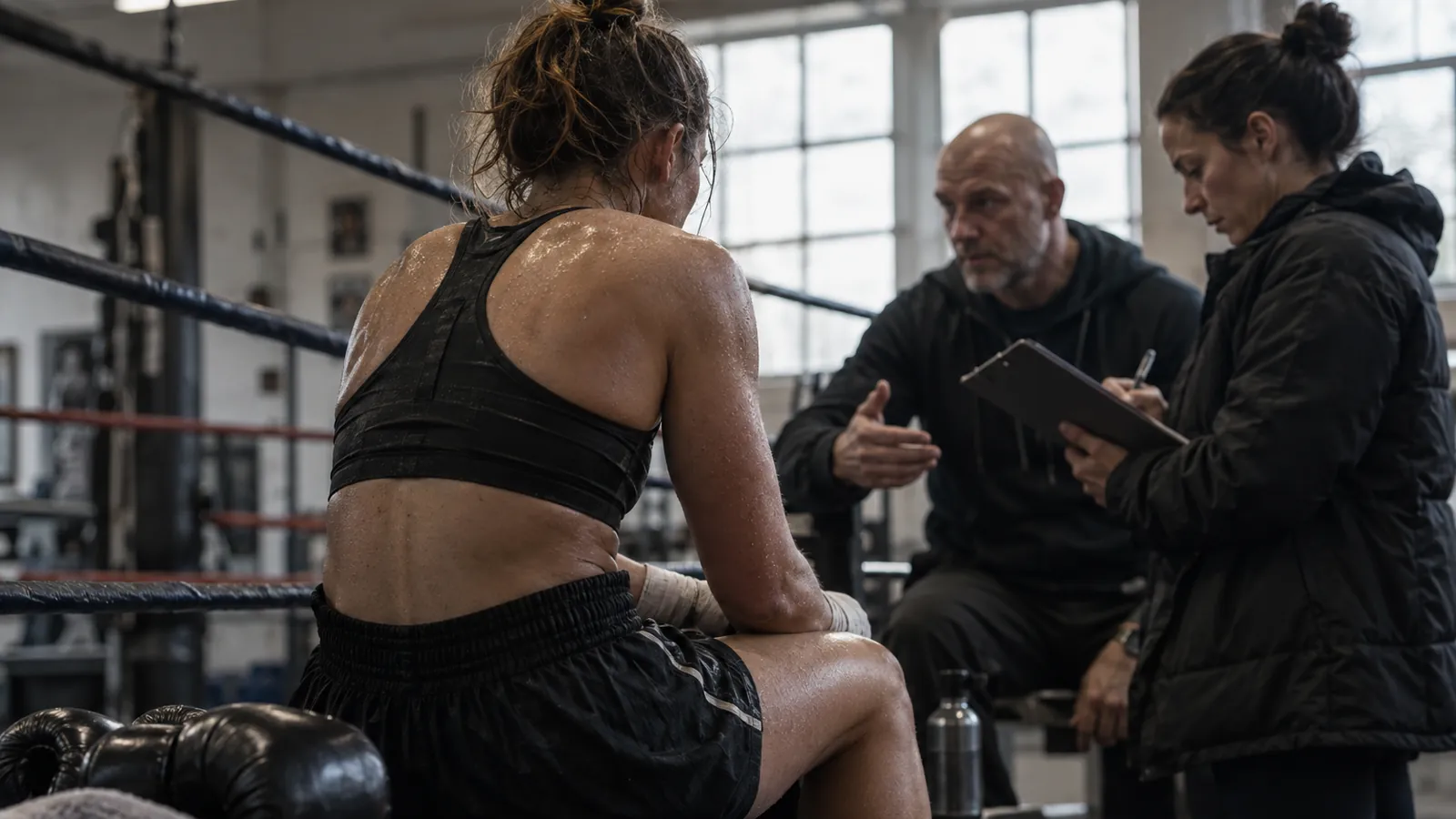
A trainer is supposed to protect a fighter, not just motivate them. A manager is supposed to secure opportunity, not chase it at any cost. The best corners understand that bravery is not the same thing as availability. Sometimes the most important instruction is not “go again”. It is “not this time”.
That lesson applies at every level of the sport. At amateur and grassroots level, nobody should be pushed into sparring or competition before they have the skill, fitness and composure for it. At professional level, the consequences of getting it wrong are simply bigger and more permanent.
Boxing Must Not Wait for a Verdict to Learn
The Hardy case may take time. It may reveal facts that support her allegations, facts that support MVP’s defence, or a more complicated picture than either side’s public statement suggests. ESPN’s report and Complex’s coverage are worth reading alongside the competing accounts.
A court will decide legal liability. Boxing should not wait for a court to decide basic standards.
The sport needs better independent medical safeguards, more reliable information-sharing between commissions, stronger aftercare and a culture where postponing a fight is not treated as a personal failure. There will always be danger in boxing. There does not have to be complacency.
At Honour & Glory, we teach boxing as a disciplined sport, not a test of how much damage someone can absorb. Good coaching means building people up carefully, teaching control, and knowing that health comes before ego or a diary date.
If you want to learn boxing in a structured, supportive environment in Kidbrooke, book a first session with Honour & Glory.
H&G Team
Writer at Honour & Glory Boxing Club, a community boxing gym in Kidbrooke, South East London.
KEEP READING
Skye Nicolson joins MVP: what the move means for women’s boxing
A focused look at Nicolson’s move to Most Valuable Promotions and the Matchroom alliance: whether it creates better routes to major fights rather than simply adding another promotional logo.
Boxing After Trauma: Safety, Choice and Support
Some women find boxing confidence-building, but it is not trauma treatment. Choose the pace, contact level and environment carefully.

Women's Boxing Classes - What to Expect
Thinking about women's boxing classes but not sure what happens? Here is exactly what to expect from your first session to your tenth.
Was this page helpful?
It takes one tap, and it genuinely helps.
Choose your next step
Turn this article into the right action
Some readers are ready to book. Some need the class route first. Pick the route that matches what you actually want.