Why this is a meaningful return
Martin, 19-1-1 with 13 knockouts, had already shown he belonged around the top of the lightweight class before he challenged Gervonta Davis in June 2024. He had stopped Romero Duno, beaten the then-unbeaten Michel Rivera over 12 rounds, and outboxed Artem Harutyunyan in a WBC eliminator.
The Davis defeat came in the eighth round, but it was not a performance that removed Martin from serious contention. He competed, had moments, and was beaten by one of the sport’s most dangerous finishers. The more important question was what came next.
At super-lightweight, Martin stopped former world champion Rances Barthelemy in four rounds last December, then drew with Nahir Albright over ten in February. The Albright result was not disastrous, but it put a brake on the momentum that a decisive win would have created. Since then, Martin has made an amicable split from Derrick James and linked up with Buddy McGirt, according to the full undercard announcement.
That is why this is a restart.
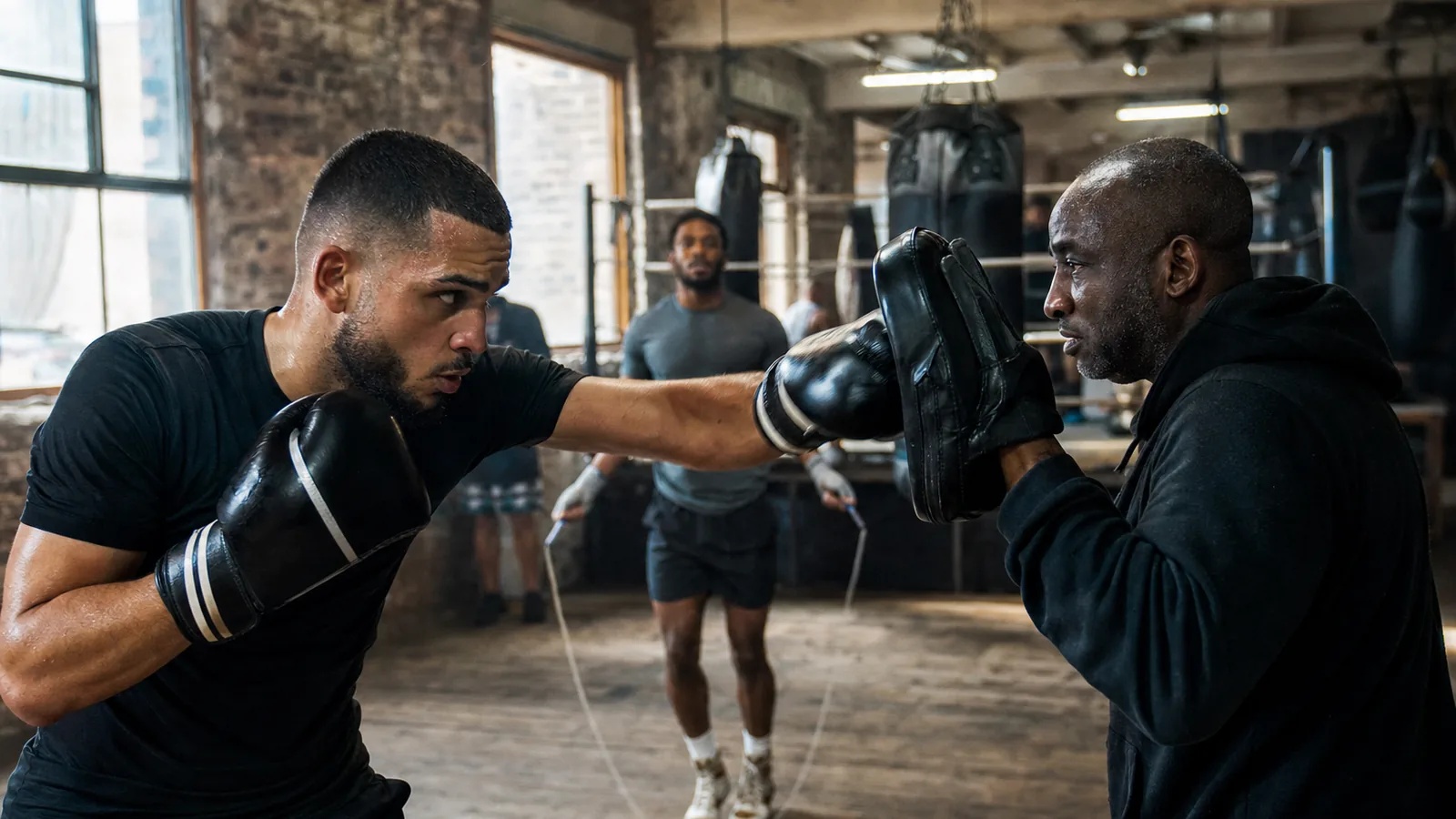
A new trainer is not a magic answer. It is a working relationship that needs time, sparring rounds and a real fight to test it. McGirt’s best work as a trainer has often been about decision-making: getting fighters to keep their balance, use their advantages and avoid turning a manageable fight into a firefight. For Martin, a sharp southpaw with good timing and quick feet, the emphasis should be on clarity rather than reinvention.
He does not need to become a different boxer. He needs to be a more settled one at 140lb.
The value of a measured comeback slot
There is nothing glamorous about a measured return, but it is often the correct choice.
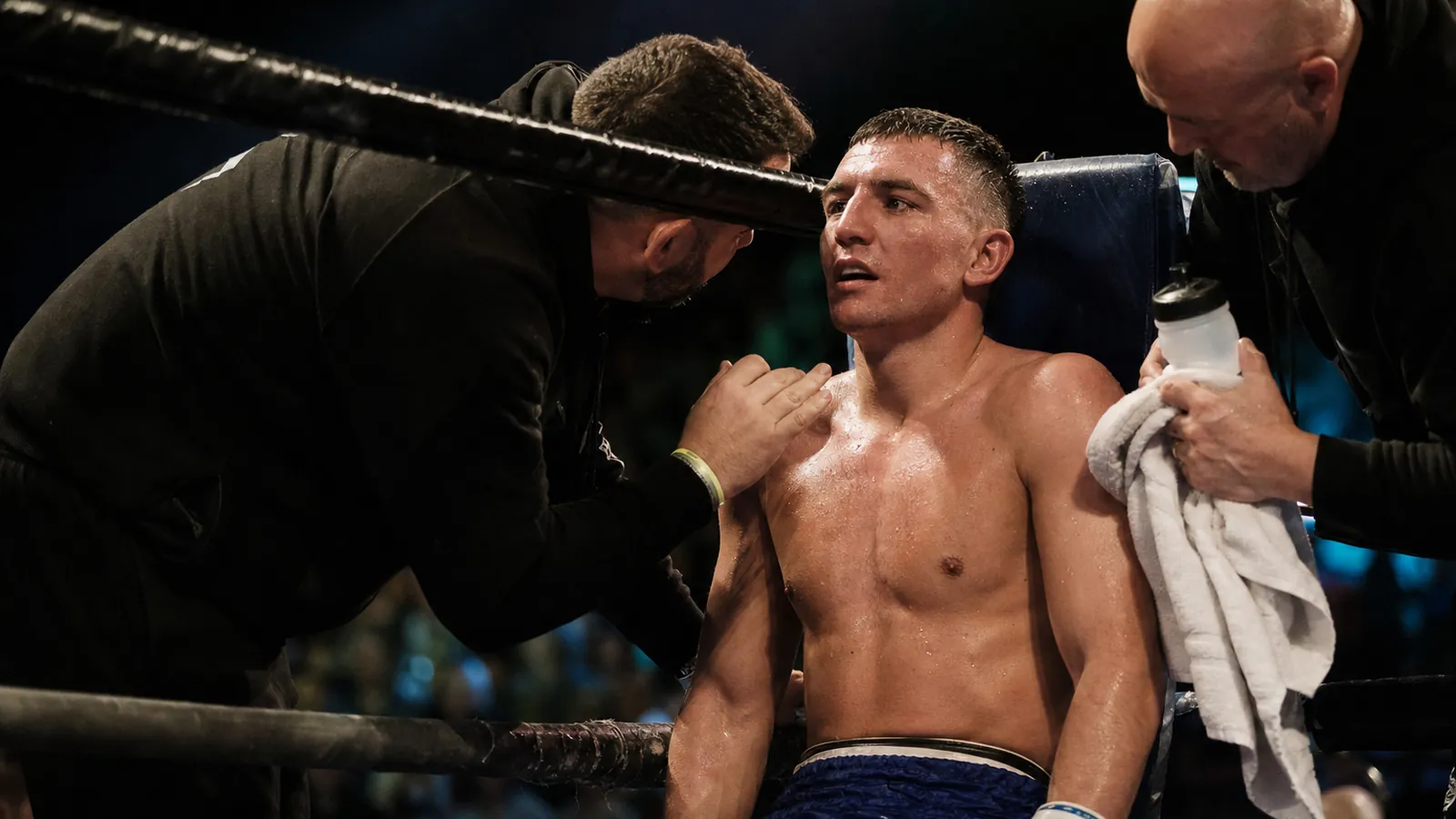
A fighter can look excellent in the gym after a lay-off. That does not answer the difficult questions. How quickly does he find range under lights? Does the timing arrive in the first round or the fourth? Does he stay patient after missing? Can he manage the pace of a ten-round fight when his opponent starts taking risks?
Those answers come only in the ring.
Zaina is not being presented as a world-level scalp, and nobody should pretend otherwise. He is, however, an experienced professional with 12 stoppages on his record and enough to gain from upsetting a better-known opponent. That makes him more useful than a hand-picked opponent who arrives only to survive. Martin needs resistance, different looks and enough jeopardy to force the new partnership with McGirt to show itself.
The ten-round distance is important too. A sharp four-round win can create a highlight. It cannot confirm that a fighter’s rhythm, conditioning and composure are back where they need to be. Martin’s route to another world title, which he has said he wants by 2027, starts with convincing rounds rather than bold declarations.
Top Rank has given him a platform without throwing him straight back into the deep end. That is not cautious matchmaking for its own sake. It is a sensible reset for a fighter who still has plenty to offer in a crowded 140lb division.
A major night at 130lb
The main event deserves the bigger billing. Navarrete and Foster meet at Frost Bank Center in San Antonio with three recognised world titles at stake, and it is one of the better fights boxing has made this year.
Navarrete brings a 40-2-1 record with 33 knockouts, plus the WBO and IBF belts. His style has always been difficult to reduce to a neat technical label. He throws from angles other fighters do not use, carries a high work rate, and is comfortable making a fight scruffy if that is what it takes to force openings. His February stoppage of Eduardo Nuñez to add the IBF title was one of his strongest recent performances.
Foster, 25-3 with 12 knockouts, is the WBC champion and comes in after strong wins over Stephen Fulton and Raymond Ford. He has the cleaner movement, the steadier jab and the better ability to make an aggressive opponent reset. The Sporting Tribune’s report from the announcement put it plainly: this is the biggest fight left to make at 130lb.
The clash is compelling because neither man can simply impose his preferred pace without consequence. Navarrete will want to make Foster work through exchanges and wear him down with volume, body shots and awkward pressure. Foster will want to make Navarrete reach, turn him after the jab, and score with the cleaner counters as the Mexican opens up.
My view is that Foster’s discipline gives him a genuine chance, but he cannot spend 12 rounds merely avoiding trouble. Navarrete is too busy and too comfortable in disorder for that. Foster needs to win exchanges with authority, especially in the middle rounds, and make Navarrete think before setting his feet.
Three belts do not automatically make a fight great. Styles do. This one has both.
An undercard with a purpose
Martin-Zaina is not the only bout worth watching before the main event. Undefeated featherweight Albert “Chop Chop” Gonzalez, 18-0 with 11 knockouts, meets former two-time world title challenger Edward Vazquez in a ten-round co-feature. Vazquez has shared a ring with Joe Cordina and Rafael Espinoza. He is a serious test for a rising fighter, not a decorative name on a record.
Steven Navarro also meets Emanuel Moreno in a ten-round bantamweight fight, with the vacant NABO title on the line. The card has enough meaningful fights to reward viewers who tune in early, rather than treating the undercard as background noise.
For UK viewers, the DAZN broadcast begins at midnight on Sunday morning. The fight-time listing correctly notes that this is the card start, not a confirmed ring-walk time for the main event. The DAZN UK schedule and Box.Live’s DAZN listings both carry the San Antonio show.

What Martin needs to show
A victory alone will not settle every question around Martin, but a good performance would restore direction.
He should look comfortable at the weight. He should use the jab to control distance rather than hunt for a dramatic finish too early. He should show the same quick feet and clean southpaw counters that made the Rivera and Harutyunyan wins so convincing. And if Zaina makes the fight awkward, Martin needs to solve the problem calmly.
That is what good coaches teach from the first session onwards: do not force the punch that is not there. Establish your position. Take the centre when it is available. Make your opponent pay for mistakes. Stay composed when the plan changes.
Those are lessons that matter whether you are a professional restarting at 140lb or someone learning the basics in Kidbrooke. If you want to build those habits in a properly coached environment, book a trial at Honour & Glory.
H&G Team
Writer at Honour & Glory Boxing Club, a community boxing gym in Kidbrooke, South East London.
KEEP READING
O'Shaquie Foster Debate: Navarrete, Ford and Shakur
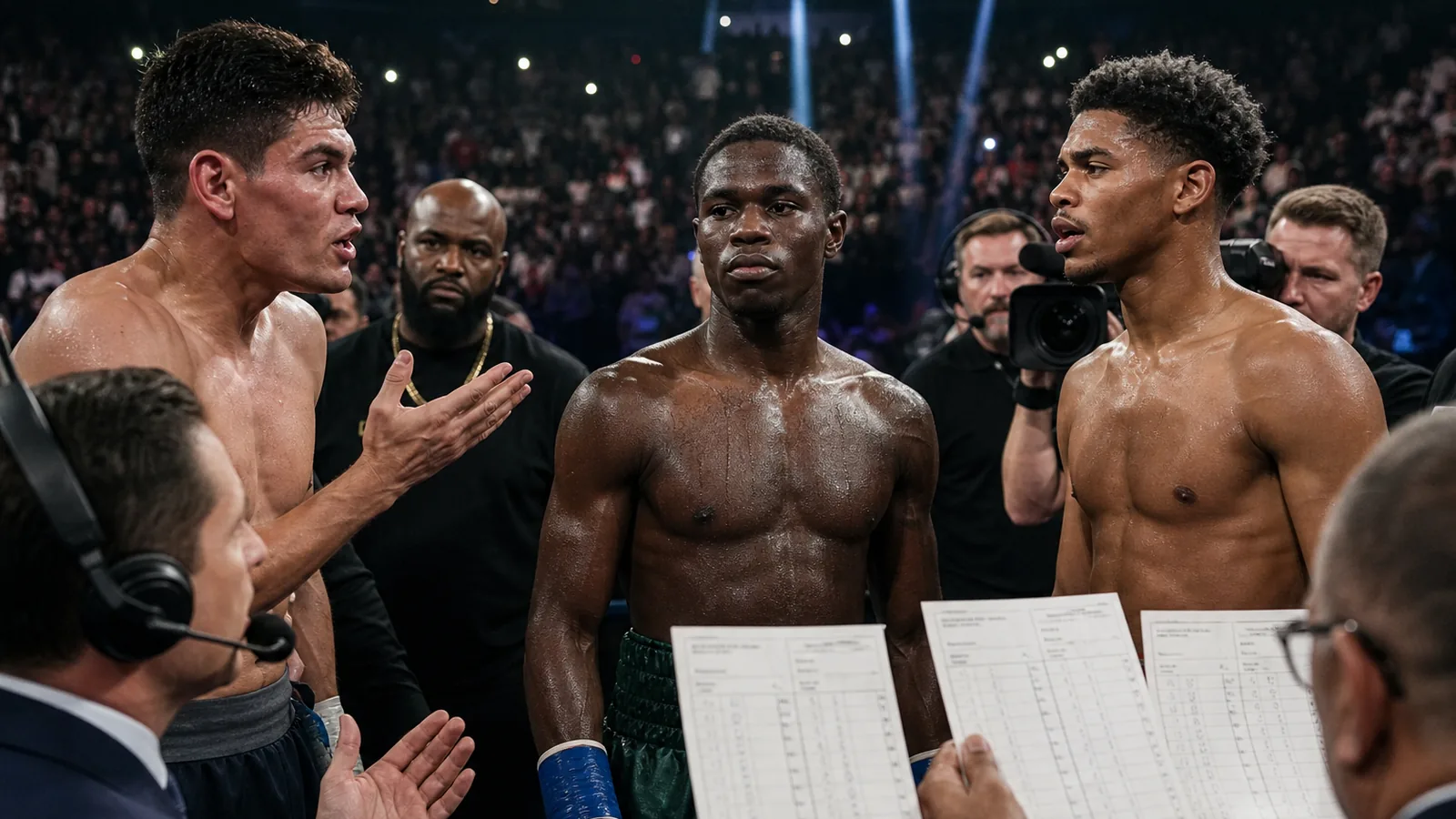
Turn the current online debate into a judging-and-styles explainer: why Foster divides opinion, why Max Kellerman favours Navarrete, and how old Shakur Stevenson comments are being used in current fan arguments.
Boots Ennis vs Josh Kelly: what Frank Smith’s update means
A focused look at whether the reported Ennis-Kelly update points to a meaningful UK opportunity for Josh Kelly, and what each fighter would need from the matchup.
Top Rank wins Haney vs Keyshawn Davis purse bid
What a purse-bid result changes before contracts, dates and broadcast plans are finalised - and why promotion rights can shape a major lightweight fight.
Was this page helpful?
It takes one tap, and it genuinely helps.
Choose your next step
Turn this article into the right action
Some readers are ready to book. Some need the class route first. Pick the route that matches what you actually want.