Abdullah Mason’s Tear: Why Leaning Forward Gets Punished
Abdullah Mason’s Tear: Why Leaning Forward Gets Punished
Abdullah Mason is a problem because he makes pressure look clean.
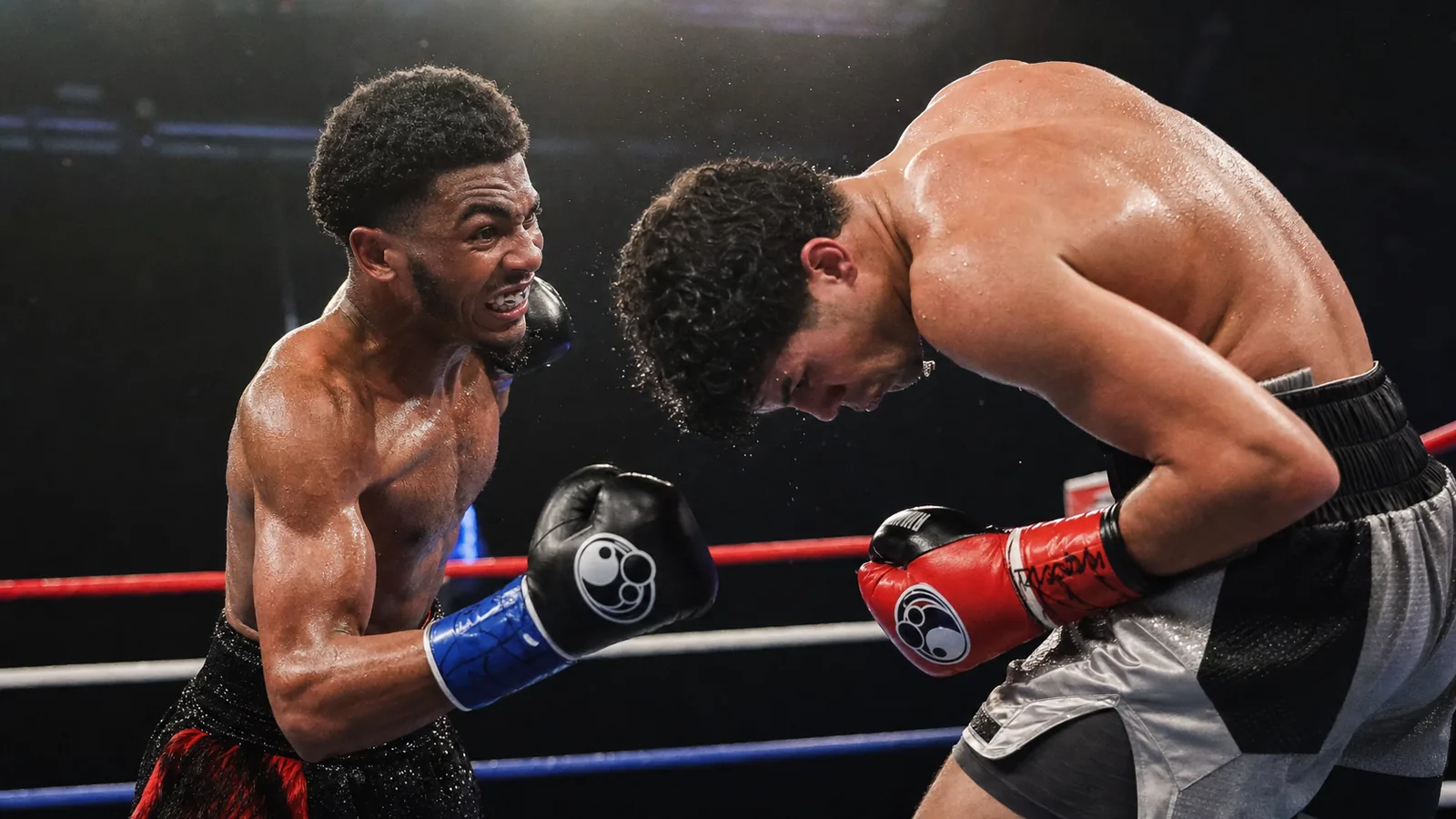
That is the part worth studying. Not just the stoppages, not just the hand speed, not just the fact that Top Rank now presents him as one of the sport’s sharpest young lightweights. The real lesson in the latest Top Rank clip is how quickly a good aggressive fighter can punish another boxer when the head gets ahead of the feet.
Mason’s run has been loud enough to create the usual prospect noise, but the footage is useful because it shows something quieter: posture. In boxing, posture is not about looking pretty. It is about whether your body is still able to punch, defend and recover after the first action. If your head drifts forward past your lead knee, you are borrowing range you do not really own. Against ordinary opposition, you may get away with it. Against someone like Mason, you pay interest immediately.
The Top Rank fighter profile for Abdullah Mason lists him as a 5ft 9in southpaw with a 74in reach, from Cleveland, Ohio. That reach matters, but it is not the whole story. Long arms only become dangerous when the feet and eyes put them in the right place. Mason is effective because he can stand close enough to threaten, far enough to read, then punch when the other boxer is still falling into position.
That is why leaning forward is such a dangerous habit. It feels aggressive. It looks committed. It gives a beginner the impression that they are closing distance. In reality, it often means the feet have stopped doing their job and the head has volunteered to go first.
The trap: reaching with the head instead of stepping with the feet
Every coach has seen it.
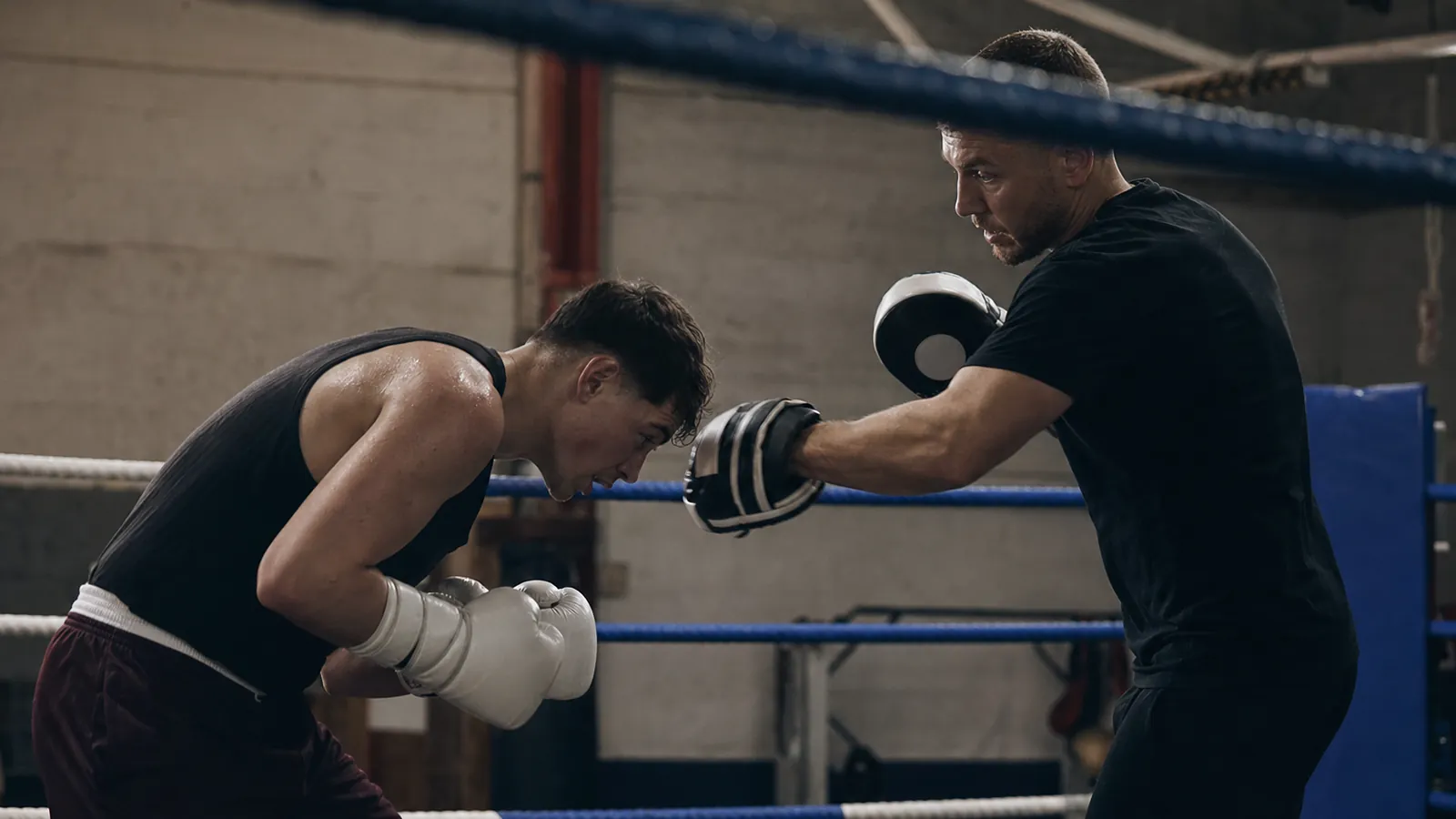
A boxer wants to land the jab or get close for a combination. Instead of stepping cleanly, they tilt forward from the waist. The front shoulder reaches. The chin creeps over the lead foot. The rear heel gets light. The back hand drifts away from the cheek because the whole body is now reaching for the target.
For one second, it feels like pressure.
Then the counter arrives.
The mistake is simple: the head has travelled without the base. Once the head is past the feet, the boxer cannot pull back sharply, cannot rotate cleanly, cannot defend the second shot and cannot punch with proper weight. They may still be moving forward, but they are no longer in control of the forward movement.
Mason’s best work punishes exactly that kind of overreach. He does not need a huge wind-up. He just needs the opponent to give him a target that is already travelling towards the punch. That is why his shots can look so sudden. The other boxer supplies half the collision.
There is a useful distinction here for anyone training in boxing classes in South East London: pressure is not the same as falling in. Good pressure keeps the stance underneath the punch. Bad pressure sends the face first and hopes the feet catch up later.
Why Mason’s southpaw stance makes the lesson sharper
Southpaws often expose posture mistakes because the lead-foot battle changes the angle of danger.
When an orthodox boxer leans in against a sharp southpaw, the head can drift towards the southpaw rear hand or into the path of the lead hook and uppercut. Mason, as a southpaw, is especially good at making that drift expensive. The opponent thinks they are stepping into range. Mason sees a head crossing the line, a shoulder turning too early, or a rear hand no longer home.
That is a counterpuncher’s invitation.
The wider context matters too. Mason is no longer just a prospect being moved quietly. Box.Live lists him as an undefeated lightweight with a high knockout ratio, while the Roundtable report on Top Rank confirming his opponent switch frames him as a WBO lightweight champion preparing for a Cleveland homecoming against Albert Bell after Joe Cordina withdrew. The bigger the fights get, the less he can rely on raw talent alone. The interesting thing is that his success already depends on repeatable boxing habits: balance, timing and punishing poor entries.
That is the difference between a highlight punch and a technical pattern.
The head past the feet problem
Here is the blunt rule: if your head goes past your front foot, you are easier to hit and harder to correct.
You lose the ability to make small defensive adjustments. A good slip becomes a desperate bend. A jab becomes a push. A cross becomes an arm punch because the hips cannot turn from a collapsed stance. The front leg gets overloaded, the rear leg becomes a passenger and the boxer cannot exit without standing up first.
That standing-up moment is where sharp fighters take you apart.
Mason’s clip is a reminder that elite young fighters are not waiting for perfect openings. They are reading tiny collapses. A chin reaching. A shoulder squared. A weight shift that has gone too far. A hand returning late because the boxer is pleased with the punch they just threw.
At lower levels, people get caught while admiring their work. At higher levels, they get caught before the work has even landed.
Aggression has to be built on posture
There is a bad version of aggression that coaches have to strip out early. It is the boxer who believes forward movement equals pressure. They march in, throw hard, lean over the front knee and call it commitment.
The better version is colder.
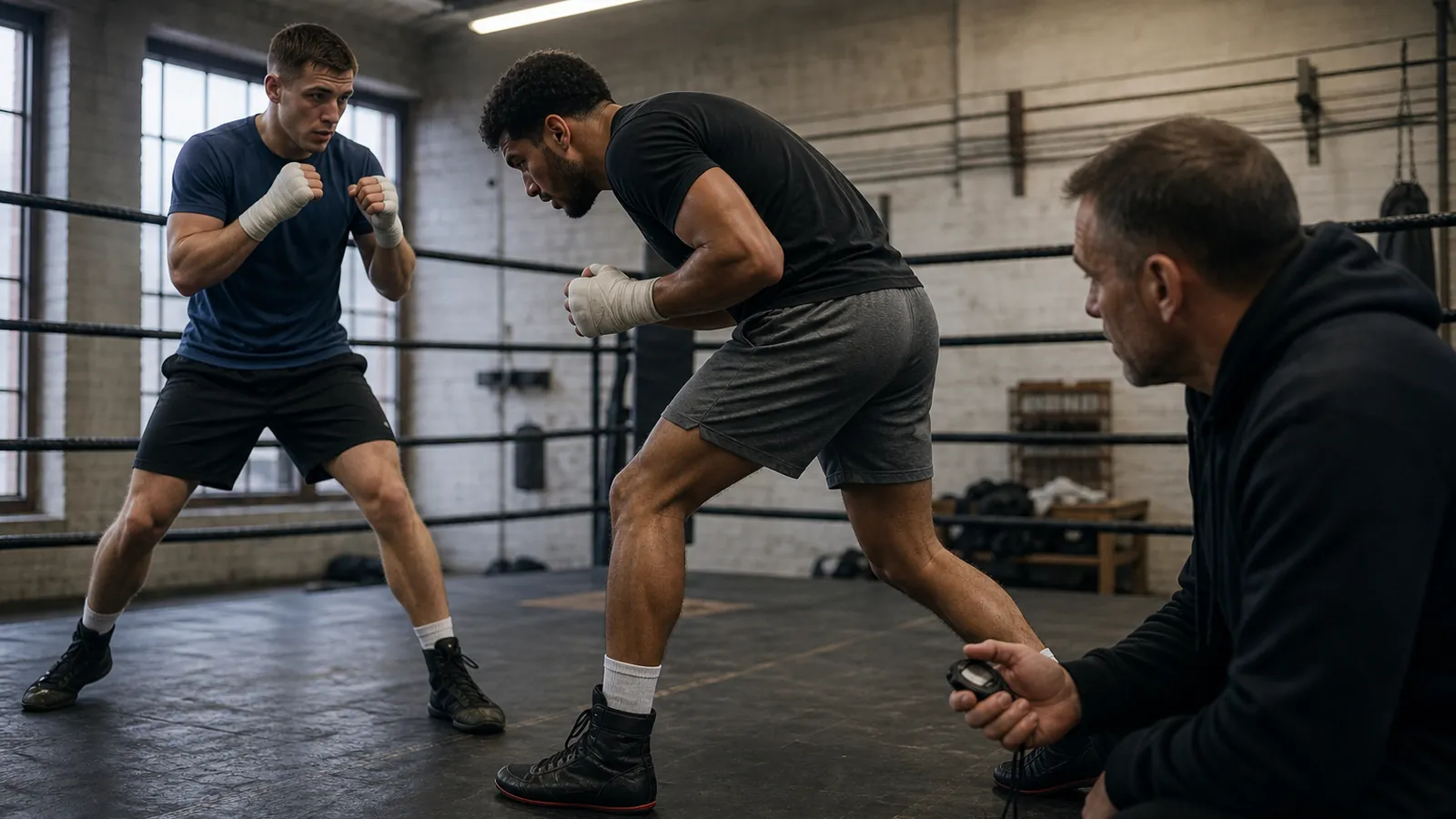
A good aggressive fighter takes ground with the feet, not the face. They step to a position where the punch can land without the body falling after it. They keep the rear hand in place while the lead hand works. They bend the knees without folding the spine. They can stop, punch, defend, punch again, or leave.
Mason’s rise has been built around this difference. The Wikipedia entry on Abdullah Mason gives the outline of the young lightweight’s career, but video explains the sharper truth: he is dangerous because he makes opponents feel they must act, then punishes the shape of that action. If they rush, he times them. If they reach, he meets them. If they overcorrect, he follows.
That is why his fights are so useful for coaching. You can admire the talent, then bring the lesson straight back to the gym.
The mistake after the first punch
Leaning forward is not only a problem on the way in. It often happens after a boxer has already thrown.
A jab lands or half lands. The boxer wants more. Instead of resetting the feet, they lean again for the second punch. Now the combination gets longer, the chin rises and the recovery gets worse. The first punch may have been fine. The second punch creates the opening. The third punch, if they try it, is usually thrown from a body that has already lost its base.
That is where fighters like Mason feast.
This is also why knockout clips can be misleading if you only watch the final shot. The punch that hurts the boxer is often created two movements earlier. A poor entry. A lazy return. A front-foot overload. A head that stays in the centre for one beat too long. By the time the highlight punch lands, the mistake has already happened.
The Facebook highlights of Mason against Sam Noakes show a higher-level version of the same issue: when two unbeaten fighters meet, balance under fire becomes more important than looking dominant in single bursts. You cannot bluff posture for twelve rounds. Eventually, the feet tell the truth.
What young boxers should copy, and what they should not
Do not copy Mason by trying to throw every counter at full speed.
Copy the patience before the counter.
Copy the way he waits for the opponent’s shape to break. Copy the idea that a boxer leaning forward has already given you information. Copy the discipline of staying balanced enough to punch after the punch.
For juniors and adults at Honour & Glory in Kidbrooke, we would break the lesson down like this:
Keep the head between the feet
You can move your head. You can slip, roll, lay back and change levels. But your head should not keep travelling past the base unless you are deliberately exiting or smothering. If you are punching, your body still needs to be able to recover.
Step before you reach
If the target is too far away, move the foot. Do not solve the distance problem by stretching the upper body. A stretched punch is harder to bring back and easier to counter.
Finish combinations in stance
After two or three punches, freeze for a split second and check your shape. Are both feet still useful? Is the rear hand home? Is the chin tucked? Could you defend a counter right now? If the answer is no, the combination was too expensive.
Make pressure patient
Pressure is not panic in a straight line. Pressure is making the other boxer work while you stay organised. Mason’s opponents often look rushed because he is calm enough to let them make the first balance mistake.
The bigger fight context
Mason’s profile is only getting bigger. The original ticket coverage for Mason vs Joe Cordina showed how Top Rank had positioned his Cleveland date before the opponent switch, and the ESPN boxing schedule is a reminder of how crowded the elite calendar becomes once a fighter is part of the title conversation. Reports later had him officially set to face Albert Bell on July 4, while other listings such as Champinon’s Mason record page and American Arenas ticket listings track the public interest around his next appearance.
But the coaching lesson does not depend on hype.
Whether Mason becomes a long-reigning champion or hits tougher problems at the top of the division, the clip still teaches a real boxing truth: aggression without balance is not pressure. It is an opening.
The tear looks spectacular because Mason is quick, sharp and heavy-handed. The reason it keeps working is more basic. He punishes boxers who lean into range before their feet have earned it.
That is the lesson for the gym. Do not send your head first. Take your stance with you. Then punch.
H&G Team
Writer at Honour & Glory Boxing Club, a community boxing gym in Kidbrooke, South East London.
KEEP READING
Follow a Retreating Boxer Without Reaching
Learn how to take ground against a boxer who steps back without crossing your feet, leaning for punches or walking into a counter.
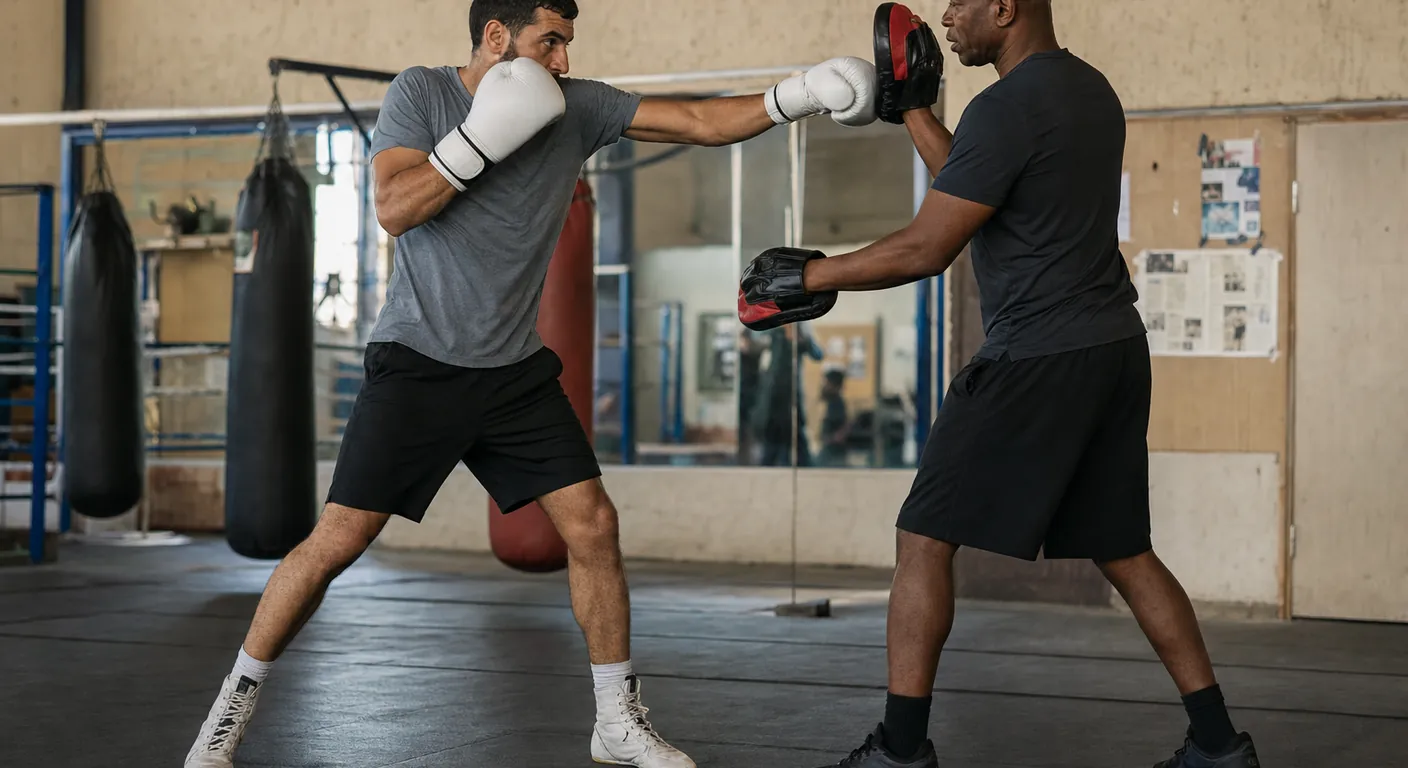
Shift Counter in Boxing: Punch as You Move
Learn the shift counter: a simple way to step off pressure and punch while you change angle, instead of backing up in panic.
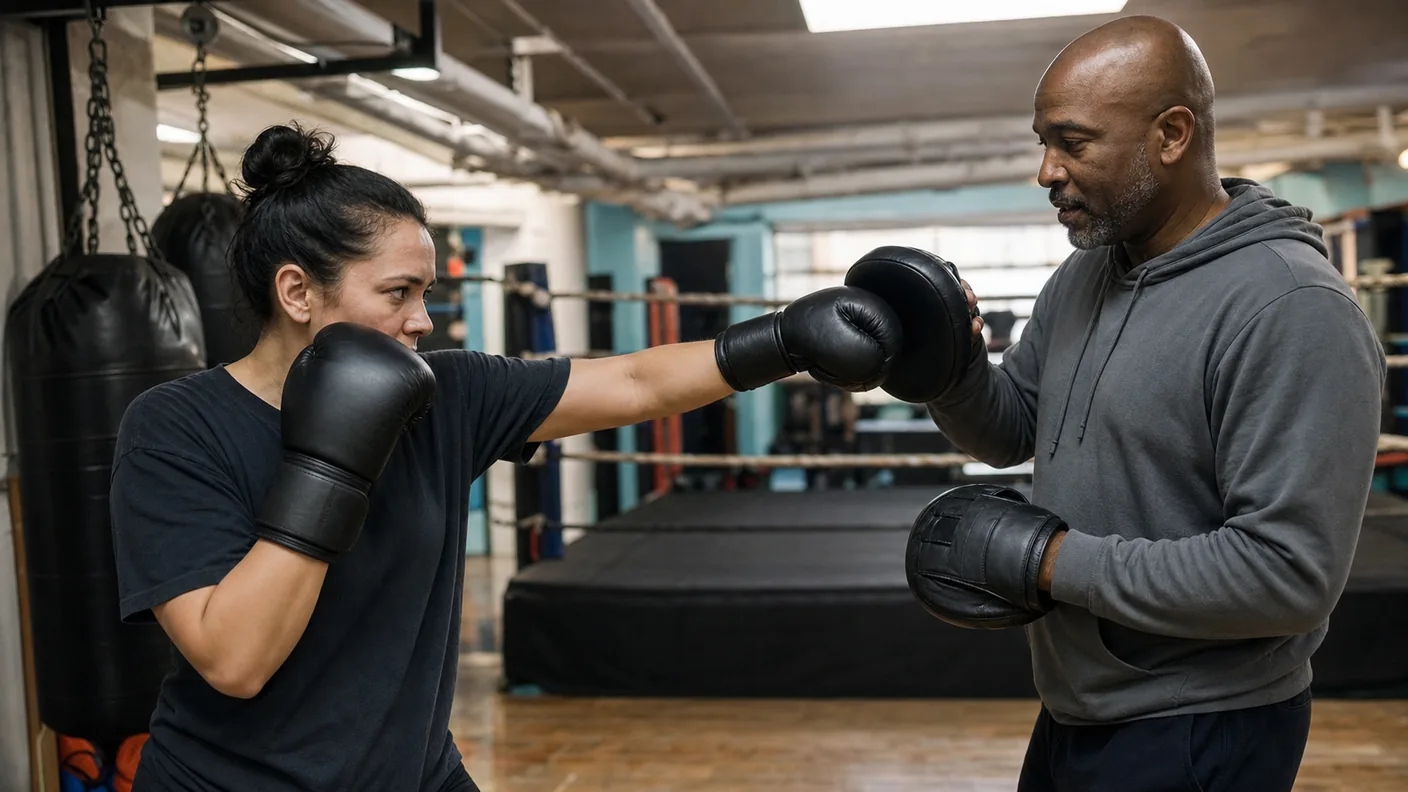
Why You Fall Forward When You Punch
Falling forward after a punch is a common boxing mistake. Learn why it happens and how to keep your balance, guard and next move.
Was this page helpful?
It takes one tap, and it genuinely helps.
Choose your next step
Turn this article into the right action
Some readers are ready to book. Some need the class route first. Pick the route that matches what you actually want.