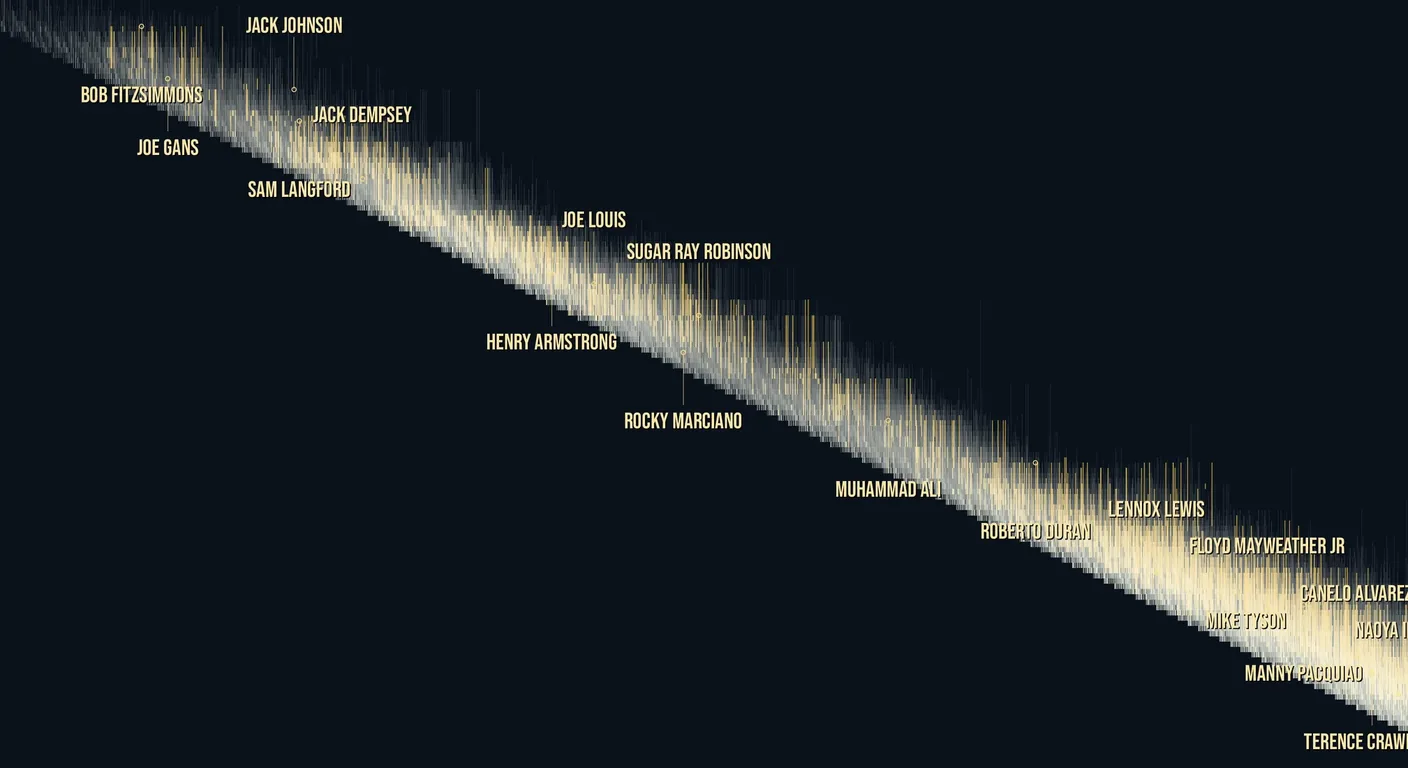
Every argument about the greatest boxer of all time is secretly an argument about definitions. One person means peak ability. Another means longevity. A third means fame, and a fourth means what a fighter gave to the sport. The argument never ends because nobody agrees on what is being measured.
Our all-time top 1,000 publishes its definition. You can disagree with it. The point of this article is that you should never have to guess what it is.
Greatness, in one sentence
For this list, greatness means something narrow on purpose: the strength of the professional career a boxer has actually put on the record.
Not who looked best on film. Not who would have won imaginary fights. Not who you grew up loving. The career as the record book shows it: the results, the opponents, the titles, and the years at the top.
The reason is simple. If a fighter was truly great, and had the opportunities to show it, that greatness should appear again and again over time. Like strength at chess, it should show up across many results, not in one brilliant move, one amazing night, or one highlight-reel finish. Chess settled on rating systems for exactly this reason, and a century of boxing records can be read the same way.
One honest detail before anything else: active fighters are scored on the career they have built so far. A current champion can sit high on the list while the career is still being written, and the list says so rather than pretending every career is finished.
What counts as evidence
The index reads 459,906 professional fights between roughly 49,000 boxers, from 1882 to May 2026.
Only adjudicated results count: a win, a loss, or a draw. Exhibitions, no contests, walkovers and newspaper verdicts are stripped out before anything is scored. That last exclusion is a real choice with a real cost. Fighters from the no-decision era, most famously Harry Greb, did much of their best work in bouts that ended as press opinions rather than official results. The index pays that price openly instead of scoring opinions as wins.
How the score is built
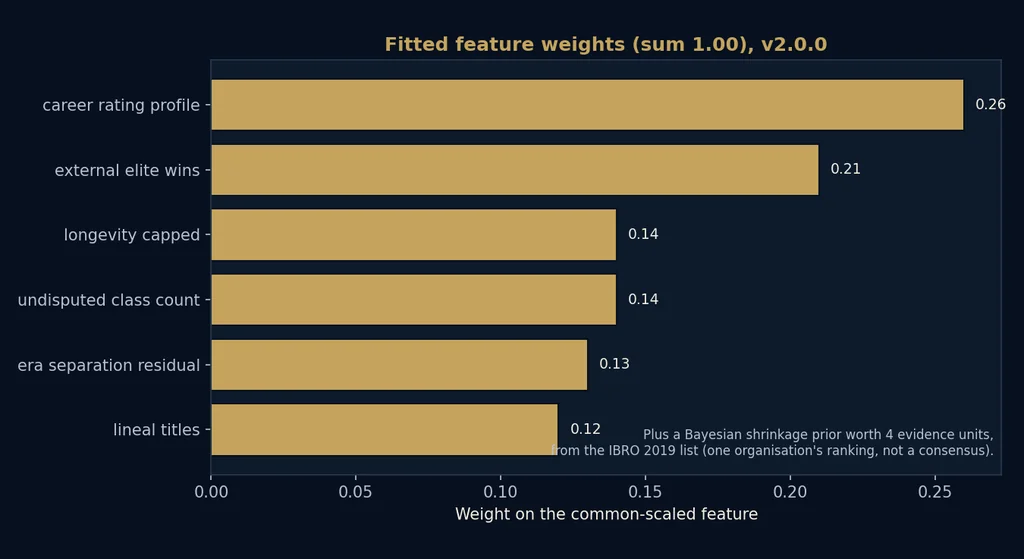
Roughly, the score breaks down like this:
- 26%: how strong the actual win, loss and draw record was over a sustained period
- 21%: the quality of the serious opponents actually beaten
- 14%: how many major weight classes the fighter truly controlled
- 14%: how long they stayed near the top
- 13%: how clearly they stood above the other fighters of their own era
- 12%: major and lineal world title evidence
The biggest slice comes from a rating method called Whole-History Rating, which reads a fighter's entire results curve at once instead of updating a single number fight by fight. The rest is the resume: who you beat, what you held, how long you lasted, and how far you stood clear of your own generation.
So the model is mostly asking five questions. How strong was your record? How good were your best wins? How long did you stay elite? How dominant were you in your own time? And what real titles did you actually hold?
There is one small outside input, and we publish it rather than hide it. Thinly documented early careers get a gentle steadying nudge from one published historians' list, worth about four fights of evidence. Modern fighters get none of it; their records speak for themselves. The full detail, including every weight and constant, is in the plain-English explainer.
What it is not ranking
- Who looked best on film.
- Who was most naturally talented.
- Who would win fantasy matchups.
- Who was most famous.
- Who had the prettiest unbeaten record. The unbeaten label itself carries a weight of exactly zero, because a padded 50-0 earns nothing those fifty opponents did not already earn.
- Who scored the most spectacular knockouts.
- Who deserved more than history allowed.
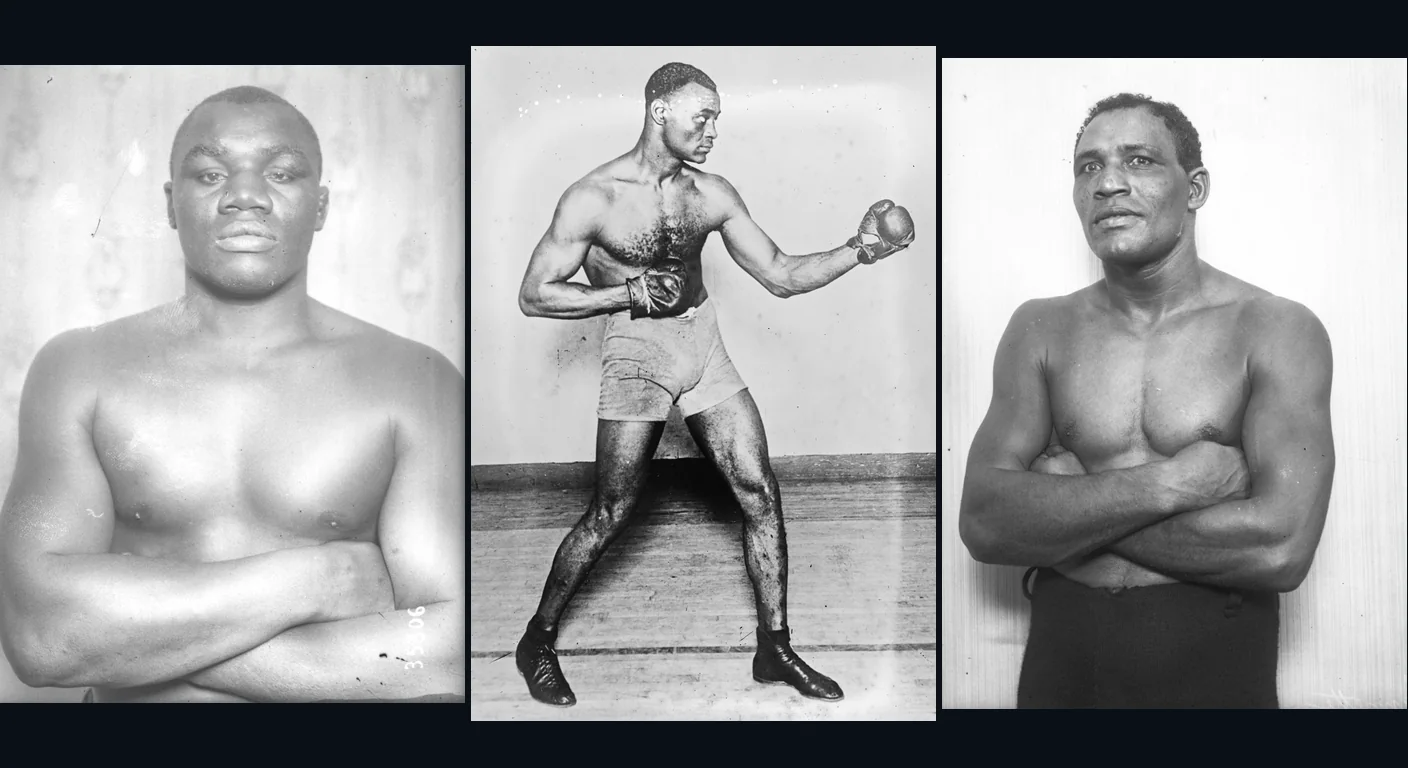
The last one matters most, so it gets its own paragraph. Fighters who were barred from world title shots by the colour line are rated on what they actually did: their results, their opposition and their dominance all count in full. What the index will not do is invent points for the title fights they were never allowed to have. Their profiles tell that history in plain words instead, and the methodology says openly that the documented record understates men like Sam Langford. A number made up to repair an injustice would still be a number made up.
Those things may matter to other definitions of greatness. They are simply not what this exercise measures.
How a 1910 fighter meets a 2010 fighter
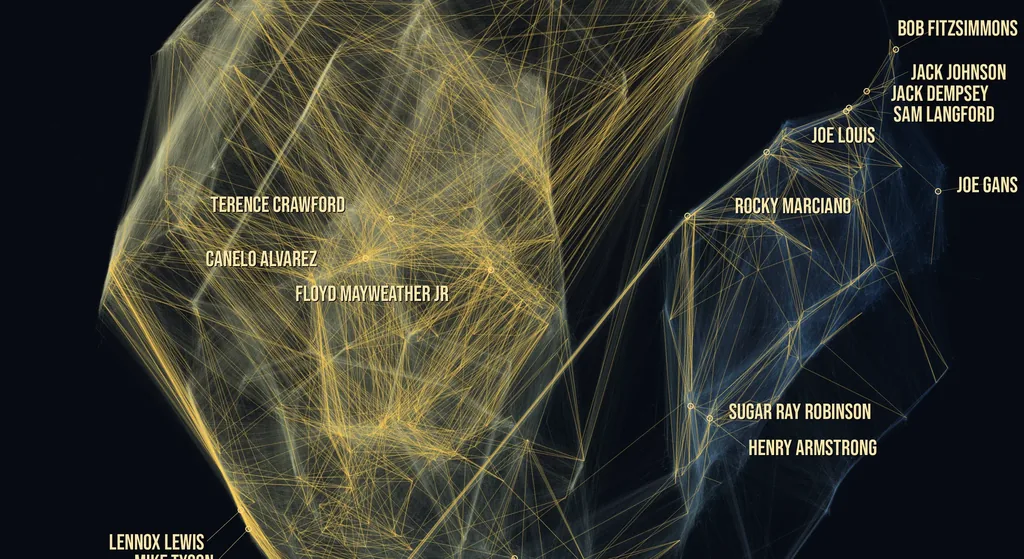
The records themselves join up. Fighter A beat fighter B, who beat fighter C, and those chains run on through the decades, so 140 years of boxing sits on one connected web of results. Dominance is always measured against a fighter's own era, never against people they could not have met. And the index refuses to add a dial that marks whole eras up or down on opinion. Where early records are thin, the list says so with a visible confidence label and rates the career conservatively instead of guessing.
One more thing the list will not do is move quietly. The published ranking is frozen between named releases. When something changes, it changes in a numbered version with notes, never as a silent edit. If two people are arguing about the list, they are at least arguing about the same list.
Peak greatness and career greatness are different questions
The highest single peak rating in the field belongs to Floyd Mayweather. The number one spot on the index belongs to Naoya Inoue. Both statements are true at once, because a peak rating and a career index answer different questions, and we publish both numbers separately on every fighter page. The case for the top spot is its own article.
If you disagree
Good. Disagreeing is the point of all-time lists.
But there is a right way to do it. If you think the weights are wrong, the GOATometer lets you set your own and build your own ranking from the same data. If you think the definition itself is wrong, every constant in it is published on the methodology page, so you can point at the exact line you would change. And if you find an error of fact, the corrections page exists to take it.
What we wanted to remove is the lazy version of the argument. After reading this, the disagreement should be "I would define greatness differently", never "the list is just vibes".
The same plain dealing runs through the club itself. No joining fees, no contracts, prices on the wall. If you would rather hit a bag than argue about Ali, our adult recreational classes run three evenings a week, and your first session is free.
H&G Team
Writer at Honour & Glory Boxing Club, a community boxing gym in Kidbrooke, South East London.
KEEP READING
The Colour Line: The Champions Boxing Turned Away
For half a century the best Black boxers were barred from world title shots. This is what the colour line was, who it stopped, and how those men stand in our all-time rankings.

The Greatest Boxing Knockouts in History
The greatest knockouts in boxing history were not lucky punches. Each one was the result of specific technical and tactical conditions. Here is what made them happen.

The Greatest Upsets in British Boxing History
British boxing has produced some of the most dramatic upsets in the sport's history. Each one tells a story about preparation, complacency, and what happens when everyone is wrong.
Was this page helpful?
It takes one tap, and it genuinely helps.
Choose your next step
Turn this article into the right action
Some readers are ready to book. Some need the class route first. Pick the route that matches what you actually want.