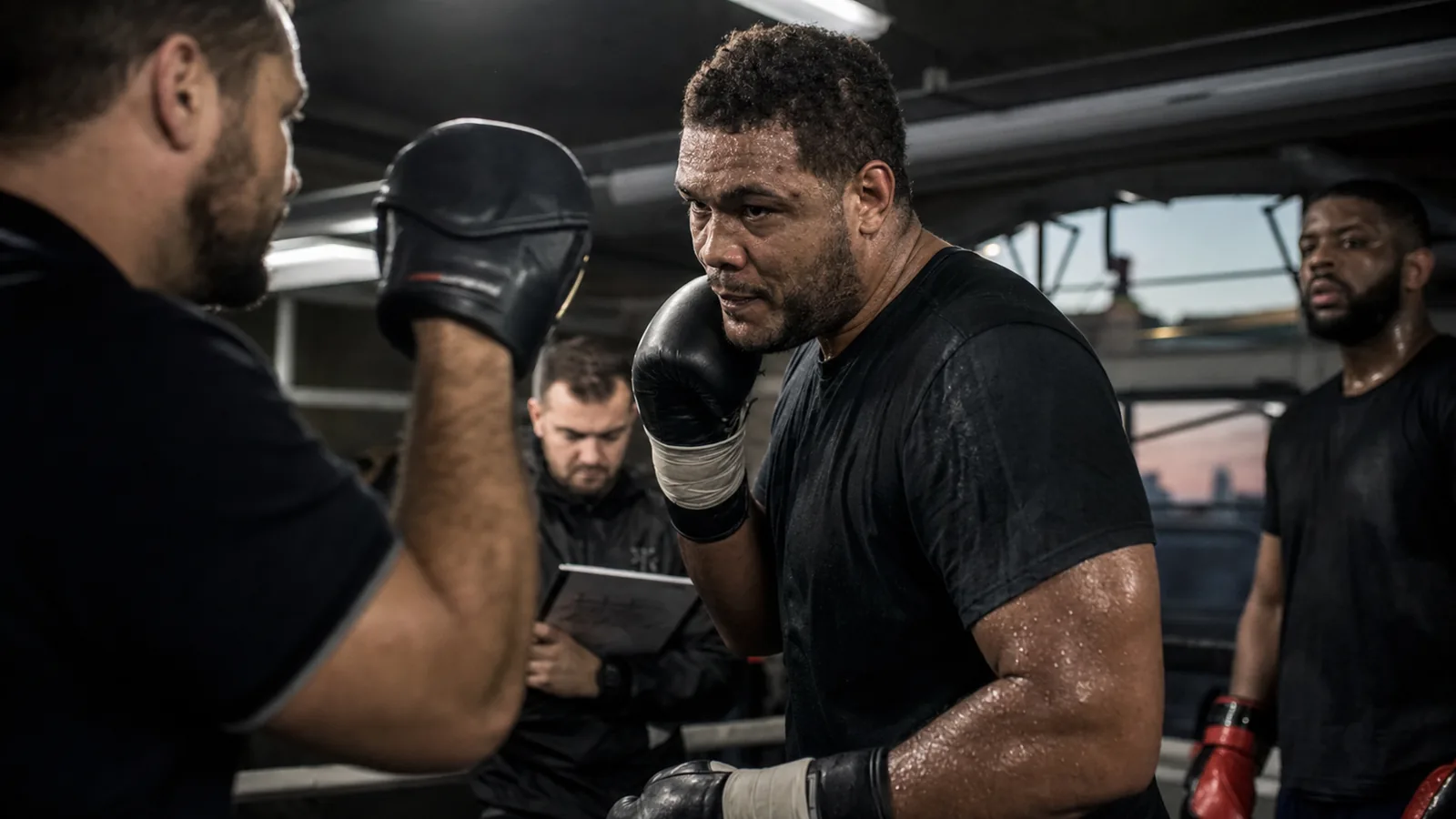
Joyce vs Gassiev: What Changes After Yoka’s Injury?
Joe Joyce did not spend this camp preparing for Murat Gassiev. That is the whole point.
The reported switch, with Tony Yoka out injured and Joyce in line to move from the undercard into the main event, is not just another piece of heavyweight admin. It is a proper boxing problem. One man pulls out with a back injury, another man gets offered a bigger fight at short notice, and suddenly both corners have to decide what still matters from camp and what needs to be thrown out.
According to The Ring’s Declan Taylor, Yoka withdrew from his July 11 fight with Murat Gassiev after injuring his back in training camp. Joyce, already scheduled to box unbeaten Artem Suslenkov on the same Moscow card, has been reported as the most likely replacement. MiddleEasy also reported that Joyce could be moved into the IBA Pro 19 main event at VTB Arena, while Boxing247 described him as the leading replacement.
If confirmed, it would be a strange, risky and very heavyweight kind of opportunity.
Joyce is 40, has lost four of his last five, and has not boxed since the Filip Hrgovic defeat. Gassiev is younger, heavy-handed, and close to being framed as a full WBA heavyweight champion after Oleksandr Usyk vacated. On paper, that sounds like a late lifeline for Joyce and an awkward disruption for Gassiev. In the gym, it is more complicated.
A late replacement does not mean a small change
From the outside, the temptation is to say: “It is still a heavyweight fight. Just fight.”
That is not how preparation works.
A camp is built around the habits of a particular opponent. Their stance, rhythm, preferred range, punch selection, feet, clinch habits, reactions under pressure, and temperament all shape the work. Sparring partners get picked to imitate those patterns. Rounds are planned around likely phases of the fight. Even the warm-up on fight night is built around what the boxer expects to feel in the first round.
Yoka and Joyce are not interchangeable names.
Yoka is a tall, Olympic-schooled French heavyweight. He is a boxer before he is a destroyer. His best work is meant to come from shape, distance and sequencing. Joyce is a completely different proposition. He is slower, heavier in rhythm, harder to discourage, and more willing to make a fight ugly through attrition. Even now, after the Zhang, Chisora and Hrgovic defeats, Joyce still asks an opponent an uncomfortable question: can you keep working when a large man keeps stepping back into range?
That is why Gassiev’s team cannot simply keep the Yoka plan and change the name on the bout sheet.
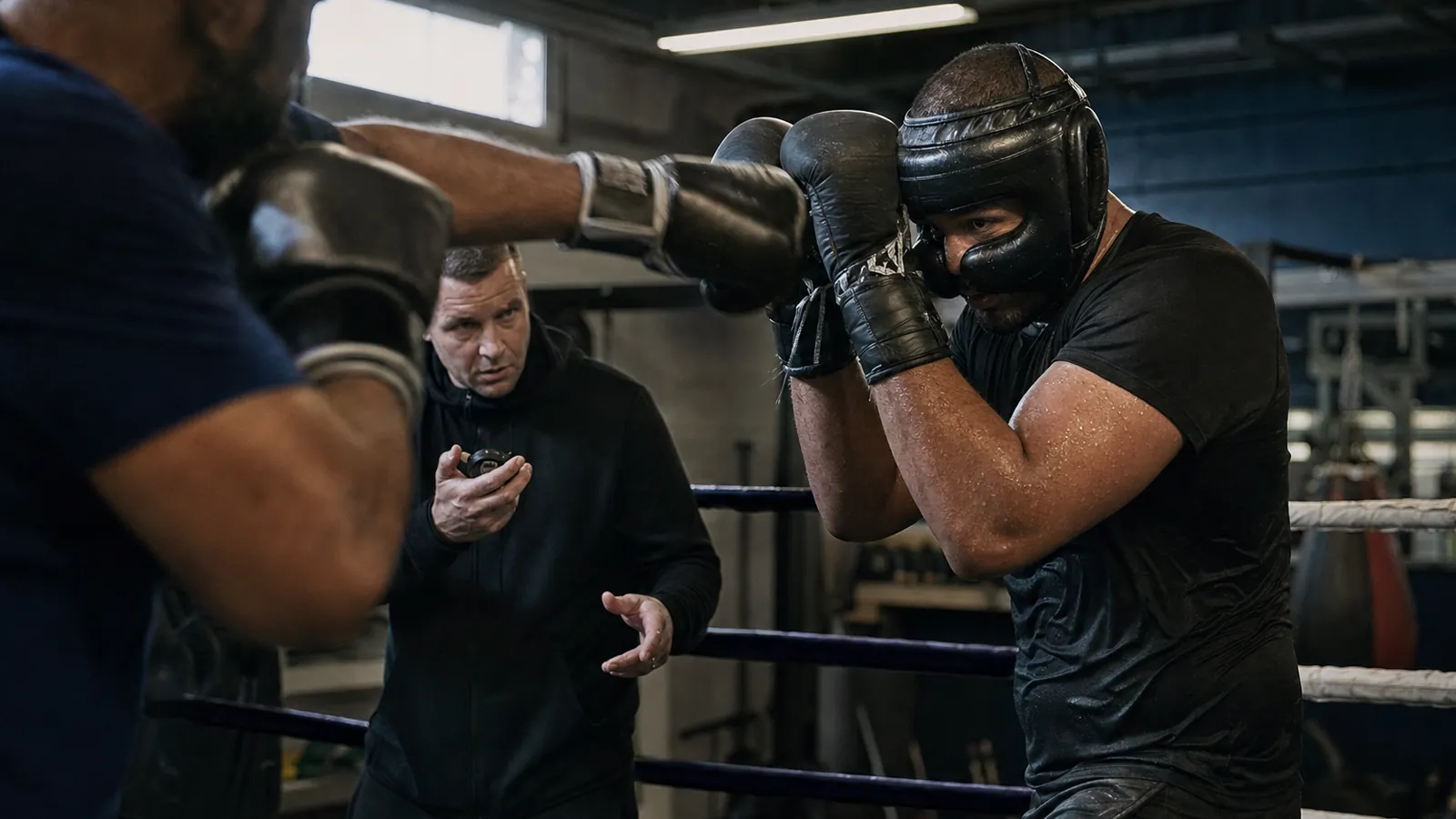
Gassiev’s job changes from solving height to managing pressure
Against Yoka, Gassiev would likely have expected long-range problems. Yoka’s height, jab and amateur background create a certain kind of fight. Gassiev would need to close distance without walking onto straight shots, work the body, and make the taller man reset under pressure.
Against Joyce, the problem is different.
Joyce is not there to win a fencing match. At his best, he walks opponents down behind a steady jab, absorbs more than most heavyweights should, and turns fights into a test of pace and durability. The danger for Gassiev is not that Joyce suddenly becomes a slippery mover. The danger is that Gassiev waits too long, allows Joyce to find his slow but stubborn rhythm, and ends up giving away minutes to volume and physical presence.
Gassiev, once a frightening cruiserweight puncher, still carries serious power. His stoppage of Kubrat Pulev is part of why this WBA situation has opened for him. But heavyweights are not cruiserweights with bigger trousers. At heavyweight, Gassiev has not always looked like the same ruthless, compact wrecking ball who ripped through the cruiserweight division before meeting Usyk.
That matters here. If Joyce gets the fight, Gassiev needs a plan that is both urgent and controlled.
He cannot admire his own work. He cannot let Joyce recover quietly after being clipped. He cannot load up so much that he gives Joyce free resets. The priority becomes this: meet Joyce before he becomes comfortable.
Joyce’s job changes too
Joyce was originally announced for Artem Suslenkov, with Sky Sports reporting that the British heavyweight was due to return against the unbeaten Russian on the undercard. That is a comeback assignment with danger, but also a different kind of danger.
Suslenkov is unbeaten, fresh and ambitious. Gassiev is more proven, more powerful, and carries greater name value. If the WBA elevation happens in time, Boxing News 24 noted that Joyce could suddenly find himself in a world title fight less than three months after the Hrgovic defeat.
That is the mad attraction of boxing. The same sport that looked ready to push Joyce towards the exit can offer him a title route because another man’s back failed in camp.
But opportunity is not the same as suitability.
Joyce has to decide what version of himself he can still be. The old Joyce could take a shot, keep his feet, push the pace and break men with volume. The current Joyce has to be more selective. The Zhang fights showed that there are limits to even his chin and facial durability. Chisora showed that a seasoned heavyweight can still make Joyce look uncomfortable in messy exchanges. Hrgovic showed that steady punishment against Joyce now lands with less mystery and more consequence.
So if Joyce fights Gassiev, the tactical priority cannot be blind bravery. It has to be educated pressure.
He needs the jab, but not just as a range-finder. He needs it as a steering wheel. He needs to step Gassiev back, touch the guard, block the counters, and make Gassiev punch when Joyce is ready to smother or return. If Joyce walks straight in with his head upright, Gassiev will have the kind of target he wants.
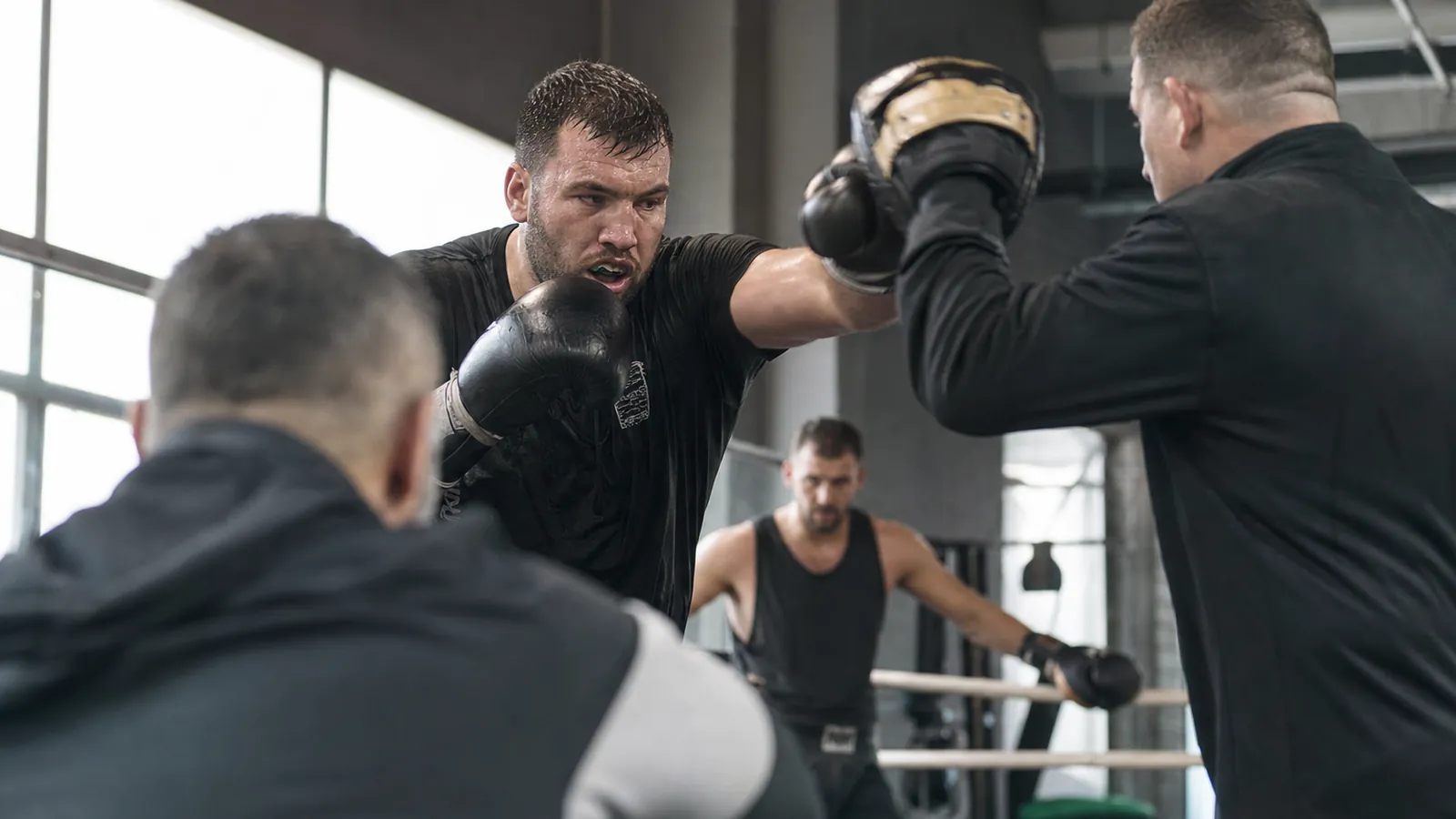
Rhythm is the first casualty
Late withdrawals damage rhythm before they damage tactics.
A fighter builds emotional timing through camp. There is the hard sparring phase, the sharpening phase, the taper, the mental picture of the first bell. When the opponent changes, the body may still be fit, but the mind has to redraw the fight in a hurry.
For Gassiev, that means shifting from Yoka’s movement and reach to Joyce’s size and pressure. For Joyce, it means moving from undercard return to possible main event pressure in Russia, against a heavier puncher, with far more at stake.
That sounds exciting. It is also draining.
You can see why organisers would prefer Joyce. He is already on the card. He is recognisable. He has Olympic pedigree. He gives the event a marketable heavyweight name. The Ring’s follow-up URL for the story frames the same basic reality: with Yoka out, Joyce is the obvious emergency lever.
But obvious does not mean simple.
A boxer who accepts a late upgrade inherits a new level of stress. New opponent. New stakes. New broadcast attention. New questions from media. New doubts from the people who think the chance has arrived too late. That is a lot to absorb in fight week.
The heavyweight division rewards availability
There is a harsher truth here too: heavyweight boxing often rewards the boxer who is ready to answer the phone.
Joyce may not be the form pick. He may not be the neatest title challenger. He may not be the man most people would design as the next WBA test if the division were being run like a tournament. But he is available, known and already in camp.
That counts.
Boxing News 24’s report on Yoka’s withdrawal underlines how quickly a planned title fight can collapse. One injury changes the card. One existing undercard booking becomes a possible main event. One veteran who looked close to finished gets a route back into relevance.
That is boxing at its most unfair and most fascinating.
For younger boxers in our South East London boxing classes, there is a useful lesson inside the chaos. Preparation is not only about preparing for one perfect plan. It is about building habits that survive when the plan changes. Good stance travels. Good breathing travels. A disciplined jab travels. A calm corner travels. Panic does not.
What should each corner prioritise?
For Gassiev, the first priority is early authority. Not wild aggression, but clean, hard reminders that Joyce cannot simply occupy space. Gassiev should attack the body when Joyce stands tall, double up when Joyce covers, and finish exchanges with an exit rather than staying in range for Joyce’s slow return fire.
He also has to resist the temptation to hunt the perfect knockout. Joyce has been hurt and beaten, but he is still a huge man with pride, experience and a long record of walking through discomfort. If Gassiev loads up for one shot, Joyce may make him work more than he wants.
For Joyce, the priority is to make the fight boring before making it hard. That means responsible pressure, steady hands, small steps and no free counters. He should not try to prove his toughness. Everyone already knows he is tough. The question is whether he can still be disciplined enough to use that toughness rather than spend it.
Joyce needs to turn Gassiev, not just follow him. He needs to clinch when Gassiev plants. He needs to take sting out of the exchanges. Most of all, he needs to make Gassiev fight at Joyce’s pace, because if this becomes a clean punch-for-punch shootout, the fresher puncher is likely to enjoy it more.
The stance: this is a dangerous chance, not a fairy tale
I like the story for Joyce more than I like the matchup.
There is something admirable about a veteran heavyweight staying ready, taking the call, and stepping into a fight that could change the last chapter of his career. Joyce has never been a soft-touch fighter. He has fought Dubois, Parker, Zhang twice, Chisora and Hrgovic. He has earned respect the hard way.
But sentiment cannot block punches.
Gassiev is not unbeatable at heavyweight, but he is dangerous. If Joyce accepts this fight, the win condition is narrow: impose rhythm, absorb less than usual, drag Gassiev into long rounds, and make the Russian question the pace. If he cannot do that, the late switch becomes less of a gift and more of a trap.
For Gassiev, the risk is different. He is expected to handle Joyce if the fight is confirmed, especially given Joyce’s recent results. But late replacement fights can make favourites look ordinary. The new opponent has less tape attached to the current camp. The rhythm changes. The crowd energy changes. The pressure of defending or claiming a belt changes.
That is why Joyce vs Gassiev, if it lands, is more interesting than the simple headline suggests.
It is not just “Yoka injured, Joyce steps in”. It is a live test of how heavyweights cope when the plan breaks. Some fighters need the perfect camp. Others can fight through disruption because their fundamentals hold up under stress.
On July 11, if Joyce really does get the call, we will find out which kind of heavyweight each man is.
H&G Team
Writer at Honour & Glory Boxing Club, a community boxing gym in Kidbrooke, South East London.
KEEP READING
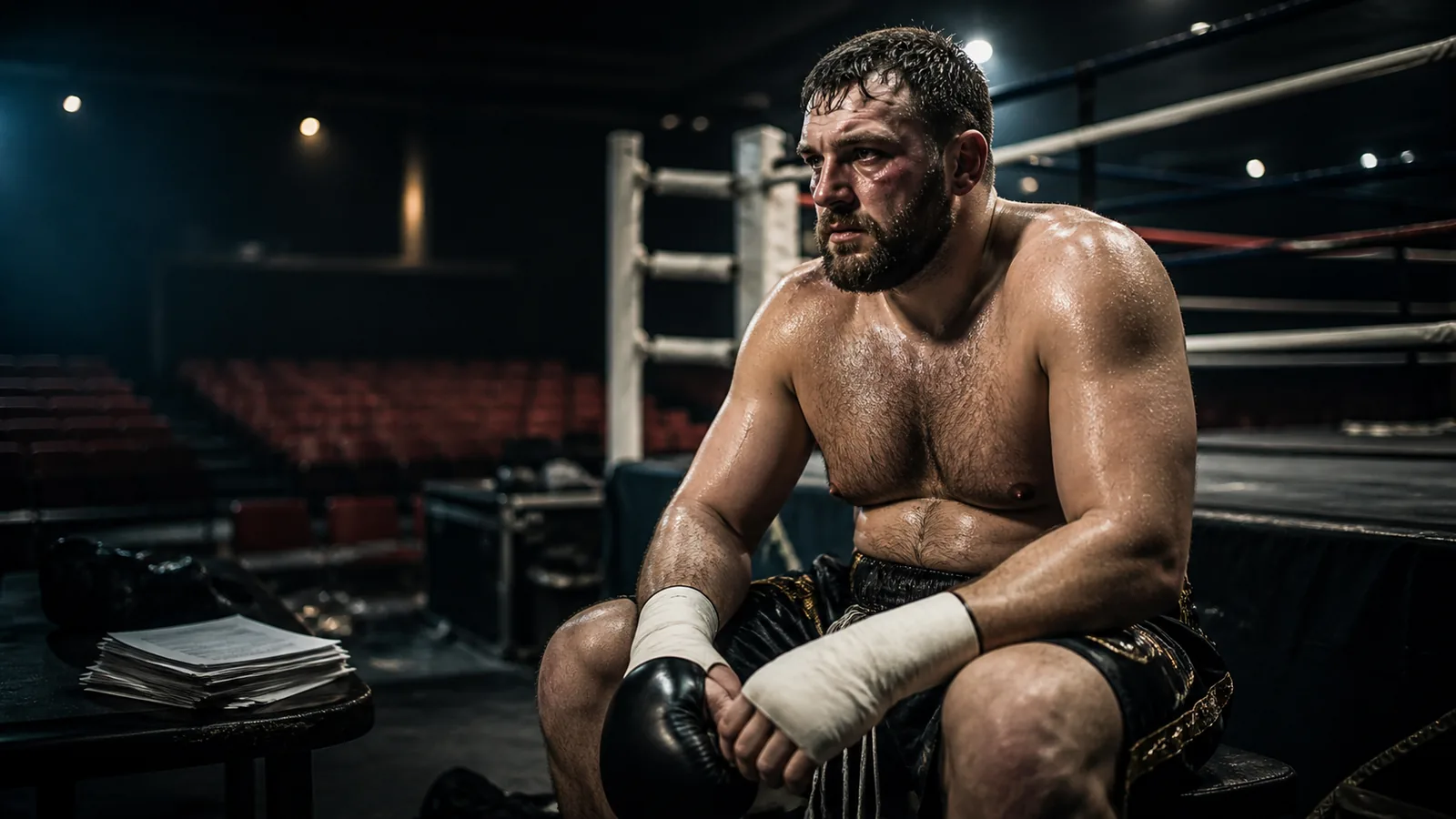
Joe Joyce says he is promoter-free after Russia loss
Joyce’s announced return is more interesting as a career-control story: whether becoming promoter-free creates better options after a damaging defeat, or simply raises the stakes on his next move.
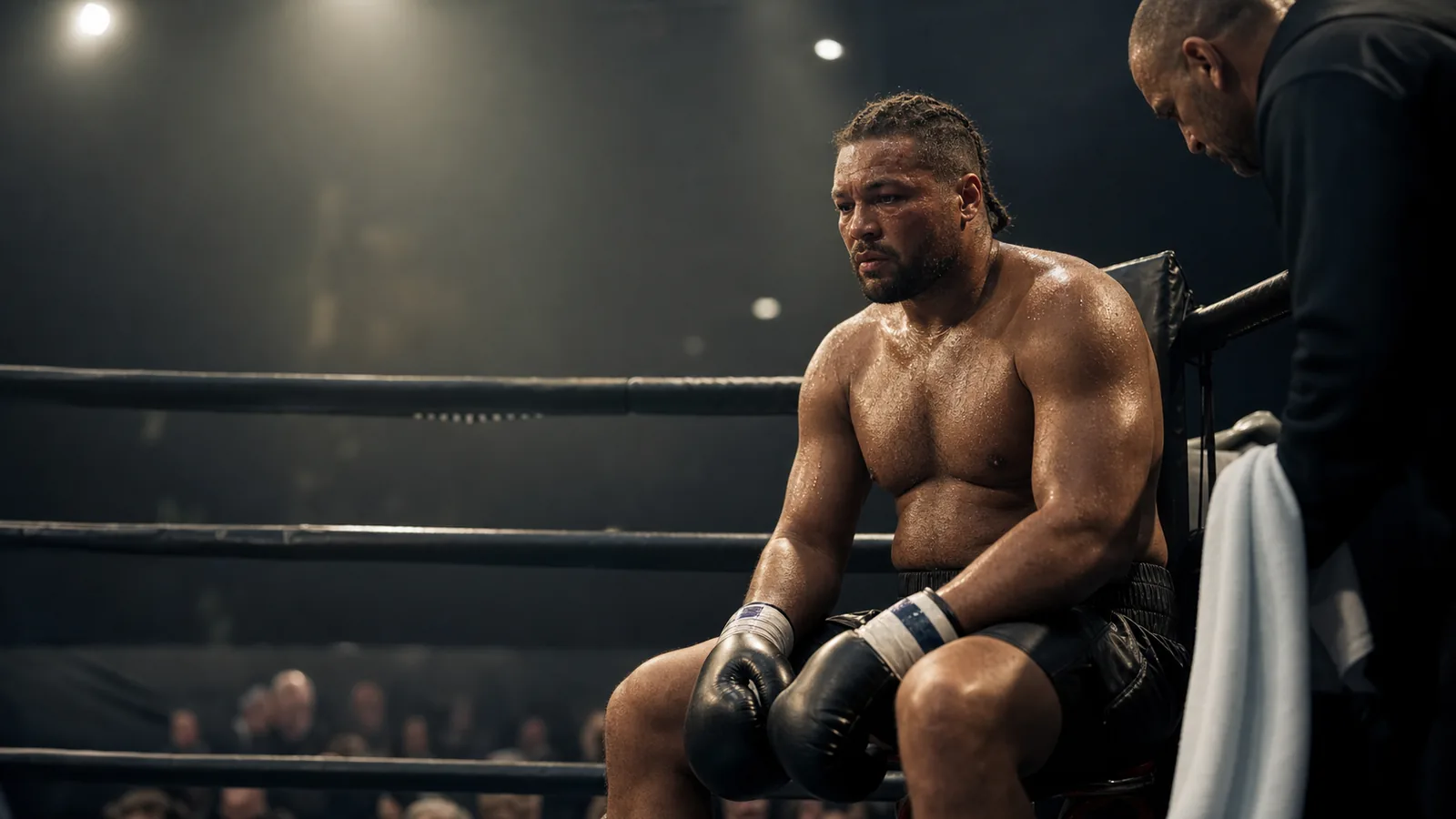
Joe Joyce’s Comeback Loss: When Should a Boxer Call Time?
Use the renewed retirement debate around Joyce to explore the difference between a difficult loss, declining durability and responsible career decision-making.
Boxing vs Gym: Why People Switch
Tired of aimless gym sessions? More people are ditching traditional gyms for boxing. Here is why the switch happens and whether it might be right for you.
Was this page helpful?
It takes one tap, and it genuinely helps.
Choose your next step
Turn this article into the right action
Some readers are ready to book. Some need the class route first. Pick the route that matches what you actually want.