Filip Hrgovic Stops Moses Itauma: What Changed at The O2

Six Rounds That Belonged to Itauma
Itauma began as the favourite should begin against a bigger, more seasoned opponent: sharp, loose and prepared to take the lead. His southpaw jab and straight left found Hrgovic early. His right hook repeatedly caught the Croatian as Hrgovic tried to establish range. In the second, Itauma was credited with a knockdown when Hrgovic's hand touched the canvas, although the BBC's live coverage noted that he did not appear badly hurt.
The visible problem for Hrgovic was speed. He wanted the long jab and the straight right, but Itauma was beating him to the first exchange and making him reset. By the fourth, Hrgovic had a cut over his right eye. The contrast was clear: Itauma was landing the eye-catching work, while the old question was already whether he was spending too much to do it.
The numbers underline how emphatic the early lead was. Yahoo Sports' round-by-round report had Itauma ahead 109 punches to 48 through six rounds. This was not a lucky punch rescuing a fighter who had quietly been competing. Hrgovic was losing the boxing match.
But a heavyweight contest is not a six-round audition. It is a changing physical argument. The fight-night result reported by ESPN was a ninth-round stoppage, but the change began before the final barrage. Hrgovic stayed present after taking clean shots, made Itauma work for every opening, and refused to give him the emotional reward of a fading opponent.
Hrgovic Did Not Find One Miracle Punch
It is tempting to frame the finish as a comeback punch. That sells the highlight, but it misses the craft.
Hrgovic survived the dangerous part of the fight by reducing the damage where he could. He did not try to match Itauma's hand speed. He kept coming forward behind a tighter guard, accepted that some rounds were gone, and made the younger man throw again. That is not pretty. It is a professional decision: stay upright, keep your balance, keep the other man engaged, and wait for the quality of his work to fall.
The eighth showed both sides of the contest. Itauma landed hard body shots and had Hrgovic under sustained pressure. Yet he was also trying to force an ending against an opponent who was still firing back. Hrgovic absorbed the rush, fired back and saw the shape of the fight change in front of him.
By the ninth, Hrgovic was the man advancing with purpose. Itauma's feet had slowed and his combinations had lost their neat finish. When Hrgovic landed a hard right and followed with heavy punches, Itauma had neither the space nor the energy to regain control. Itauma's corner threw in the towel as referee Howard Foster intervened, as Sky Sports' report of the finish records.
The change was not mystical. Itauma had been asked to maintain elite output against a man who could take his best work, stay composed under it and make the fight physical. Hrgovic then had the ring awareness to recognise the moment. That is why he is champion.
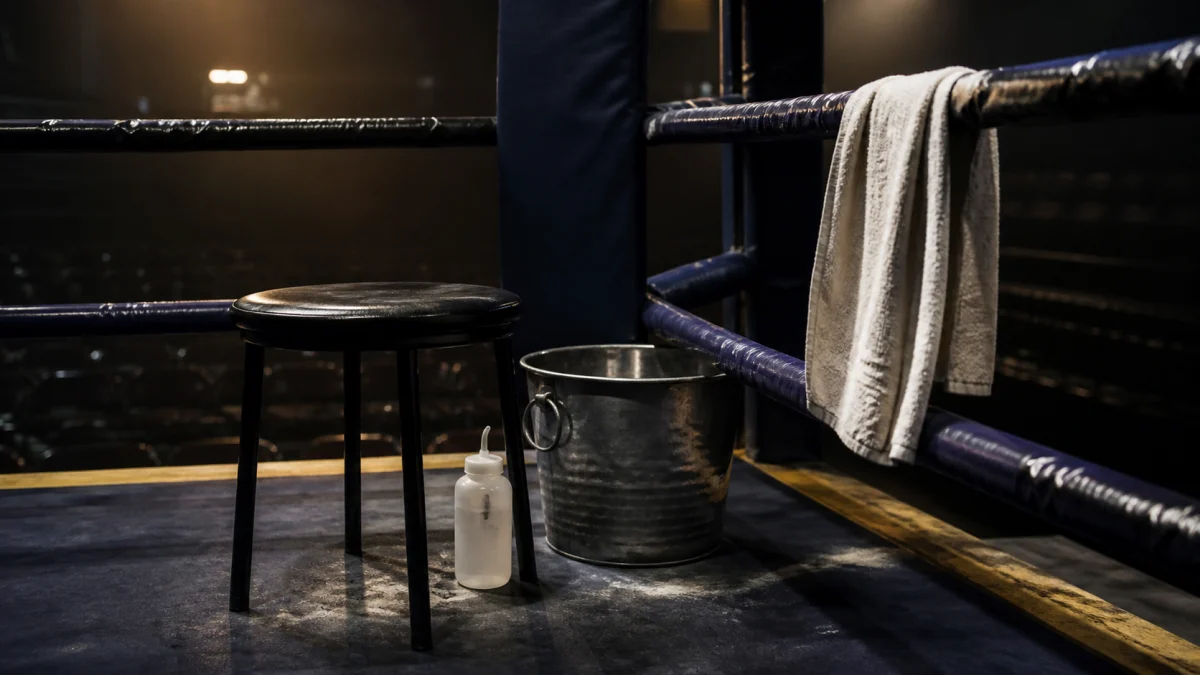
The Lesson: Control the Pace You Set
Young fighters often hear “set a high pace” and take it to mean “throw more than the other person”. They are not the same thing.
A useful pace creates scoring chances while leaving you able to defend, move and make good decisions in the last minute of a round. A wasteful pace looks impressive until it starts to steal your stance, your recovery and your shot selection. Against a durable heavyweight, it is especially dangerous to chase a finish from a position of control.
Itauma's early work was high class. The issue was not that he attacked, nor that he went to the body. The issue was the amount of force spent trying to make a resistant opponent disappear. Hrgovic had already shown he could absorb punishment. Once that was clear, the task was to keep banking rounds with the jab, the straight left, controlled combinations and exits that did not invite a return.
That is easier to write than do under arena lights. It is also exactly why experienced opponents matter. FIGHTMAG's event report had Hrgovic coming in as a former interim-title challenger, while Itauma entered unbeaten and making his first world-level step. The fight exposed an experience gap without settling the larger question of talent.
For boxers training at club level, the transferable point is simple. Do not confuse winning the first exchange with winning the round, and do not confuse winning the round with having won the fight. Learn to breathe after your combinations, recover behind the jab, and stay balanced enough to defend when your opponent has their best moment. Those habits are built in ordinary rounds of sparring, bag work and pads, long before a big night at The O2.

Do Not Turn One Loss Into a Verdict on Itauma
The opposite overreaction will arrive quickly. Itauma has been “found out”, the story will go. That is lazy.
He won much of the fight against a dangerous heavyweight with a serious amateur pedigree and years of professional rounds. He showed real speed, accuracy, body work and confidence at a level where prospects are usually protected. He also found the ceiling of his current experience when the contest went beyond six rounds and his opponent would not yield.
That is a loss, not a demolition of the underlying evidence. In fact, it is better information than another early knockout. Nobody needs to pretend that ninth-round fatigue is a small detail in heavyweight boxing. It is a major issue, and it needs a real response in training and matchmaking. But the useful verdict is precise: Itauma has championship-level offensive ability, and must develop the round-by-round economy, recovery and late-fight judgement that championship opponents demand.
Hrgovic earns the bigger share of the night because he made that truth count. He took the punishment, kept his nerve and punished a tired rival without rushing his own chance. The official result is the ninth-round TKO and the IBF belt. The fuller result is that heavyweight boxing remains difficult, even when the future looks obvious.
The BBC highlights are worth watching for the swing in body language as much as the final right hand. The Sporting News recap also carries the wider result and reaction from a night that changed the immediate heavyweight picture.
What Kidbrooke Boxers Can Take From It
There is a useful contrast here for anyone starting out. Spectacular offence gets attention. Composure, conditioning and a guard that holds shape win difficult fights.
At Honour & Glory, sessions for ages 7+ are built around those less glamorous skills: balance after punching, relaxed breathing, clean defence and the discipline to listen when a coach tells you to slow a round down. Whether the aim is fitness, confidence or amateur competition, those are the habits that last when tiredness arrives.
H&G Team
Writer at Honour & Glory Boxing Club, a community boxing gym in Kidbrooke, South East London.
KEEP READING
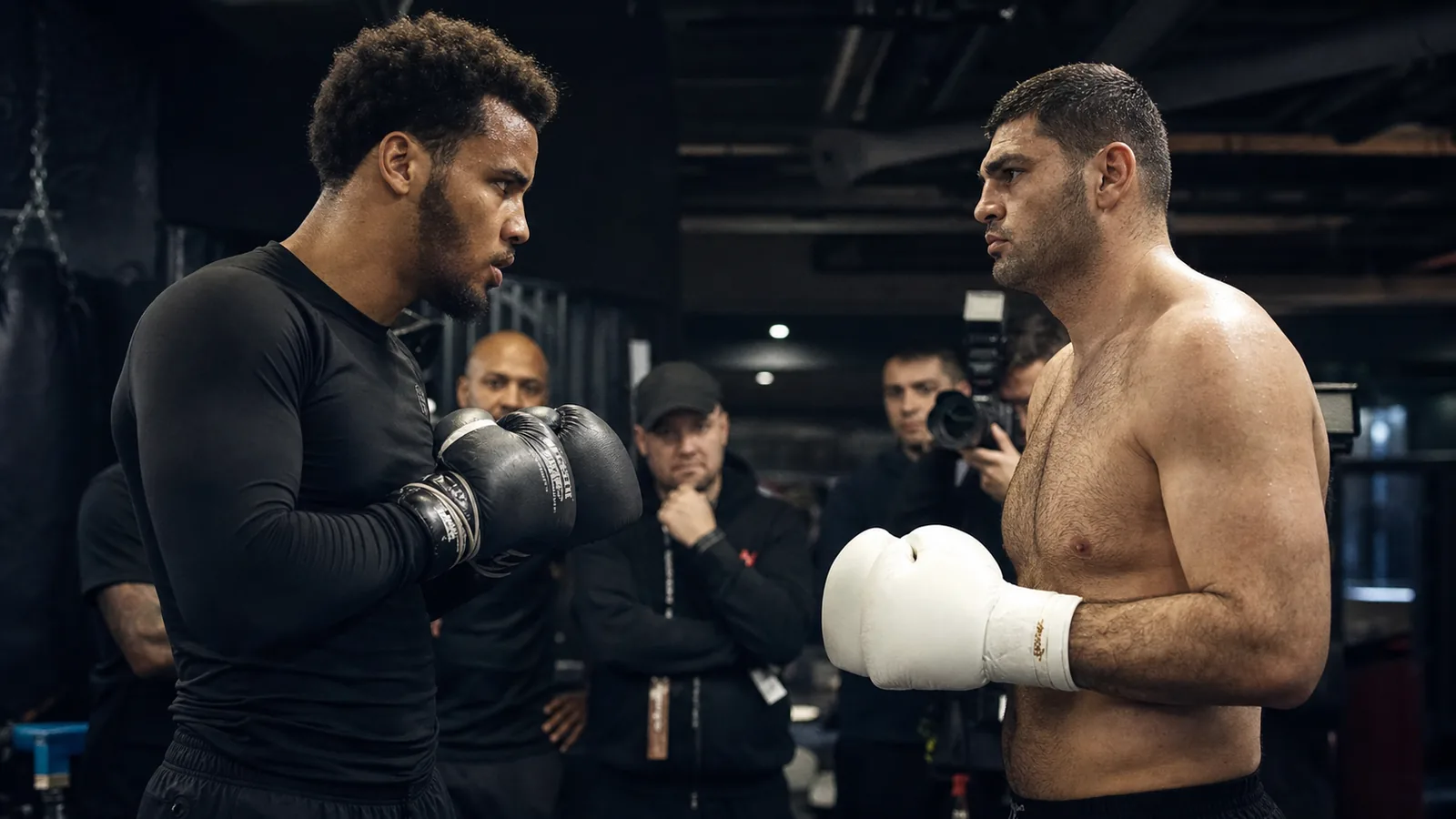
Moses Itauma vs Filip Hrgovic at the O2
A focused London heavyweight announcement: why Itauma stepping into Hrgovic at the O2 is a major matchmaking test, not just another prospect date.
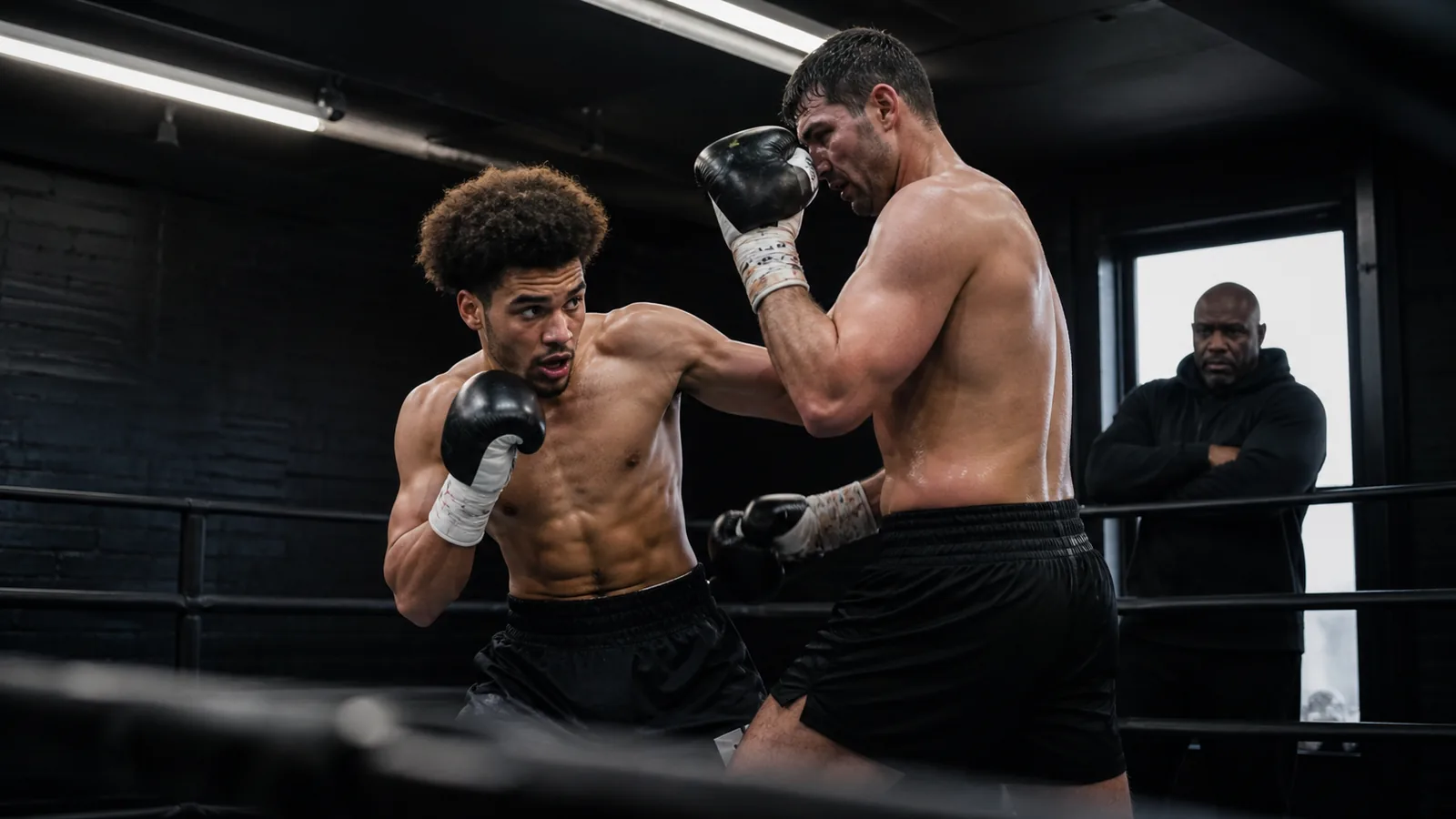
Itauma vs Hrgovic: why experience is the real test
With fight week closing, move beyond the title-shot framing: Hrgovic’s value is his ability to make a gifted young heavyweight solve uncomfortable rounds without chasing a highlight.
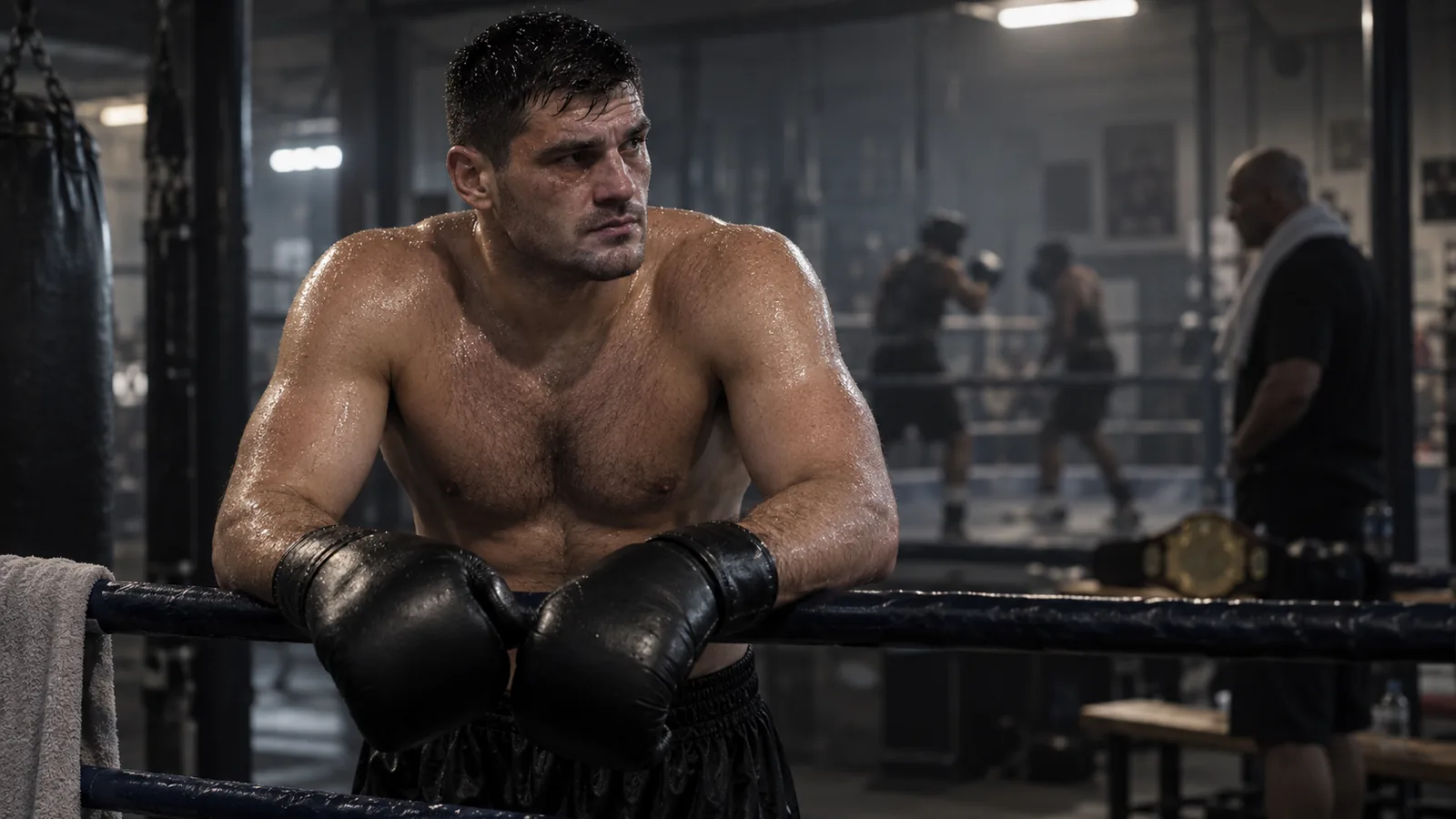
Filip Hrgović and the route to a heavyweight title shot
A current reaction piece on why Hrgović is being discussed for the heavyweight crown, separating a credible route to a title opportunity from promoter-led speculation.
Was this page helpful?
It takes one tap, and it genuinely helps.
Choose your next step
Turn this article into the right action
Some readers are ready to book. Some need the class route first. Pick the route that matches what you actually want.