Dalton Smith vs Alberto Puello: Sheffield's title night
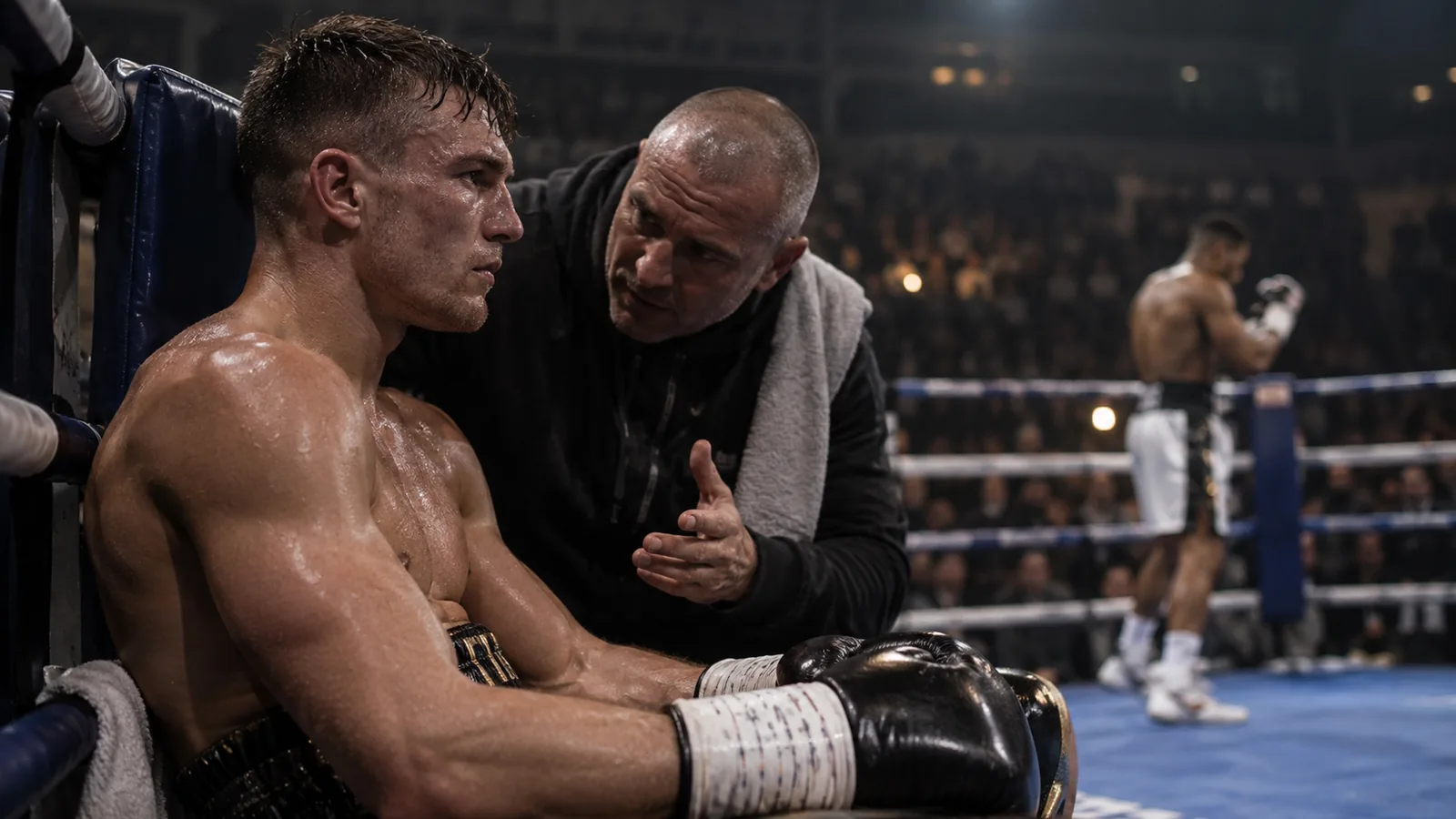
Dalton Smith vs Alberto Puello: Sheffield’s title night is about proving the reign
Winning a world title can change a boxer’s life in one night. Defending it changes the way the sport judges him.
Dalton Smith’s fifth-round stoppage of Subriel Matias in Brooklyn was not a tidy points win or a belt handed over by circumstance. It was a statement. Smith travelled to New York, met one of the division’s most feared pressure fighters and broke him down to win the WBC light-welterweight title. The BBC’s report on Smith’s first defence rightly frames the next step clearly: Alberto Puello is the mandatory challenger, and the title will be on the line at Sheffield’s Utilita Arena on Saturday 24 October.
That date matters, but not because Sheffield will be loud. It will be loud. Smith is one of its own, unbeaten in 19 professional fights with 14 knockouts, and this is the sort of homecoming British boxing does well.
The bigger point is harder and more important. A successful defence would establish Smith as a champion with a reign, not merely a man who had one extraordinary night.
The Matias win gave Smith a belt. Puello can give him authority.
Smith did the difficult part against Matias. He beat a high-level opponent in his own backyard, absorbed pressure, found his moments and produced a finish that made the boxing world pay attention.
But title fights are not judged in isolation. A new champion is immediately asked a different set of questions.
Can he carry the weight of being hunted rather than chasing? Can he perform after the emotional peak of winning the belt? Can he deal with a mandatory challenger who has spent months preparing specifically for him? Can he show that his best performance was not a one-off collision of style, timing and confidence?
Puello is the right opponent to ask those questions.
The Dominican is 25-1 with 11 stoppages, a former WBC world champion and an experienced southpaw who knows the pace, uncertainty and tactical detail of 12-round championship boxing. The World Boxing Council’s preview describes the fight for what it is: a first defence against a challenger who has already reached the top of the division and wants the belt back.
That is not a ceremonial home defence. It is a proper piece of work.
Smith is entitled to be favourite. His recent form is stronger, his punching looks more damaging and the Matias win showed that he can stand in hard company without losing his head. But favourite is not the same as safe. Puello has only one defeat, came through competitive title-level fights before, and brings a style that asks different questions from Matias.
Matias wanted to close distance, impose a fierce rhythm and force Smith to exchange. Puello wants to make a fight harder to read. He is a mobile southpaw, comfortable controlling range, feinting, drawing a lead and firing the straight left. As Split Decision’s detailed fight guide points out, Smith will need to create openings rather than wait for an aggressive opponent to bring them to him.
That distinction is the whole fight.
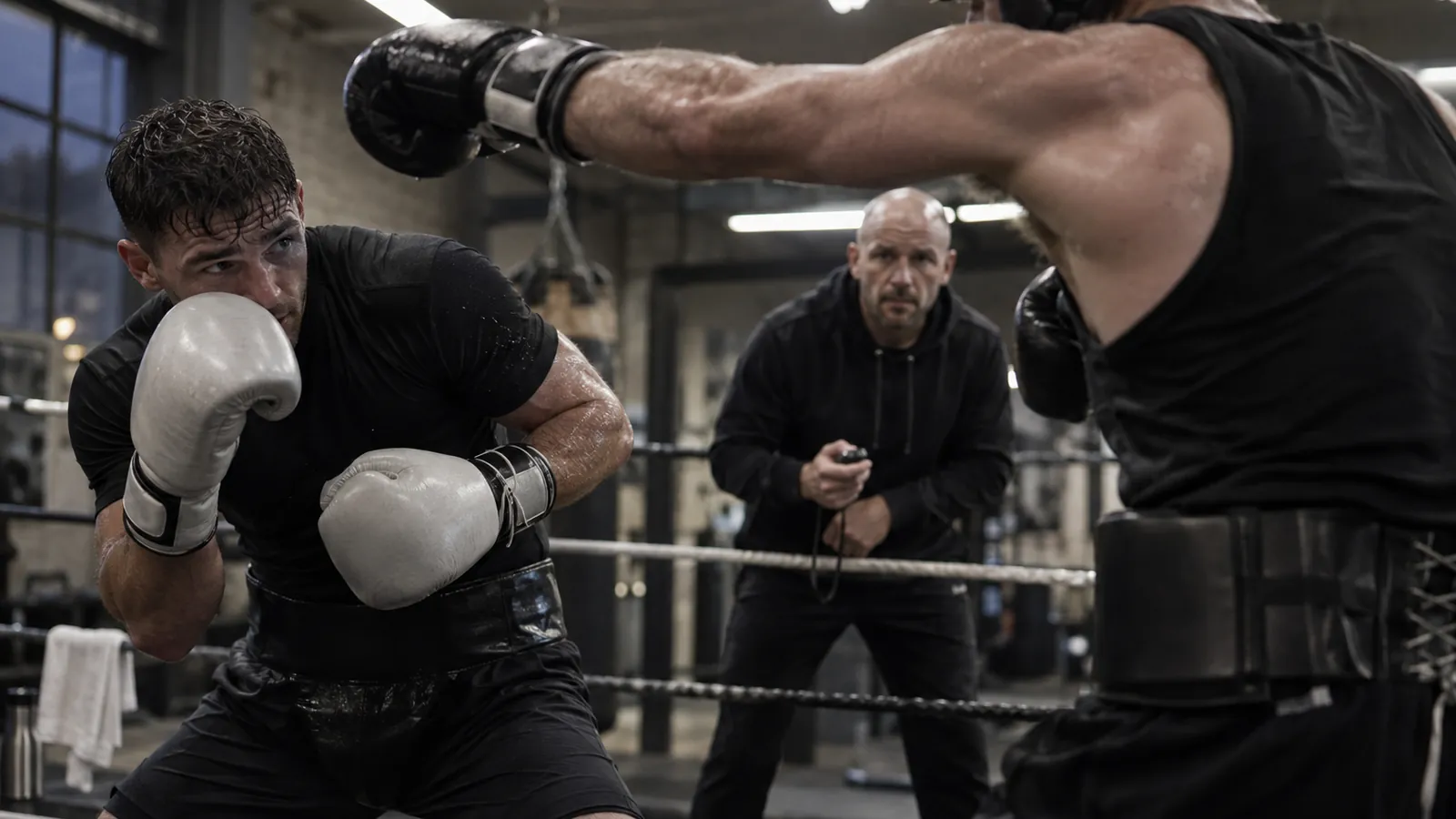
A champion has to beat more than one kind of problem
There is a temptation after a big knockout to assume the winner can now solve every version of the division. Boxing does not work like that.
Beating Matias proved that Smith can cope with pressure and danger. Beating Puello would prove something else: that he can control a more technical, awkward and patient opponent without becoming impatient himself.
Southpaws can make good orthodox fighters look clumsy when they are allowed to dictate the lead-foot battle. The distance feels different. The jab arrives from a different line. A right hand that normally lands can fall short or leave a boxer exposed to the left. Fighters who rush the job often end up following rather than cutting off the ring.
Smith cannot afford to admire Puello’s movement or chase his head. He needs a mature performance. That means a busy jab, pressure without falling over the front foot, attacks to the body and the discipline to make Puello work every time he exits.
The body work could be especially important. A mobile challenger can make the early rounds look clean and awkward, but legs become harder to rely on when a champion has been touching the ribs and chest for six or seven rounds. Smith does not need to force a spectacular opening immediately. He needs to make the ring smaller without making his own shape loose.
That is the difference between pressure and pursuit. Pressure gives the opponent fewer good choices. Pursuit gives him a target.
Puello will have his own ambitions. DAZN’s confirmation of the rescheduled fight noted that he sees this as the route back to a title he previously held. He has the experience to understand that winning early rounds on the road, frustrating the champion and turning the fight into a technical argument could be enough to change the mood in Sheffield.
Smith must not let that happen.
The injury delay raises the standard, not the excuse
This contest was originally announced for June 6, as Matchroom’s first event announcement confirmed. Smith then suffered an elbow injury in training, forcing the postponement. The October date is not an inconvenience to gloss over. It is part of the story.
A first defence is normally a chance to build momentum straight after the title win. Smith won in January, but the delay has meant a longer wait and more time for a difficult challenger to prepare. Puello stayed active during that period, stopping Miguel Angel Bolano in July, according to the latest fight details and form guide.
Smith has said he took the recovery properly and returned to training feeling strong. That is what a professional should do. Rushing an elbow injury for the sake of a date is how a boxer turns a manageable problem into a career problem.
Still, a champion does not get credit for the explanation once the bell goes. The injury delay makes the performance more interesting because it places Smith back in the ring after a long, interrupted camp against a fighter who is quite happy to test his timing.
If Smith wins clearly, the delay becomes a footnote. It establishes that his career is moving forward again rather than waiting around the January breakthrough.

Sheffield should be the setting, not the argument
There is nothing wrong with celebrating a local champion defending at home. The Utilita Arena’s event page has rightly presented this as a major Sheffield night, with the main event supported by Giorgio Visioli against Maxi Hughes and Shannon Ryan’s rematch with Emma Dolan.
But home support can become lazy analysis. A crowd cannot solve a southpaw. It cannot correct a dropped lead hand or stop a boxer reaching with his right. It can lift a fighter when the fight gets uncomfortable, but it cannot do the technical work for him.
The value of Sheffield is not that Smith will receive an easy night. The value is that he has the chance to defend a world title in front of the people who watched him grow into a professional, while accepting a mandatory challenger with genuine pedigree.
That is the right use of a homecoming. Not a soft touch for photographs, but a meaningful fight in a familiar place.
A successful defence would also give Smith a stronger position in the division. It would turn the Matias result from a brilliant win into the start of a proper championship case. He would have beaten the division’s fearsome pressure fighter, then dealt with a former champion whose southpaw style asks a different set of questions.
That is how reputations become difficult to argue with.
What Smith would establish with victory
The loudest possible outcome is a knockout, and Smith has the power to produce one. But the method matters less than the authority of the performance.
If he controls Puello over 12 rounds, he shows patience and tactical maturity. If he wears him down late, he shows that his pressure can work against a fighter who does not volunteer exchanges. If he has to weather difficult early rounds and adjusts, he shows the champion’s most useful quality: the ability to solve the fight that is actually in front of him.
The result would establish three things.
First, Smith would be a legitimate champion rather than a new titleholder living off one night in New York.
Second, he would show that his game travels across styles. Matias asked for nerve and durability. Puello asks for control, positioning and discipline.
Third, he would give the light-welterweight division a British champion with a credible claim to bigger fights, because he will have accepted the obligation attached to the WBC belt and beaten a former champion to keep it.
That is why Sheffield’s title night matters. Dalton Smith does not need generic hometown hype. He needs to show that the belt has not changed his ambition, his standards or his ability to improve.
For boxers watching from Kidbrooke, whether they are starting out at 7+ or preparing for tougher sparring, the lesson is simple. One big win gets attention. Consistent work after the big win earns respect.
H&G Team
Writer at Honour & Glory Boxing Club, a community boxing gym in Kidbrooke, South East London.
KEEP READING

Billam-Smith vs Rozicki: UK Cruiserweight Fight Guide
A UK-focused preview of Chris Billam-Smith's Bournemouth return against Ryan Rozicki, framed around what club boxers can learn from pressure fighting, body work, pacing and handling a heavy-handed opponent.
Bivol vs Callum Smith order: what mandatories teach
The Bivol-Callum Smith order shows how mandatory challengers pressure champions before a punch is thrown.
Boots Ennis vs Josh Kelly: what Frank Smith’s update means
A focused look at whether the reported Ennis-Kelly update points to a meaningful UK opportunity for Josh Kelly, and what each fighter would need from the matchup.
Was this page helpful?
It takes one tap, and it genuinely helps.
Choose your next step
Turn this article into the right action
Some readers are ready to book. Some need the class route first. Pick the route that matches what you actually want.