People in their 20s are often told two contradictory things about boxing.
The first is that this is the perfect age to start, as if the decade itself does the work for you. The second is that if you did not box as a teenager you are already late. Both ideas are lazy.
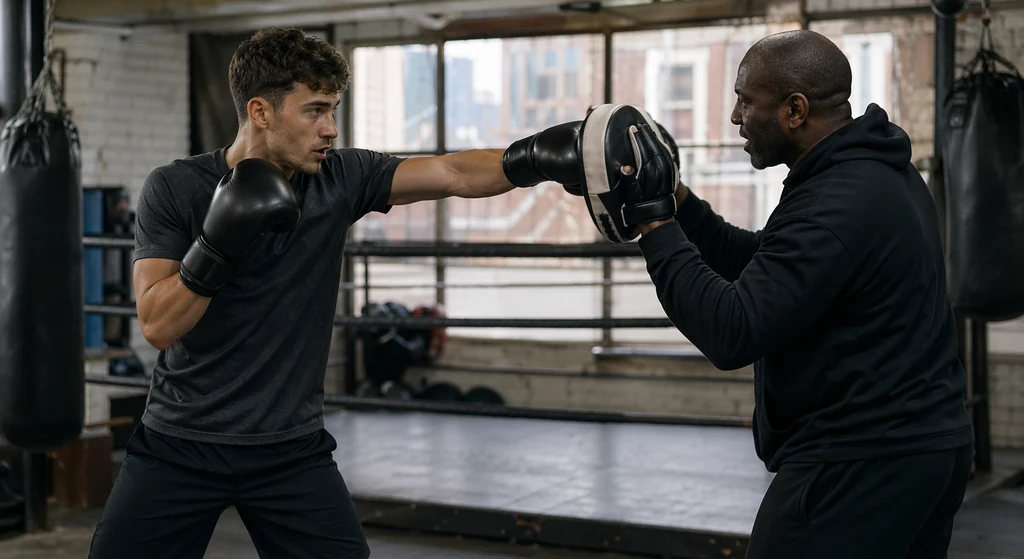
Your 20s can be a very good decade to start boxing, but not because youth makes everything easy. They are a good decade because your body usually recovers well, your skill learning is still sharp, and you have enough time to build serious habits before life gets more crowded. The risk is wasting those advantages through inconsistency.
Why Boxing Often Fits Your 20s Well
Physically, your 20s are forgiving. Recovery is usually faster than it will be in your 40s and 50s. You can handle harder sessions, bounce back from mistakes, and build fitness quickly if you train regularly.
That matters because boxing asks quite a lot at the start. It is not only cardio. It is coordination, timing, rhythm, balance, reaction, and the ability to stay relaxed while learning unfamiliar movement.
The upside is that adults in their 20s tend to improve fast when they take coaching seriously. NHS guidance on exercise is clear that adults need both aerobic work and muscle-strengthening work. Boxing combines both in the same session, which is useful when your week is split between work, commuting, social life, and trying not to live on meal deals.
There is also a behavioural advantage. In your 20s you can still make training part of your identity before the decade hardens around your habits. People who begin boxing at 24 or 27 often carry it with them for years because they started early enough to build a serious routine but late enough to value it properly.
The Main Way People Waste the Decade
The problem is not age. It is stop-start behaviour.
A lot of people in their 20s train in bursts. They go hard for three weeks, disappear for a month, come back on a fitness kick, then vanish again when work, dating, travel, nights out, or money gets in the way. This pattern gives you just enough progress to feel frustrated when you lose it.
Boxing punishes inconsistency more honestly than many other forms of exercise. You cannot hide from the fact that your footwork feels worse after a long break. You cannot fake timing. That is a good thing. It tells you the truth quickly.
The people who make proper gains in their 20s are usually not the naturally talented ones. They are the ones who decide that two sessions every week matters more than the fantasy of doing five sessions on the perfect future schedule.
What the Research Actually Suggests
Sport England's Active Lives data consistently shows that younger adults are more active than older groups overall, but the drop-off from intention to sustained habit is still real. Plenty of adults in their 20s say they are active. Far fewer stick to one serious practice long enough to become good at it.
That is why boxing can be so useful in this decade. It gives fitness a structure. You are not just "going to the gym" and hoping motivation appears. You are learning a skill under supervision. Skill-based training tends to hold attention better than generic cardio, and research on exercise adherence repeatedly shows that enjoyment and competence are major drivers of long-term consistency.
There is also the mental side. A lot of 20-somethings are carrying more background stress than they admit. Early-career pressure, unstable housing, money worries, and too much screen time all add up. Harvard Health's review of exercise and mental health notes that high-effort training such as boxing can support mood and help some people manage stress better than sedentary routines.
What Starting in Your 20s Usually Feels Like
The first month is rarely glamorous.
You will probably be fit enough to work hard before you are coordinated enough to work well. That creates a strange gap where your lungs are willing but your technique is untidy. This is normal.
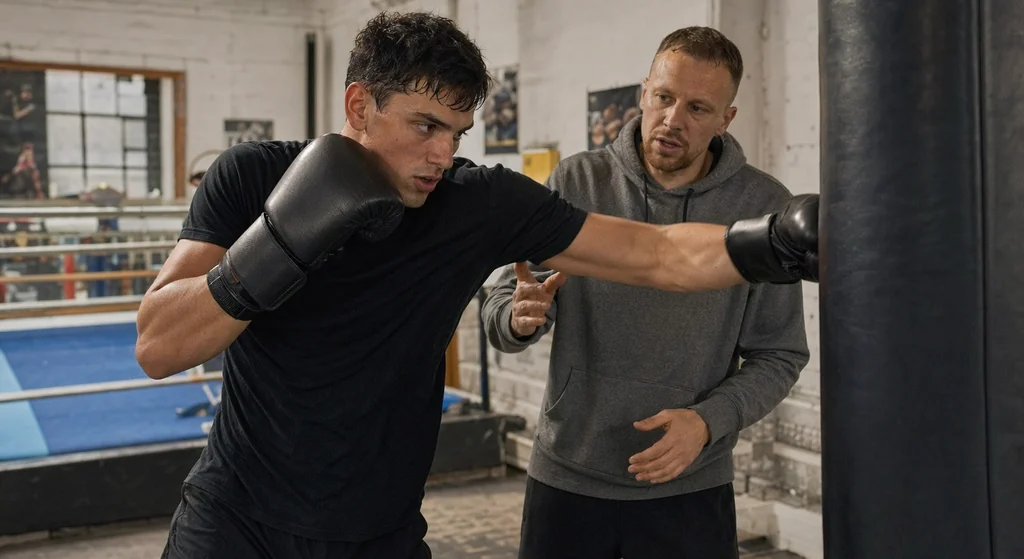
Most beginners in their 20s also overthink power. They want to hit hard before they understand stance, balance, and straight punching. Good coaching fixes this quickly. The people who progress fastest learn to stop trying to impress the bag.
At Honour and Glory, the Adult Recreational class is the right place for most adults in their 20s, whether they come in with sports background or none at all. You learn the basics properly, train hard, and build from there without any pressure to spar or compete before you are ready.
Questions People in Their 20s Usually Ask
Do you need to be in shape first? No. Boxing is how many people get in shape in the first place.
Are you too old if you did not start as a child? Not for recreational boxing, not for learning good technique, and not even necessarily for amateur competition. The path is different, but it is not closed.
Do you need to spar? No. Plenty of adults train for skill, fitness, and stress relief only.
How often should you train? Two sessions per week is enough to make clear progress. Three works very well if your recovery, schedule, and budget allow. Four is often where enthusiasm starts pretending to be discipline.
The Honest Take
Your 20s are not the only good decade to start boxing. They are just one of the easiest decades in which to get the habit right.
If you use the decade well, boxing can give you a technical base, better conditioning, more confidence, and a training routine that still serves you ten years later. If you waste it on bursts of motivation and long layoffs, you will reach your 30s saying you "used to box a bit" instead of actually boxing.
If you want the wider age picture, read our Boxing by Age guide. If you are already thinking ahead, it is also worth reading Boxing in Your 30s: Why It Is Not Too Late. If the real worry is whether you have missed the window altogether, read Am I Too Old to Start Boxing?.
The best version of boxing in your 20s is not about proving you are young. It is about building something that lasts.
Book a free trial session at Honour and Glory Boxing Club.
More guides for students and young adults
If you are studying, working early jobs or trying to build a proper training habit, read boxing for students and young adults, boxing during A-levels, can boxing give you abs?, and how much money do boxers make in the UK?.
H&G Team
Writer at Honour & Glory Boxing Club, a community boxing gym in Kidbrooke, South East London.
KEEP READING

Am I Too Old to Start Boxing?
Most adults asking if they are too old for boxing are really asking the wrong question. Here is the honest answer.
Is It Okay to Take Breaks in Boxing Class?
Yes. A short, honest break can keep a beginner boxing session safe, useful and worth coming back to.
Can You Start Boxing If You Cannot Do a Press-Up?
You do not need press-ups before your first boxing class. Here is what matters, what to scale, and when to ask for help.
Was this page helpful?
It takes one tap, and it genuinely helps.
Choose your next step
Turn this article into the right action
Some readers are ready to book. Some need the class route first. Pick the route that matches what you actually want.