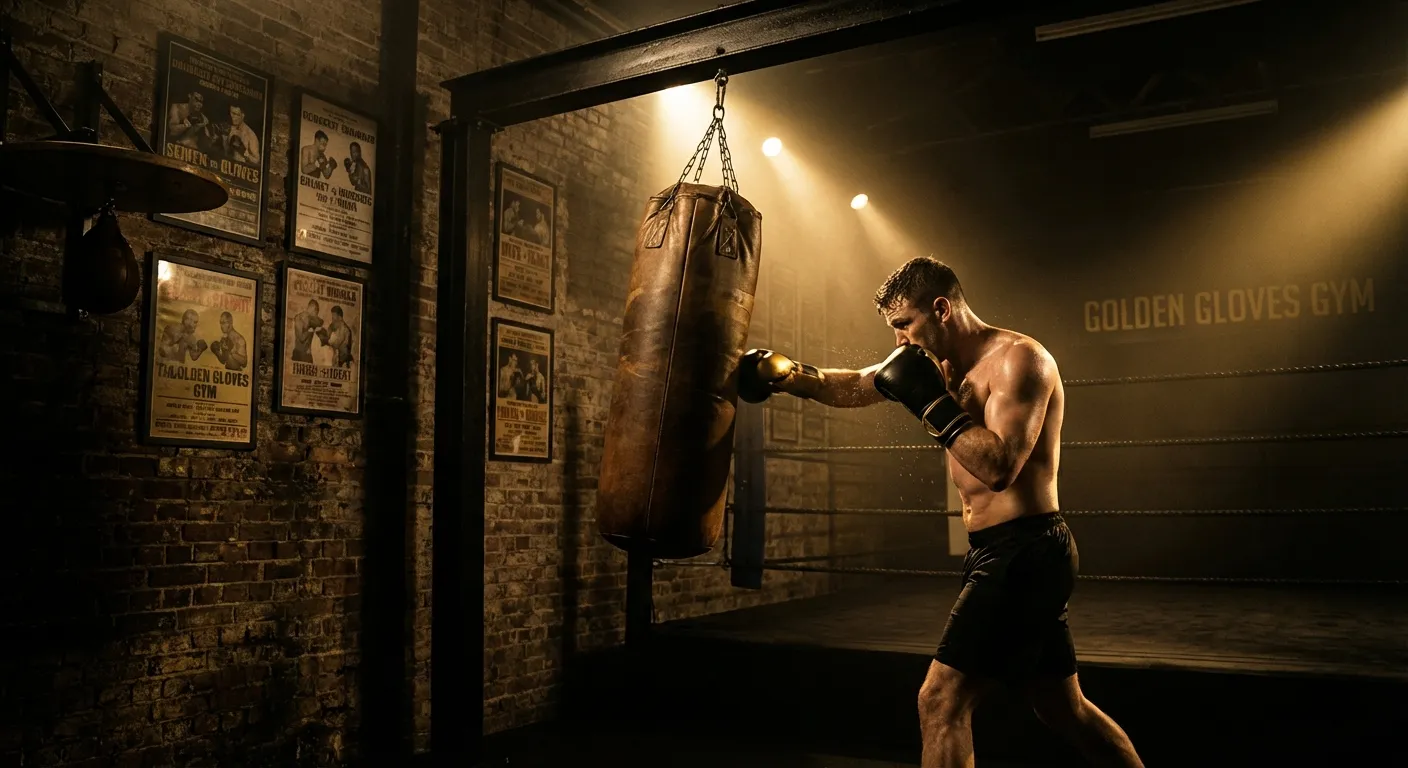
The question comes up more than you would think. Someone in their early or mid-thirties walks past a boxing gym, or sees someone they respect talking about training, and the thought follows: is it too late for me?
The honest answer is no - and not in a vague, encouraging way. Boxing in your 30s is specifically well-suited to this stage of life in ways that are worth actually understanding. This is not a pep talk. It is the practical case.
Why 30s Boxers Are Not at a Disadvantage
The assumption is that starting late puts you behind. But behind what, exactly?
The vast majority of people who walk into a boxing gym at 31 or 37 are not there to go professional. They are there because they want to get fit, learn something really hard, deal with work stress, or find a form of exercise they will actually stick to. For all of those goals, your 30s are close to ideal.
Here is why.
Your mind works in your favour. Beginners in their 30s typically absorb coaching better than teenagers. They listen, they self-correct, they ask the right questions. The neurological capacity for skill learning does not really decline until much later - and the discipline to actually use it tends to be sharper.
Your body can take more than you think. The physiological changes that affect boxing performance - reduced VO2max, slower recovery, decreasing muscle mass - become significant in your 50s and 60s, not your 30s. A healthy 33-year-old has a body that responds to training in essentially the same way as a 23-year-old, just with slightly more recovery time needed after intense sessions.
The lifestyle fits better. At 25, late nights, irregular eating, and a chaotic schedule undermine training. By your 30s, most people have more control over their time, better sleep habits, and the financial ability to actually kit themselves out properly. These things matter more than a few years of starting age.
What the Research Says
The NHS physical activity guidelines emphasise that adults need both cardiovascular and muscle-strengthening activity. Boxing covers both in one session - which makes it unusually efficient for people who do not have unlimited time.
We lose muscle mass from around age 30 at roughly 3-5% per decade, a process called sarcopenia. Boxing training directly addresses this. Every punch engages the legs, core, shoulders, and arms as a single chain. The resistance is moderate and the repetitions are high - a training stimulus that builds and maintains lean muscle.
On the cardiovascular side, research published by the National Institutes of Health found that a 12-week boxing training intervention significantly improved systolic blood pressure and VO2max in adults with abdominal obesity. These are not peripheral markers. They are two of the most important predictors of long-term health outcomes.
The calorie burn - typically 500 to 800 per hour depending on intensity - is also real, not estimated. And because boxing requires full mental engagement, it does not feel like that. The hour is gone before you notice.
The Mental Case Is Equally Strong
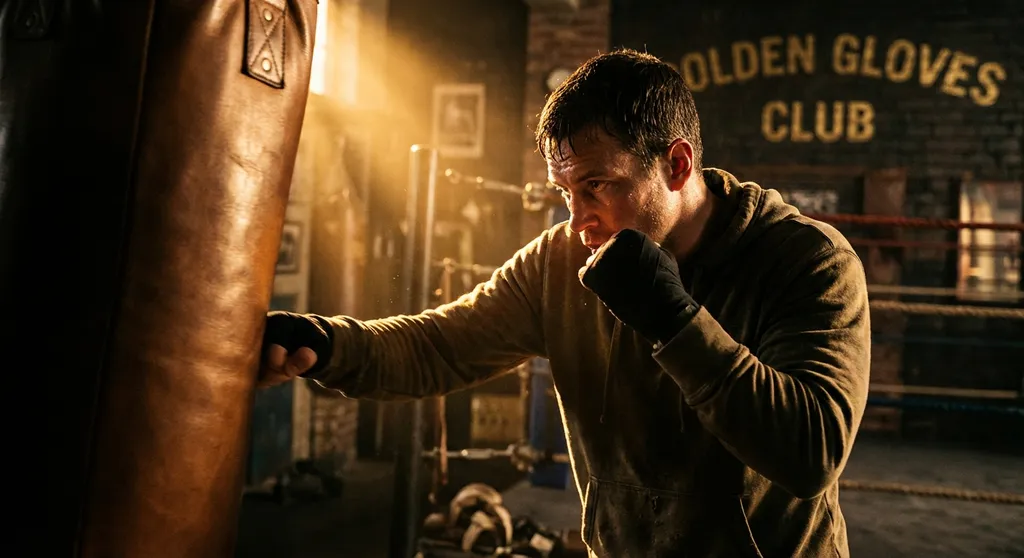
People who start boxing in their 30s consistently report the same thing: it changes how they handle everything else.
Boxing asks you to fail repeatedly in a controlled environment - to get something wrong, correct it, get it wrong again, and gradually get it right. For adults who spend their working days managing complexity and avoiding visible failure, this is unusually good medicine.
The physical intensity also does something specific to stress. Work stress accumulates as cortisol in the body. Sustained cardiovascular effort - the kind boxing provides - burns through it in a way that a desk stretch or a walk round the block does not.
Harvard Medical School notes that vigorous exercise like boxing reduces anxiety and depression markers more effectively than moderate intensity activity. For people in their 30s navigating the specific pressures of that decade - career, relationships, money, identity - that is not a small effect.
What to Expect in the First Few Sessions
Honesty is more useful than false reassurance here.
The first session will be unfamiliar. Footwork feels awkward. Combinations come out in the wrong order. Your guard drops when you throw. This is not a sign you are doing it wrong - it is what learning a motor skill looks like from the inside. Everyone who boxes went through exactly this.
The fitness adaptation takes two to four weeks of consistent training. The first sessions leave most beginners more tired than expected because the movements recruit muscles in sequences they have not used before, not because boxing is beyond them physically.
Technique starts to feel more natural around weeks three to six. At that point, something shifts - you start to be present in the session rather than just surviving it, and the thing becomes really enjoyable.
At Honour and Glory in Kidbrooke, the Adult Recreational class runs on this model. No pressure toward sparring, no assumption that you have trained before, no judgement about where you start. People across a wide range of ages and fitness levels train together in the same session.
Practical Questions
Do you need to get fit before starting? No. This is the backwards version of a common concern. Boxing is how you get fit. Show up as you are.
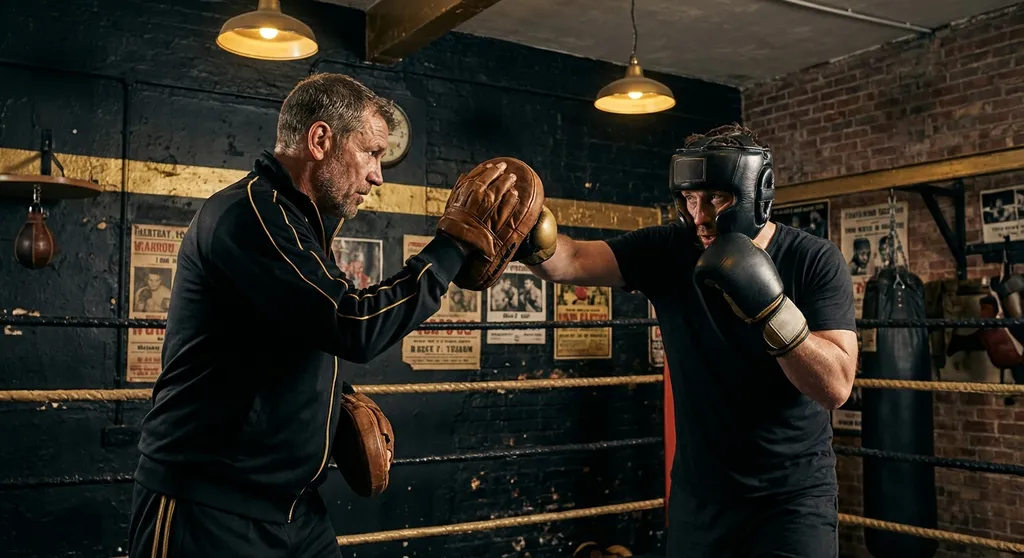
Will you be the only beginner? In a club that takes fitness and recreational boxing seriously, no. Adult beginners are common. If you are starting from zero, use the adult beginner boxing route; the typical Adult Recreational session at H&G includes people at several different levels.
What about injury? Non-contact boxing - bags, pads, shadow work - has a low injury profile. Take your warm-up seriously, tell your coach about any joint issues, and build volume gradually rather than doing five sessions a week from day one.
How often should you train? Two sessions per week is enough to see real progress. Three is better if your schedule allows. Beyond that, recovery becomes the limiting factor rather than volume.
Do you need to spar? No. Recreational boxing - bags, pads, shadow work, fitness circuits - is entirely complete as a practice. Many long-term members at H&G never spar and have no interest in doing so. It is not a requirement.
Are there other people your age? Yes. The adult classes at H&G include members from their late 20s into their 50s and beyond. You will not be the outlier you might expect.
The One Thing Worth Knowing
The people who do best when starting boxing in their 30s are not the ones who were good at sport as teenagers. They are the ones who show up consistently for the first six weeks and do not quit when it is difficult.
The physical foundation you have at 32 or 36 is more than adequate. The question is whether you are willing to look like a beginner for a while - which, to be clear, is exactly what a beginner looks like. That part is temporary. The fitness and the skill are not.
Boxing in your 30s is not a consolation prize for not having started earlier. For a lot of people, it is really the right time.
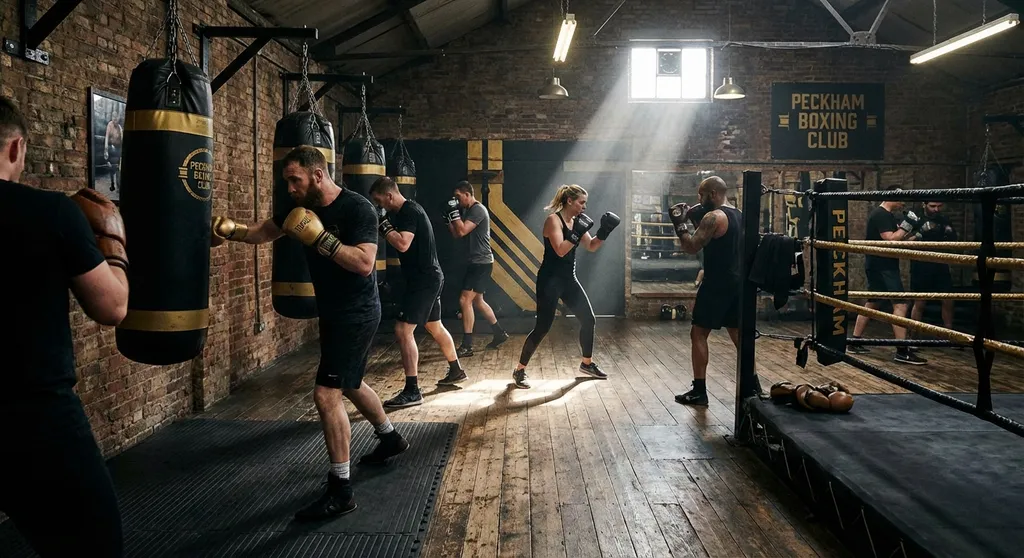
If you are in Greenwich, Kidbrooke, Blackheath, or anywhere across south-east London and you have been thinking about it - the simplest next step is to come in and see what a session actually looks like. No commitment, no contract, no pressure.
If you want the wider picture, read our Boxing by Age guide. The previous decade guide is Boxing in Your 20s: Build Proper Habits Early. The next step up the age ladder is Boxing for Men Over 40 or Boxing for Women Over 40, and the next broad later-life piece is Boxing for People Over 50.
Claim a free trial session at Honour and Glory Boxing Club.
Adult beginner route
If you are deciding where to start, use the main adult beginner boxing guide. It compares the normal group-class route, women-only classes, weight-loss intent and private coaching for nervous or time-constrained beginners.
H&G Team
Writer at Honour & Glory Boxing Club, a community boxing gym in Kidbrooke, South East London.
KEEP READING
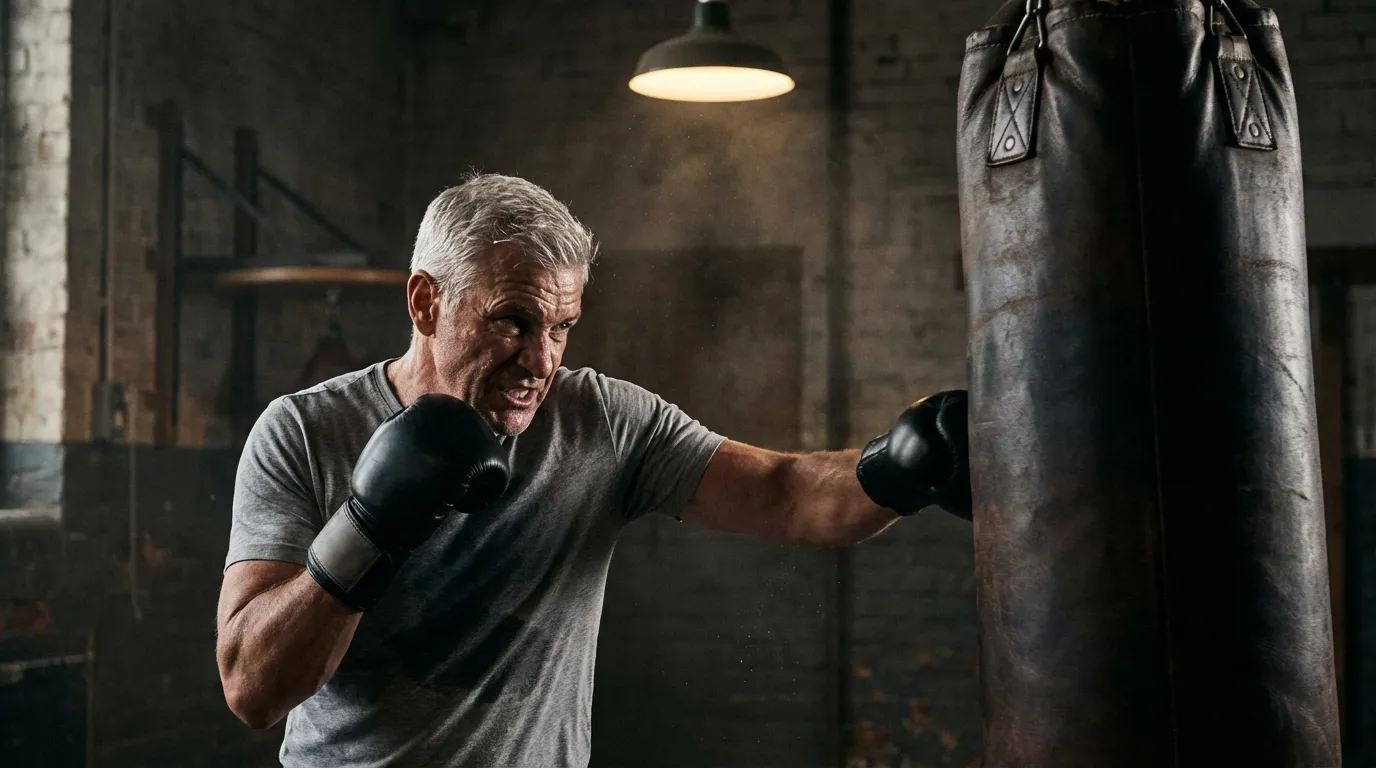
Boxing for Older Adults: How to Start Safely
A practical guide to boxing for older adults: safe starting points, balance, confidence, strength, recovery and what to expect in the gym.
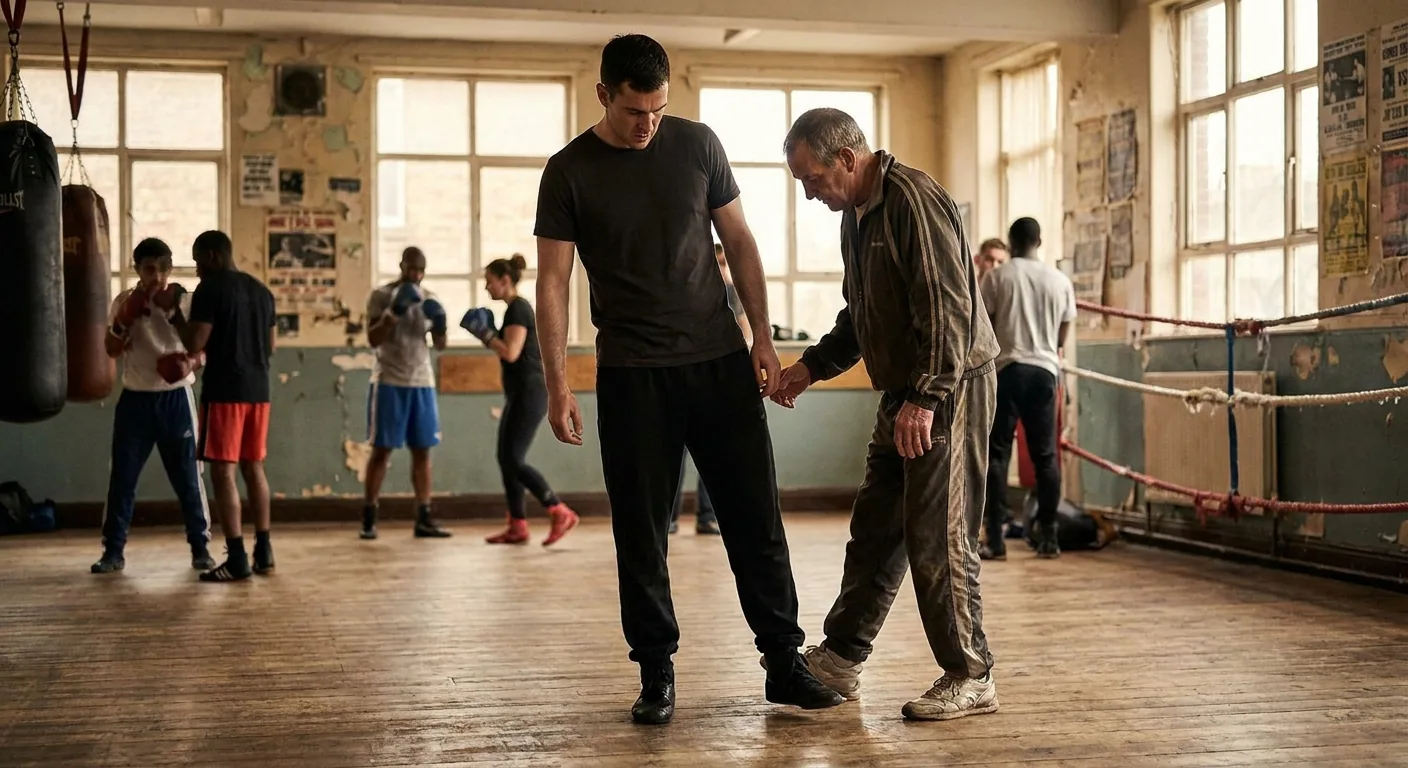
Boxing If You Are Clumsy: Why It Helps
Feel clumsy in the gym? Boxing gives adults a practical way to build rhythm, balance and body control without pretending to be elite.

Am I Too Old to Start Boxing?
Most adults asking if they are too old for boxing are really asking the wrong question. Here is the honest answer.
Was this page helpful?
It takes one tap, and it genuinely helps.
Choose your next step
Turn this article into the right action
Some readers are ready to book. Some need the class route first. Pick the route that matches what you actually want.