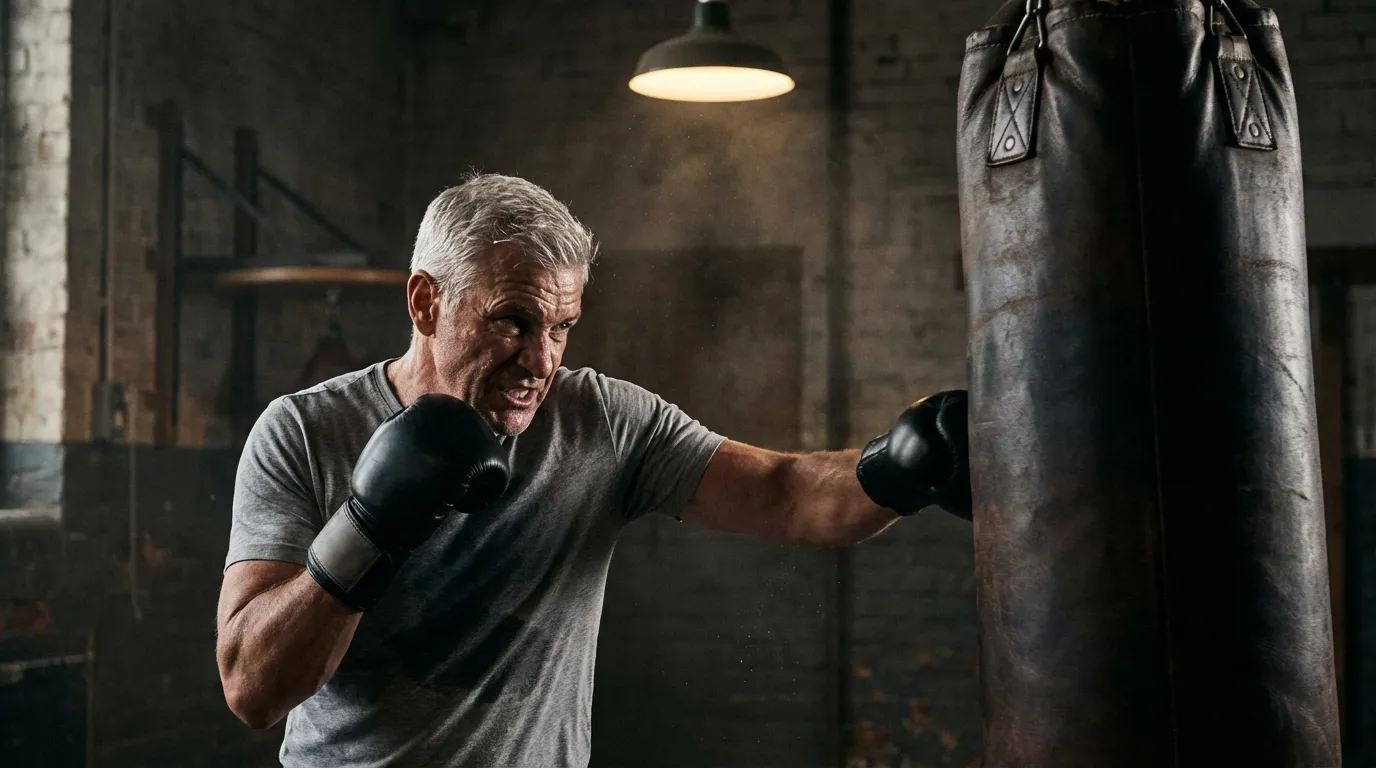
Walk into any boxing gym and you will see something that surprises most people: not everyone is young.
Mixed in with the twenty-somethings you will find people in their forties, fifties, and sixties - throwing punches, working bags, and getting in better shape than many people half their age.
If you have ever thought "I am too old for boxing," you are wrong. Here is why boxing might actually be more valuable as you get older, and what you need to know to get started safely.
Why Boxing is Particularly Good for Older Adults
The benefits of boxing become more valuable, not less, as we age. Here is what boxing addresses:
Balance and Coordination
Falls become one of the leading causes of serious injury as we age. The NHS reports that falls account for 40% of all hospital admissions for older adults (source).
Boxing specifically trains the systems that prevent falls: balance, coordination, reaction time, and the ability to recover when you are off-centre. Footwork drills improve proprioception - your body's sense of where it is in space. Defensive movements train quick reactions.
A study published in the Journal of Aging and Physical Activity found that boxing training improved balance and gait in older adults more effectively than traditional exercise programmes.
Bone Density
We lose bone density as we age, particularly women after menopause. This makes fractures more likely and more serious.
Weight-bearing, impact exercise stimulates bone growth. Boxing provides this through the footwork (impact with the ground) and punching (impact through the fists into the bag). While it is not heavy weightlifting, the repeated impact helps maintain bone density better than non-impact activities like swimming or cycling.
Cognitive Function
Perhaps the most exciting benefit for older adults: boxing appears to be excellent for brain health.
Boxing requires constant mental engagement - remembering combinations, reading opponents, making split-second decisions. This cognitive demand exercises the brain in ways that simple repetitive exercise does not.
Research from the Cleveland Clinic found that boxing training can slow cognitive decline and even improve brain function in people with Parkinson's disease. While most older adults do not have Parkinson's, the underlying principle applies: complex physical activity that challenges the brain helps maintain cognitive function.
Muscle Mass
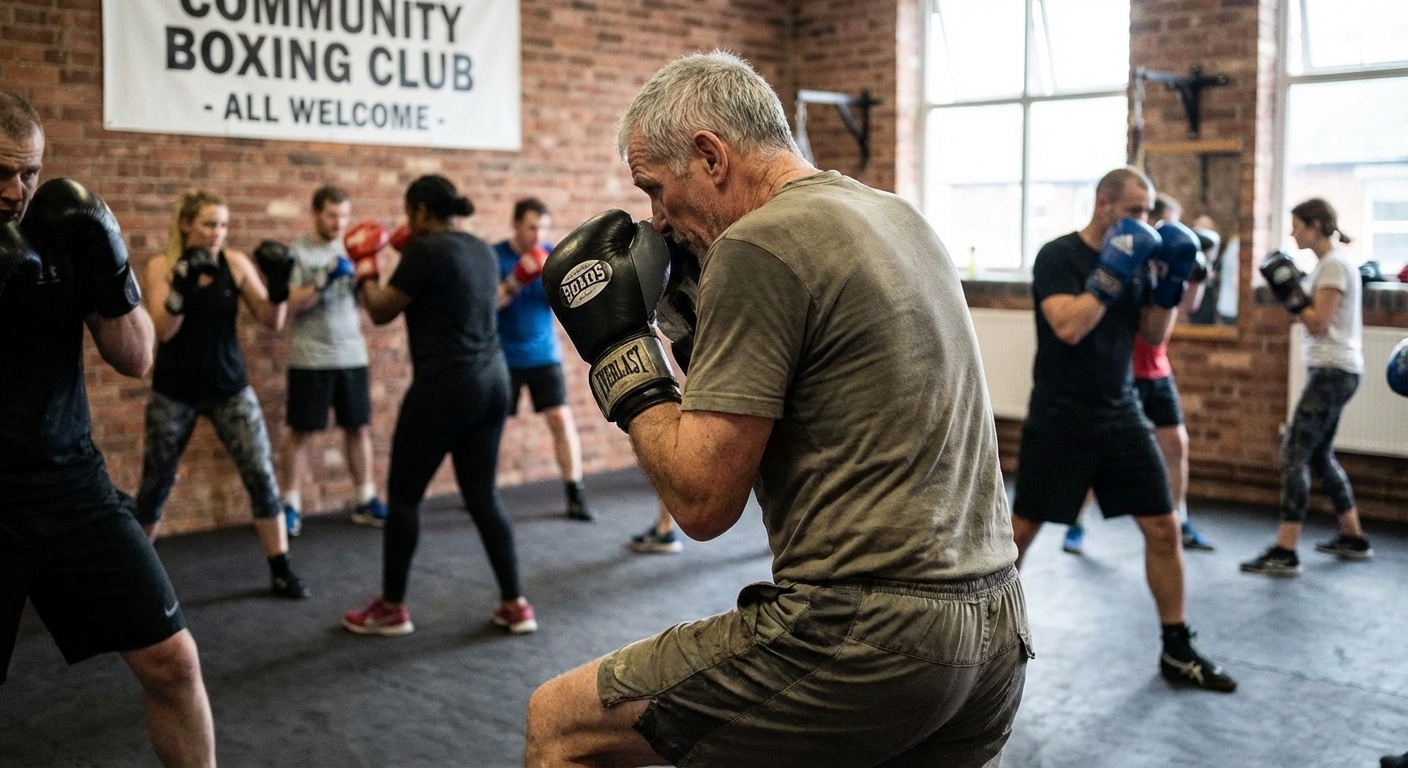
We lose muscle mass starting in our 30s - roughly 3-5% per decade after age 30. This age-related muscle loss (sarcopenia) contributes to weakness, reduced mobility, and decreased quality of life.
Boxing is resistance training in disguise. Every punch involves your entire kinetic chain - legs, core, shoulders, arms. The high-rep, moderate-resistance nature of boxing helps maintain and even build muscle mass.
Cardiovascular Health
Heart disease remains the leading cause of death in the UK. Cardiovascular exercise is one of the most effective preventive measures.
Boxing provides excellent cardiovascular training with the intensity naturally scaled to your capacity. You work hard enough to challenge your heart without the sustained high-impact stress of running.
Addressing Common Concerns
"I am not fit enough to start"
This is backwards. You do not need to be fit to start boxing - boxing makes you fit. Good coaches scale the workout to your current abilities. Your first session will be easier than your twentieth, which will be easier than your hundredth.
Start where you are. That is the whole point.
"I will get hurt"
Non-contact boxing has very low injury rates. You are not getting hit - you are hitting bags and pads. The main risks are overuse injuries (which proper technique and rest prevent) and the occasional bumped hand or shoulder.
Compare this to running, which has injury rates of 37-56% annually, and boxing actually looks safer for many older adults (source).
"It is too intense"
Boxing can be as intense as you make it. A 25-year-old competitive boxer trains very differently from a 57-year-old who is there for fitness. Good gyms accommodate this range.
You control how hard you punch, how fast you move, and how long you rest. The workout scales to you.
"My joints cannot handle it"
Boxing is actually easier on joints than many alternatives. There is no running (high impact on knees), no heavy lifting (stress on shoulders and spine), and no extreme ranges of motion (stress on tendons).
If you have existing joint issues, talk to your doctor first. But many people find boxing more joint-friendly than activities they have already been doing.
"I will look silly"
Everyone looks silly when they start. The 22-year-old who just joined looks just as awkward as you will. Nobody cares because everyone remembers being a beginner.
Any gym worth training at will be supportive of newcomers regardless of age.
Getting Started Safely
If you are over 40 and considering boxing, here are some recommendations:
Get Medical Clearance
Before starting any new exercise programme, talk to your doctor. This is particularly important if you have cardiovascular conditions, high blood pressure, diabetes, or other chronic health issues.
Most doctors will encourage exercise - just make sure there are no specific contraindications for boxing.
Find the Right Gym
Not all boxing gyms are the same. Look for:
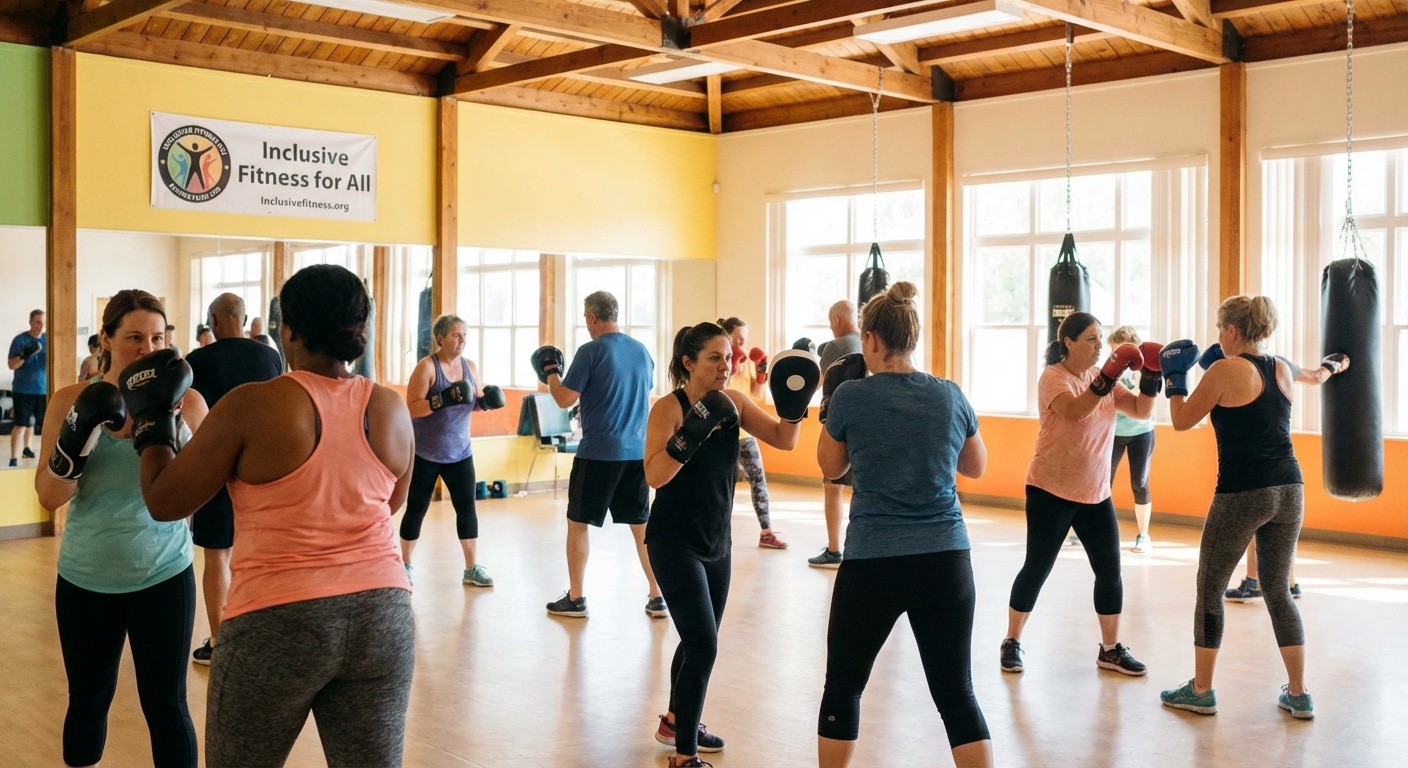
- Classes specifically for beginners (some gyms offer "over 40" sessions)
- Coaches who ask about injuries and limitations
- A welcoming atmosphere that does not seem to be just for young competitive fighters
- Other members in your age range
Visit and observe a class before joining. The vibe matters.
Start Slowly
There is no rush. Your first few months should focus on learning technique rather than pushing intensity. Power and speed can come later - first, learn to move correctly.
Two sessions per week is plenty to start. Let your body adapt before adding more.
Prioritise Recovery
Recovery takes longer as we age. This is not weakness - it is biology. Plan rest days, get adequate sleep, and do not train through pain.
One of the advantages of being older is usually having better self-awareness. Listen to your body.
Focus on Technique
Good technique protects you from injury and makes the workout more effective. Do not try to punch hard before you can punch correctly.
The technical nature of boxing is actually an advantage for older learners. It is not just about physical ability - there is a mental component where experience and patience are assets.
What to Expect in Your First Months
Here is a realistic timeline for older adults starting boxing:
- Weeks 1-2. Everything feels awkward. You are learning basic stance and movement. Expect to feel uncoordinated - that is normal.
- Weeks 3-4. Basic punches start to feel more natural. You are still thinking about every movement, but it is less overwhelming.
- Months 2-3. Fitness improvements become noticeable. You are less winded during sessions. Basic combinations are possible.
- Months 4-6. Real competence developing. You look like someone who is trained. Physical changes become visible.
- Beyond 6 months. Boxing becomes part of your identity. You are fit, capable, and doing something most people your age would not attempt.
Real People, Real Results
We see older adults transform regularly at H&G. A few patterns we have noticed:
- Better sleep. Many report improved sleep quality within a few weeks of starting.
- Increased energy. Counterintuitively, expending energy in training seems to create more energy in daily life.
- Improved mood. The combination of exercise, skill development, and community has powerful mental health effects.
- Surprise from peers. Friends and family are often impressed - and occasionally inspired - when someone starts boxing in middle age.
- Pride. There is something deeply satisfying about doing something that seemed beyond your capacity.
A Note About Competition
Some older adults train boxing with no interest in ever sparring or competing. That is completely fine. The fitness and skill benefits do not require you to ever take a punch.
Others discover a competitive streak they did not know they had. Masters boxing (competitions for older athletes) exists and is growing.
Either path is valid. The beauty of boxing is that you can go as far as you want.
The Bottom Line
There is no age limit on starting boxing. Whether you are 45 or 65, you can learn to box and get fitter than you have been in years.
The benefits - balance, bone density, brain function, muscle mass, cardiovascular health - become more valuable as we age, not less. And the skill element keeps it interesting long after a treadmill would have bored you to tears.
The only limiting factor is the stories we tell ourselves about what we can do.
Take the First Step
If you have been thinking about boxing but hesitating because of age, stop hesitating.
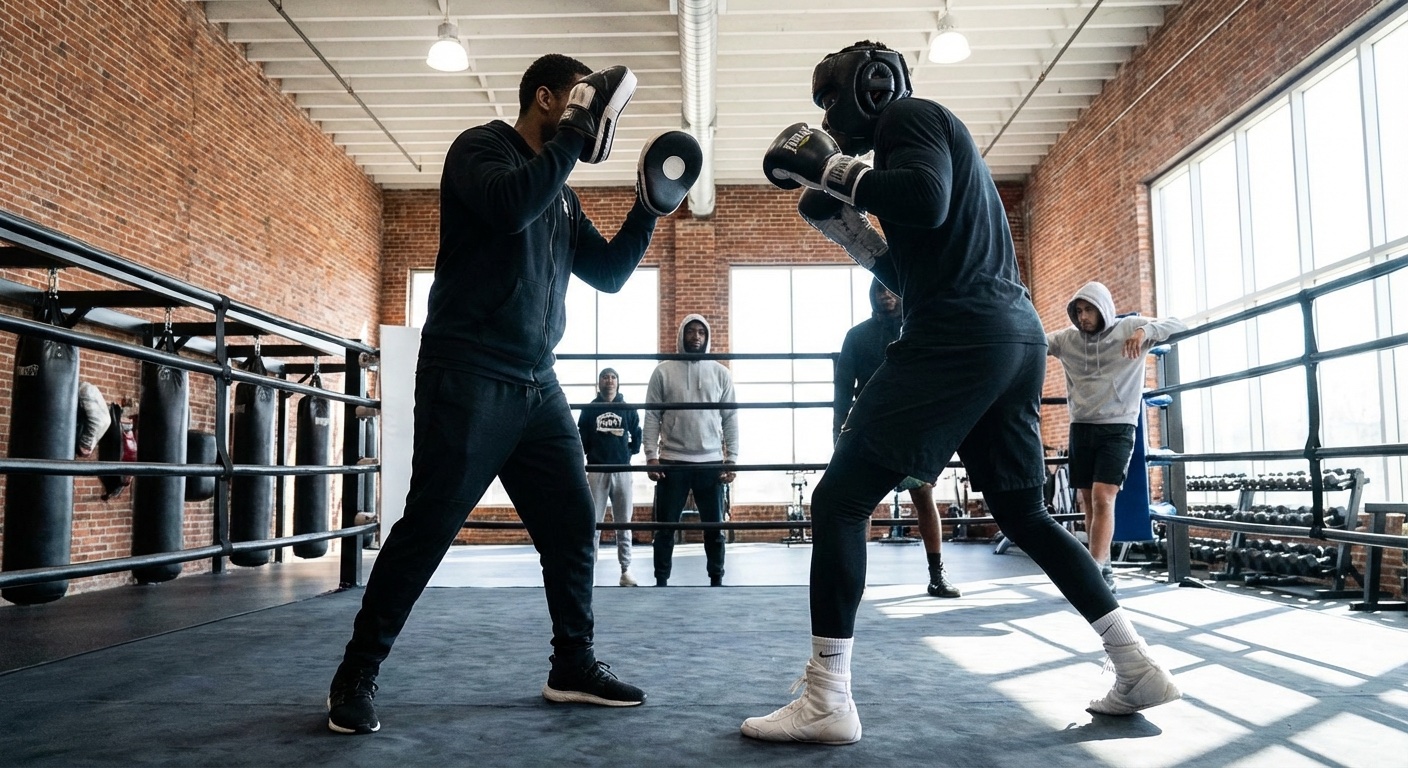
At H&G Boxing, we welcome people of all ages. We have members in their twenties training alongside members in their sixties. Most later starters begin in the Adult Recreational class, where the focus is technique, fitness, and sensible progression. Age is just a number - what matters is showing up and putting in the work.
If you want the sharper decade-by-decade version, read our Boxing by Age guide. You can also go straight to Am I Too Old to Start Boxing?, Boxing Over 50, Boxing in Your 60s, or Boxing in Your 70s.
H&G Team
Writer at Honour & Glory Boxing Club, a community boxing gym in Kidbrooke, South East London.
KEEP READING
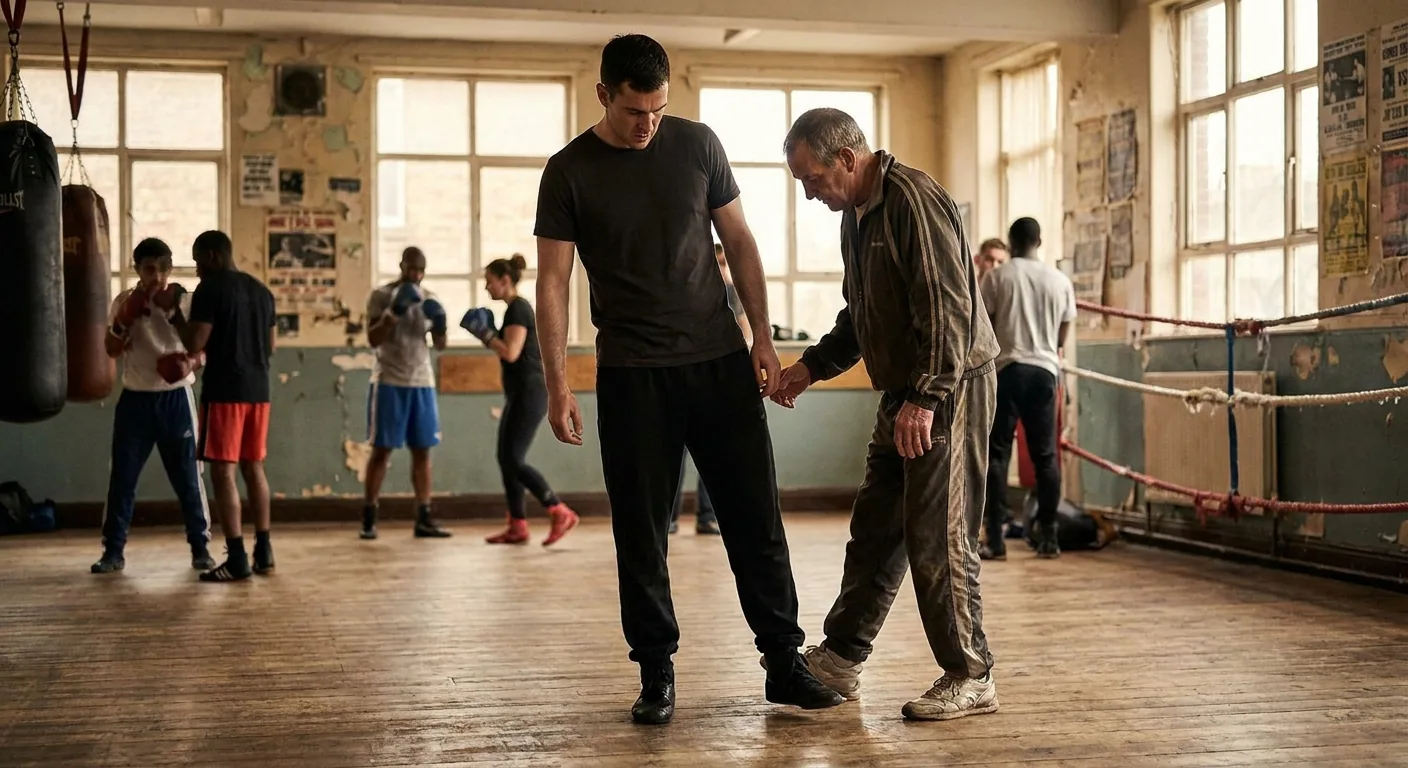
Boxing If You Are Clumsy: Why It Helps
Feel clumsy in the gym? Boxing gives adults a practical way to build rhythm, balance and body control without pretending to be elite.
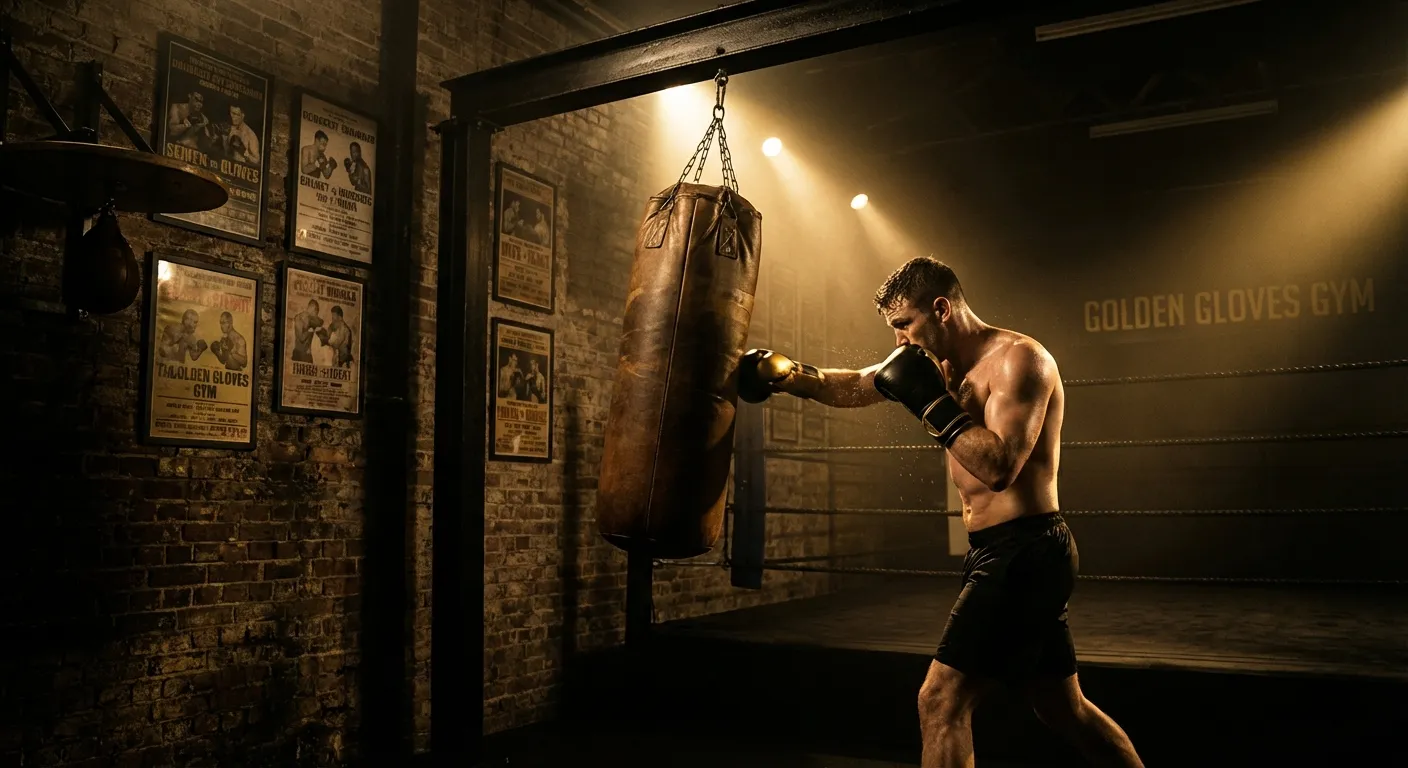
Boxing in Your 30s: Why It Is Not Too Late
Starting boxing in your 30s is practical: you recover well, listen better, and usually have enough discipline to train consistently.

Am I Too Old to Start Boxing?
Most adults asking if they are too old for boxing are really asking the wrong question. Here is the honest answer.
Was this page helpful?
It takes one tap, and it genuinely helps.
Choose your next step
Turn this article into the right action
Some readers are ready to book. Some need the class route first. Pick the route that matches what you actually want.