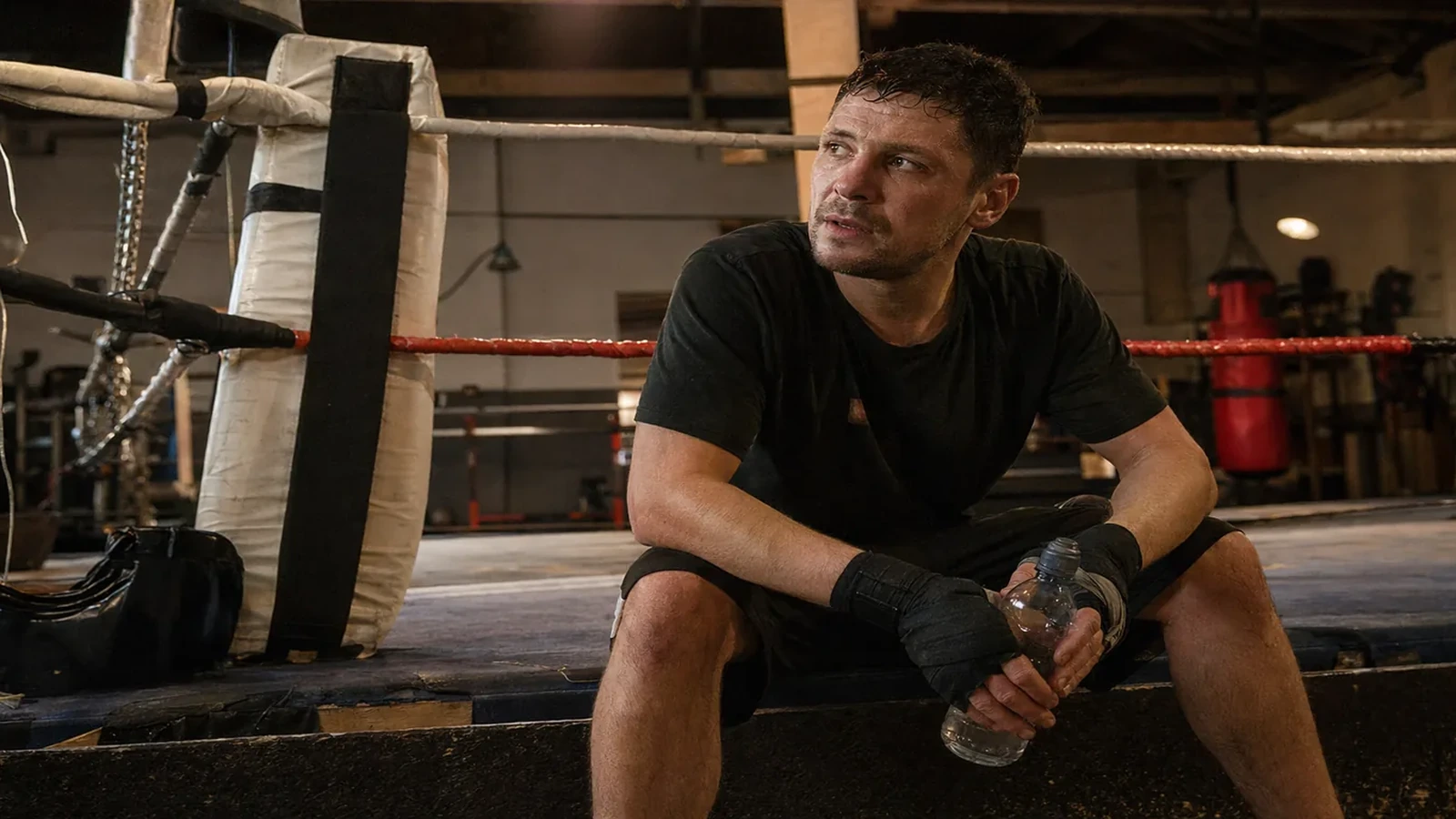
Best exercise for plumbers? Boxing is one of the strongest answers on the table.
Not because plumbers are short on physical effort. Because the effort the job creates is usually repetitive, awkward and local. You can finish a day feeling battered without feeling athletic. That is the difference.
Plumbing work often means crouching, kneeling, twisting, carrying, van time, tight spaces, awkward reaches and long periods bent into job-shaped positions. The best exercise for plumbers needs to add movement quality, conditioning and a proper mental reset, not just more random graft.
That is why boxing fits so well.
Plumbing work creates strain, not balanced training
A lot of manual trades build toughness, but they also build wear in the same patterns over and over.
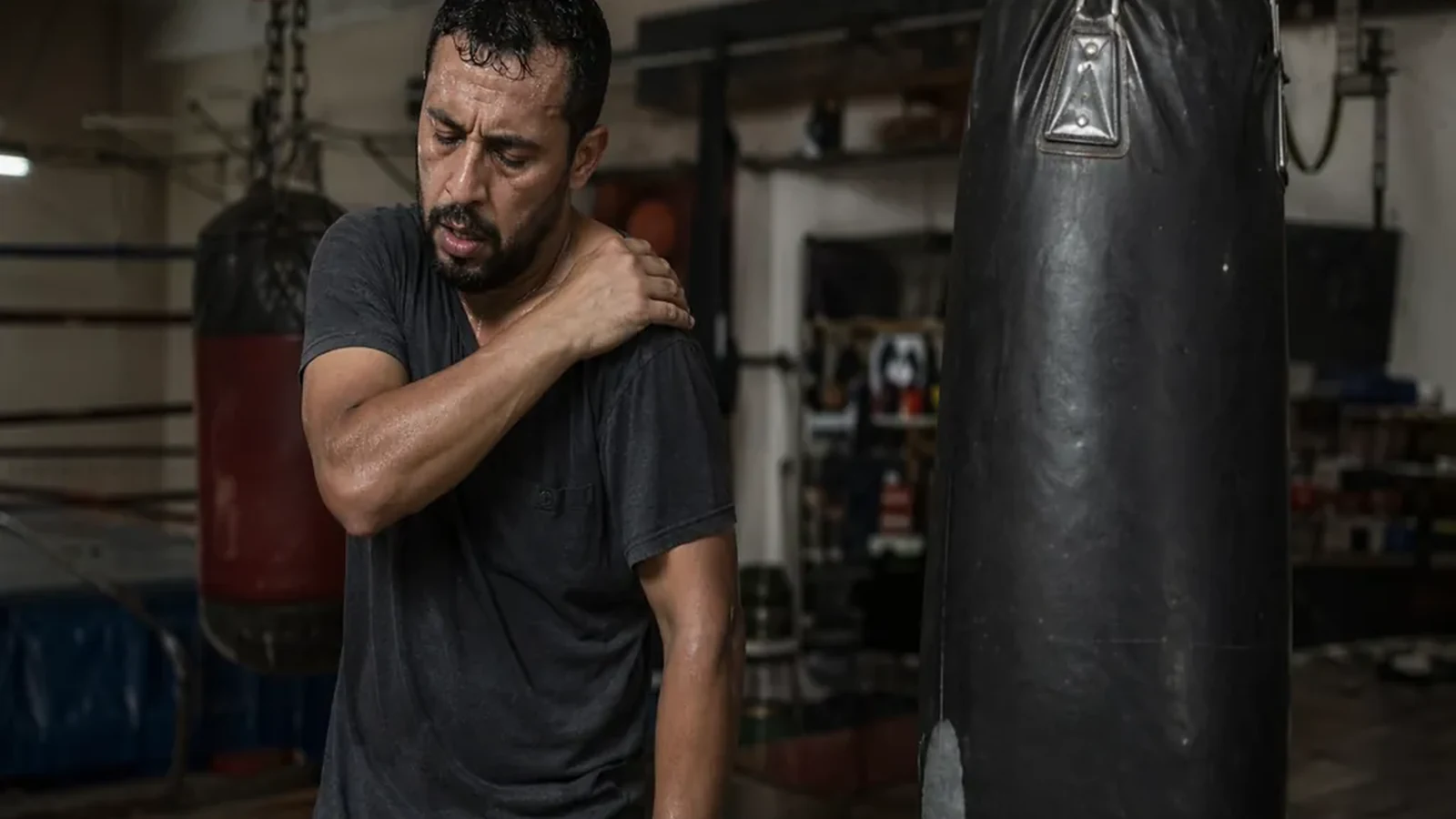
With plumbing, it is often the low back, knees, neck and shoulders that take the hit. A study on work-related musculoskeletal disorders among plumbers in Nigeria found a high prevalence of musculoskeletal problems, with the low back, neck and knees among the most commonly affected body regions (plumber musculoskeletal study). That should not surprise anyone who has spent years kneeling under sinks, working in floor voids or twisting around awkward pipe runs.
There is often a sitting layer around the day too. The NHS says many adults in the UK spend around nine hours a day sitting and that reducing health risk means both regular exercise and breaking up long periods of sitting (NHS guidance). Plumbers are not desk workers, but vans, travel between jobs, quoting and admin still add enough static time to stiffen everything up further.
So the body gets two different kinds of fatigue:
- awkward manual strain
- static compression around the workday
That is not the same as being well trained.
Boxing gives plumbers movement they do not get from work
This is where boxing earns its place.
You move your feet. You rotate. You brace. You work rhythm and timing. The shoulders and trunk have to coordinate properly. The hips have to open and close in motion. You stop living only in crouch, twist and hold.
That matters because a lot of plumbing fatigue is local and one-sided. Tight hips from kneeling. Heavy lower back from awkward trunk positions. Neck and traps full of tension. Forearms and grip cooked from tool work. Boxing does not magically erase that, but it gives the body a more complete movement pattern again.
It also helps that the session feels alive. Plenty of plumbers do not need one more boring gym hour after a long day. Boxing works better because it is physically honest without feeling like more of the same.
Why boxing can beat just lifting more weights
Lifting is obviously useful when it is programmed well.
But if your job already gives you enough strange loading, awkward positions and repetitive effort, the answer is not always another evening of moving heavy things up and down in a straight line. Sometimes the better choice is training that improves your conditioning while also moving you better.
That is where boxing wins.
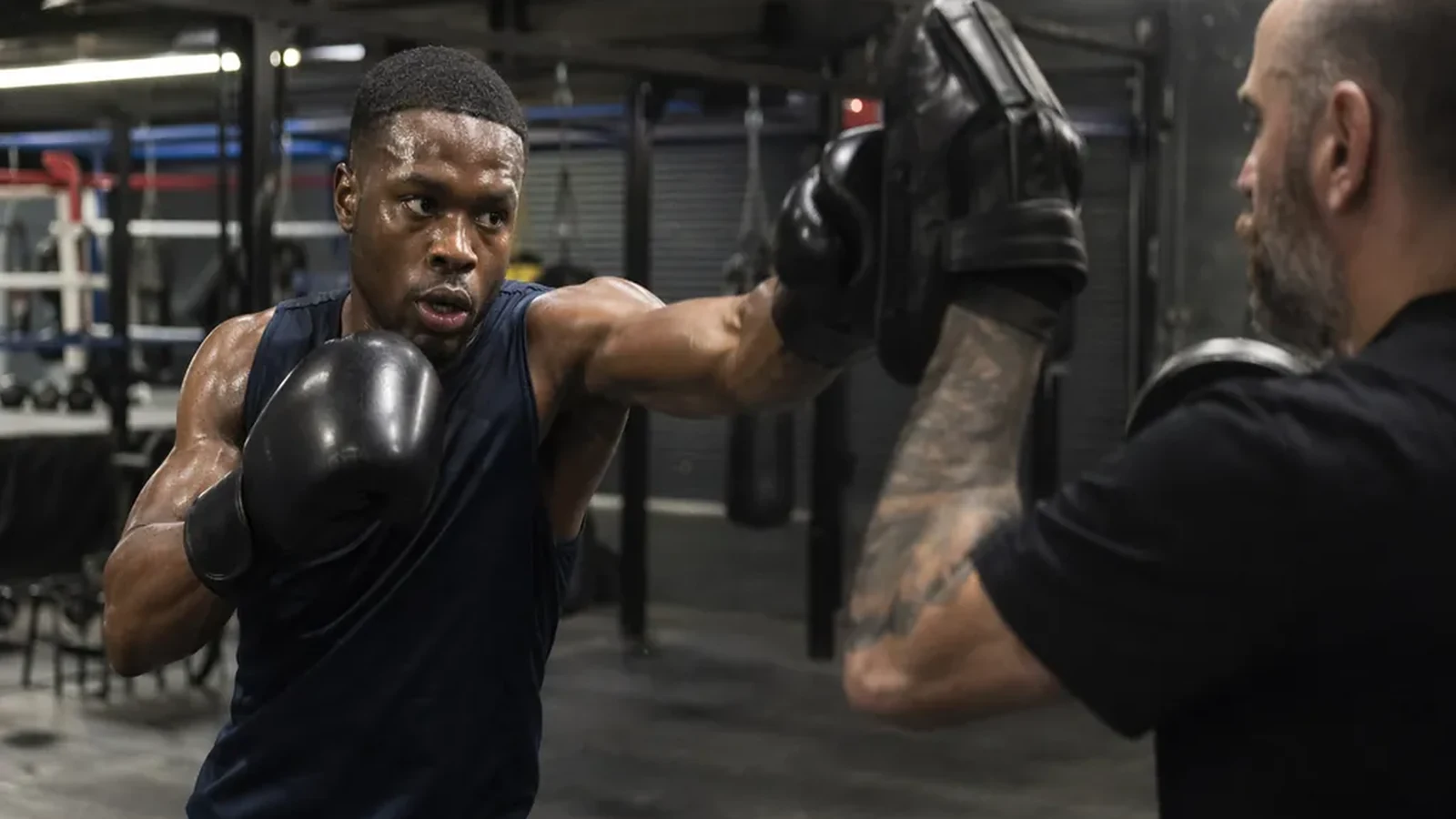
It gives the upper body real work, but in a more dynamic pattern. It gives your trunk rotation instead of only bracing. It gives your legs movement instead of only support. It asks for coordination rather than only force.
For plumbers, that difference matters. The job already provides enough of the brute side. Boxing adds athleticism.
Plumbers need a proper outlet, not just passive recovery
There is also the mental side.
Jobs overrun. Access is awkward. Customers panic. Traffic drags. Something simple turns into two extra hours because the pipework behind the wall is a mess. Trades stress is often practical rather than corporate, but it still stacks up.
Boxing helps because it gives you a hard mental break. Pads, bag rounds and drills demand enough attention that the day drops away for a bit. For an hour, you are not thinking about callouts, leaking joints, tool bags or whether tomorrow's first job will spiral.
That kind of reset is one reason boxing lands so well with manual trades.
If you want the broader stress angle, boxing for stress relief is the obvious next read.
It helps you feel athletic again, not just useful
This is the bit many people miss.
A lot of plumbers feel physically useful from work, but not especially athletic. Those are not the same thing.
Usefulness is kneeling, carrying, twisting, reaching and getting the job done. Athleticism is balance, timing, rotation, coordination and controlled effort. Boxing brings more of the second group back into the week.
That matters because bodies usually feel better when they are not trapped inside one narrow movement diet all the time. If your week is full of crouching, kneeling, confined-space positions and stop-start van travel, boxing is one of the clearest ways to reintroduce full-body movement that still feels real.
A CDC-backed study of pipe trades workers also found substantial work-related musculoskeletal symptoms in plumbers and fitters, again underlining that trade work can be highly physical without being especially kind to the body (pipe trades symptom study).
The NHS adult activity guidelines are a useful frame here too: adults should aim for weekly aerobic activity plus strengthening work on two days, which is different from only relying on occupational strain (NHS adult activity guidelines).
What kind of boxing works best for plumbers?
For most plumbers, the sweet spot is recreational boxing two or three times a week.
Not hard sparring. Not trying to turn a demanding trade into a second demanding identity. Just proper coached sessions that build engine, move the body better and give you a proper break from work-shaped fatigue.
That is why our Adult Recreational boxing classes fit so well here. You get structure, challenge and coaching without needing to become obsessed with the sport to benefit from it.
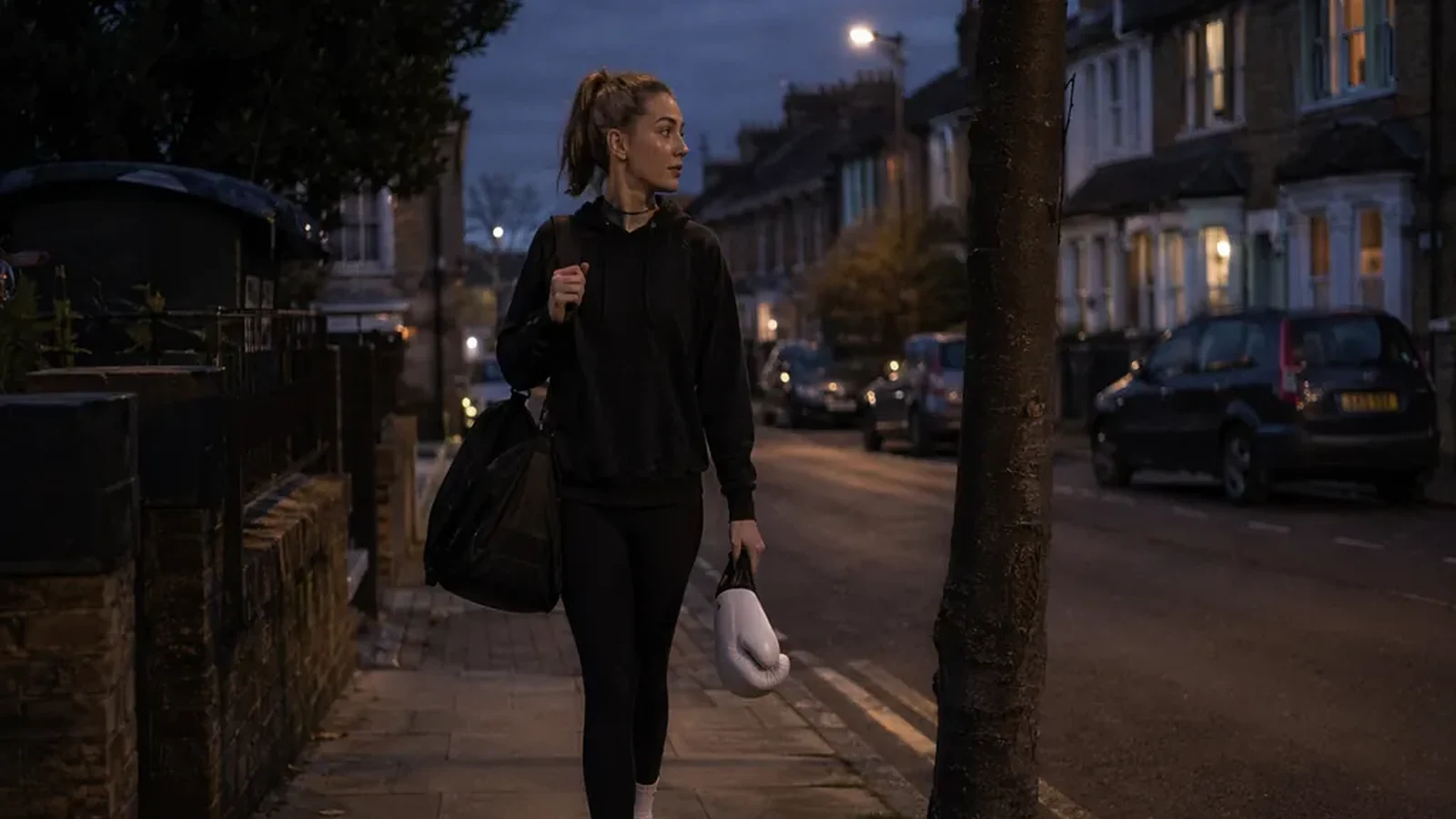
If you are based around Greenwich or Kidbrooke, it is also practical enough to fit after work without turning training into another project to manage.
The honest caveat
Boxing is not going to fix bad recovery, endless overtime, poor van seats or years of ignoring your knees and back.
It will not solve every ache that comes with the trade. And if you have an actual injury, you need to deal with that properly rather than talking yourself into training through it because you are stubborn.
But if the practical question is what exercise gives plumbers better movement, real conditioning and a proper mental break from work-shaped strain, boxing is one useful answer on the table.
It gives you something the job usually does not: balanced, skill-based movement that still feels honest.
If you want the broader comparison with generic gym work, boxing vs gym: why people switch is worth reading next.
How to start if you do this job
For most plumbers, the best first step is a normal coached group class, not a complicated programme. Start with Adult Recreational boxing or the broader adult beginner boxing guide if you want to understand what happens first.
If your rota, clients or working hours make set classes hard, use boxing personal training or private boxing lessons as the paid route. The free trial is for scheduled group classes.
Book a free trial session at Honour and Glory Boxing Club.
More job-specific boxing guides
If this article fits your work pattern, the full boxing for workers guide links the rest of the job-specific series, including desk workers, shift workers, trades, carers, drivers, teachers and busy professionals.
H&G Team
Writer at Honour & Glory Boxing Club, a community boxing gym in Kidbrooke, South East London.
KEEP READING

Boxing Fitness for Electricians: When It Fits
Boxing can be a useful training option for electricians when you want coached movement, conditioning and a clear break from work. It is not the only answer, but it can fit well.
Boxing Fitness for Students: When It Fits
Boxing can be a useful training option for students when you want coached movement, conditioning and a clear break from work. It is not the only answer, but it can fit well.
Lower Back Pain in Boxing: Rotation, Bag Work and Return to Training
A careful boxing guide to lower back pain: why rotation, fatigue, hip stiffness and load spikes can irritate the back, NHS red flags, rehab phases and return to boxing.
Was this page helpful?
It takes one tap, and it genuinely helps.
Choose your next step
Turn this article into the right action
Some readers are ready to book. Some need the class route first. Pick the route that matches what you actually want.