
Best exercise for electricians? Boxing makes a lot of sense.
Not because electricians are not already active. Because the type of activity the job gives you is not the same thing as good training.
Electrical work can mean ladders, crouching, van time, overhead work, awkward positions, one-sided strain, tight shoulders, tight hips and a lot of repetitive low-level tension. You can finish the day feeling physically worked without feeling physically balanced. The best exercise for electricians needs to add what the job is missing, not simply pile more load on top.
That is why boxing fits so well.
Electrical work creates its own kind of wear
A lot of trades look "fit" from the outside. Sometimes they are. But they also come with repeated patterns that build fatigue and irritation faster than they build athleticism.
Electrical work is a good example. A 2025 prospective cohort study on welders and electrical workers found that risks in the electrical trades were strongly tied to hand-arm vibration and working at or above shoulder height, with overhead work linked to both back and shoulder pain in electrical workers (electrical worker cohort study). That should ring true for anyone who has spent enough time reaching into ceilings, carrying tools, kneeling into awkward spaces or working off a ladder.
There is usually a sitting layer too. The NHS notes that many adults in the UK spend around nine hours a day sitting and that health protection means both exercising regularly and reducing or breaking up sitting time (NHS guidance). The HSE also treats hand-arm vibration as a serious workplace risk where tool exposure needs managing rather than ignored (HSE hand-arm vibration guidance). Electricians are not desk workers, but van time, callouts, travel between jobs and admin can still create plenty of static time around the more active parts of the day.
So the body ends up dealing with two problems at once:
- repetitive awkward strain
- bursts of static compression around the workday
That is not the same as being well trained.
Boxing gives electricians movement that work usually does not
Boxing is useful because it is active in a different direction.
You rotate. You move your feet. You brace. You coordinate hands, trunk and hips. The shoulders work, but not only in the same job-shaped pattern. The body has to move as a whole rather than just grind through one-sided work positions all week.
That matters for electricians because a lot of job fatigue is local. Sore shoulders. Heavy traps. Cooked forearms. Stiff lower back. Hips that feel closed up after too much kneeling, crouching or driving. Boxing gives you training that still feels real, but with better rhythm and more variety.
It also helps that boxing is demanding without feeling like more manual labour. Plenty of electricians do not need another joyless workout after a long day. They need something hard enough to matter but interesting enough to keep doing.
Why boxing can beat simply lifting more
Lifting can obviously be useful. No argument there.
But if your work already exposes you to a lot of awkward loading, overhead effort and one-sided fatigue, the answer is not always another session of moving heavy things in the evening. Sometimes the better move is training that improves coordination, conditioning and movement quality while still challenging you.
That is where boxing wins.
It gives the upper body real work, but in a more dynamic way. It asks your trunk to rotate and stabilise. It asks your legs to move, not just support. It gives your shoulders a job, but not only the same job they have already had all day.
That is a very good trade if your body already feels overused in trade-specific patterns.

Electricians need a proper outlet too
There is also a mental side to this that people underplay.
Trades are not just physical. Deadlines, awkward jobs, access problems, customer pressure, rework, traffic, early starts and long days all add up. Even if the stress looks different from an office job, it is still stress.
Boxing helps because it is immersive. Pads, bag rounds and drills demand enough attention that the day finally stops sitting in your head. For an hour, there is no van, no callout, no ceiling void, no dodgy wall, no customer chasing an update.
That kind of reset is one reason boxing lands so well with people in manual trades.
If you want the broader stress angle, boxing for stress relief is the obvious next read.
It is one of the best ways to feel athletic again, not just useful
This is a big one.
A lot of electricians feel physically useful from work, but not especially athletic. That is a different thing.
Usefulness is carrying, reaching, kneeling, climbing and getting the job done. Athleticism is balance, coordination, rotation, timing, rhythm and controlled effort. Boxing brings more of the second category back into the week.
That matters because the body tends to feel better when it is not locked into one narrow movement diet all the time.
If your week is full of shoulder-height work, hand-arm vibration, kneeling and stop-start van travel, boxing is one of the clearest ways to reintroduce full-body movement that still feels honest.
The NHS adult activity guidelines also recommend weekly aerobic activity plus strengthening work on two days, which is a useful frame for trades where work feels active but does not always build balanced fitness (NHS adult activity guidelines).
What kind of boxing works best for electricians?
For most electricians, the sweet spot is recreational boxing two or three times a week.
Not hard sparring. Not trying to turn a physically demanding job into a second physically demanding identity. Just proper coached sessions that build engine, improve movement and let the head clear out a bit.
That is exactly why our Adult Recreational boxing classes fit well here. You get coaching, structure and challenge without needing to become obsessed with the sport to benefit from it.
If you are based around Greenwich or Kidbrooke, it is also practical enough to fit after work without turning training into another logistical nightmare.

The honest caveat
Boxing is not going to fix bad footwear, poor recovery, endless overtime or years of ignoring shoulder pain.
It will not erase every ache that comes from the trade. And if you are carrying a proper injury, you need to deal with that sensibly rather than pretending one good session solves everything.
But if the practical question is what exercise gives electricians better movement, real conditioning and a proper mental break from work-shaped fatigue, boxing is one of the strongest answers on the table.
It gives you something the job usually does not: balanced, skill-based movement that still feels real.
If you want the broader comparison with generic gym work, boxing vs gym: why people switch is worth reading next.

How to start if you do this job
For most electricians, the best first step is a normal coached group class, not a complicated programme. Start with Adult Recreational boxing or the broader adult beginner boxing guide if you want to understand what happens first.
If your rota, clients or working hours make set classes hard, use boxing personal training or private boxing lessons as the paid route. The free trial is for scheduled group classes.
Book a free trial session at Honour and Glory Boxing Club.
More job-specific boxing guides
If this article fits your work pattern, the full boxing for workers guide links the rest of the job-specific series, including desk workers, shift workers, trades, carers, drivers, teachers and busy professionals.
H&G Team
Writer at Honour & Glory Boxing Club, a community boxing gym in Kidbrooke, South East London.
KEEP READING

Boxing Fitness for Plumbers: When It Fits
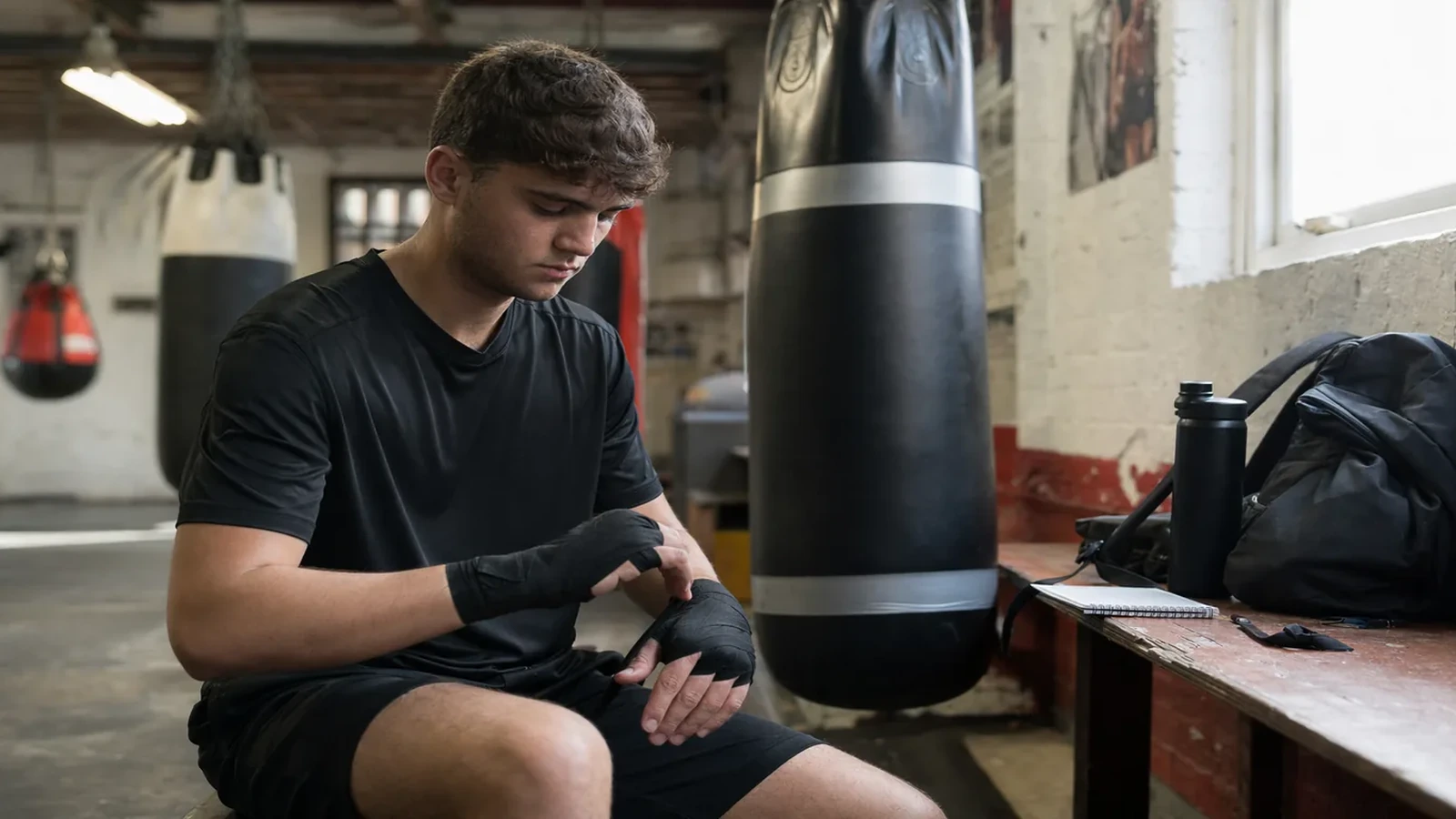
Boxing can be a useful training option for plumbers when you want coached movement, conditioning and a clear break from work. It is not the only answer, but it can fit well.
Boxing Fitness for Students: When It Fits
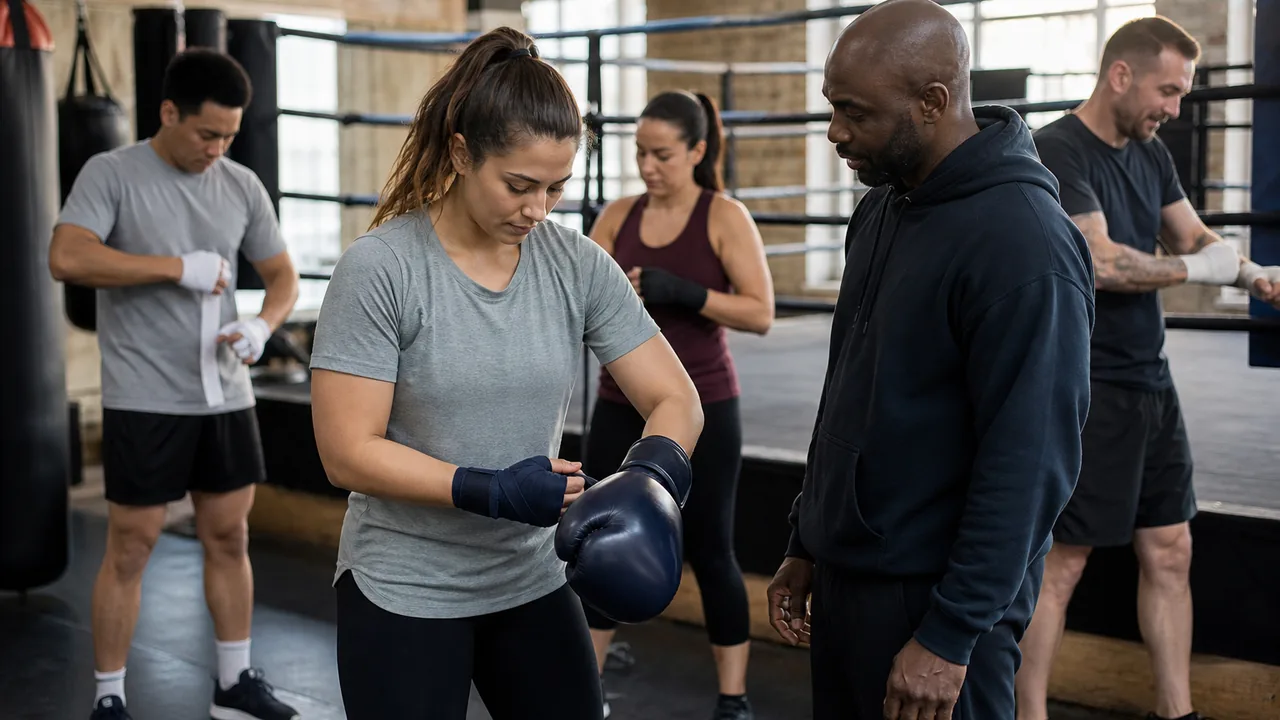
Boxing can be a useful training option for students when you want coached movement, conditioning and a clear break from work. It is not the only answer, but it can fit well.
Common Boxing Injuries: What Hurts, Why, and When to Get Help
A medically careful guide to common boxing injuries: hands, wrists, shoulders, elbows, ribs, calf strains, knees, back pain and concussion, with NHS-backed warning signs.
Was this page helpful?
It takes one tap, and it genuinely helps.
Choose your next step
Turn this article into the right action
Some readers are ready to book. Some need the class route first. Pick the route that matches what you actually want.