Boxing vs Yoga
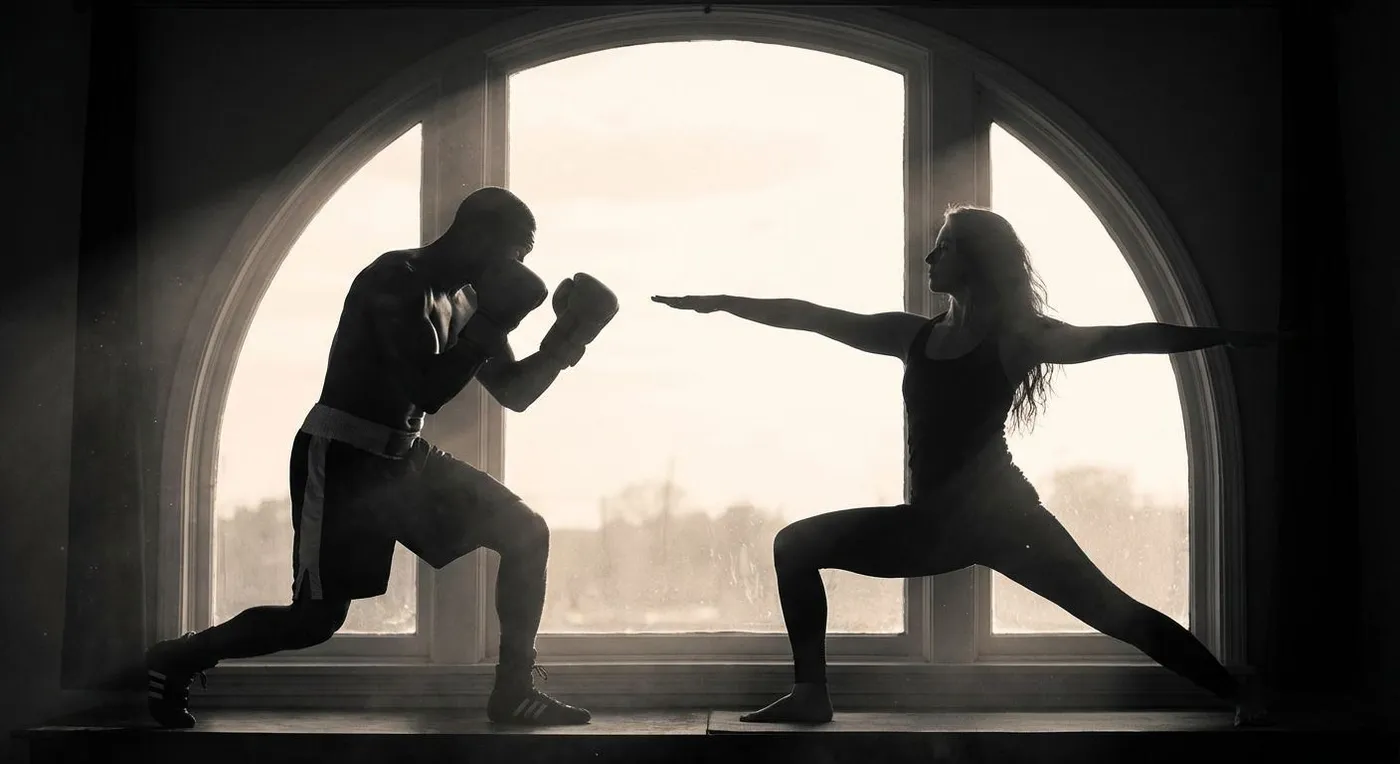
On the surface, these could not be more different. One is explosive, aggressive, and loud. The other is slow, controlled, and silent. But they complement each other better than almost any other pairing, and the comparison reveals what each one is really good for.
The Core Difference
Boxing
Explosive, outward energy. You release stress by channelling it into something physical.
- • High-intensity, interval-based
- • Explosive power and speed
- • Outward confidence and assertiveness
- • Full-body dynamic strength
- • Self-defence as a by-product
Yoga
Controlled, inward energy. You manage stress by finding stillness within it.
- • Sustained holds and controlled flow
- • Flexibility and joint mobility
- • Inner calm and mental clarity
- • Isometric strength and stability
- • Breath control (pranayama)
These are not competing activities. They are opposite ends of the same spectrum. Boxing is yang: explosive, aggressive, outward. Yoga is yin: controlled, patient, inward. One r/amateur_boxing poster described it perfectly: "I practice both and totally agree that any movement can be yoga. A big piece for me is pranayama, breath control."
The best athletes understand that you need both. Power without flexibility leads to injury. Flexibility without power leaves you soft. The question is which one you need more right now.
Calorie Burn: The Numbers
Calories per hour (70 kg / 11 stone person)
Sources: Coach Magazine (Forza study), ACE Fitness. Hot yoga figures include elevated heart rate from heat, not all of which represents actual work.
Boxing burns more calories. This is not surprising. Boxing is a high-intensity, explosive activity. Yoga, even at its most vigorous, is a controlled, sustained effort. If pure calorie burn is your primary metric, boxing wins decisively.
But calorie burn is a narrow way to compare these two. As one Reddit commenter noted: "Boxing comes with a risk of harming both due to injury. Yoga is pretty low risk and also hits cardio, strength, flexibility and mobility all at once." Yoga does things for your body and mind that boxing cannot, and vice versa. The real question is what you need most.
Stress Relief: Two Opposite Approaches
Both boxing and yoga are exceptional for stress relief, but they work in completely different ways. Understanding this difference helps you choose the right one for your particular type of stress.
Boxing is cathartic. You release stress physically: hitting the heavy bag, channelling frustration into combinations, exhausting yourself so completely that the mental noise simply stops. After a hard boxing session, your stress does not gradually fade. It gets obliterated. For people who carry stress as physical tension, anger, or restlessness, boxing is often the most effective outlet they have ever found. See our full breakdown at Boxing for Mental Health.
Yoga works from the inside out. Breath control (pranayama), sustained poses, and the deliberate practice of stillness activate the parasympathetic nervous system. Yoga can support relaxation for some people, can help some people feel calmer and more centred. For people who carry stress as anxiety, overthinking, or insomnia, yoga can be useful.
The best stress management often combines both. Box to release. Do yoga to recover and restore balance.
Flexibility and Mobility
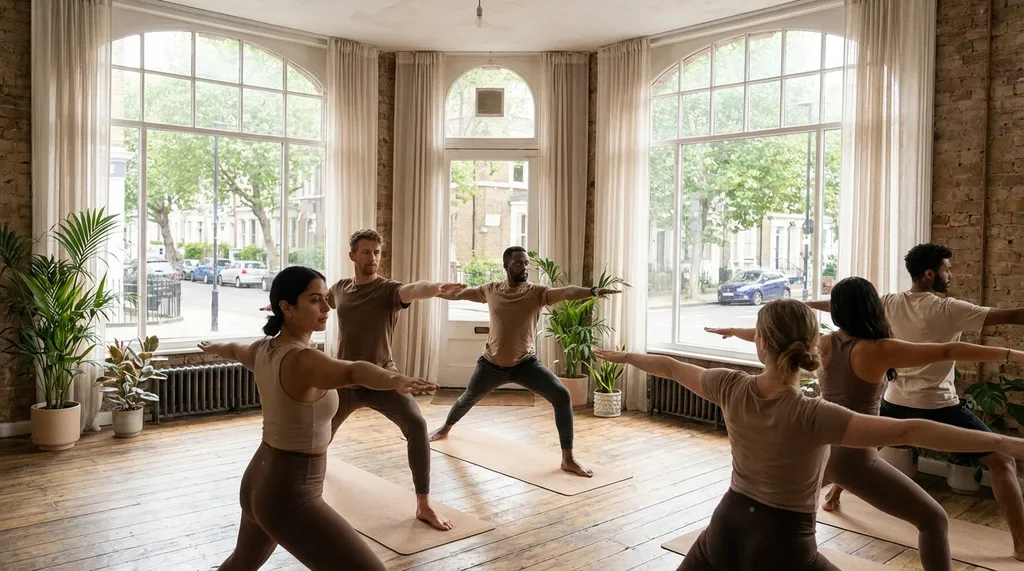
Yoga wins this category decisively. Regular yoga practice develops flexibility, joint mobility, and body awareness to a degree that no other activity can match. Tight hips, stiff shoulders, restricted hamstrings: yoga addresses all of these systematically.
Boxing training includes some stretching and dynamic movement, but it does not meaningfully improve flexibility. If anything, the repetitive nature of punching can tighten the shoulders and hips if not counterbalanced with mobility work. This is precisely why yoga is such a valuable complement to boxing training. As r/amateur_boxing users discuss: "Yoga could help nerve control (staying relaxed during sparring) and muscle exertion (muscle awareness)."
Strength: Two Different Types
Boxing builds explosive, dynamic strength. Powerful shoulders, a strong core, and quick, reactive legs. The strength boxing develops comes from moving quickly and generating force through your whole body. It is the strength of a sprinter: fast, powerful, visible.
Yoga builds isometric strength and stability. Holding plank, warrior poses, and arm balances develops muscular endurance and deep stabiliser muscles that other activities miss entirely. Yoga strength is subtle but important: it protects joints, improves posture, and creates a body that is resilient to injury. Many professional boxers include yoga in their training for exactly these reasons.

Confidence: Outward vs Inward
Boxing builds outward confidence. The knowledge that you can defend yourself, the physical transformation, and the discipline of training all contribute to assertiveness and self-assurance that is visible to others. You walk differently after six months of boxing. People notice.
Yoga builds inner confidence. The ability to be still with yourself, to control your breathing under stress, and to move through physical discomfort with calm deliberation. Yoga's confidence is quieter but no less valuable. It is the difference between being able to handle a confrontation and being able to handle your own thoughts at 3am.
Cost in London
London prices as of 2025. Sources: Indaba Yoga Studio (£16/class, £165/mo), Meridian Fitness London pricing guide
Both are available at affordable price points. Community boxing clubs charge £5-£10 per session. Council-run yoga classes can be found for £8-£12. But at the studio end, yoga gets expensive quickly. Indaba Yoga Studio in London charges £16 per drop-in class or £165 for monthly unlimited. Sivananda London charges £380 for three months unlimited.
Boxing at Honour and Glory in Kidbrooke is £5-£10 per session with no contracts. Our recreational adults sessions are open to all fitness levels. If you want to do both (and we think you should), a community boxing club plus a council yoga class is an outstanding combination for under £20 per week.
Who Each One Suits
Boxing suits you if: you carry stress as physical tension or restlessness. If you want a high-calorie-burn workout that builds a visible physique. If you want to learn a skill and gain self-defence ability. If you thrive in energetic, social training environments. If you want something that will push you physically in ways that surprise you.
Yoga suits you if: you carry stress as anxiety, overthinking, or poor sleep. If flexibility and mobility are priorities (especially if you sit at a desk all day). If you want injury prevention and recovery support. If you value mindfulness and breath work. If you prefer quieter, more reflective training environments.
The Crossover: What Transfers
Boxing and yoga address each other's weaknesses so precisely that the combination is genuinely greater than the sum of its parts. This is not a diplomatic cop-out. It is what the evidence and experience both support.
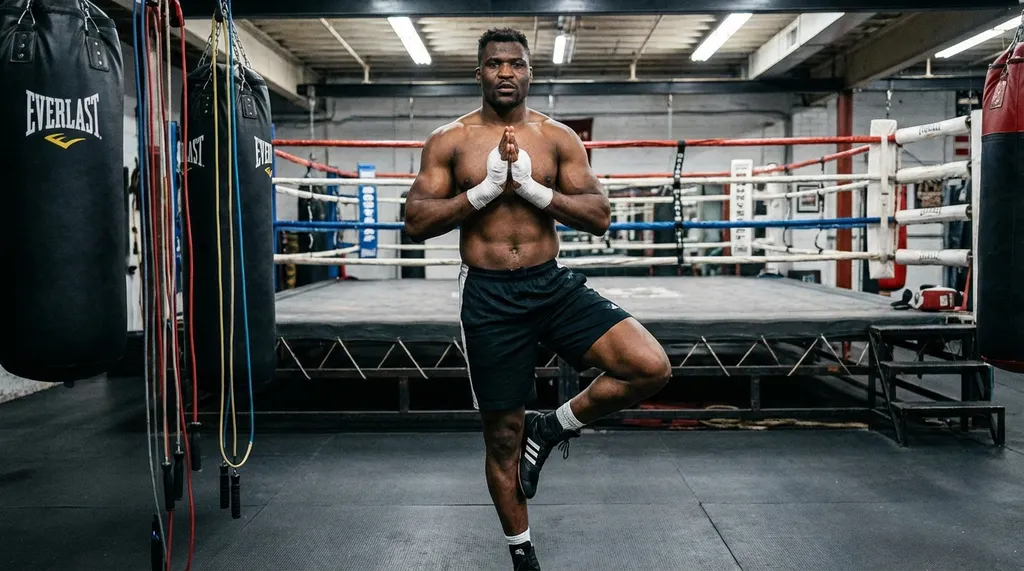
Yoga improves boxing in specific, measurable ways. Better hip flexibility means a wider, more stable stance. Better shoulder mobility means a more relaxed guard. Breath control means better stamina and composure under pressure. The ability to stay calm in uncomfortable positions transfers directly to sparring. Many professional fighters, including former WBC champion Tyson Fury, have incorporated yoga into their training camps.
Boxing improves yoga in less obvious but still real ways. The explosive strength boxing develops makes power yoga poses easier. The cardiovascular fitness means you can hold challenging sequences for longer without getting breathless. The mental toughness means you push through discomfort rather than backing off.
Was this page helpful?
It takes one tap, and it genuinely helps.
Which Should You Choose?
Choose boxing if:
- • You want calorie burn and weight loss
- • You want a skill and self-defence ability
- • You carry stress as physical tension
- • You prefer high-energy group training
- • You want visible physical transformation
- • You want the most affordable option
Choose yoga if:
- • Flexibility and mobility are your priority
- • You carry stress as anxiety or poor sleep
- • You want injury prevention and recovery
- • You prefer reflective, mindful training
- • You sit at a desk all day
- • You want mental clarity and breath control
Our honest take: Do both. Box for power, fitness, and skill. Do yoga for flexibility, recovery, and mental balance. The combination addresses every dimension of physical and mental health. If you can only pick one right now, boxing gives you the more complete physical workout. But add yoga as soon as you can. Your body and your boxing will both benefit. Want to see for yourself? Book a free session and find out.
See also: Boxing vs Dance Fitness | Boxing vs Pilates | Best Workout for Stress Relief | How Many Calories Does Boxing Burn? | Boxing vs Kettlebells | Boxing vs Calisthenics
The best way to decide? Come and try it.
Your first session is free. No contract, no commitment.
Book Your Free Boxing Session
Your first session is free. No contract, no joining fee, no catches.
📍 122 Broad Walk, SE3 8ND · Pay as you go from £5