Best Workout for Stress Relief
Exercise can help with stress, but different activities help in different ways. This comparison looks at structure, focus, intensity and recovery without pretending that one workout is a substitute for proper support when stress is serious or ongoing.

How Exercise Reduces Stress: The Quick Science
When you exercise, your brain releases endorphins, which are natural mood elevators and pain reducers. Physical activity also reduces cortisol (the stress hormone) and adrenaline levels. The Mayo Clinic describes exercise as "meditation in motion," noting that almost any form of physical activity can act as a stress reliever.
But not all exercise is equal for stress relief. The effectiveness depends on three factors: intensity (higher intensity produces more endorphins), cognitive engagement (activities that occupy your mind prevent rumination), and cathartic release (physical expression of frustration and tension). The best stress-relief workout scores high on all three.
The Stress Relief Ranking
Boxing
Boxing combines three stress-relief mechanisms in a single activity. First, cathartic physical release: hitting something is uniquely satisfying when stressed. This is not aggression. It is controlled expression of tension through a physical target. Second, forced present-moment focus: you cannot think about work when a coach is calling combinations and you need to execute them immediately. Your mind has no room for rumination. Third, high-intensity endorphin release: the neurochemical flood from intense boxing is powerful and immediate.
10/10
Intensity
10/10
Cognitive load
10/10
Catharsis
Burns 500-700 cal/hr. £5-£10/session at community clubs.

Yoga
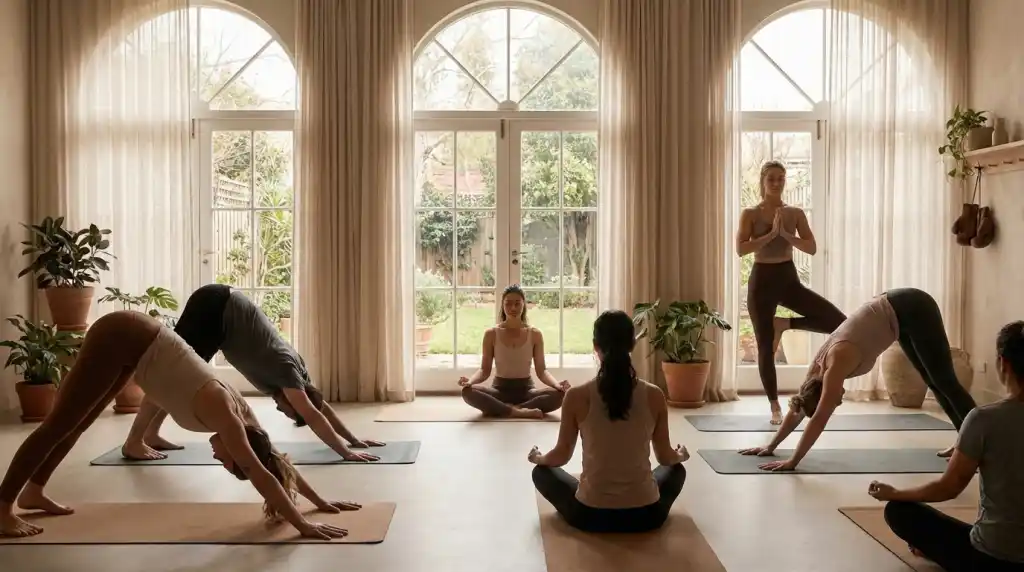
Yoga is the best activity for calming stress rather than releasing it. Breath control, sustained poses, and deliberate stillness activate the parasympathetic nervous system. Research consistently shows yoga can support relaxation for some people. But it is less effective for acute stress and frustration: if you are genuinely angry or wound up, sitting still and breathing can feel impossible. Yoga works best for chronic, low-grade stress and anxiety.
4/10
Intensity
8/10
Cognitive load
3/10
Catharsis
Burns 200-600 cal/hr. £12-£20/class in London.
Running
The "runner's high" is real and well-documented. Running provides endorphin release and the meditative quality of rhythmic movement. Outdoor running adds nature exposure, which has its own proven mental health benefits. However, running allows your mind to wander. If your stress is thought-based (work problems, relationship concerns, financial worries), running can become an hour of rumination with trainers on. Your legs move but your mind spirals.
7/10
Intensity
3/10
Cognitive load
4/10
Catharsis
Burns 400-800 cal/hr. Free (after trainers).
Swimming
Swimming provides a unique sensory experience: water resistance, rhythmic breathing, and reduced external stimulation create a calming, meditative state. Excellent for people whose stress manifests as overstimulation. The Livi health guide notes that swimming is particularly effective for anxiety-driven stress because the water environment naturally limits sensory input. Less effective for frustration-based stress.
6/10
Intensity
5/10
Cognitive load
2/10
Catharsis
Burns 400-600 cal/hr. £5-£8/session at London pools.
HIIT
HIIT provides high-intensity endorphin release similar to boxing, but without the cathartic element. Burpees and squat jumps do not satisfy the same psychological need as hitting a heavy bag. HIIT is effective for stress through exhaustion, but lacks the emotional release component. It is also often done alone or in large, impersonal classes, missing the community support that makes consistent training easier.
9/10
Intensity
4/10
Cognitive load
3/10
Catharsis
Burns 500-700 cal/hr. £15-£25/class at London studios.
Weightlifting
Weightlifting provides focus-based stress relief (concentrating on form and load) and the satisfaction of progressive overload. But the intensity is typically lower per minute and the rest periods between sets allow rumination to creep back in. Best for people who find satisfaction in quantifiable progress rather than emotional release.
5/10
Intensity
6/10
Cognitive load
3/10
Catharsis
Burns 200-400 cal/hr. Requires gym membership (£30-£95/mo in London).
Why Boxing Leads: The Three Mechanisms
The reason boxing ranks first is that it addresses stress on multiple levels simultaneously. No other single activity combines all three mechanisms:
1. Physical Catharsis
Hitting a heavy bag or focus pads provides a physical outlet for frustration that no other mainstream exercise offers. This is not about anger. It is about channelling tension into controlled, purposeful movement. The satisfaction of a clean combination landing on pads is useful for some people.
2. Forced Cognitive Engagement
When a coach calls "jab-cross-hook-slip-cross" and you have half a second to execute it, there is no mental bandwidth left for worrying about deadlines or difficult conversations. Boxing forces you into the present moment more completely than almost any other activity. It is meditation through movement, but with consequences for losing focus.
3. Structure and Community
When you are stressed, making decisions is hard. Boxing removes the decision: you show up, and the session happens. The coach decides what you do, and you do it. This structure is itself stress-reducing. Add the community element, where people notice when you are not there, and you have a system that pulls you back even on the days you want to stay on the sofa.
The Optimal Combination for Chronic Stress
If stress is a significant, ongoing issue in your life, the optimal approach combines release and restoration:
Boxing for cathartic release, confidence building, and intense endorphin production. This is the engine of your stress management.
Yoga or swimming for calm, recovery, and parasympathetic activation. This is the counterbalance.
Walking (30+ minutes) for baseline movement, outdoor exposure, and gentle mood maintenance.
This combination addresses both the "release" and "restore" sides of stress management. If you can only pick one activity, pick boxing. It covers the most ground.

Cost of Stress Relief in London
Therapy, counselling and medical support have a different role from exercise. Boxing should not be compared with them as a replacement. What it can offer is a structured, affordable way to move, focus, let off steam safely and build routine between the rest of life.
We are based in Kidbrooke, south east London, with easy access from Greenwich, Blackheath, Eltham, Woolwich, and Charlton. All sessions are coached, structured, and open to complete beginners. Check our recreational adults sessions for the timetable.
See also: Boxing for Mental Health | Is Boxing Worth It? | Boxing vs HIIT | Boxing vs Running
Was this page helpful?
It takes one tap, and it genuinely helps.
The best way to decide? Come and try it.
Your first session is free. No contract, no commitment.
Book Your Free Boxing Session
Your first session is free. No contract, no joining fee, no catches.
📍 122 Broad Walk, SE3 8ND · Pay as you go from £5