Boxing vs Dance Fitness
Two group fitness formats that use music, energy, and movement to make exercise feel less like a chore. Both genuinely work. But they develop very different bodies, teach very different skills, and deliver very different long-term value. Here is the comparison, with real numbers and London prices.
The Core Difference
Boxing
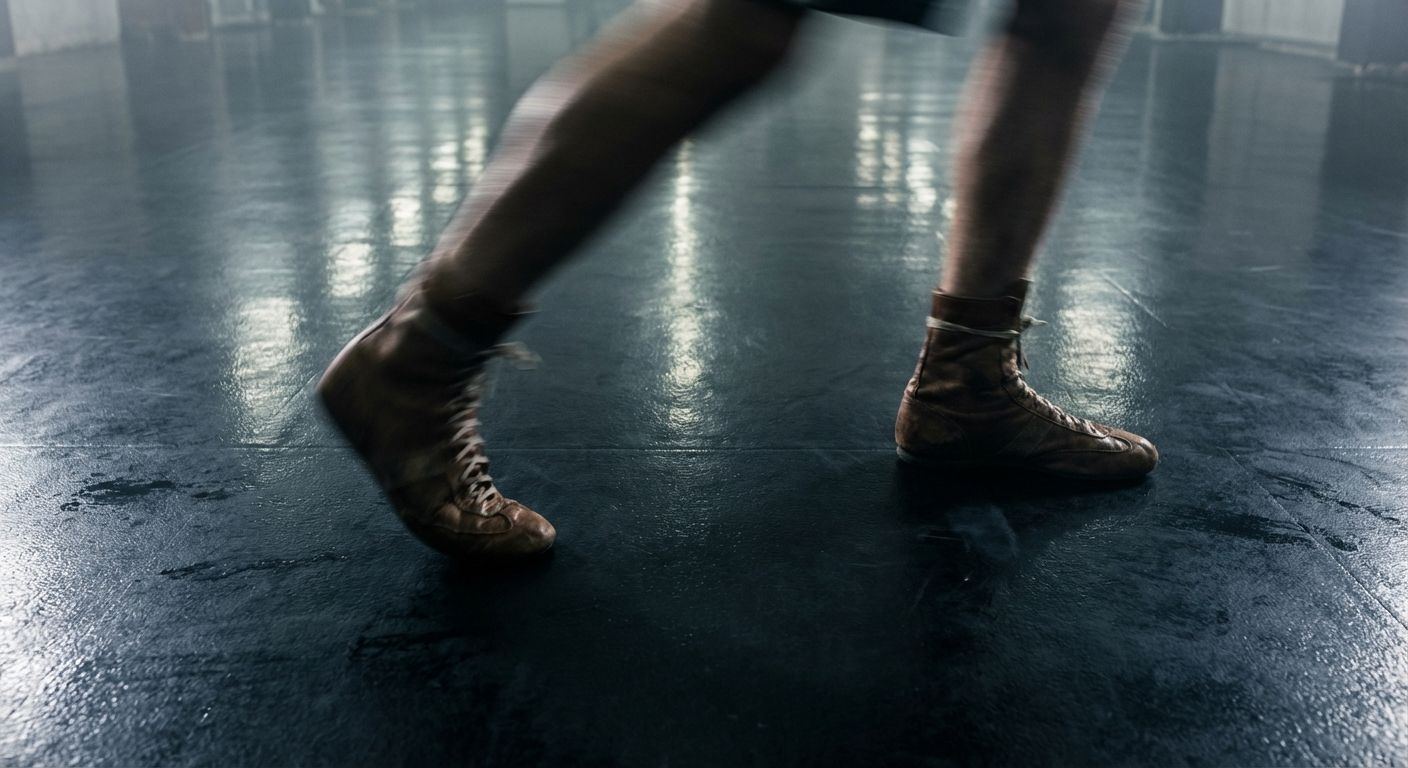
A skill-based combat discipline. You learn to punch, move, and defend. The fitness is a byproduct of the skill work.
- • Full-body engagement every session
- • Builds shoulders, arms, core, and legs
- • Progressive skill development
- • Self-defence value
- • Gets harder and more rewarding over time
Dance Fitness
Choreographed group exercise set to music. Zumba, 305 Fitness, and similar formats make cardio feel like a party.
- • Lower-body dominant movement
- • Cardiovascular endurance and flexibility
- • Low learning curve to start
- • Social and high-energy atmosphere
- • Routines change to maintain novelty
Boxing teaches you something. Every session, you are learning or refining technique: a tighter jab, better head movement, sharper footwork. The fitness comes as a consequence of practising a skill. Dance fitness is exercise designed to be entertaining. The movements are not building towards a transferable skill; they are a vehicle for calorie burn.
Neither approach is wrong. But the difference matters for long-term engagement. Boxing's fun deepens over time as your skills develop. Dance fitness needs new routines and music to stay fresh because the movements themselves do not progress in the same way.
Calorie Burn: The Numbers
Calories per hour (70 kg / 11 stone person)
Sources: Coach Magazine, Tijus Academy (Zumba calorie study)
Boxing burns more calories per hour, and the gap is significant. The upper-body engagement, explosive power output, and full-body muscular demand of boxing training produces higher total energy expenditure than dance-based movement. Dance fitness is predominantly lower-body and tends to operate at a lower peak intensity.
A review of Zumba calorie expenditure found that Zumba burns between 350-650 calories per hour depending on effort, weight, and class intensity. That is a solid number for a group fitness class, but it sits below boxing's range at every level of comparison. The Forza study placed boxing at approximately 800 calories per hour.
Body Development and Muscle
Boxing builds defined shoulders, lean arms, a strong core, and powerful legs. The physique is visibly athletic and functional. The repeated punching motion builds the deltoids, triceps, and lats. The footwork and defensive movement develop the calves, quads, and hip flexors. Boxers tend to look like athletes because they are athletes.
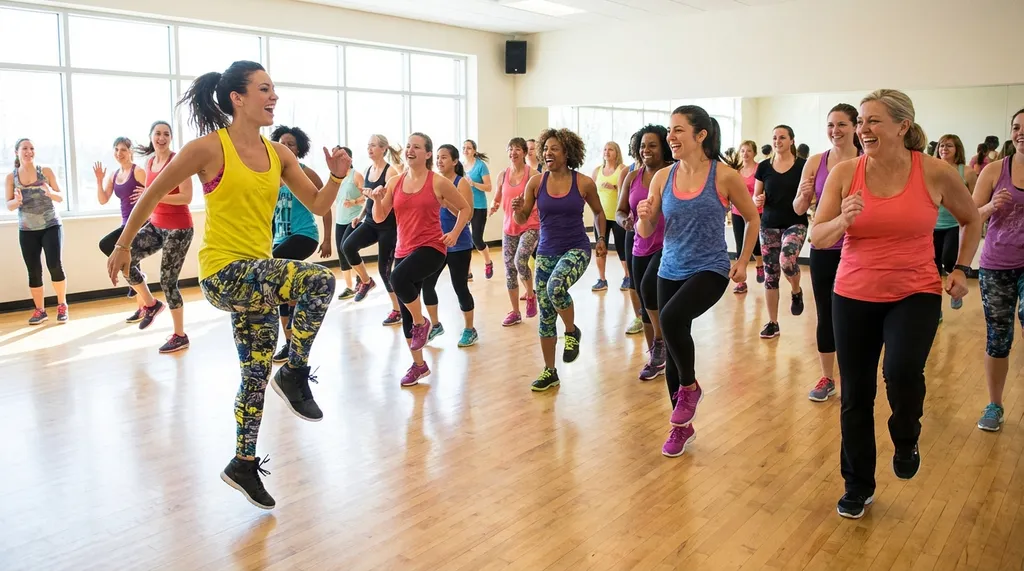
Dance fitness builds lower-body tone, cardiovascular endurance, and flexibility. The physique tends toward lean and flexible rather than defined and powerful. Dance fitness does very little for upper-body strength or muscle development. If your goals include arm definition, shoulder development, or core strength, dance fitness will not get you there.
This is not a value judgement. Different people want different things. But if you want a body that looks and performs like an athlete, boxing produces that result more efficiently than any dance fitness format.

Injury Risk
Dance fitness carries a moderate injury risk, primarily from repetitive lower-body movements, sudden directional changes, and the fact that classes are often done in shoes not designed for lateral movement. Ankle sprains, shin splints, and knee strain are the most common issues. Instructors vary widely in quality, and some formats prioritise energy over safe movement patterns.
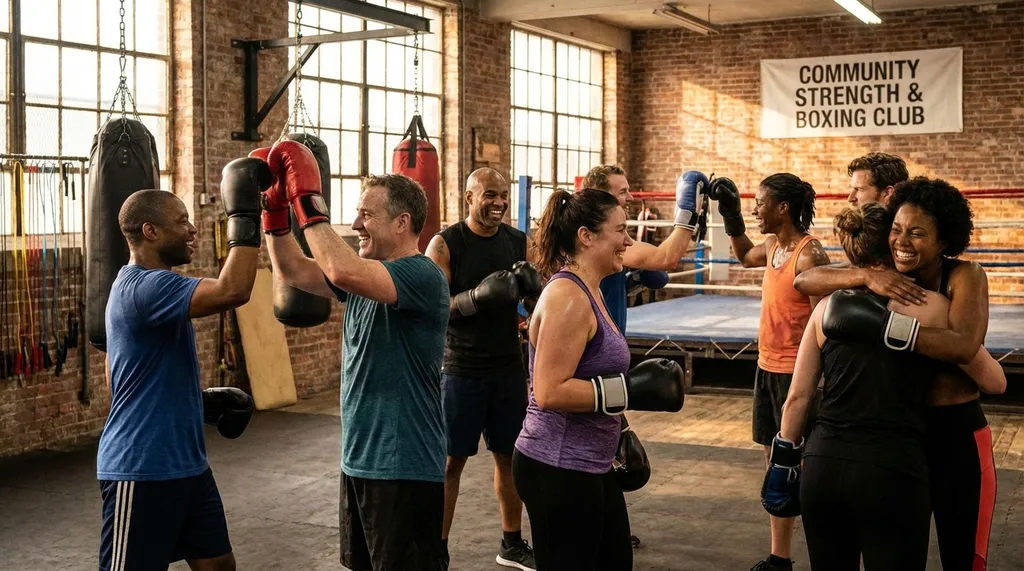
Recreational boxing (without sparring) has a comparable or lower injury rate. The most common issues are minor hand and wrist strains from punching. At Honour and Glory, coaches teach proper wrapping and technique from the first session, and all progression is supervised. Sparring is entirely optional, and most members never spar.
Neither activity carries high injury risk when done properly. Boxing has the advantage of closer coaching supervision in most community gyms, while dance fitness class sizes can be very large with limited individual correction.
Cost in London
London prices as of 2026. Dance fitness prices from Frame, 305 Fitness, and Better leisure centres.
Community boxing is the cheapest option by a clear margin. Boutique dance fitness studios in London charge £15-£25 per class. Even if you access dance fitness through a gym membership at £40-£80 per month, the per-session cost is higher than a community boxing club unless you attend very frequently.
At Honour and Glory, sessions cost £5-£10 with no contracts and no joining fee. You get coached instruction, community, and a full-body workout for less than a boutique dance class costs.
Who Each One Suits
Boxing suits you if: you want higher calorie burn, full-body muscle development, a practical skill, and a workout that becomes more rewarding over time. Boxing also suits people who find dance choreography intimidating or unappealing but still want group exercise with energy and music.
Dance fitness suits you if: you love music and dance, prefer a low-pressure group atmosphere, want a workout that feels like entertainment, or are looking for the lowest-barrier entry to regular exercise. Dance fitness is also excellent for people who want to improve coordination and body awareness in a non-competitive setting.
The Crossover: What Transfers
Boxing improves your rhythm and coordination, which makes you better at dance fitness. The footwork patterns in boxing are essentially choreography to a different rhythm. The body awareness you develop from learning punch combinations transfers directly to picking up dance routines faster.
Dance fitness improves your coordination, flexibility, and lower-body endurance, all of which benefit boxing. The hip movement in dance translates to better rotational power in punches. The footwork, while different in pattern, develops the same fast-twitch lower-body response.
Combining both is perfectly viable. Boxing twice a week for skill and intensity, dance fitness once for variety and enjoyment. Many of our members at Honour and Glory also do other group fitness activities. The boxing provides the backbone of their fitness; everything else is supplementary.
Was this page helpful?
It takes one tap, and it genuinely helps.
Which Should You Choose?
Choose boxing if:
- • You want higher calorie burn and full-body results
- • Learning a practical skill appeals to you
- • You want defined shoulders, arms, and core
- • Long-term progression matters
- • Budget is a consideration (£5-£10/session)
- • Self-defence value is important to you
Choose dance fitness if:
- • You love music and dance
- • Low-pressure atmosphere matters most
- • You want exercise that feels like a party
- • Flexibility and body awareness are priorities
- • You prefer zero competitive element
- • You want the easiest possible on-ramp to fitness
Our honest take: Both are infinitely better than not exercising. Boxing gives you more per hour in calories, strength, and skill. Dance fitness gives you a good time and a decent sweat. If you want results that compound over years, boxing is the stronger investment of your time.
The best workout is the one you enjoy enough to do consistently. If dance fitness gets you moving three times a week and boxing does not appeal, dance fitness wins for you. But if you have never tried boxing, you might be surprised how much fun it is. Want to see for yourself? Book a free session and find out.
See also: Boxing vs CrossFit | How Many Calories Does Boxing Burn? | Boxing vs Squash | Boxing vs Climbing | Boxing vs Rowing
The best way to decide? Come and try it.
Your first session is free. No contract, no commitment.
Book Your Free Boxing Session
Your first session is free. No contract, no joining fee, no catches.
📍 122 Broad Walk, SE3 8ND · Pay as you go from £5