Boxing vs Squash
The top two calorie-burning sports according to research, and both develop sharp hand-eye coordination. One puts a racquet in your hand. The other puts gloves on. Here is how these two high-intensity sports genuinely compare for fitness, accessibility, and long-term value.
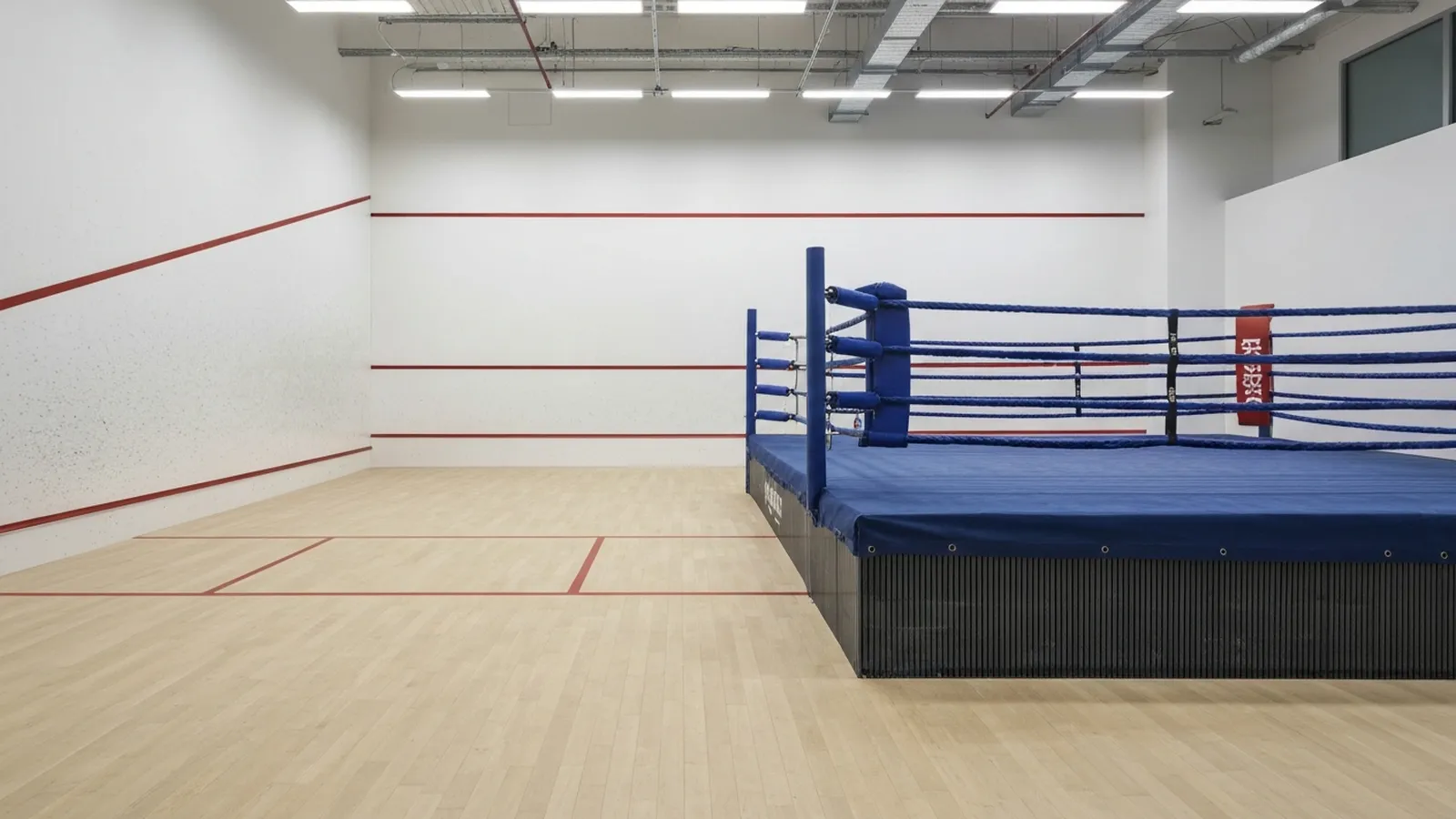
The Core Difference
Boxing
A combat sport using punches, footwork, and defensive movement. Train solo or in groups, with or without contact.
- • Full-body workout: legs, core, arms, shoulders
- • Burns ~800 calories per hour
- • Self-defence application
- • Group classes, no partner required
- • £5-£10 per session
Squash
A racquet sport played in an enclosed court. Fast-paced rallies with constant movement and quick directional changes.
- • Intense cardiovascular demands
- • Burns ~748 calories per hour
- • Develops agility and reaction speed
- • Requires a partner and court booking
- • £8-£15 per court (30-45 min)
Boxing and squash are closer relatives than most people realise. Both reward fast reactions, precise timing, and the ability to read an opponent. Both are physically brutal. Both develop hand-eye coordination that transfers to everyday life. The main differences are practical: boxing does not require a partner or a court, and it teaches self-defence alongside fitness.
Calorie Burn: Almost Identical
Calories per hour (70 kg person)
Source: Coach Magazine (Forza study)
According to the Forza study published by Coach Magazine, boxing tops the calorie-burn chart at approximately 800 calories per hour, with squash second at 748. The difference is marginal. Both sports significantly outperform running, cycling, and most gym-based activities.
The reason both burn so intensely is similar: constant movement, directional changes, bursts of power, and sustained effort over 45 to 60 minutes. As the Mirror reported, squash rallies tend to be longer than in other racquet sports, keeping the heart rate high throughout.
Accessibility and Practicality
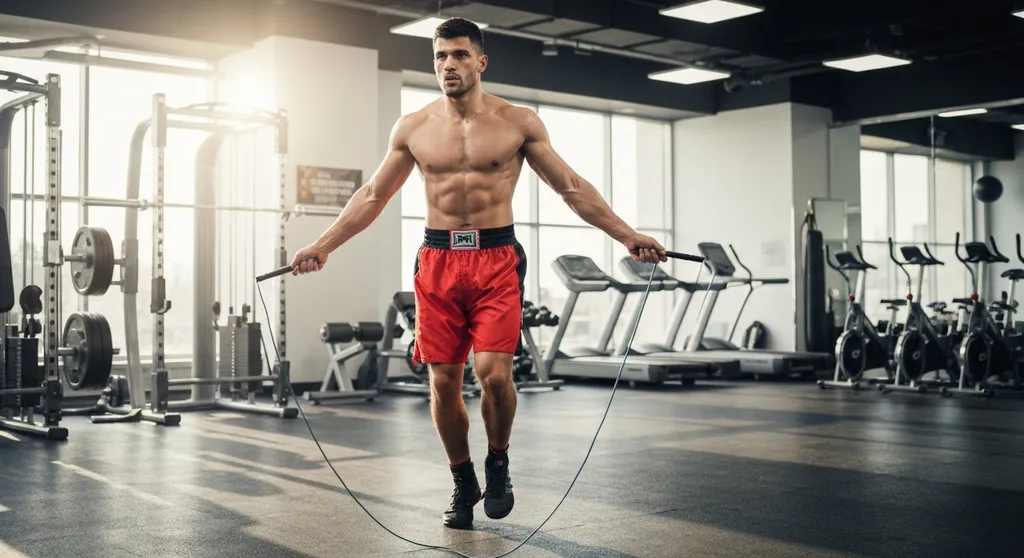
This is where boxing has a clear advantage. Boxing can be trained solo (shadowboxing, bag work, skipping) or in a group class. You do not need a partner to have a productive session. At Honour and Glory, every session is coach-led with structured pad work, bag rounds, and conditioning. You turn up alone and leave having worked harder than you thought possible.
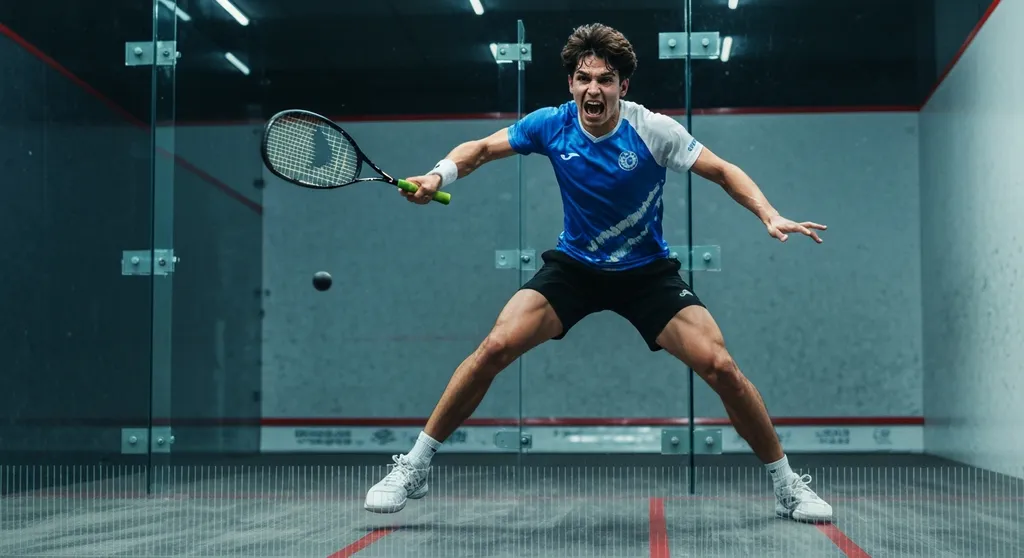
Squash requires a partner of roughly similar ability and a court booking. In London, squash courts are increasingly difficult to find. Many leisure centres have removed them, and private clubs charge £8 to £15 per 45-minute booking. You also need to coordinate schedules with your playing partner, which is a logistical barrier that boxing simply does not have.
Equipment costs are comparable. A decent squash racquet costs £30 to £80, balls are a few pounds, and you need non-marking indoor shoes. Boxing requires wraps (£5) and gloves (£25 to £50). Neither sport demands expensive equipment to get started.
What Each Sport Develops
Both develop: hand-eye coordination, cardiovascular endurance, reaction speed, mental toughness, and the ability to read and react to an opponent.
Boxing adds: upper body and core strength (punching generates force through the entire kinetic chain), self-defence ability, confidence under physical pressure, and a competitive pathway through the ABA (Amateur Boxing Alliance) if you want to compete.
Squash adds: lower body agility (the lunging and directional changes are exceptional for leg strength), racquet control and wrist strength, and spatial awareness within a confined court.
Interestingly, many people find that boxing and squash complement each other well. The footwork, timing, and reaction speed from boxing translate directly to better court movement. The lateral agility from squash helps boxing footwork.
Was this page helpful?
It takes one tap, and it genuinely helps.
Which Should You Choose?
Choose boxing if:
- • You want to train without needing a partner
- • Self-defence ability appeals to you
- • You prefer full-body strength and conditioning
- • You want group class structure and coaching
- • You value a clear competitive pathway (ABA)
Choose squash if:
- • You have a regular playing partner available
- • You enjoy racquet sports and court games
- • Lower body agility is a priority
- • You prefer non-contact sport
- • You have access to courts at a reasonable cost
Our honest take: Squash is a brilliant sport. It burns almost as many calories as boxing, develops superb hand-eye coordination, and is genuinely fun to play. The practical barriers (needing a partner, finding a court, booking times) are the main drawbacks. Boxing delivers a similar fitness level with greater accessibility and the bonus of self-defence training.
If you can do both, do both. They complement each other exceptionally well. If you can only pick one, boxing is easier to fit into your life consistently. Want to see for yourself? Book a free session and find out.
See also: Boxing vs Tennis | Boxing vs Badminton | Boxing vs Climbing | Boxing vs Rowing | Boxing vs Basketball Training
The best way to decide? Come and try it.
Your first session is free. No contract, no commitment.
Book Your Free Boxing Session
Your first session is free. No contract, no joining fee, no catches.
📍 122 Broad Walk, SE3 8ND · Pay as you go from £5