Boxing vs Badminton
Badminton is one of the most played sports in the world and a surprisingly good workout at competitive level. But boxing offers more per hour in almost every measurable dimension: calorie burn, full-body development, accessibility, and transferable skill. Here is the honest comparison, with real numbers and London prices.

The Core Difference
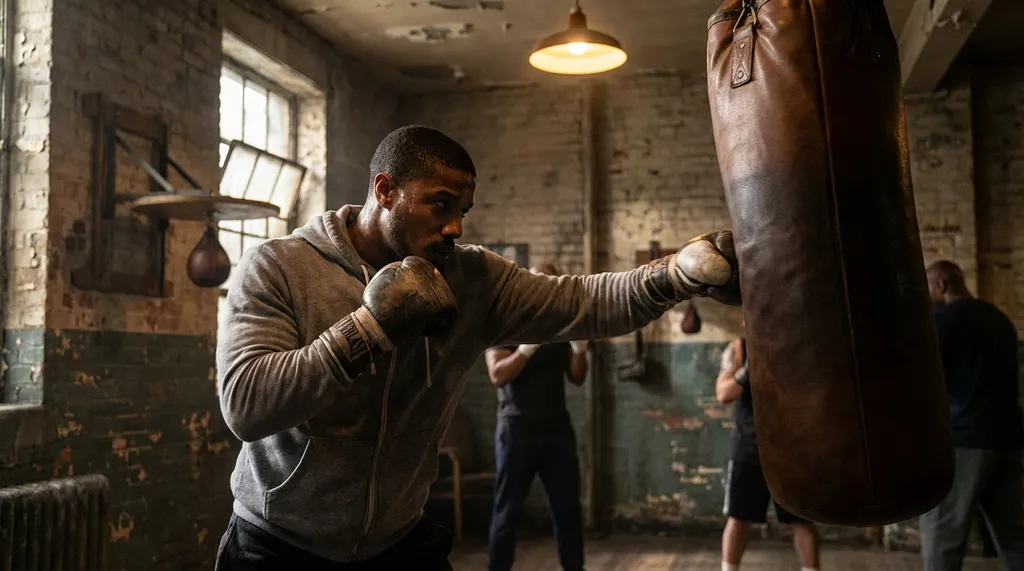
Boxing
A full-contact combat sport. You learn to punch, defend, and move against an opponent at close range.
- • Jab, cross, hook, uppercut
- • Footwork and head movement
- • Pad work, bag work, sparring
- • Full-body engagement every session
- • Train solo or in groups
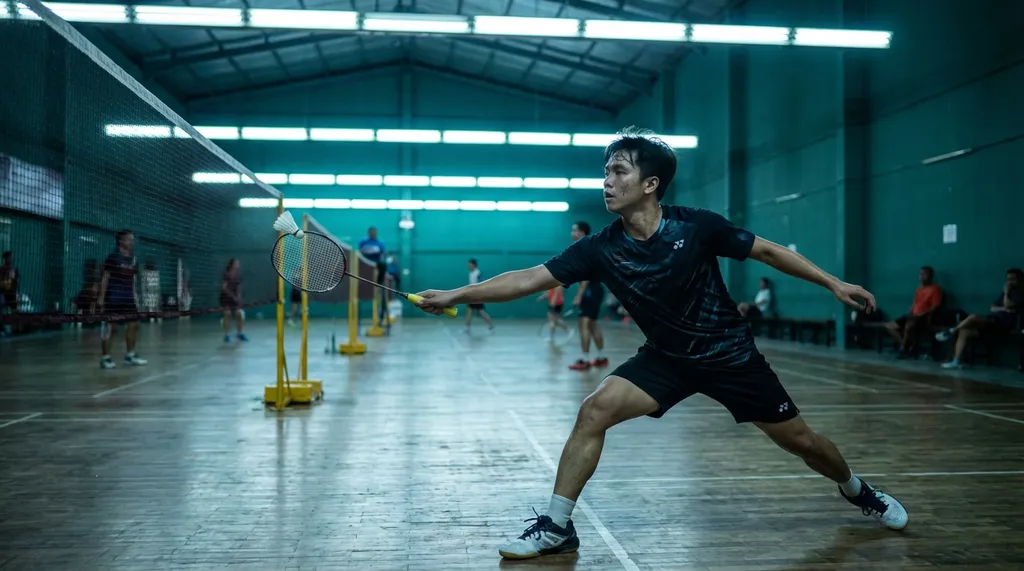
Badminton
A racquet sport played across a net. Fast reflexes, wrist speed, and court coverage determine success.
- • Smash, drop shot, clear, net play
- • Lateral and diagonal court movement
- • Singles and doubles formats
- • Dominant-side heavy workload
- • Requires a partner and court
Both sports reward fast reactions and hand-eye coordination. A competitive badminton smash can reach 350 km/h, making it the fastest racquet sport in the world. Boxing combinations happen in fractions of a second. The reactive demands are comparable, even if the physical expression is completely different.
The fundamental difference is body development. Boxing is bilateral: both arms, both legs, and your entire core work together. Badminton is heavily dominant-side biased. Your racquet arm, shoulder, and leg do most of the work, which can create muscular imbalances over time.
Calorie Burn: The Numbers
Calories per hour (70 kg / 11 stone person)
Sources: Coach Magazine (Forza study), Harvard Health Publishing
Boxing burns significantly more calories, particularly compared to how most people actually play badminton. Competitive singles badminton is genuinely demanding, but social doubles is how the majority of recreational players spend their time. In doubles, you cover roughly half the court and rest between rallies. The calorie gap against boxing widens considerably.
The Forza study published in Coach Magazine placed boxing at approximately 800 calories per hour, making it the highest calorie-burning sport they tested. Badminton did not feature in their top ten.
Injury Risk
Badminton injuries are more common than most people expect. Ankle sprains from the rapid directional changes are the most frequent, followed by shoulder strain from overhead shots and knee injuries from the lunging movement pattern. A study in the British Journal of Sports Medicine found that badminton has a higher injury rate per hour than several team sports, largely due to the explosive change-of-direction demands.
Recreational boxing (without sparring) carries a lower injury profile. The most common issues are minor hand and wrist strains, which are largely preventable with proper wrapping technique. There are no rapid lateral lunges, no overhead repetitive motions, and no ankle-roll risks from direction changes. A prospective study in the British Journal of Sports Medicine found an overall injury rate of just 2.0 per 1,000 hours in amateur boxing.
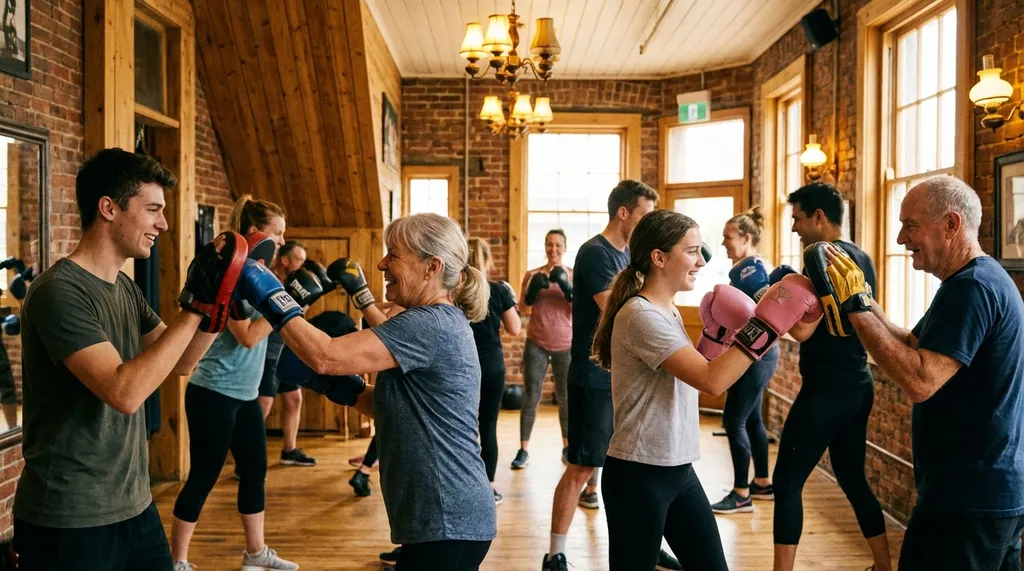
At Honour and Glory, beginners learn proper technique before progressing, and sparring is entirely optional. Most of our members never spar and still get a complete workout.
Cost in London
London prices as of 2026. Court hire from Better leisure centres and local sports halls.
Badminton is not as expensive as tennis, but the costs add up. Court hire in London runs £12-£25 per hour, split between players. Feather shuttlecocks (the proper ones for competitive play) cost £15-£25 per tube and get destroyed in a few sessions. Regular players spend £30-£60 per week between court hire, shuttlecocks, and transport.
Boxing at a community club costs £5-£10 per session, with simple trial booking before you come in. Gloves and wraps are a one-time purchase. Over a year, the cost difference is substantial: roughly £1,500-£3,000 for regular badminton versus £500-£1,000 for regular boxing.
Who Each One Suits
Boxing suits you if: you want the highest calorie burn, full-body and bilateral muscle development, a genuine self-defence skill, and the ability to train whenever suits you without coordinating partners and courts. Boxing is also better for people who want to train solo on days when no one else is available.
Badminton suits you if: you enjoy racquet sports, want a social activity with friends of varying skill levels, or play at a competitive club level where the intensity justifies the cost. Casual badminton is one of the lowest-pressure ways to get moving, and the barrier to a fun game is genuinely low.
The Crossover: What Transfers
Boxing improves your badminton in ways you might not expect. The hand speed from pad work translates to faster racquet preparation. The footwork patterns, while different in direction, build the same fast-twitch muscle response. The cardiovascular base from boxing rounds means you will last longer in extended rallies and three-game matches.
Badminton's contribution to boxing is more limited, but the wrist speed and reaction time do transfer. The ability to track fast-moving objects and respond in fractions of a second is a skill that both sports develop and share.
If you enjoy both, boxing twice a week plus badminton once gives you a good balance of full-body conditioning and racquet sport enjoyment. The boxing builds the fitness base; the badminton adds variety and social play.
Was this page helpful?
It takes one tap, and it genuinely helps.
Which Should You Choose?
Choose boxing if:
- • You want significantly higher calorie burn
- • Full-body, bilateral development matters
- • You prefer not to rely on partners and court bookings
- • Self-defence ability appeals to you
- • Budget is a consideration (£5-£10 per session)
- • You want a skill that deepens over years
Choose badminton if:
- • You enjoy racquet sports socially
- • You want a lower-intensity option for some sessions
- • You play competitively at club level
- • You prefer a sport you can play with friends casually
- • You enjoy the scoring and match-play format
- • You have reliable court access
Our honest take: Boxing gives you more per hour in calories, strength, and skill. Badminton is a fine social sport, but most people play it casually enough that the fitness benefit is modest. If your primary goal is getting fit and learning something lasting, boxing is the stronger choice.
We are a boxing gym, so factor that in. But the numbers are the numbers: boxing burns more calories, builds more muscle, costs less, and does not require you to find a partner or book a court. Want to see for yourself? Book a free session and find out.
See also: Boxing vs Tennis | How Many Calories Does Boxing Burn?
The best way to decide? Come and try it.
Your first session is free. No contract, no commitment.
Book Your Free Boxing Session
Your first session is free. No contract, no joining fee, no catches.
📍 122 Broad Walk, SE3 8ND · Pay as you go from £5