Boxing vs Tennis
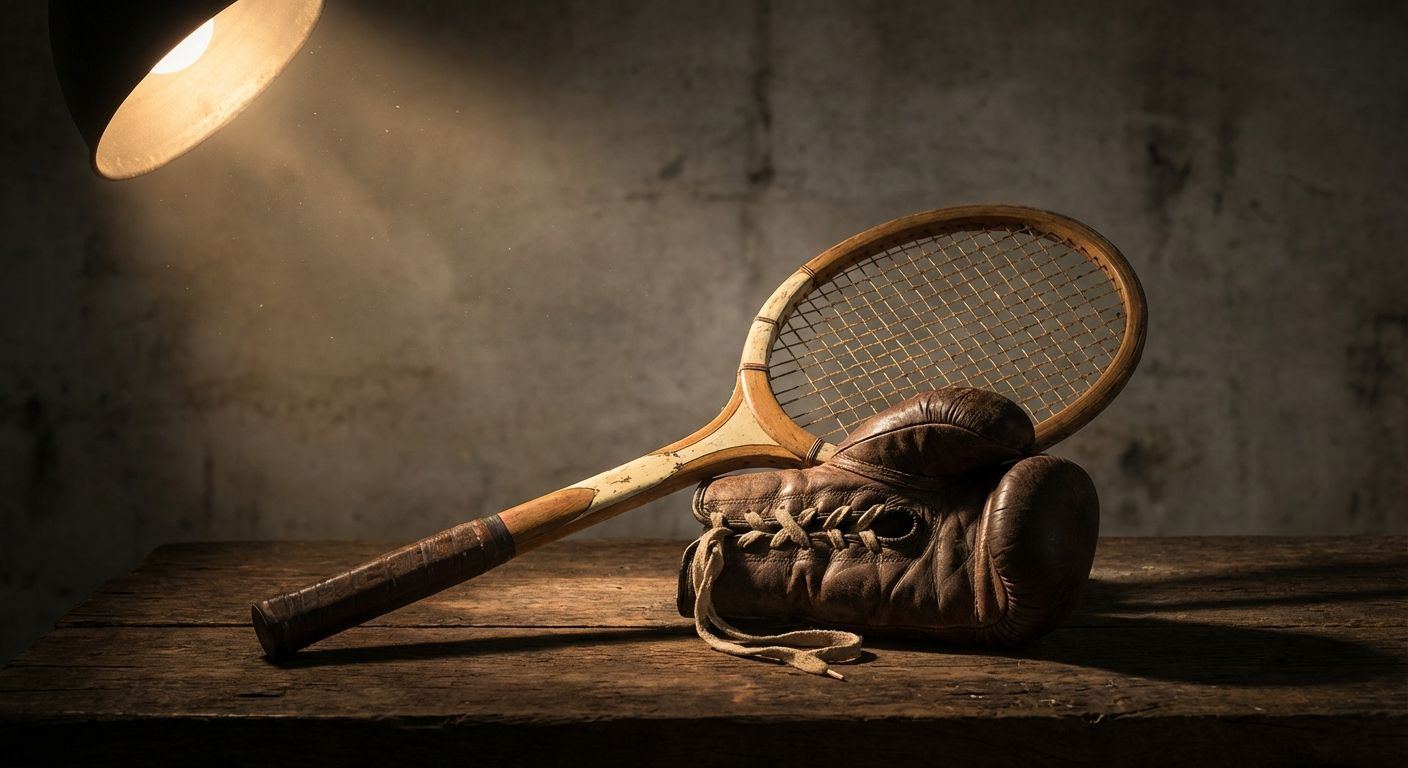
On the surface, one sport happens in a ring and the other on a court. Look deeper and you find striking parallels: both reward footwork, timing, angles, and the ability to read an opponent in real time. Both develop hand-eye coordination to an extraordinary degree. But they differ in calorie burn, injury profile, cost, and accessibility. Here is the full comparison.
The Core Difference
Boxing
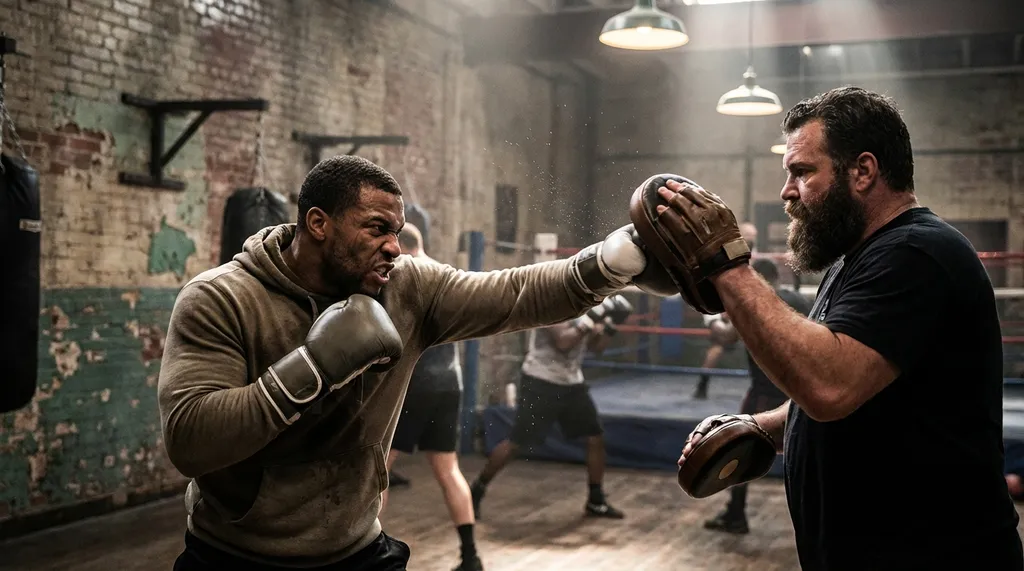
A combat skill honed over centuries. You learn to punch, move, and defend against a live opponent.
- • Four punches perfected over years
- • Footwork and head movement
- • Defensive slipping and rolling
- • Pad work, bag work, sparring
- • Consistent intensity for 60-90 minutes
Tennis
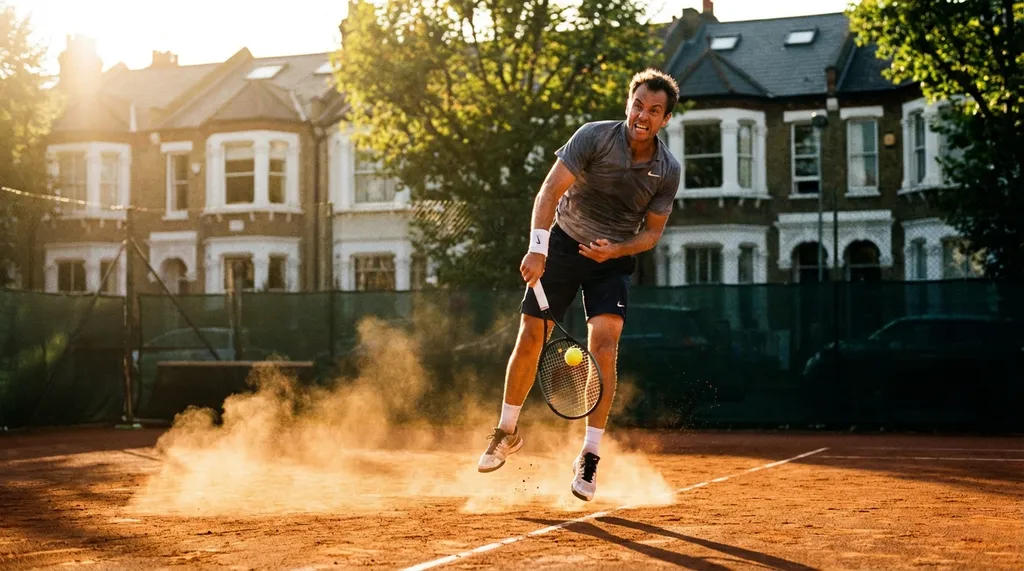
A racquet sport combining athletic movement with strategic shot selection across a divided court.
- • Serve, forehand, backhand, volley
- • Lateral and forward movement
- • Court positioning and shot placement
- • Singles and doubles formats
- • Intermittent intensity (20-30% active play time)
Both sports are built on reading your opponent and reacting in fractions of a second. A boxer reads a shoulder dip to anticipate a hook. A tennis player reads a racquet angle to anticipate a cross-court forehand. The cognitive demand is comparable. The physical expression is very different.
As one Tennis Warehouse forum thread noted, both sports demand "an extraordinary level of hand-eye coordination and timing that most other sports simply do not require." The overlap in athletic qualities is real, even if the skills themselves are distinct.
Calorie Burn: The Numbers
Calories per hour (70 kg / 11 stone person)
Boxing wins on calorie burn per hour, and the reason is structural. In a boxing training session, you are moving continuously for 60-90 minutes. Rounds on the bag, pad work with a partner, shadow boxing, conditioning drills. There is rest between rounds, but even "rest" in a boxing gym means active recovery.
Tennis has significant dead time. The ball is only in play for roughly 20-30% of a match. Between points, games, changeovers, and sets, a large portion of your time on court is spent standing or walking. Competitive singles narrows the gap, but social doubles barely qualifies as vigorous exercise for most players.
Research from supplement brand Forza found that boxing burns approximately 800 calories per hour, placing it above every other sport they measured. Tennis came in at around 458 calories per hour in the same study.
Injury Risk
Tennis carries repetitive strain injuries that accumulate over time. Tennis elbow (lateral epicondylitis) affects an estimated 50% of regular players at some point. Shoulder impingement from serving, knee problems from the constant lateral movement, and ankle sprains from quick directional changes are all common. A Fitness Data Tennis review notes that the repetitive overhead serving motion creates particular strain on the shoulder and wrist joints.
Recreational boxing (non-sparring) has a lower injury profile for most participants. The most common issues are minor hand and wrist strains, which are largely preventable with proper hand wrapping and technique. There are no overhead repetitive motions, no lateral ankle roll risks, and no impact through a racquet handle transferring shock to the elbow. At Honour and Glory, beginners spend weeks on technique before any contact, and sparring is always optional.
A prospective study published in the British Journal of Sports Medicine found an overall injury rate of 2.0 per 1,000 hours in amateur boxing. That is lower than recreational football, rugby, and comparable to many gym-based activities.
Cost in London
London prices as of 2026. Tennis court rates from Islington Tennis Centre and David Lloyd clubs.
Tennis in London is expensive to maintain as a regular activity. Court hire alone runs £15-£40 per hour for indoor courts, and outdoor public courts are increasingly booked via apps at £8-£15 per hour. Add coaching, racquet restringing (£20-£40 every few months), and balls, and regular tennis easily costs £50-£100 per week.
Boxing at a community club costs £5-£10 per session. No court booking, no partner coordination, no weather dependency. Starter equipment (gloves and wraps) is a one-time cost of £30-£55. You can train boxing four times a week for less than a single hour of tennis coaching.
Who Each One Suits
Boxing suits you if: you want the highest calorie burn per hour, prefer training that does not depend on a partner or court booking, are budget-conscious, or want a skill with genuine self-defence value. Boxing is also better for people who want to train frequently (3-5 times per week) without logistical friction. If you are over 40 or returning from a break, boxing allows you to train entirely non-contact at your own pace.
Tennis suits you if: you enjoy racquet sports, want outdoor exercise, thrive on competitive match play with scoring and ranking, or have reliable access to courts and partners. Tennis is also excellent for people who want a lifetime sport they can play socially into their seventies and eighties, though the intensity does decline with age.
The Crossover: What Transfers
The athletic crossover between boxing and tennis is more significant than most people realise. Both sports build fast-twitch muscle fibres, reaction speed, and the ability to generate power from the hips and core. A good cross-court forehand and a good left hook use remarkably similar rotational mechanics.
Boxing training will improve your tennis. The hand speed, reaction time, and footwork you develop on the pads transfer directly to faster racquet preparation and better court coverage. The cardiovascular base from boxing rounds means you will fade less in long rallies and third sets.
Tennis improves your boxing less directly, but the lateral movement patterns complement boxing's more linear footwork. The ability to read trajectories and react to speed also transfers. Several professional fighters, including Manny Pacquiao, have spoken about enjoying tennis as cross-training.
Long-Term Value
Both sports offer genuine longevity. Tennis players can remain active into their seventies, though the intensity and movement demands decrease over time. Boxing training scales with age even more gracefully. As your technique improves, you rely less on raw physicality and more on timing, positioning, and economy of movement. Many members at Honour and Glory train well into their sixties.
The key difference is dependency. Tennis requires a partner, a court, and fair weather (for outdoor play). Boxing requires only a gym and your own commitment. Over a lifetime, the sport you can access most reliably is the one you will stick with longest.
Was this page helpful?
It takes one tap, and it genuinely helps.
Which Should You Choose?
Choose boxing if:
- • You want higher calorie burn per session
- • Budget matters (£5-£10 vs £30-£80 per session)
- • You prefer not to depend on a partner or court
- • Self-defence ability appeals to you
- • You want a workout with zero weather dependency
- • Consistent, frequent training matters most
Choose tennis if:
- • You enjoy racquet sports and competitive scoring
- • Outdoor exercise is a priority
- • You have reliable access to courts and partners
- • You prefer a sport with a strong social and club scene
- • You want variety between singles and doubles formats
- • Match play and ranking motivate you
Our honest take: Boxing is more accessible, more affordable, and burns more calories. Tennis is a wonderful sport in its own right, but the logistical barriers (courts, partners, weather, cost) make it harder to maintain consistently. If you want a sport you can do four or five times a week without friction, boxing is the clearer choice.
That said, the two complement each other well. Boxing on weekdays for consistent fitness and skill. Tennis at weekends for the social, outdoor element. The hand-eye coordination transfers beautifully between both. Want to see for yourself? Book a free session and find out.
See also: Boxing vs Golf Fitness | Boxing vs Badminton | How Many Calories Does Boxing Burn?
The best way to decide? Come and try it.
Your first session is free. No contract, no commitment.
Book Your Free Boxing Session
Your first session is free. No contract, no joining fee, no catches.
📍 122 Broad Walk, SE3 8ND · Pay as you go from £5