Boxing vs Climbing
Two activities that demand focus, courage, and sustained effort. Both are deeply engaging in a way that treadmills and weight machines never manage. Both build serious physical capability and attract people who want something more than just exercise. But they develop very different strengths and suit very different temperaments.

The Core Difference
Boxing
Reactive problem-solving against another person. Explosive, coach-driven, high heart rate throughout.
- • Pushing and rotational power
- • Fast-twitch muscle development
- • High cardiovascular demand
- • Self-defence applicability
- • Social partner work (pads, sparring)
Climbing
Static problem-solving against a physical puzzle. Pulling-based, self-paced, with long rest between attempts.
- • Pulling and grip strength
- • Extraordinary finger and forearm endurance
- • Strength-to-weight ratio focus
- • Problem-solving and body awareness
- • Can transition to outdoor climbing
Boxing is reactive. You respond to what is happening in front of you in real time: an opponent's movement, a coach's call, a target appearing and disappearing. The intellectual challenge is fast, instinctive, and involves another human being. Climbing is deliberate. Each route is a puzzle: how do I get from bottom to top using these holds, with my body dimensions, at this strength level? The thinking is slower, more analytical, and involves you versus a wall.
As Breaking Muscle noted, both sports share a fundamental similarity: "Climbing at the rock gym is ultimately preparation for the real thing in the same way that sparring and drilling is preparation for a fight." Both demand that you prepare thoroughly for moments that require genuine courage.
Calorie Burn: The Numbers
Calories per hour (70 kg / 11 stone person)
Sources: Coach Magazine (Forza study), Harvard Medical School climbing estimates
Boxing burns more calories per hour, and the gap is wider than the raw numbers suggest. Climbing sessions involve significant rest between attempts, particularly bouldering, where you might climb for 30 seconds then rest for 2-3 minutes before your next attempt. The actual climbing time within a two-hour session might be 20-30 minutes total. Boxing sessions maintain elevated heart rate much more consistently across the full 60-90 minutes.
If your primary goal is calorie burn and cardiovascular fitness, boxing is the clear winner. If your goal is strength and problem-solving with calorie burn as a bonus, climbing holds its own.
Strength Development: Push vs Pull
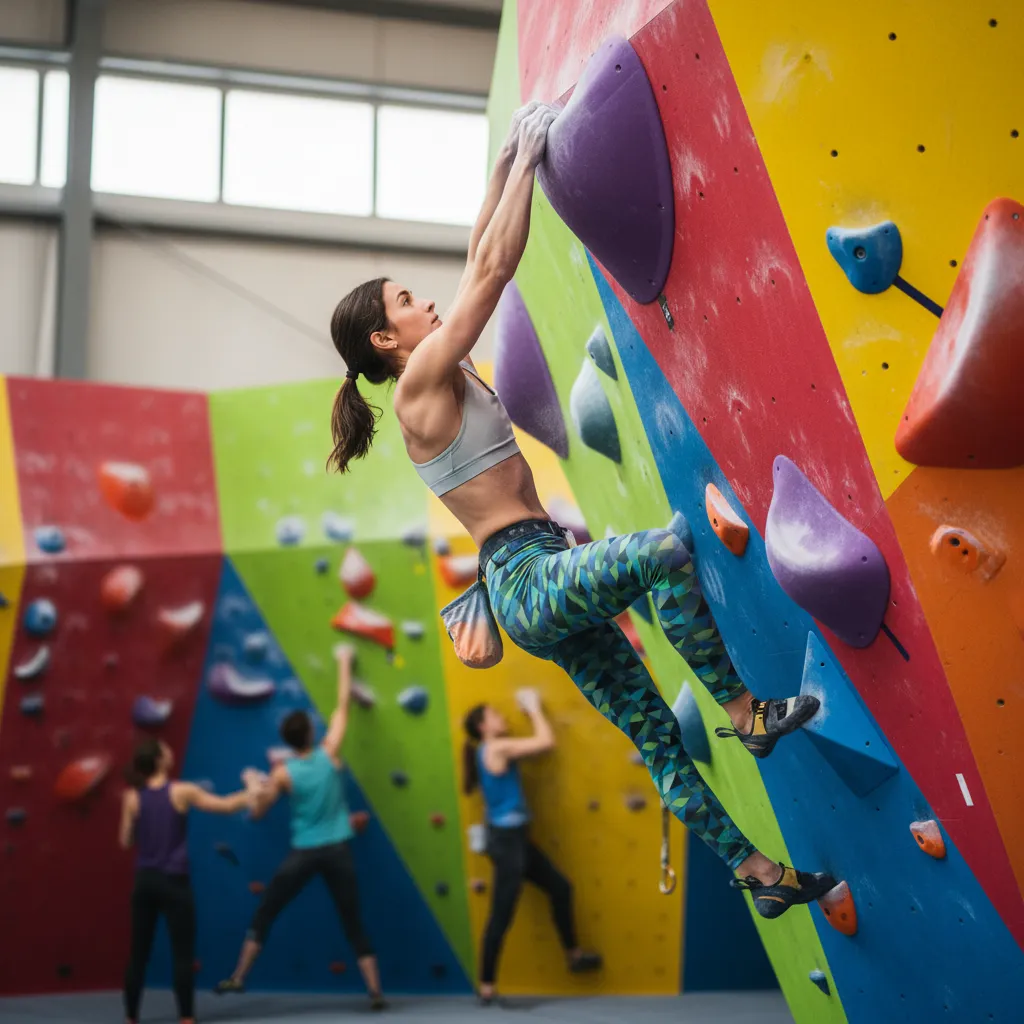
Climbing builds extraordinary pulling strength, grip endurance, and finger strength. Climbers develop forearms, lats, and core muscles to a degree that few other activities match. The relative upper-body strength of experienced climbers, measured against body weight, is remarkable. There is a reason climbers tend to be lean and wiry: the sport rewards a high strength-to-weight ratio.
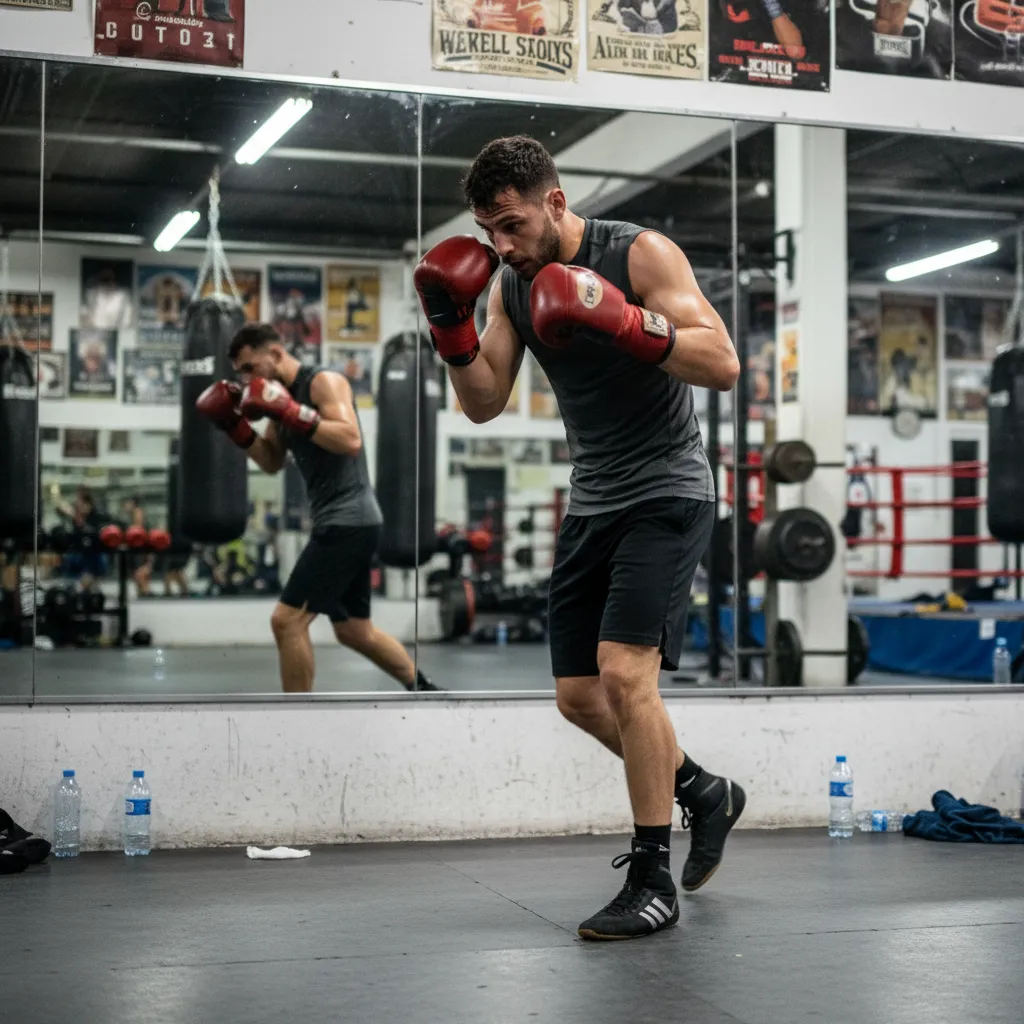
Boxing builds pushing and rotational strength: shoulders, chest, triceps, core rotation, and explosive leg drive. Boxing develops fast-twitch power rather than the sustained grip endurance that climbing requires. A boxer's strength is about generating force quickly. A climber's strength is about sustaining force over time.
The two are nearly perfect complements. Climbing builds the pulling muscles that boxing neglects. Boxing builds the pushing muscles that climbing neglects. Together, they create a balanced, capable body that can both generate and sustain force across every movement pattern.
Injury Risk
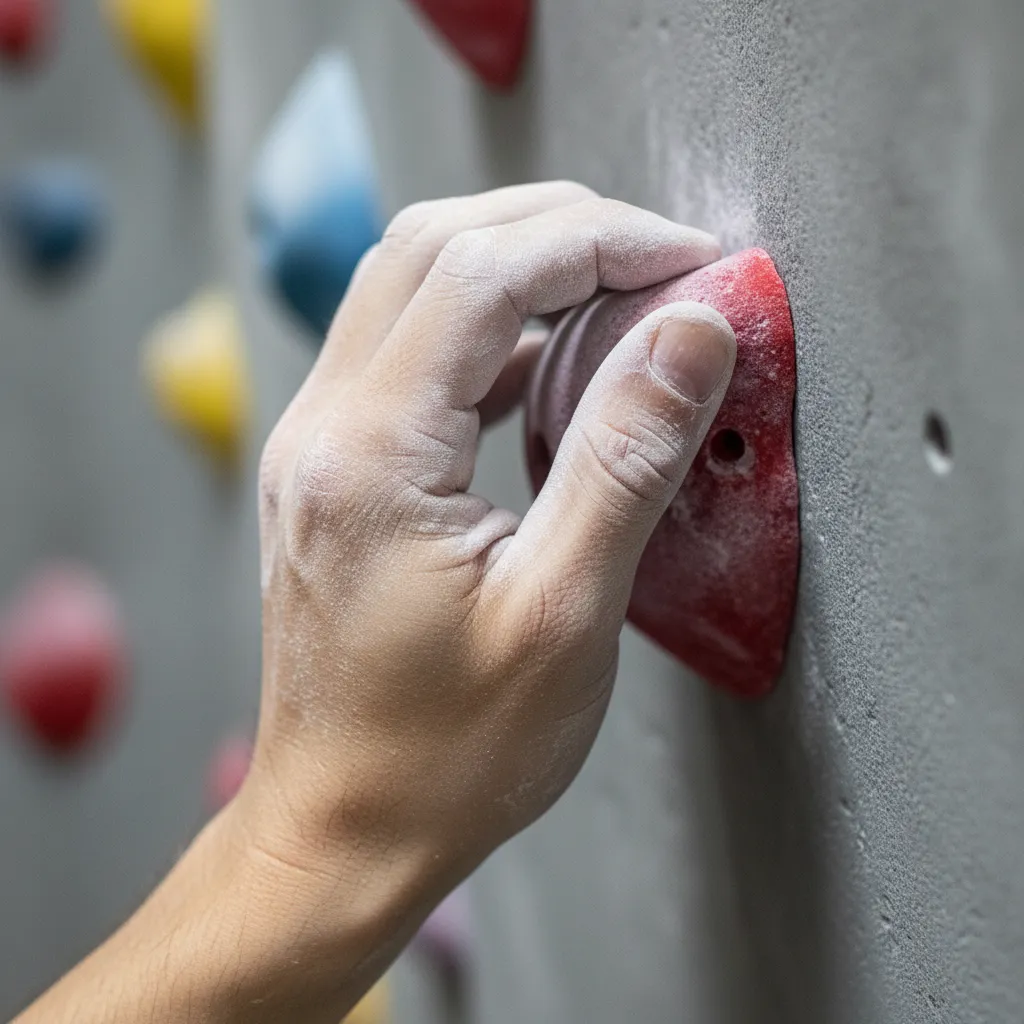
Climbing carries specific injury risks that people underestimate when starting out. Finger pulley injuries are common in bouldering, where small holds place enormous stress on the finger tendons. Shoulder injuries from dynamic moves (dynos) and overhangs are well-documented. Ankle injuries from bouldering falls are frequent enough that most climbing gyms have thick crash mats and still see them regularly.
Recreational boxing (without sparring) has a lower acute injury risk. The most common issues are minor wrist and hand strains, preventable with proper hand wrapping and technique. At Honour and Glory, sparring is always optional, and beginners are protected by weeks of technique training before any progression.
One r/bouldering user's response to combining both sports was telling: "I do both. The main thing is managing your grip. Your forearms will be destroyed if you box and boulder on the same day." Scheduling matters if you do both, because the grip demands of each sport can compound.
Cost in London
London prices as of 2026. Climbing prices based on The Castle, Arch, and Stronghold centres.
Both are more affordable than boutique fitness studios, but boxing has the edge. Climbing walls in London charge £10-£16 per session (The Castle in Stoke Newington is £13, Stronghold in Tottenham is £12.50), plus you need climbing shoes (£40-£80) and chalk (£5-£10). Monthly climbing memberships run £45-£70.
Community boxing clubs charge £5-£10 per session with no joining fee. Equipment is minimal: wraps (£5) and gloves (£25-£50, and many clubs lend them to beginners). Boxing is cheaper to start and cheaper to maintain.
Who Each One Suits
Boxing suits you if: you want higher calorie burn and cardiovascular fitness alongside strength. If you enjoy reactive, fast-paced challenges with another person. If self-defence ability matters to you. If you prefer coached, group training with social energy. If budget is a priority.
Climbing suits you if: you enjoy physical puzzles and methodical problem-solving. If exceptional pulling and grip strength are goals. If you prefer a self-paced activity without time pressure. If the idea of transitioning to outdoor climbing and real rock appeals to you. If you are comfortable with a solo or small-group training environment.
The Crossover: The Push-Pull Athlete
Boxing and climbing complement each other better than almost any other pairing. The push-pull balance is biomechanically ideal. Boxing's rotational and pushing movements develop the anterior chain. Climbing's pulling movements develop the posterior chain. Together, they create the kind of balanced, functional strength that gym-goers spend years trying to build with separate push and pull programmes.
The mental skills transfer too. Boxing's reactive thinking under pressure builds composure. Climbing's analytical problem-solving builds patience. Both require you to manage fear: fear of getting hit, fear of falling. Both reward preparation and punish carelessness.
If you can afford both, two boxing sessions and two climbing sessions per week creates a remarkably complete athlete. Just avoid doing both on the same day. Your forearms and grip will thank you.
Was this page helpful?
It takes one tap, and it genuinely helps.
Which Should You Choose?
Choose boxing if:
- • You want higher calorie burn and cardiovascular fitness
- • Self-defence ability appeals to you
- • You prefer coached, group training
- • You want explosive, full-body power
- • Budget matters (£5-£10 vs £10-£16 per session)
- • You enjoy reactive, fast-paced challenges
Choose climbing if:
- • You love physical puzzles and problem-solving
- • Pulling and grip strength are your goals
- • You prefer self-paced, analytical activity
- • Outdoor rock climbing appeals to you long-term
- • You want a non-combat activity
- • You enjoy training solo or in small groups
Our honest take: These are two of the most engaging, skill-based fitness activities available. Neither is clearly "better" because they serve genuinely different purposes. Boxing wins on cardiovascular fitness, calorie burn, and practical applicability. Climbing wins on pulling strength and problem-solving.
If you have to pick one for overall fitness, boxing gives you the more complete workout. But of all the activities we compare against, climbing is the one we most recommend doing alongside boxing. The push-pull combination is outstanding. Come try both and see which grabs you at Honour and Glory. Want to see for yourself? Book a free session and find out.
See also: Boxing vs CrossFit | Boxing vs Weightlifting | How Many Calories Does Boxing Burn? | Boxing vs Squash | Boxing vs Rowing | Boxing vs Basketball Training
The best way to decide? Come and try it.
Your first session is free. No contract, no commitment.
Book Your Free Boxing Session
Your first session is free. No contract, no joining fee, no catches.
📍 122 Broad Walk, SE3 8ND · Pay as you go from £5