Boxing vs Weightlifting
One builds explosive, functional athletes. The other builds raw strength and muscle mass. Both transform your body, but in very different ways. Here is the honest comparison, with data.

The Core Difference
Boxing
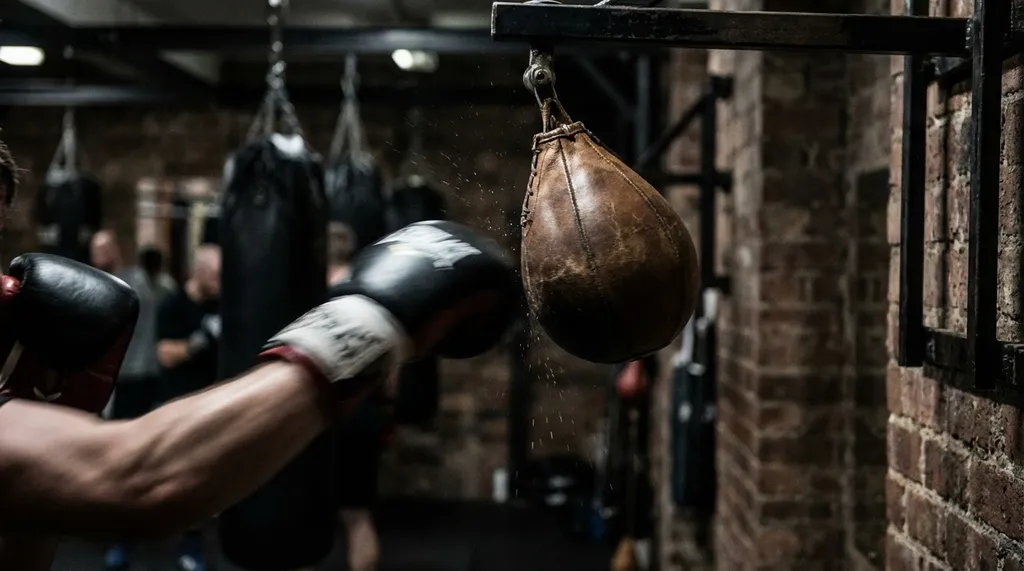
Speed, power, and endurance. Think middleweight fighter: lean, fast, visibly fit.
- • Explosive, full-body movements
- • Cardiovascular conditioning
- • Coordination and reaction speed
- • Lean muscle development
- • A genuine combative skill
Weightlifting
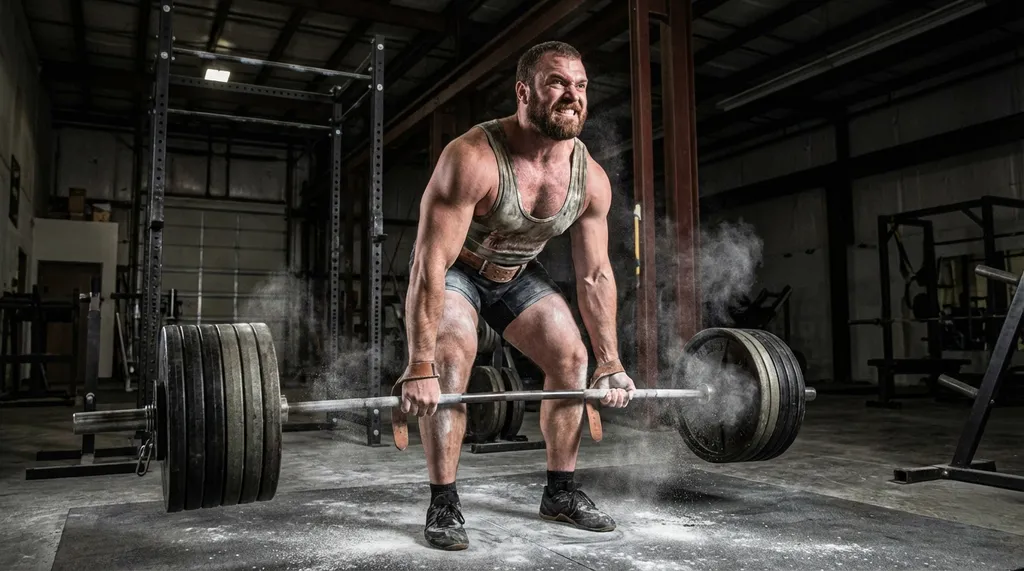
Strength and muscle. Think powerlifter or bodybuilder: big, strong, imposing.
- • Progressive overload with external resistance
- • Targeted muscle hypertrophy
- • Maximum strength development
- • Controlled, predictable movements
- • Higher basal metabolic rate over time
These two activities build fundamentally different types of athletes. Boxing develops fast-twitch muscle fibres, explosive power, and muscular endurance. You will not get big from boxing. You will get defined, fast, and functionally strong relative to your weight. Weightlifting develops larger, denser muscles through progressive overload. If you want to look "built," weightlifting is the direct path.
As one r/amateur_boxing user put it: "Lifting for bodybuilding expands your muscle size. Boxing will shrink your muscle size but increase muscle density." Neither physique is objectively better. They represent different ideals.
Calorie Burn: Two Different Patterns
Calories per hour (70 kg / 11 stone person)
Sources: Coach Magazine (Forza study), ACE Fitness
Boxing burns significantly more calories during the session itself. This is not even close. A boxing training session can burn twice as many calories per hour as a typical weightlifting session.
But weightlifting has a hidden advantage: muscle costs energy to maintain. Every kilogram of muscle you add raises your basal metabolic rate by approximately 50-70 calories per day. Over months and years of consistent weight training, this compound effect becomes meaningful. Your body burns more calories even while you are sleeping. The result is a more complex picture than the per-session numbers suggest.
Functional Fitness and Athletic Ability
This is where boxing has a clear advantage. Boxing develops coordination, balance, reaction speed, timing, spatial awareness, and the ability to generate power from your whole body in a coordinated movement. These skills transfer directly to daily life and to other sports.
Weightlifting develops strength, which is functionally useful. Picking things up, carrying, pushing, pulling. But the movements are controlled, predictable, and typically performed in a single plane of motion. A strong weightlifter can be surprisingly uncoordinated on a sports field, because the gym does not develop athletic movement patterns. As one r/amateur_boxing commenter put it: "If you want to get good at boxing, you box. Weightlifting is detrimental in the sense that the energy spent on weightlifting could be spent better."

Cardiovascular Health
Boxing is an outstanding cardiovascular workout. Your heart rate stays elevated for the entire session, alternating between peaks (working the heavy bag, sparring) and active recovery. Regular boxing significantly improves VO2 max, resting heart rate, and overall cardiovascular fitness.
Weightlifting provides minimal cardiovascular benefit unless performed in a circuit format with very short rest periods. Most traditional weight training programmes involve sufficient rest between sets that your heart rate stays relatively moderate. If cardiovascular health is a priority, weightlifting alone is not enough. You will need to add separate cardio work, which means more time in the gym.
Injury Risk
Both are relatively safe when performed with proper technique and appropriate progression. But the injury patterns differ significantly.
A study published in Sports Medicine on injury prevalence across weight-training sports found that acute injury rates ranged from 26% to 72% in weightlifting. Lower back injuries (particularly from deadlifts and squats with poor form), shoulder impingement from pressing movements, and knee strain from leg exercises are the most common. These tend to be more serious when they occur.
Boxing (non-sparring) risks are primarily minor wrist and hand strains, preventable with proper hand wrapping. Shoulder fatigue is possible with heavy bag work. Serious injury from non-contact boxing training is uncommon. At Honour and Glory, sparring is always optional and supervised.
Cost in London
Sources: The Fitness Group 2025 report
Weightlifting requires a gym membership (£40-£80 per month for a decent strength gym) plus equipment like belts, straps, and shoes (£100-£200 total). If you are a beginner and need a personal trainer to learn the lifts safely, that adds £40-£70 per session. The total first-year cost of weightlifting can easily reach £1,500-£3,000.
Boxing at a community club costs £5-£10 per session with coaching included. Start-up equipment is minimal: wraps (£5), gloves (£25-£50). First-year cost training three times per week at Honour and Glory: approximately £780-£1,560, with expert coaching included in every session.
Who Each One Suits
Boxing suits you if: you want a lean, athletic physique rather than bulk. If you value cardiovascular fitness alongside strength. If you want a skill that develops over time and stays with you. If you prefer coach-led group sessions to training alone in a weights room. If you are over 40 and want something that builds fitness without heavy spinal loading.
Weightlifting suits you if: building visible muscle mass is your primary goal. If you want to get significantly stronger in measurable ways (how much you can squat, bench, deadlift). If you are self-motivated and enjoy the solitary focus of the weights room. If you want to raise your long-term metabolic rate through increased muscle mass.
The Crossover: What Transfers
The combination of boxing and strength training is what professional boxers actually do. This is not a coincidence. Stronger legs mean better footwork and more explosive movement. A stronger core means harder punches with better rotation. Stronger shoulders mean you can keep your guard up for longer without fatigue.
Going the other direction, boxing conditioning improves everything about your time in the weights room. Better cardiovascular fitness means shorter rest periods and more total work. The core stability boxing develops protects your spine during heavy lifts. The discipline and mental toughness transfer directly.
Two or three boxing sessions plus two strength sessions per week is an outstanding training split. You get the skill, cardio, and stress relief from boxing, plus the strength and muscle development from weights. That combination produces a genuinely well-rounded athlete.
Was this page helpful?
It takes one tap, and it genuinely helps.
Which Should You Choose?
Choose boxing if:
- • You want maximum calorie burn per session
- • You want a lean, athletic physique
- • You want cardiovascular fitness built in
- • You want a real skill, not just exercises
- • You prefer coach-led group training
- • You want stress relief and self-defence
Choose weightlifting if:
- • Building muscle size is your primary goal
- • You want to raise your metabolic rate long-term
- • You enjoy measurable strength progression
- • You prefer solo, self-directed training
- • You want to look "built" rather than "lean"
- • You have the budget for gym plus trainer
Our honest take: The best answer is both. The combination of boxing and strength training is what professional fighters actually do, and it produces the most complete fitness. But if you can only pick one, boxing gives you more overall: cardio, skill, community, stress relief, and a complete workout in every session. Weightlifting gives you more muscle. Want to see for yourself? Book a free session and find out.
See also: Boxing vs the Gym | How Many Calories Does Boxing Burn? | Boxing Body Transformation
The best way to decide? Come and try it.
Your first session is free. No contract, no commitment.
Book Your Free Boxing Session
Your first session is free. No contract, no joining fee, no catches.
📍 122 Broad Walk, SE3 8ND · Pay as you go from £5