Intermediate Boxing Combinations: Moving Beyond the Basic
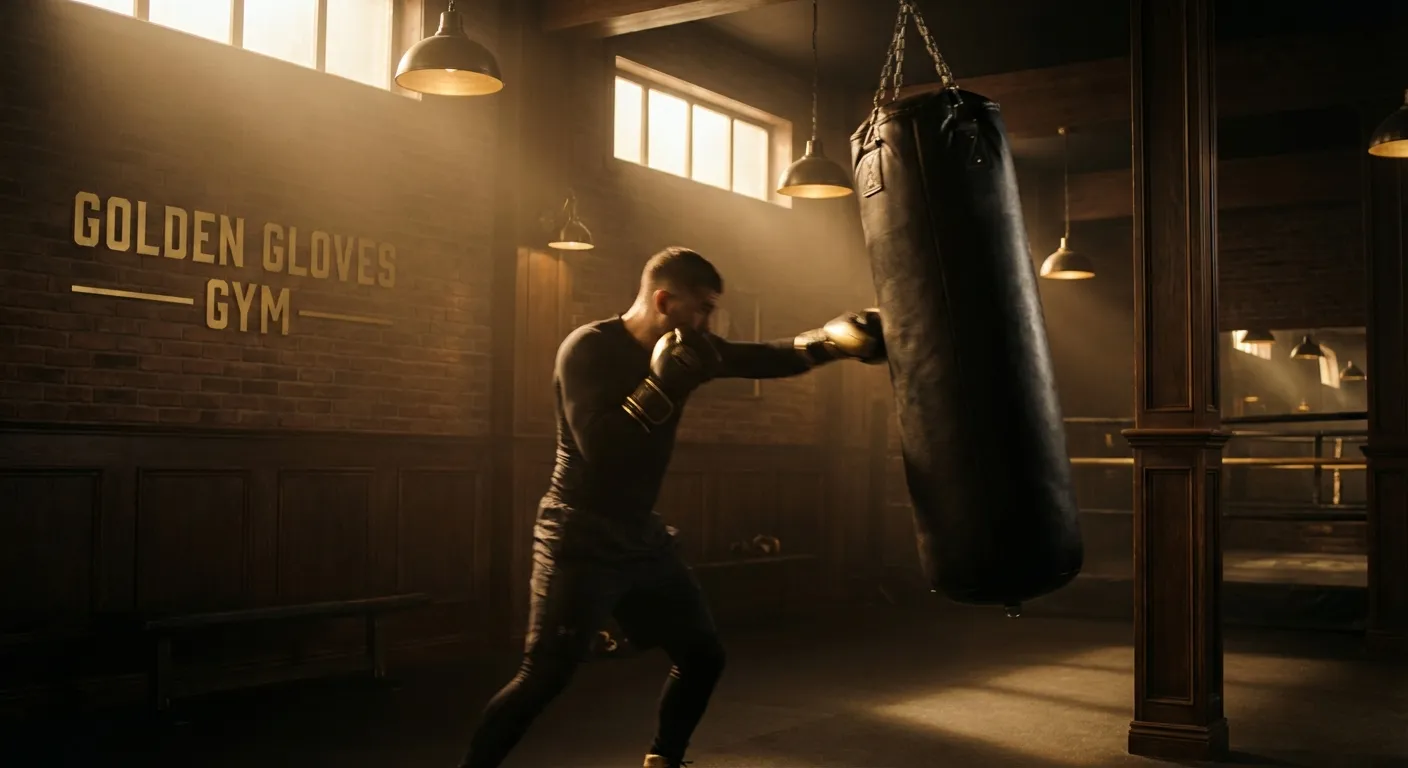
boxing biomechanics research on elite boxing shows advanced combinations requiring automated hip rotation and weight transfer patterns. Boxing Science covers the specific conditioning drills that improve combination execution speed.
Beginner combinations are well covered. The jab-cross, the jab-cross-hook, the basic three-punch combinations every coach starts you on. Once those are automatic, the question is what comes next.
This is the intermediate level: combinations that require real timing, angles, and footwork rather than just memorised sequences.
Why Intermediate Combinations Feel Different
Basic combinations are linear. They go forward, they end. Intermediate combinations exploit what happens after the initial exchange - they use the opponent's response as the setup for the next attack.
This requires understanding two things: reaction time, and the mechanical consequences of punches landed or blocked.
When someone blocks a jab, their hands come up and their weight shifts slightly back. That creates specific openings. When someone slips a jab, they move laterally. That creates different openings. Intermediate combination work trains you to read these consequences and capitalise on them automatically.
The Jab-Cross-Step Left-Hook Combination
The basic jab-cross-hook fires all three punches on the same line. This one uses footwork to create the angle.
After the jab-cross, step out to your left at 45 degrees as you throw the hook. This takes you off the centre line, puts your weight through the hook properly, and leaves you positioned for a body shot with the right hand if you want to extend it.
The footwork is the combination. Without the step, it is three punches. With the step, it is a positional attack.
Practice this slowly: jab, cross, step-hook together as one movement. The step and the hook land simultaneously. When it clicks, the weight transfer through the hook becomes immediately apparent.
The Double Jab Entry
Two jabs followed by a power combination sounds simple. The reason it works is that the first jab is a feeler and the second jab is disguised as another feeler.
The double jab disrupts rhythm. Most defensive responses are timed to single attacks. Two jabs in quick succession confuses the timing and creates a fractional hesitation - that hesitation is where the cross or hook lands.
Drill this on the bag: double jab, cross, hook. The double jab should be quick, the cross should be committed and fast.
Body-Head Combination
The body-head transition is one of the most effective tools in boxing because it exploits a fundamental mechanical problem: you cannot cover high and low simultaneously.
Jab to the body, cross to the head. Or jab to the body, jab to the head - the same tool, less committed, but useful for testing.
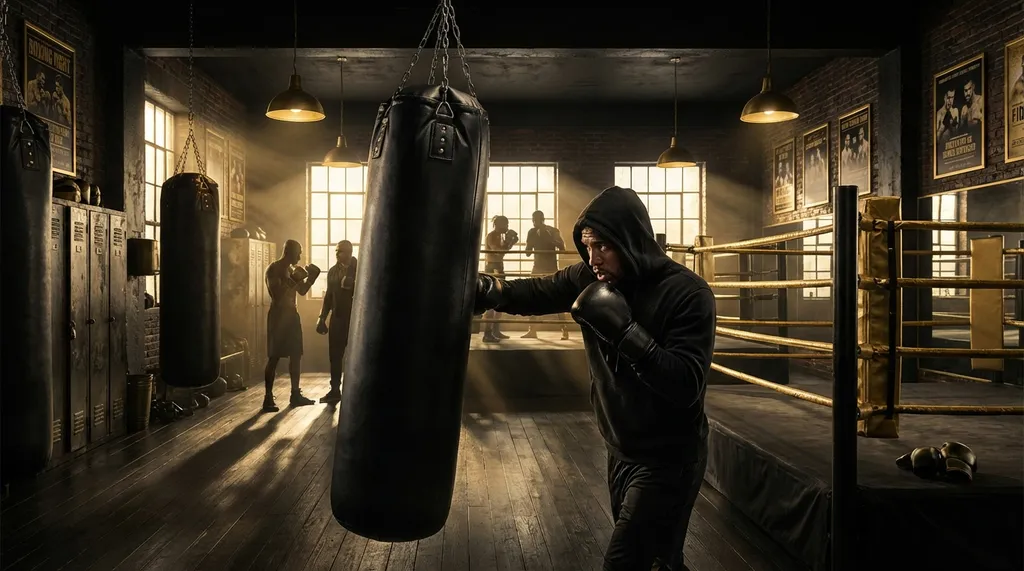
The key is the level change on the body shot. You drop your level, land to the body, then rise for the head shot. The rise is the combination - their guard coming down to protect the body opens the head.
The Uppercut Entry
The uppercut is underused in recreational boxing because it requires closing distance and changing angles in ways that feel unnatural early on.
Once footwork is solid, the uppercut becomes a devastating entry tool.
Slip outside the jab, step in, uppercut. Or: jab, slip, step in, uppercut. The slip and step change your angle from straight ahead to slightly inside. From inside, the uppercut travels a short distance and is very difficult to see coming.
Training Intermediate Combinations
The mistake is running through combinations at full speed before they are automatic. Speed comes from automation. Automation comes from slow, deliberate repetition.
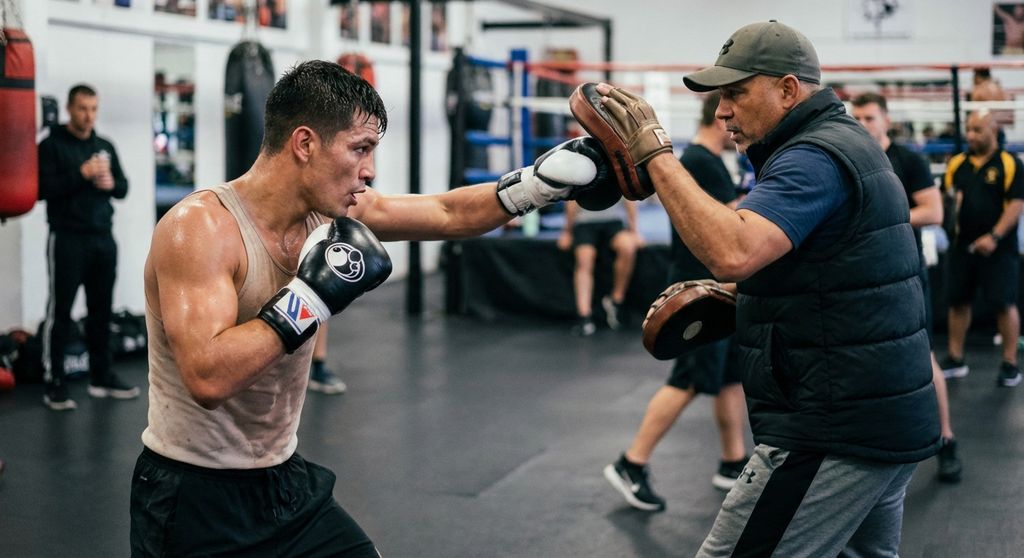
Practice new combinations slowly on the bag first. Get the footwork and weight transfer right. Then gradually increase speed as the movement becomes natural.
Shadowboxing is where intermediate combinations really develop. Without a bag, you have to imagine the target and the reaction. This forces you to think about the setup, not just the execution.
Work with a coach on the pads once the combination is solid on the bag. The pad holder can give you realistic targets and create the reaction cues that the bag cannot.
At Honour and Glory, the Adult Recreational class covers pad work at the level appropriate to each member's development. If you are at the stage where beginner combinations are becoming automatic, speak to the coach about introducing angle work and body-head combinations.
H&G Team
Writer at Honour & Glory Boxing Club, a community boxing gym in Kidbrooke, South East London.
KEEP READING
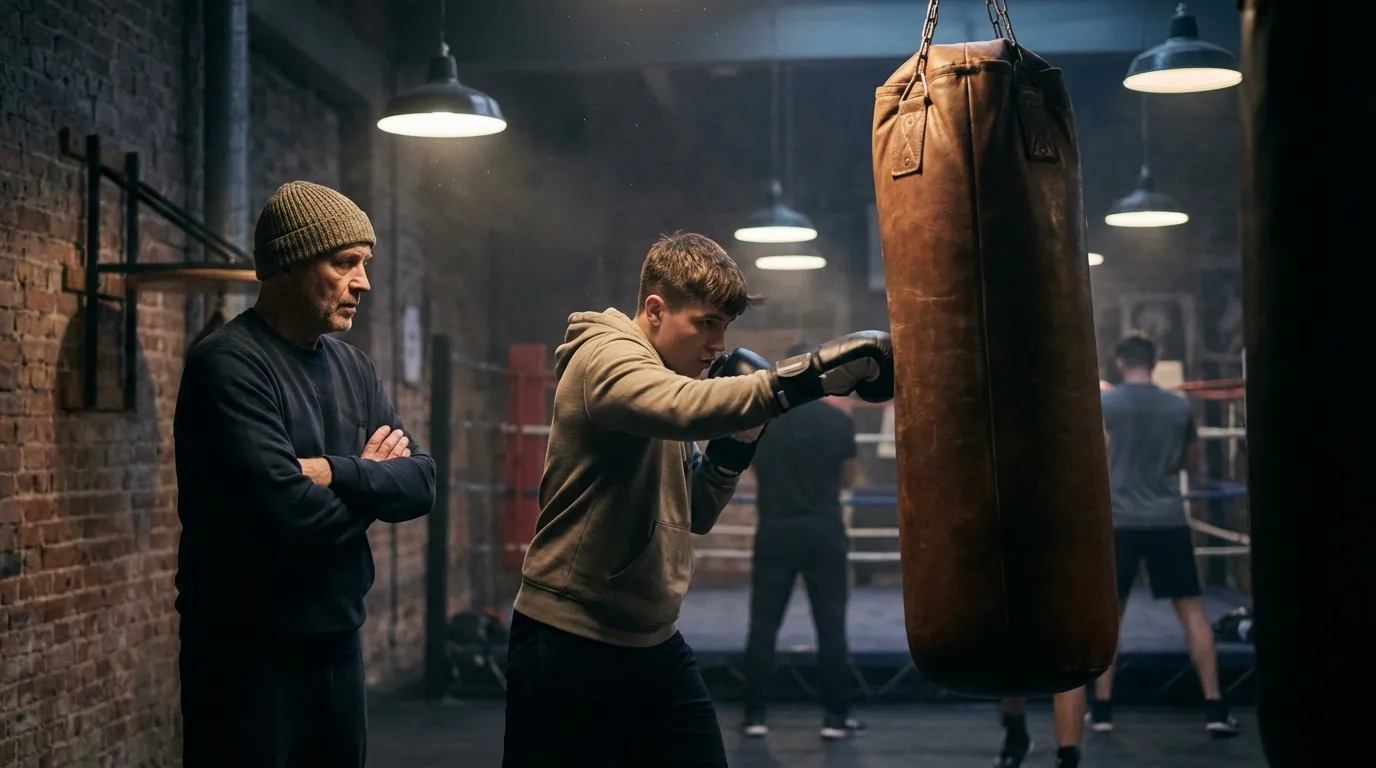
Boxing Combinations for Beginners
Learn the essential boxing combinations every beginner needs to know. From the basic 1-2 to more advanced sequences, these combos form the foundation of your offence.
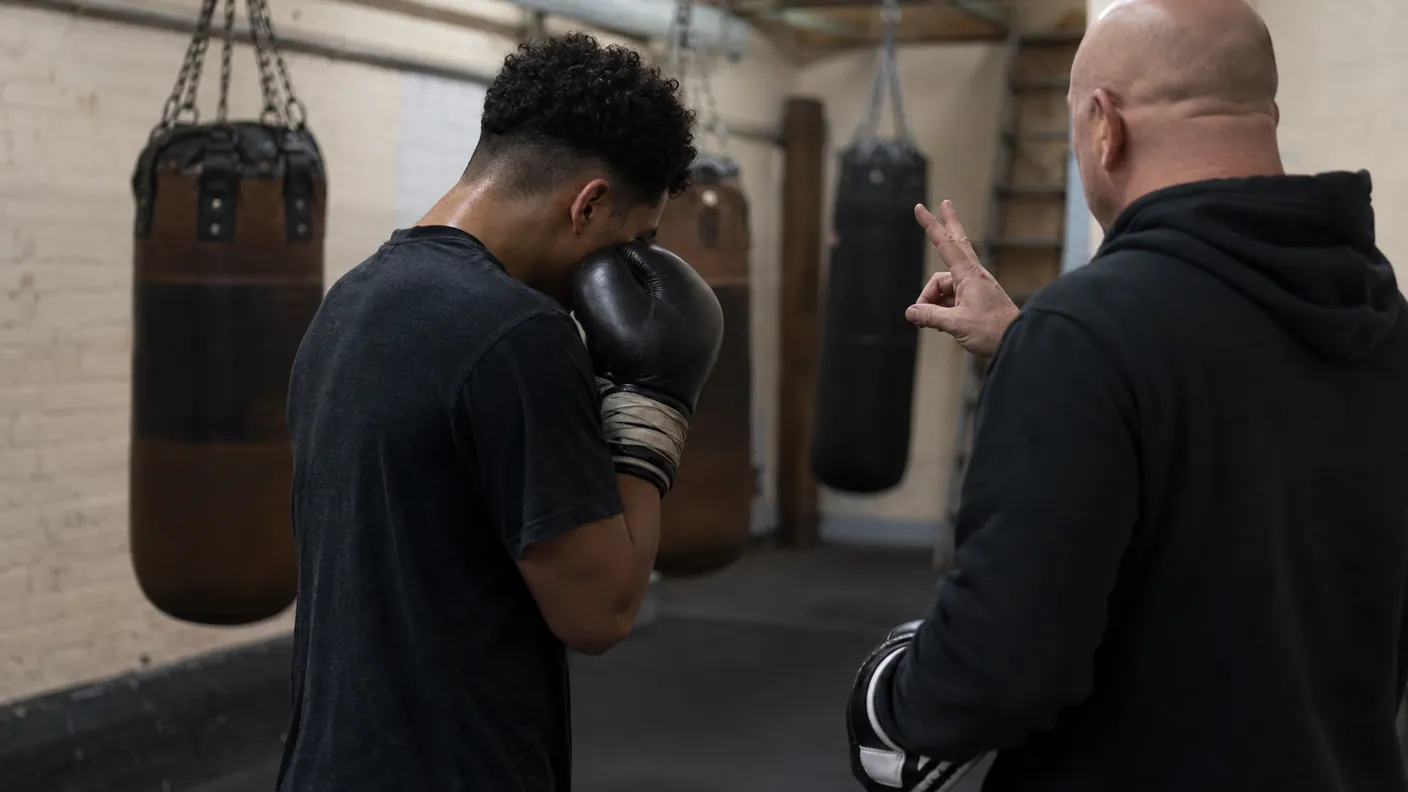
Why You Rush Boxing Combinations
Rushing makes combinations fall apart. Learn how to slow the first punch, keep your stance and build speed that still looks like boxing.
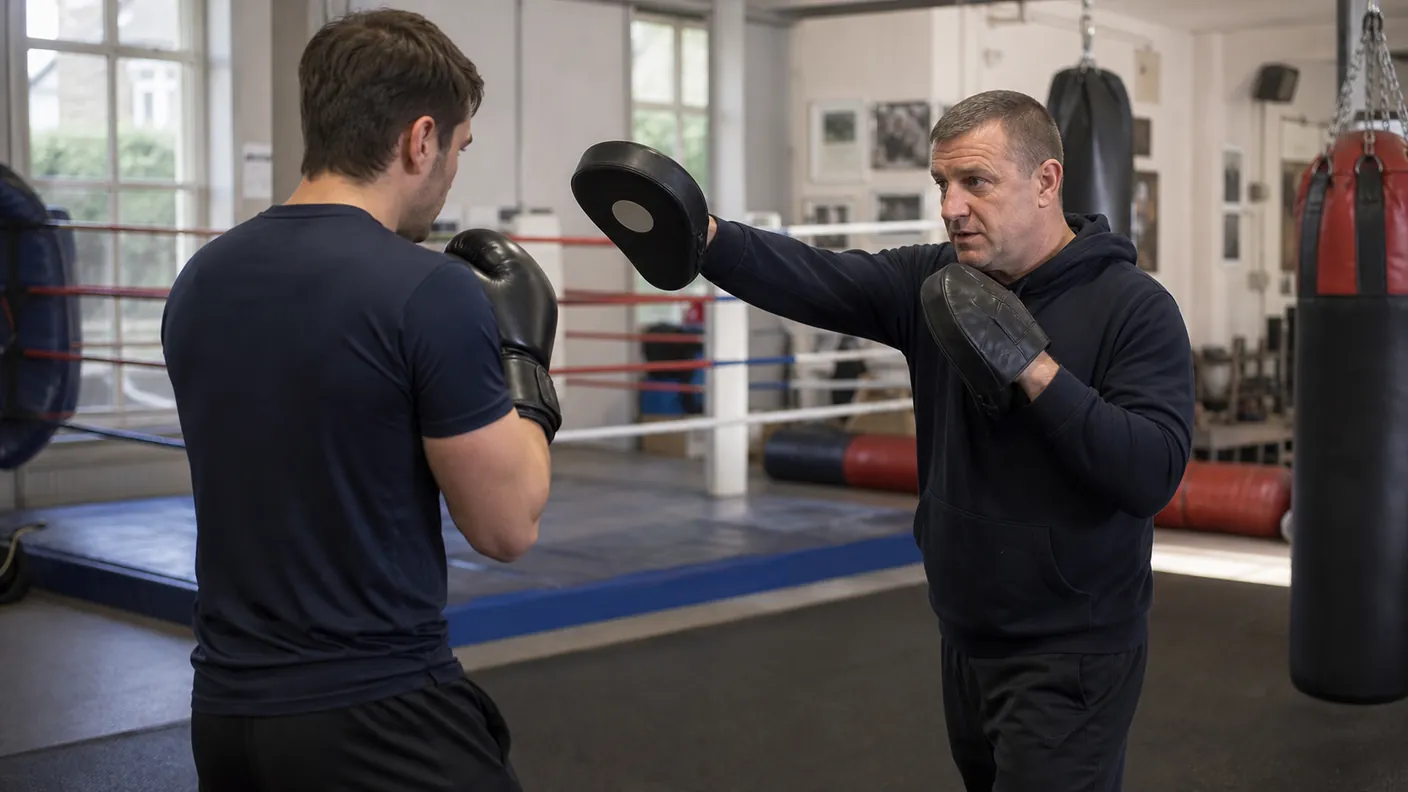
How to Remember Boxing Combinations
Forget combinations as soon as a coach calls them? Learn a calmer way to build boxing combinations that you can actually use.
Was this page helpful?
It takes one tap, and it genuinely helps.
Choose your next step
Turn this article into the right action
Some readers are ready to book. Some need the class route first. Pick the route that matches what you actually want.