Boxing Fitness for Security Guards: When It Fits
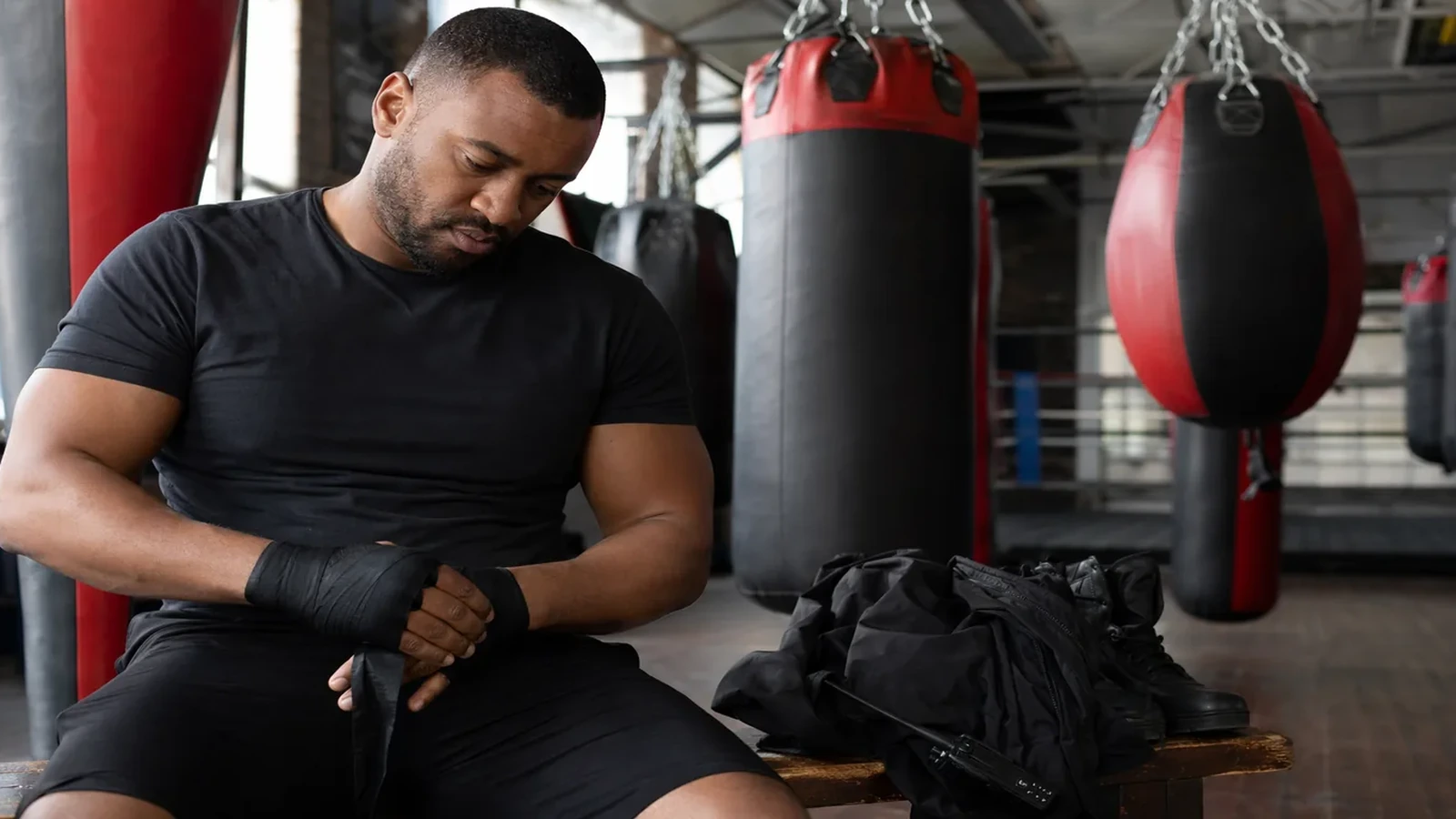
Best exercise for security guards? Boxing is one of the few answers that fits the job without turning it into a macho fantasy.
Security work is not just standing around. It can mean long quiet hours, late finishes, awkward people, sudden pressure, tired feet, poor sleep and a constant need to stay calm when someone else is trying not to. Door staff, retail security, event security and close protection all have different demands, but the common thread is control.
The best exercise for security guards needs to build fitness, posture, confidence and composure. It should help you move better, breathe under pressure and feel physically capable without making you reckless.
That is where boxing fits.
Security work is harder on the body than it looks
A lot of security work looks passive from the outside.
The reality is different. Long shifts often mean standing for hours, walking short patrol routes, sitting in control rooms, moving between posts, dealing with people at awkward times and staying alert when nothing much is happening. That is a strange physical pattern: not enough movement to count as training, but enough strain to leave the body tired.
Prolonged standing is not harmless. A review of workplace standing found links with lower back pain, lower-limb discomfort, fatigue and vascular problems (prolonged standing review). Security guards and door staff are right in that zone, especially when shifts are long and breaks are poor.
Night work adds another layer. NHS night-shift guidance warns that working at night can cause sleep deprivation, fatigue and accumulating sleep debt (NHS night-shift sleep advice). Anyone who has worked doors, events or overnight security knows how quickly that can flatten motivation to train.
Boxing builds fitness without making it about ego
The wrong kind of training for security work is training that makes people more tense, not more controlled.
Security guards do not need exercise that feeds the idea that every awkward conversation is a fight waiting to happen. They need fitness that helps them stay calm, move well and hold themselves properly when the shift gets uncomfortable.
Boxing is useful because good boxing is not wild. It is balance, breathing, footwork, distance, timing and control. You learn to keep your hands up without panicking. You learn to move your feet instead of planting yourself. You learn that swinging harder is not the same as doing better.
That is a good lesson for anyone working around conflict. The best security workers are not the loudest people in the room. They are the ones who can stay composed.
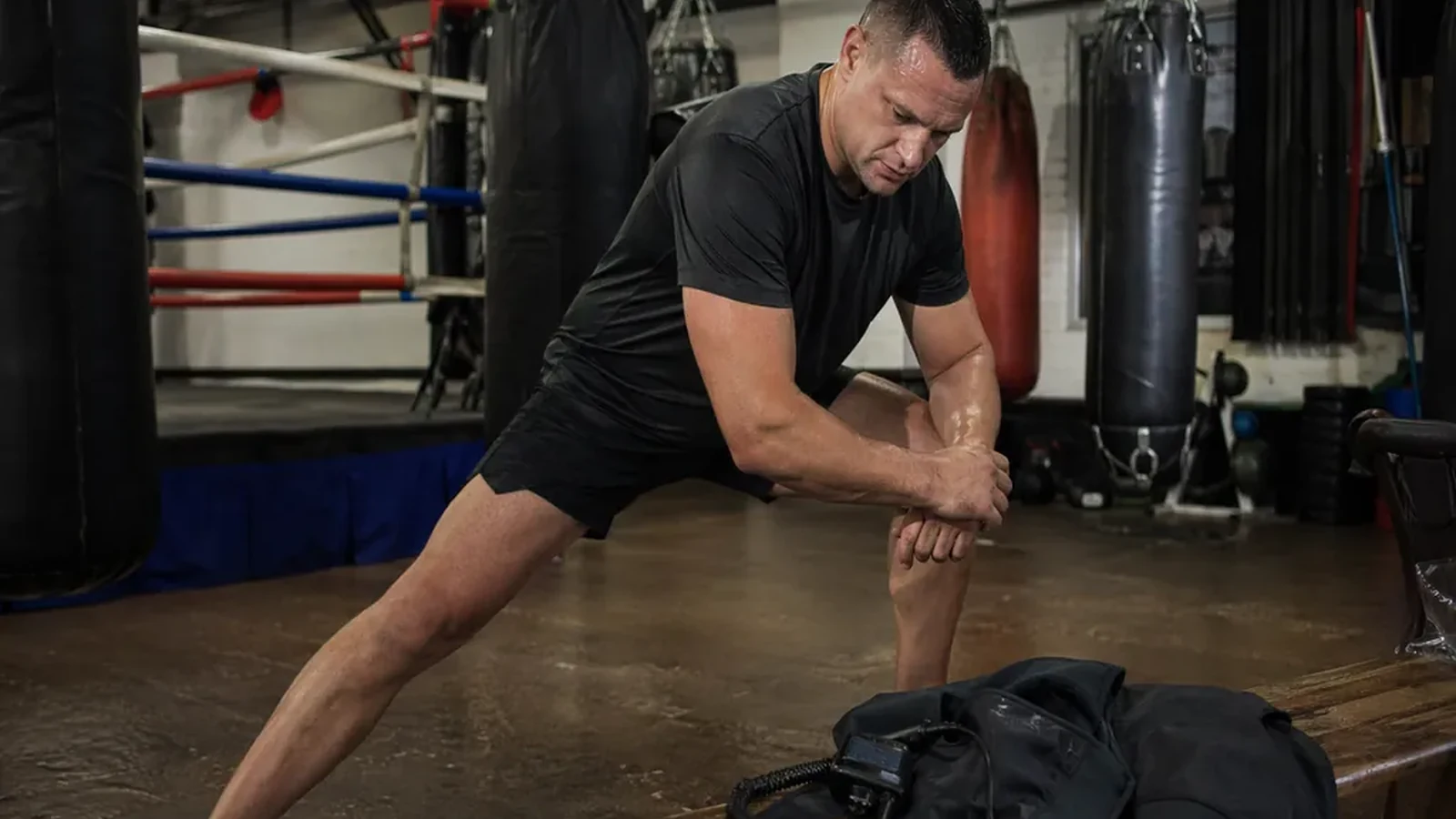
The job has boredom-to-pressure spikes
Security work can be mentally odd because the shift can be quiet for ages and then change quickly.
That is true on doors, at events, in retail, in residential security and in close protection. You might spend most of the night observing, checking, waiting and repeating the same small tasks. Then one person, one incident or one decision changes the tone.
Research on security guards has linked occupational stressors with health impairments and work disability measures (security-guard occupational stress study). Another study on night-time shift work in security guards looked directly at stress responses across different guard activities (night-shift security guard study). The point is simple: the job is not mentally neutral just because parts of it look quiet.
Boxing helps because it trains controlled intensity. Rounds are short, focused and repeatable. You work, recover and go again. That teaches the body to switch on without losing shape.
For security staff, that is more useful than slow, vague exercise that never asks you to manage pressure.
Boxing helps with posture, feet and movement
Security workers often pay for the job in the same places: feet, calves, knees, hips, lower back, neck and shoulders.
Standing still is not the same as being athletic. Long standing can make the body stiff and heavy. Sitting through control-room or vehicle-based shifts can create the opposite problem: tight hips, rounded shoulders and a flat feeling before the shift has even got going.
Boxing gives the body a better movement diet. You step, pivot, rotate, brace, punch and reset. You use your hips and trunk. You learn to stay light enough to move, even when tired.
That matters for security work because movement quality is part of confidence. If you feel slow, stiff and fragile, you carry yourself differently. If you feel fit, balanced and in control of your body, you do not need to perform toughness.
The NHS recommends adults do at least 150 minutes of moderate intensity activity a week or 75 minutes of vigorous activity, plus strengthening work on two days a week (NHS adult activity guidelines). Coached boxing can help cover both sides in one place.
It is confidence training, not fight training
This distinction matters.
Most security workers should not be looking for more reasons to fight. If anything, the job needs people who can de-escalate, speak clearly and avoid making bad situations worse. Boxing should support that, not undermine it.
Good recreational boxing builds confidence because you know your body better. You know what being tired feels like. You know how to breathe when your heart rate rises. You know how to move when pressure comes toward you. That makes you less likely to overreact, not more.
This is why boxing can be a sensible choice for door staff and close protection workers too. The benefit is not pretending every shift is a round. The benefit is staying calm enough that it does not become one.
If stress release is part of the attraction, boxing for stress relief is a useful next read.
What kind of boxing works best for security guards?
For most security guards and door staff, recreational boxing two or three times a week is the right starting point.
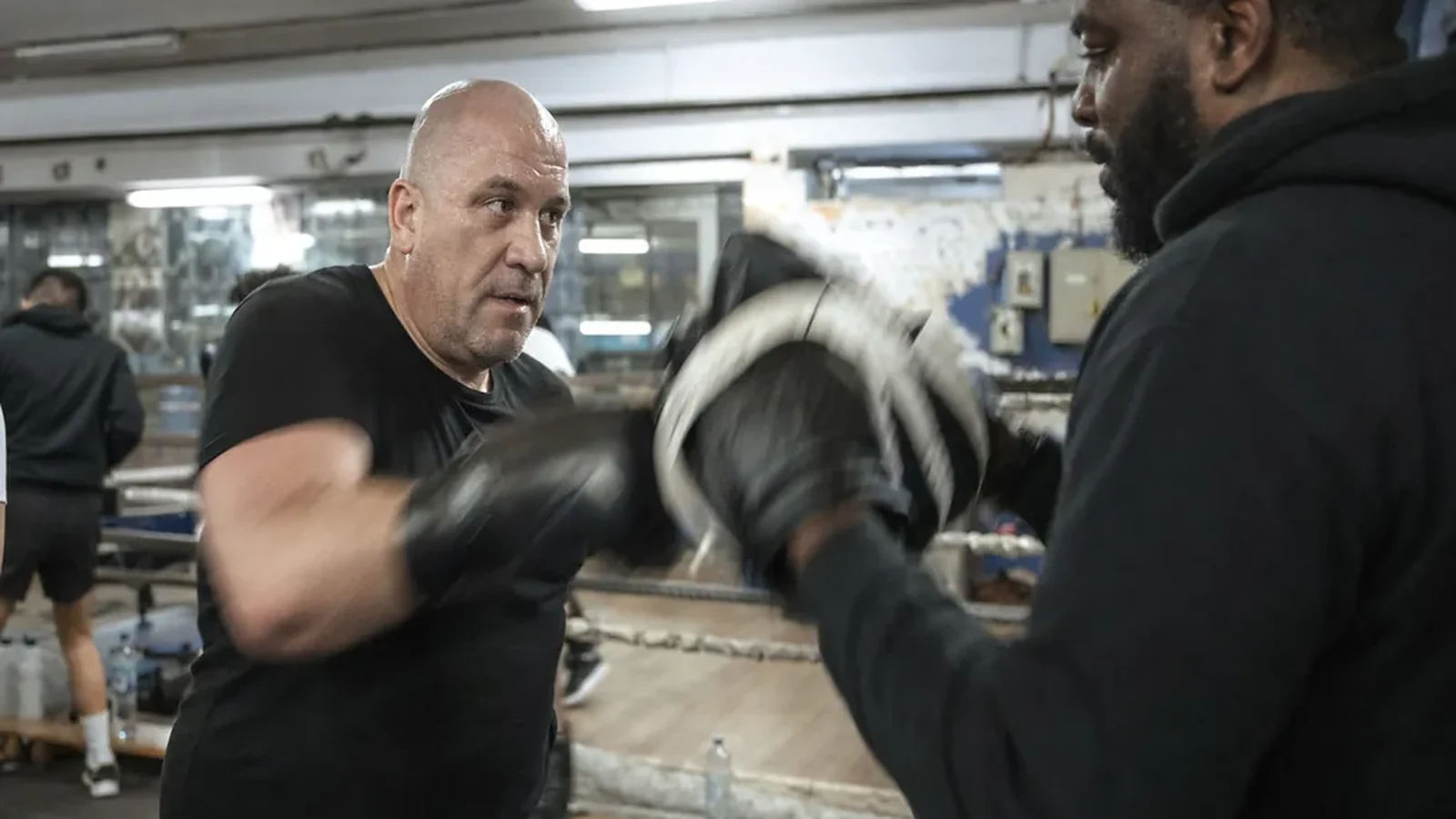
Not hard sparring by default. Not trying to become the person who talks about boxing on every shift. Just proper coached sessions: warm-up, footwork, pads, bag work, technique and conditioning.
Our Adult Recreational boxing classes suit that well. You get structure and coaching without needing previous boxing experience, and the training is challenging without being built around ego.
If you work in or around Greenwich, Kidbrooke, Blackheath or nearby parts of south east London, it is practical enough to fit around late shifts, event work and changing rotas.
The honest caveat
Boxing will not fix bad rotas, poor sleep, unsafe workplaces or managers who treat security staff as disposable.
It will not replace proper conflict-management training, first-aid training, licensing requirements or sensible workplace procedures. If you have an injury from standing, lifting or an incident at work, get proper help rather than trying to punch through it.
But if the question is what exercise gives security guards better conditioning, sharper movement, stress release and more calm under pressure, boxing is hard to beat.
It gives you intensity without chaos. It builds confidence without swagger. And for a job where the best outcome is often nothing kicking off, that is exactly the point.
If you want the broader comparison, boxing vs gym: why people switch explains why many adults stick with boxing when normal gym training goes stale.
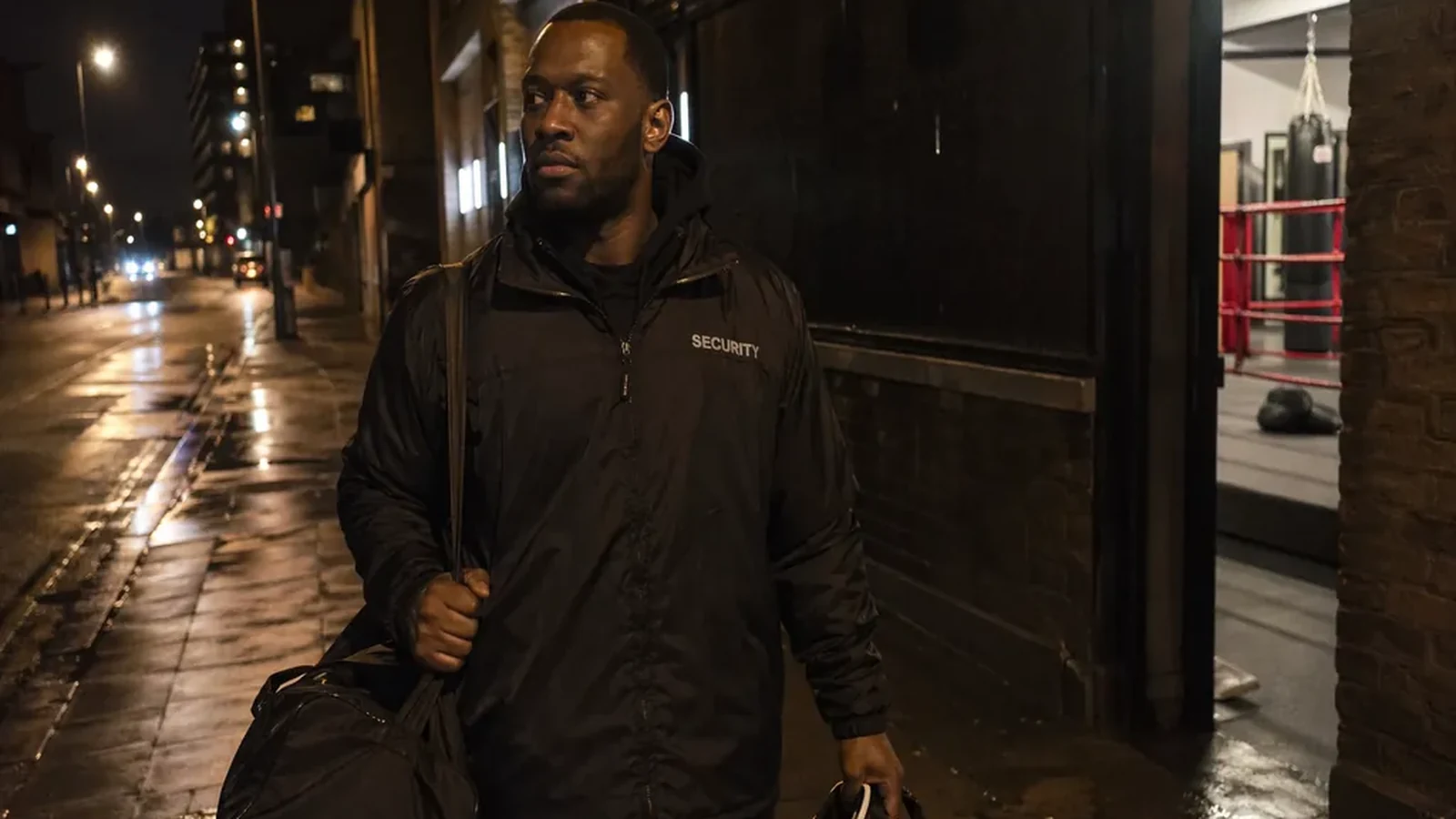
How to start if you do this job
For most security guards, the best first step is a normal coached group class, not a complicated programme. Start with Adult Recreational boxing or the broader adult beginner boxing guide if you want to understand what happens first.
If your rota, clients or working hours make set classes hard, use boxing personal training or private boxing lessons as the paid route. The free trial is for scheduled group classes.
Book a free trial session at Honour and Glory Boxing Club.
More job-specific boxing guides
If this article fits your work pattern, the full boxing for workers guide links the rest of the job-specific series, including desk workers, shift workers, trades, carers, drivers, teachers and busy professionals.
H&G Team
Writer at Honour & Glory Boxing Club, a community boxing gym in Kidbrooke, South East London.
KEEP READING
Boxing Fitness for HR Professionals: When It Fits
Boxing can be a useful training option for hr professionals when you want coached movement, conditioning and a clear break from work. It is not the only answer, but it can fit well.
Boxing Fitness for Students: When It Fits
Boxing can be a useful training option for students when you want coached movement, conditioning and a clear break from work. It is not the only answer, but it can fit well.
Gym or Boxing: Which Is Better for Fitness?
A practical answer to whether a gym or boxing is better for fitness, weight loss, confidence and long-term consistency.
Was this page helpful?
It takes one tap, and it genuinely helps.
Choose your next step
Turn this article into the right action
Some readers are ready to book. Some need the class route first. Pick the route that matches what you actually want.