Boxing Fitness for Police Officers: When It Fits
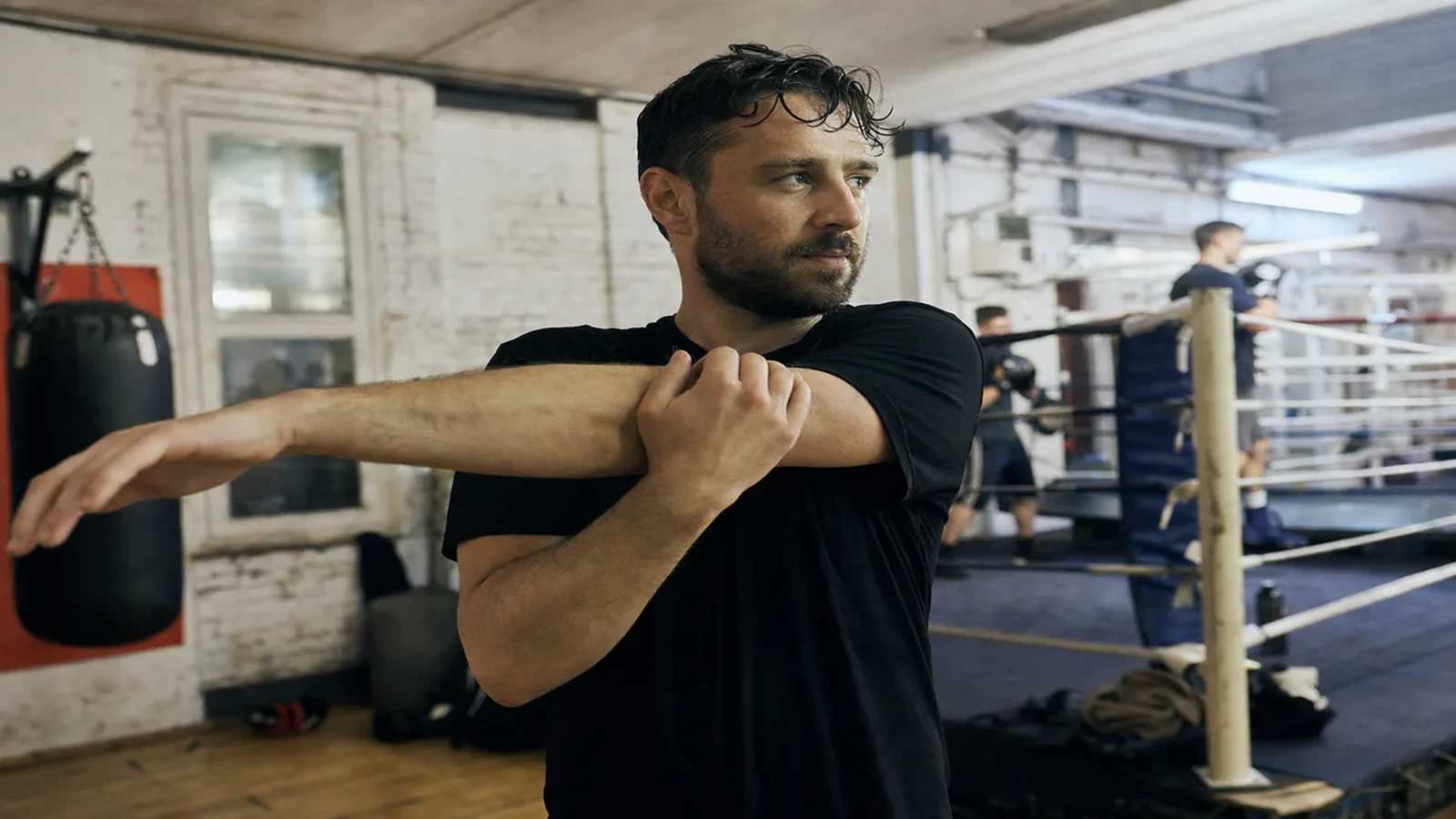
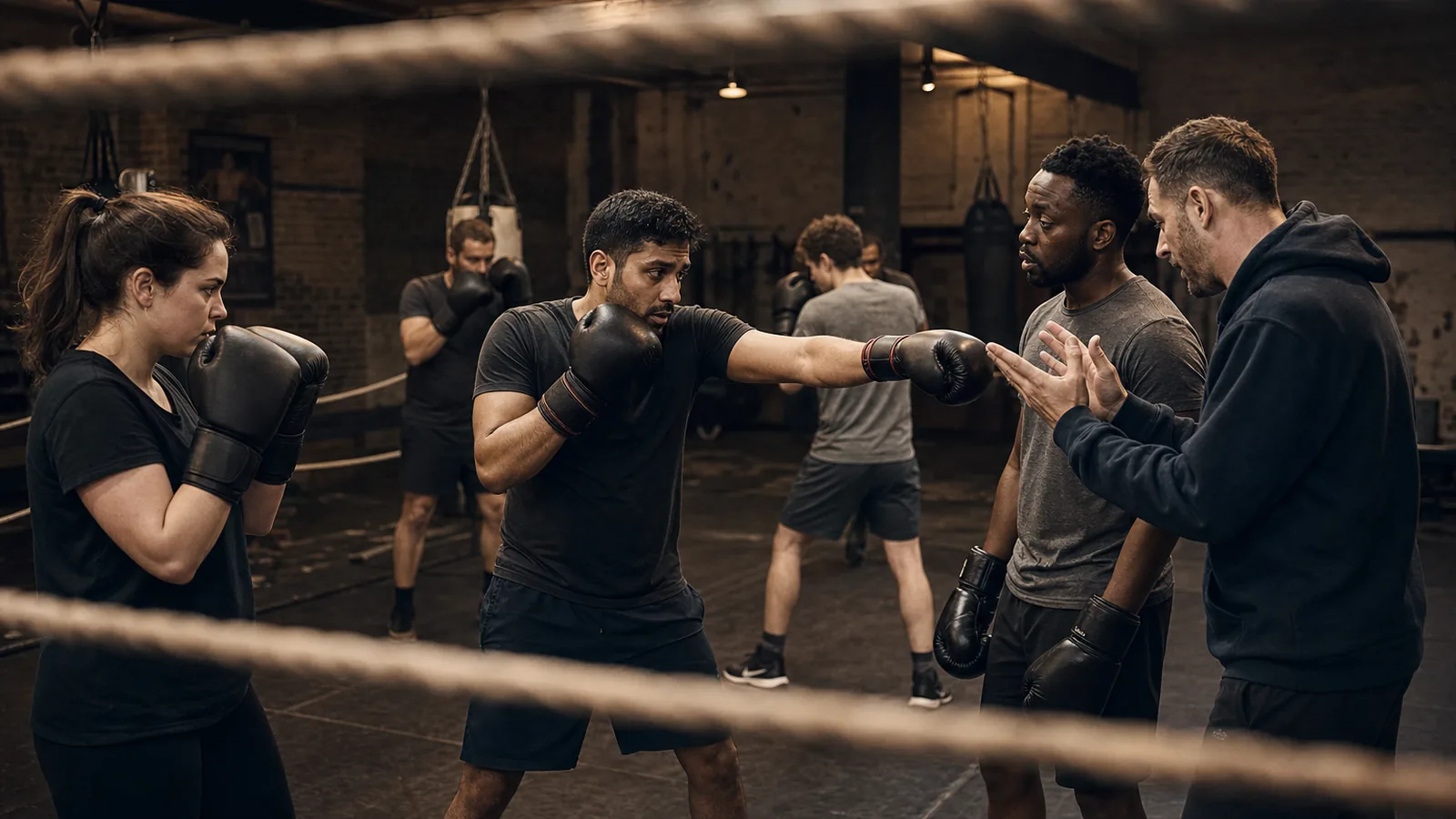
For police officers, boxing can be a useful way to train when you want conditioning, coordination and a clear break from work.
Not because every officer needs to be a fighter. Because police work creates a combination of stress, fatigue, impact and physical tension that a lot of standard fitness advice does not really address.
The job can involve long periods of sitting, sudden bursts of action, awkward kit, bad sleep, emotional strain and a constant need to stay composed around other people's chaos. The best exercise for police officers needs to sharpen you up physically, clear your head and still be sustainable when work is messy.
That is where boxing can be useful, as long as it fits your schedule and recovery.
Why police officers need more than generic fitness
There is a difference between being exhausted by work and being well trained.
Police officers often finish shifts feeling wrecked, but that does not necessarily mean their bodies have moved well, recovered well or built the kind of conditioning they actually need. Occupational fatigue is not the same as useful training.
The 2025 National Police Wellbeing Survey, with more than 40,000 respondents from 33 forces, found that 45% often feel burnt out, 55% experience persistent physical fatigue and 60% find it difficult to take enough breaks (Oscar Kilo survey summary). That is not a small wellbeing issue. It is a live operating reality.
There is also a body-cost angle. A 2023 study protocol summarising prior police data noted high musculoskeletal strain in officers, including reported back pain at 41% and shoulder or neck pain at 43.5% in Berlin police, with other police samples showing similarly heavy back, neck and shoulder loads (police musculoskeletal study protocol). Again, none of that is hard to believe if you spend enough time in cars, on your feet, wearing gear and reacting under pressure.
So the best exercise for police officers needs to do more than build a beach body or tick a cardio box. It should help with:
- conditioning under fatigue
- shoulder, trunk and hip function
- resilience under stress
- staying sharp without feeling constantly ground down
That is why boxing can suit the job for some people.
Why boxing works for police officers
Boxing gives you useful conditioning with a technical edge.
It is not just hard work for the sake of it. You move, brace, rotate, react, recover and repeat. You train under pressure without the session becoming a mindless slog. That matters for police officers because the job itself already contains enough mindless slog.
The second big advantage is composure. Good boxing teaches effort without panic. You learn to breathe, stay organised and keep doing the basics while tired. That is useful in sport, but it is also useful more broadly for anyone whose work occasionally demands calm decision-making when adrenaline is up.
Third, boxing is a clean mental break. A lot of officers do not need another solitary gym routine where the whole shift can keep replaying in the background. Pads, bag work and combinations demand enough focus that the head finally shuts up for a bit.
That reset is a large part of the appeal.
Boxing is more useful than "just get fitter"
That phrase sounds sensible until you ask what it actually means.
More running? Fine, if you like it. More lifting? Also fine, especially if you are disciplined and programme it properly. But many officers need something that combines effort, movement quality and stress release in one place rather than splitting them into three separate problems.
Boxing can do that well for people who enjoy coached, high-energy training.
It builds engine, but it also trains rhythm and coordination. It asks more of the upper body and trunk than running does. It feels more alive than machine-based cardio. It is hard enough to matter but varied enough to stay interesting.
That is a serious advantage if your work already involves enough repetition and enough boredom between the serious moments.
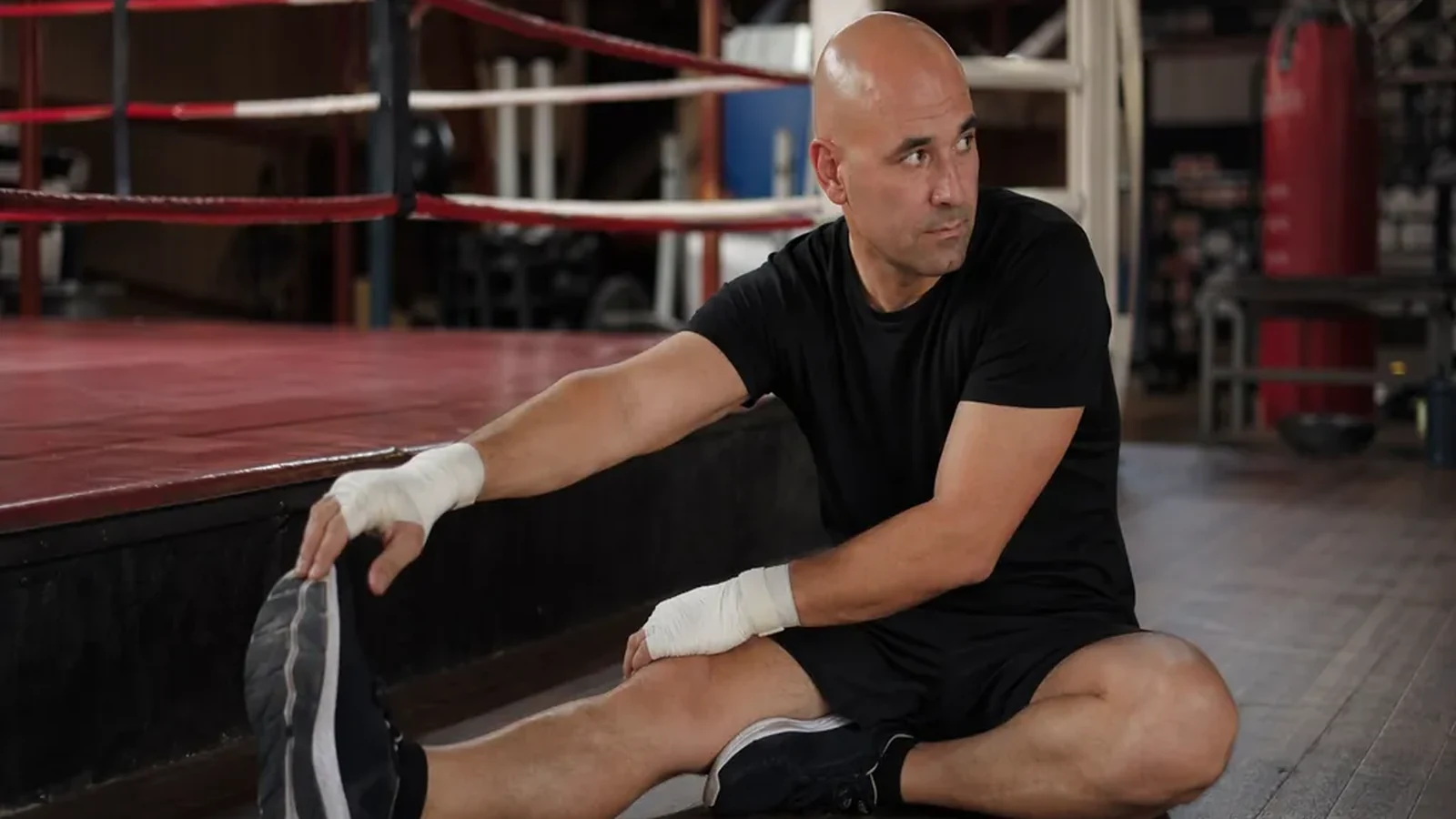
It also matches the stress profile of the job
Police work does not just create physical fatigue. It creates cumulative stress.
Difficult shifts. Public hostility. Paperwork after the hard part is already over. Understaffing. Long drives home when you are too tired to think straight. The Oscar Kilo survey points directly at burnout, fatigue and difficulty taking breaks as core pressures across policing (Oscar Kilo survey summary).
This is where boxing can offer a more active outlet than quieter forms of exercise.
You are not just "being active". You are doing something immersive, skilled and physically honest. For plenty of officers, that works better than trying to decompress with another quiet activity when the nervous system is already buzzing.
Our article on boxing for stress relief covers that in more detail, but the short version is simple: some jobs need an exercise format that feels like release, not just maintenance.
The shoulder, back and posture angle matters more than people think
Police officers spend plenty of time in positions that annoy the body.
Cars. Desks. Standing around in gear. Sudden movement after static time. Tension through the traps and neck. Load through the lower back. The police musculoskeletal literature is full of exactly those patterns, especially around back, neck and shoulder complaints (police MSD protocol summary).
Boxing helps because it demands integrated movement. The shoulders work, but not in isolation. The trunk rotates. The hips drive. The feet matter. You are not just pressing and pulling in fixed lines. You are moving like a body.
That tends to be more useful for officers than adding one more rigid training mode to an already rigid week.
What kind of boxing is best for police officers?
For most officers, the right answer is not to throw themselves into hard sparring immediately.
The better fit is recreational boxing two or three times a week, coached properly, with enough intensity to build real conditioning and enough technical structure to keep the head engaged.
That is why our Adult Recreational boxing classes are the obvious starting point. You get the engine, the coordination and the mental reset without needing to live like a competitive amateur.
If you are around Greenwich or Kidbrooke, it is also practical enough to fit around shifts, which matters more than any theory-heavy training argument.

The honest caveat
Boxing is not job-specific tactical training, and it is not a miracle cure for police stress.
It will not fix a bad rota, poor leadership or chronic sleep debt. It will not replace force wellbeing support. It will not make paperwork disappear.
But if the question is practical rather than abstract - what exercise can give police officers useful conditioning, a proper stress outlet and something engaging enough to keep doing - boxing is one useful answer on the table.
It is hard, focused, skill-based and mentally clearing. That is a very strong combination for a job that is already demanding in all the wrong ways.
If you want the broader fitness case, is boxing a good workout is the obvious companion read.

How to start if you do this job
For most police officers, the best first step is a normal coached group class, not a complicated programme. Start with Adult Recreational boxing or the broader adult beginner boxing guide if you want to understand what happens first.
If your rota, clients or working hours make set classes hard, use boxing personal training or private boxing lessons as the paid route. The free trial is for scheduled group classes.
Book a free trial session at Honour and Glory Boxing Club.
More job-specific boxing guides
If this article fits your work pattern, the full boxing for workers guide links the rest of the job-specific series, including desk workers, shift workers, trades, carers, drivers, teachers and busy professionals.
H&G Team
Writer at Honour & Glory Boxing Club, a community boxing gym in Kidbrooke, South East London.
KEEP READING
Boxing Fitness for Students: When It Fits
Boxing can be a useful training option for students when you want coached movement, conditioning and a clear break from work. It is not the only answer, but it can fit well.
Boxing Fitness for Nurses: When It Fits
Boxing can be a useful training option for nurses when you want coached movement, conditioning and a clear break from work. It is not the only answer, but it can fit well.
Boxing For Stress Relief
A practical guide to boxing for stress relief, routine and confidence without treating training as therapy.
Was this page helpful?
It takes one tap, and it genuinely helps.
Choose your next step
Turn this article into the right action
Some readers are ready to book. Some need the class route first. Pick the route that matches what you actually want.