
Best exercise for nurses? Start with the real problem.
Nurses do not need another lecture about getting more steps in. They need exercise that still makes sense after a twelve-hour shift, a bad night's sleep, a body full of tension and a head that has been carrying other people's problems since dawn.
That rules out a lot of the usual advice straight away.
The best exercise for nurses needs to be efficient, mentally clearing, physically useful and realistic around shift work. That is why boxing is such a strong fit.
Not because nurses want something macho. Because good boxing training gives you exactly what hospital work takes out of you: sharpness, full-body effort, stress release and a proper break from the job.
Why nursing creates a very specific exercise problem
Nursing is not just physically demanding. It is physically awkward and mentally draining in a way people outside healthcare often miss.
You can spend a full shift on your feet and still finish work feeling as if your body has not moved properly. There is lifting, reaching, turning, walking, standing, rushing, bracing and trying to stay switched on while tired. Then there is the emotional load on top.
Research on night-shift NHS nurses found that sleepiness was common, with 28% reporting excessive daytime sleepiness. After a night shift, 49% reported nodding off at the wheel and 44% reported a near-miss car accident in the past year (study on night-shift NHS nurses). That is not a small fatigue issue. That is a structural one.
This matters because the wrong exercise choice just adds friction.
If your plan depends on high motivation, perfect routine and loads of spare time, it is not built for nurses. If it feels mentally dead, you will bin it after two rota changes. If it batters your joints without giving much back, it will not last.
The best exercise for nurses has to respect the fact that your week is not neat.
That same problem appears across shift work more widely, so we have also written a broader guide to why boxing fits shift workers with irregular rotas.
Why boxing works so well for nurses
Boxing does three useful things at once.
First, it gives you proper training rather than just occupational fatigue. Being tired from work is not the same as being well trained. Nursing can leave you exhausted, but not necessarily stronger, more mobile or better conditioned. Boxing fills that gap.
Second, it clears the head quickly. One of the best things about boxing is that it is hard to carry the hospital with you once training starts. Pads, bag work, footwork and combinations demand attention. You cannot mentally keep replaying the shift while you are trying to move and punch well.
Third, it compresses a lot into one session. You get conditioning, coordination, shoulder endurance, trunk rotation, rhythm and stress release together. That matters if you are fitting training into unpredictable weeks rather than following a pristine five-day programme.
A 2026 systematic review of randomized trials in shift workers found promising evidence that structured exercise can improve sleep, sleep efficiency, alertness and reaction time, with moderate-intensity exercise two to three times a week looking the most useful overall (systematic review of exercise in shift workers). The evidence is still early, but the direction is sensible. Shift workers do better with practical, repeatable exercise rather than heroic plans.
That is exactly where recreational boxing shines.

Boxing is a better answer than "just go for a run"
Running is fine. Plenty of nurses like it, and if you love it, keep doing it.
But for a lot of healthcare staff, running solves only part of the problem. It gives you cardio and maybe a bit of mental decompression. It does not do much for upper-body tension, shoulder endurance, coordination or that feeling of needing to switch off properly.
Boxing is better rounded.
It asks more of the upper back, shoulders and core. It gives you technical focus. It feels productive in a way many treadmill sessions do not. And crucially, it does not require you to invent your own structure when you are already decision-fatigued.
That last point is underrated. After a long shift, many people do not want one more set of choices. A boxing class tells you what you are doing. You book in, arrive, and work.
Why boxing suits shift work better than many gym plans
Shift work punishes anything overly rigid.
You might train on a Tuesday morning one week and a Saturday afternoon the next. You might feel fresh for one session and completely spent for the next. That does not mean you need a different sport. It means you need a training format that tolerates real life.
Boxing classes are good at that because you can come in and still get something worthwhile even when you are not at your best. Some days you are sharp and fast. Some days you are there to move, sweat and get your head straight. Both count.
The same 2026 review on shift workers noted that workplace-based and supervised exercise programmes tended to do better for adherence and practicality than vague, home-based good intentions (shift-worker exercise review). Again, that tracks with reality. If you are a nurse on odd hours, accountability and structure matter.
Boxing gives you both without feeling like rehab homework.
The NHS adult activity guidelines are still a useful baseline: adults should aim for weekly aerobic activity plus strengthening work on two days, even when work itself is physically tiring (NHS adult activity guidelines).
For more on that reset effect, our article on boxing for stress relief covers why intense training often works better than softer advice when your system is overloaded.
The sleep angle matters too
Nurses know better than most people what bad sleep does to judgement, patience and energy.
That does not mean you need punishing training at the wrong time of day. It means you need exercise that supports recovery rather than wrecking it.
A sensible boxing routine can help here. Good sessions leave you physically satisfied and mentally quieter. They can also restore the feeling that your body has actually done something coherent, not just survived a shift.
That is one reason boxing and shift work pair better than people assume. It is intense enough to feel real, but not monotonous enough to become another chore.
If sleep quality is part of the problem, read does boxing help you sleep. It is one of the most common side benefits members mention once they start training regularly.
What kind of boxing is best for nurses?
For most nurses, the answer is simple: beginner-friendly recreational boxing, two or three sessions a week, with no pressure to perform like an amateur fighter.
You do not need hard sparring. You do not need a whole second identity as "a boxer". You need proper coaching, hard enough work to feel the difference, and a room where turning up tired is still acceptable.
That is why our Adult Recreational boxing classes tend to suit busy professionals well. You get the full-body benefit without the nonsense.
If you are based around Greenwich or Kidbrooke, it is also practical enough to fit around hospital shifts without making travel the hardest part of training.

The honest caveat
Boxing is not the answer to every nursing problem.
It will not fix a brutal rota. It will not replace sleep. It will not undo years of understaffing or make hospital work suddenly easy.
But if the question is narrower and more useful - what exercise actually helps nurses feel stronger, clearer and less trapped inside work stress - boxing is one of the best answers available.
It gives you a real workout, not just more fatigue. It is structured without being rigid. It is demanding without being deadening. And it gives you an hour where your attention belongs to you again.
That is worth a lot.

How to start if you do this job
For most nurses, the best first step is a normal coached group class, not a complicated programme. Start with Adult Recreational boxing or the broader adult beginner boxing guide if you want to understand what happens first.
If your rota, clients or working hours make set classes hard, use boxing personal training or private boxing lessons as the paid route. The free trial is for scheduled group classes.
Book a free trial session at Honour and Glory Boxing Club.
More job-specific boxing guides
If this article fits your work pattern, the full boxing for workers guide links the rest of the job-specific series, including desk workers, shift workers, trades, carers, drivers, teachers and busy professionals. Dental professionals can also read the companion guide to boxing fitness for dentists.
H&G Team
Writer at Honour & Glory Boxing Club, a community boxing gym in Kidbrooke, South East London.
KEEP READING
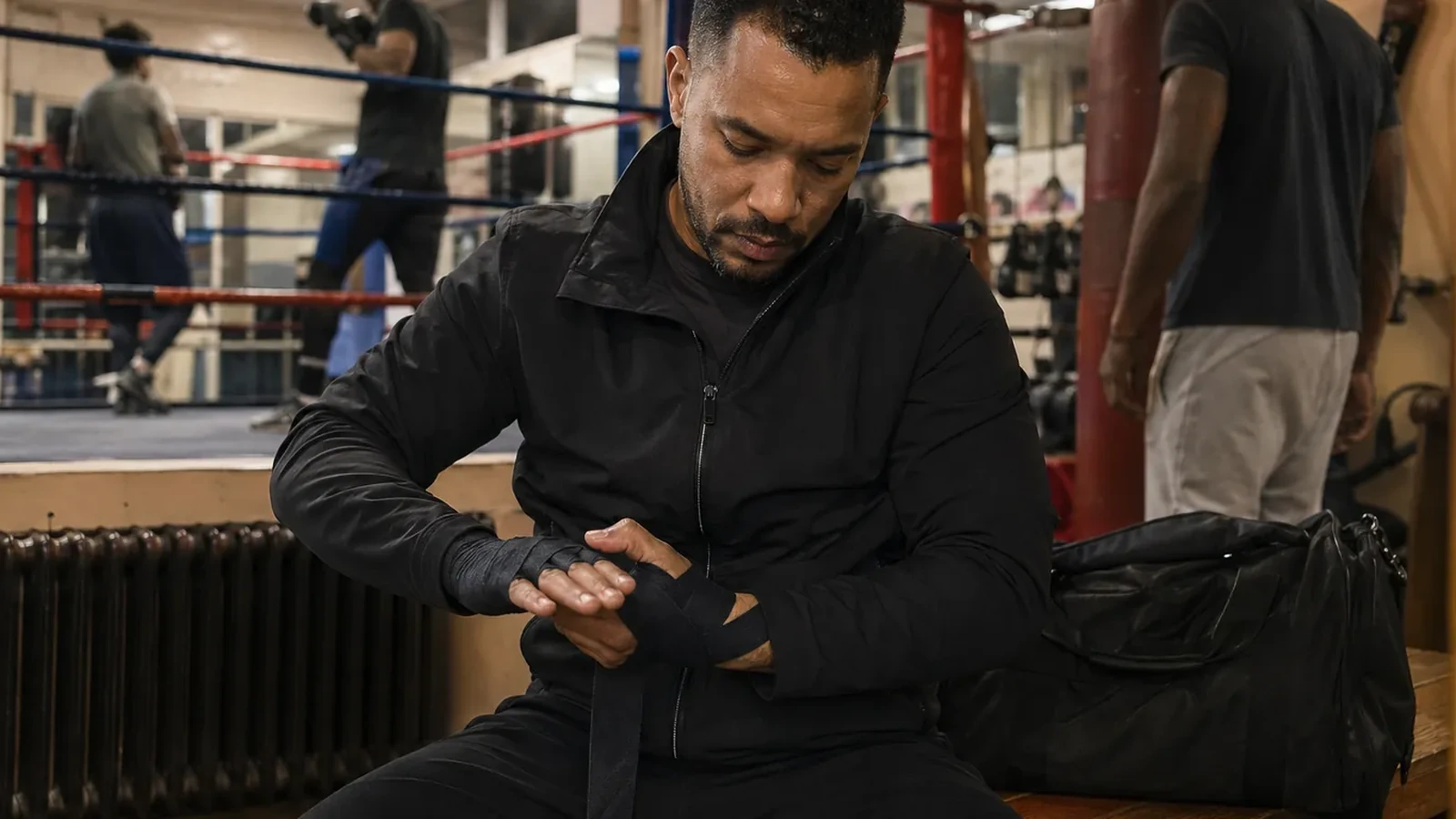
Boxing Fitness for Shift Workers: When It Fits
Boxing can be a useful training option for shift workers when you want coached movement, conditioning and a clear break from work. It is not the only answer, but it can fit well.
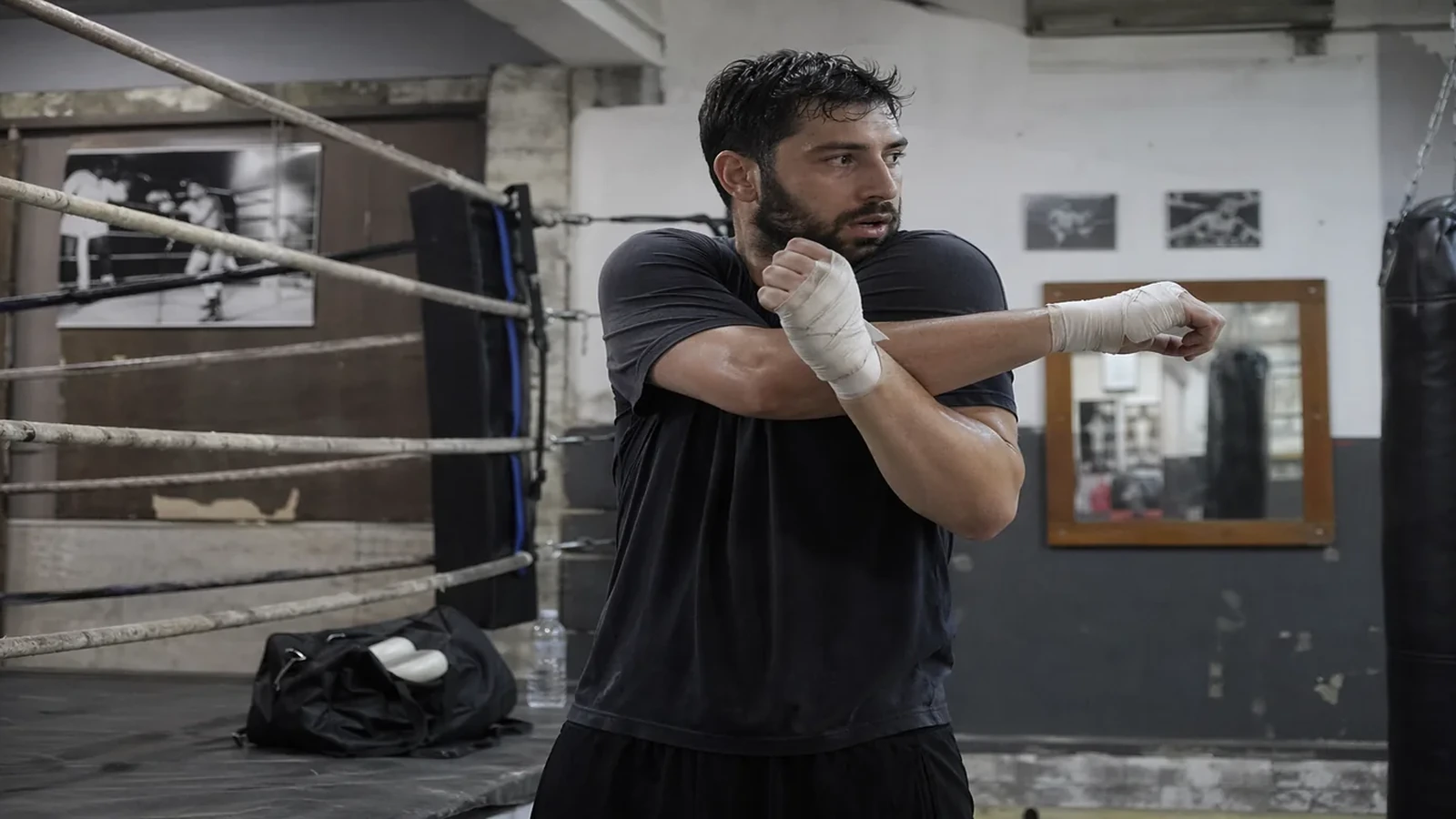
Boxing Fitness for Programmers: When It Fits
Boxing can be a useful training option for programmers when you want coached movement, conditioning and a clear break from work. It is not the only answer, but it can fit well.

Boxing For Stress Relief
A practical guide to boxing for stress relief, routine and confidence without treating training as therapy.
Was this page helpful?
It takes one tap, and it genuinely helps.
Choose your next step
Turn this article into the right action
Some readers are ready to book. Some need the class route first. Pick the route that matches what you actually want.