Boxing Fitness for Personal Trainers: When It Fits

Best exercise for personal trainers? Boxing is a very strong answer.
That sounds slightly unfair, because personal trainers are already the people everyone else assumes have this sorted. They work in gyms. They understand programming. They move all day. They know what a good session looks like.
But that is exactly why boxing fits so well.
A lot of trainers do not need another generic workout. They need something that feels like training again rather than work in trainers. Something skill-based. Something mentally fresh. Something that gives them a break from coaching mode, sales mode and being watched all day.
That is where boxing comes in.
Personal trainers often get bored by standard fitness faster than other people do
This is the first problem.
If your whole job is built around sets, reps, cues, session plans, client adherence, posture fixes and exercise selection, it gets harder to feel excited by another routine gym session for yourself. What looks like "discipline" from the outside can actually become repetition.
The industry itself is changing in a way that adds to that pressure. ABC Trainerize's 2025 industry report says 57.2% of surveyed trainers identified getting started with a new online business as a key challenge, while hybrid coaching and broader lifestyle coaching are both growing fast (ABC Trainerize report). In plain English: many trainers are not only coaching. They are filming content, messaging clients, managing admin, selling, programming and trying to stay visible at the same time.
That can make your own training feel like just another item on the board.
The best exercise for personal trainers needs to feel different enough that it wakes the head up again, not just the body.
The burnout angle is real, even for fit people
People tend to assume that fitness professionals are protected from burnout because they work in movement and health.
They are not.
A 2022 study on strength and conditioning coaches and personal trainers found high levels of burnout, with 33.0% of personal trainers reporting personal burnout, 25.4% work-related burnout and 16.4% client-related burnout (burnout study listing). That is not a tiny fringe issue. It is a reminder that being good at helping others train does not make you immune to fatigue, overextension or emotional drain.
That matters because trainers spend a lot of time being switched on. Motivating clients. Managing energy in sessions. Reading people. Repeating cues. Holding attention. Solving problems on the fly. Even when the body is active, the nervous system can get cooked.
Boxing helps because it gives you a session where you are not coaching anyone. You are just training.
Standing all day is not the magic opposite of sitting all day
This is another bit people miss.
Personal trainers are often on their feet for hours, but that does not automatically mean the body feels good. Long periods of standing at work are linked with lower-back pain, leg pain, fatigue and other health risks, according to a review of prolonged standing at work (standing-at-work review).
That is why the basic NHS adult activity guideline still matters for trainers too: weekly aerobic work plus strengthening on two days is separate from simply being on your feet all day (NHS adult activity guidelines).
So while trainers are not stuck in a chair all day like desk workers, they can still end up with their own version of occupational wear:
- tight calves and hips
- lower-back fatigue
- sore feet
- shoulder and elbow overuse from demoing or pad holding
- general whole-body heaviness from being "on" for session after session
Boxing helps because it moves you differently.
You rotate, step, brace, relax, re-engage, work rhythm and timing, and stop living only in demonstration posture. It gives you athletic variety rather than one more day of coaching-body mechanics.
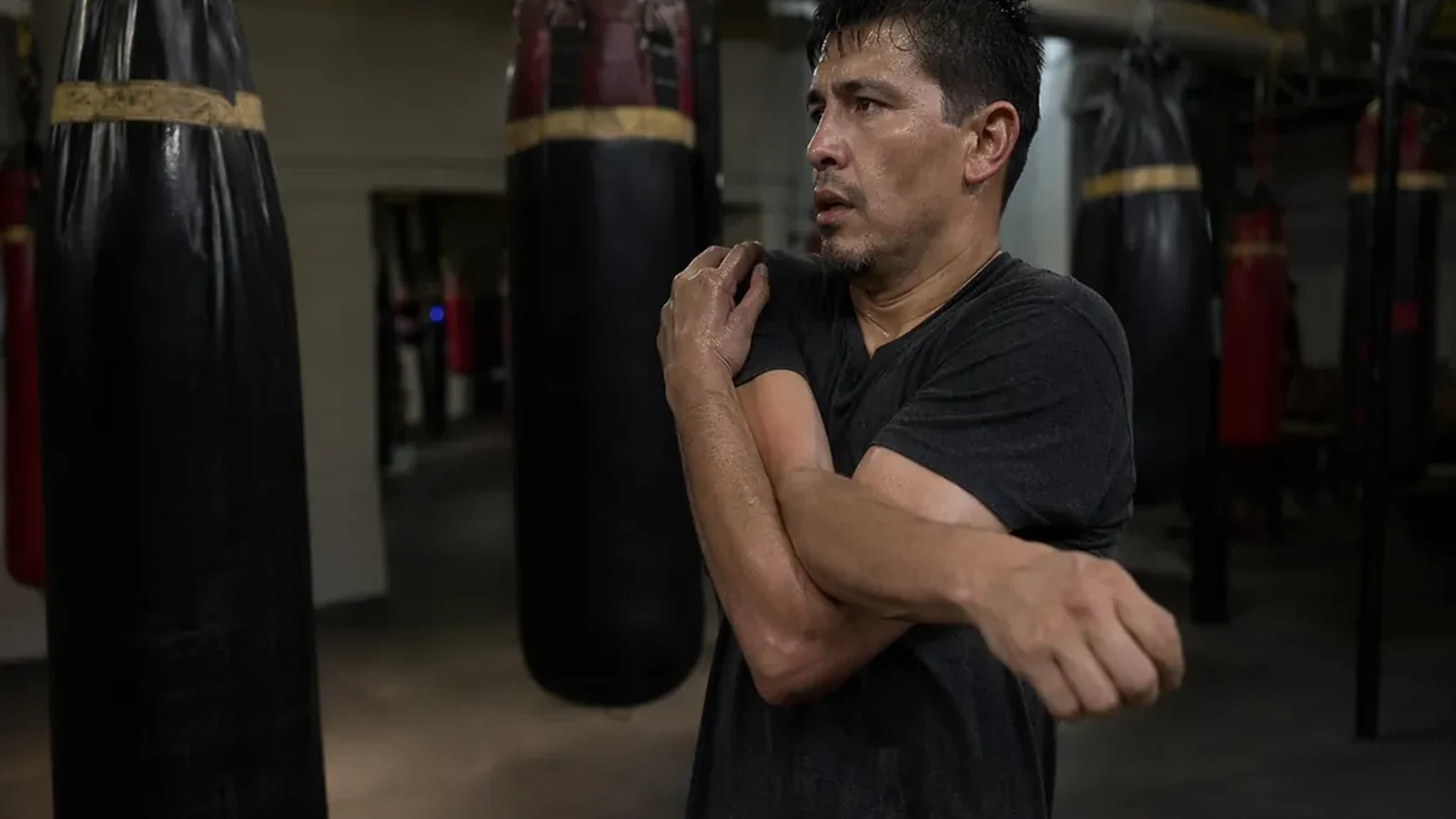
Boxing gives trainers something they often lose: novelty with purpose
A lot of trainers chase novelty in bad ways.
Another class format. Another challenge. Another niche tool. Another gimmick. The problem is not wanting variety. The problem is that most variety in the fitness industry still lives inside the same basic frame.
Boxing is different.
It is technical enough to stay interesting, demanding enough to feel real, and structured enough that progress actually means something. Your footwork improves. Your jab sharpens up. Your timing gets cleaner. Your conditioning stops falling apart after a few rounds. It scratches the same progression itch that good trainers usually enjoy, but without feeling like another recycled template.
That is why it works so well for PTs and coaches who have gone stale on normal gym training.
It is also a better mental reset than another strength session
Strength work is valuable. Obviously.
But for trainers who already live around weight rooms, boxing often gives a cleaner mental break. You are not counting plates. You are not thinking about whether your split still makes sense. You are not watching poor form from the other side of the gym and quietly dying inside.
You are just training.
That is a big reason boxing sticks. The session takes you out of analysis mode and into action mode. Pads, bag rounds and movement drills demand enough attention that the background clutter drops for a while.
If that stress-release angle is the main draw, boxing for stress relief is the obvious companion read.
Why boxing beats simply doing more of what trainers already prescribe
For personal trainers specifically, one of the risks is becoming too loyal to your own lane.
If you coach strength work all day, you keep strength training. If you coach fat-loss circuits all day, you keep doing circuits. If you build conditioning blocks for clients, you end up living inside conditioning blocks yourself. There is nothing wrong with that, but it can turn your own training into unpaid overtime.
Boxing cuts across it.
It still builds engine. It still sharpens coordination. It still gives the upper body real work. It still has a conditioning effect. But it does so in a way that feels separate from the normal commercial gym loop.
That distinction matters.
The best exercise for personal trainers is often the one that restores their own interest in training, not the one that looks most respectable on paper.
What kind of boxing works best for personal trainers?
For most PTs, the sweet spot is recreational boxing two or three times a week.
Not hard sparring unless they really want that path. Not pretending they need a whole second career in combat sport. Just proper coached sessions that challenge them, clear the head and make training feel fresh again.
That is exactly why our Adult Recreational boxing classes work well here. You get coaching, structure and intensity, but you also get to stop being the coach for an hour.
If you are based around Greenwich or Kidbrooke, it is also practical enough to slot around a coaching schedule rather than blowing up the whole day.
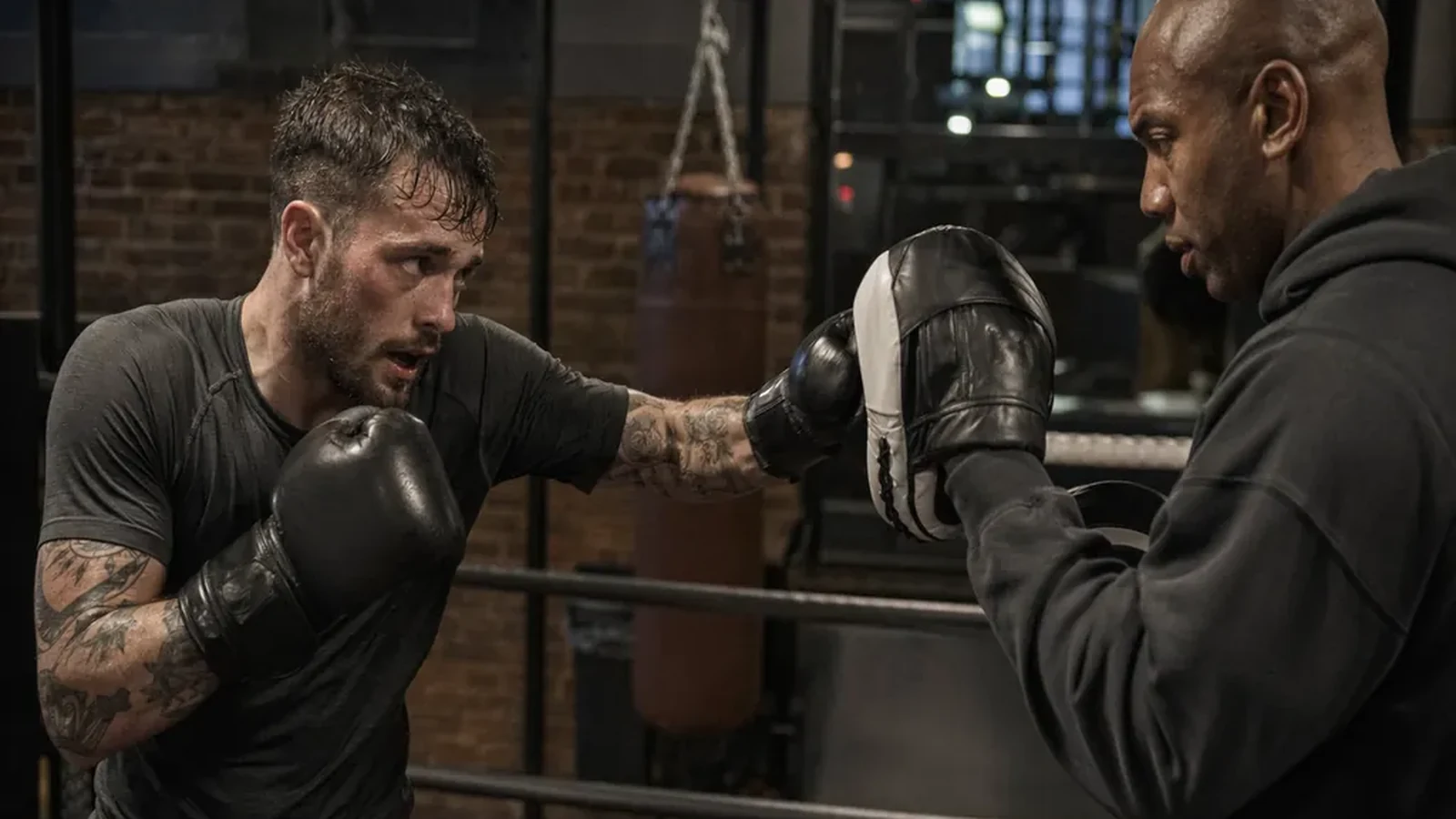
The honest caveat
Boxing is not a magic cure for poor boundaries, a packed client book or fitness-industry burnout.
It will not fix every ache that comes from demonstrating exercises all week. It will not solve the business side of being a PT. It will not replace sensible recovery, programming and basic self-respect about workload.
But if the practical question is what exercise gives personal trainers a real mental reset, a fresh skill to work on and something that does not feel like more gym admin, boxing is one of the strongest options available.
It is challenging, engaging and different enough to make training feel like training again.
If you want the wider case against standard gym monotony, boxing vs gym: why people switch is worth reading next.
How to start if you do this job
For most personal trainers, the best first step is a normal coached group class, not a complicated programme. Start with Adult Recreational boxing or the broader adult beginner boxing guide if you want to understand what happens first.
If your rota, clients or working hours make set classes hard, use boxing personal training or private boxing lessons as the paid route. The free trial is for scheduled group classes.
Book a free trial session at Honour and Glory Boxing Club.
More job-specific boxing guides
If this article fits your work pattern, the full boxing for workers guide links the rest of the job-specific series, including desk workers, shift workers, trades, carers, drivers, teachers and busy professionals.
H&G Team
Writer at Honour & Glory Boxing Club, a community boxing gym in Kidbrooke, South East London.
KEEP READING
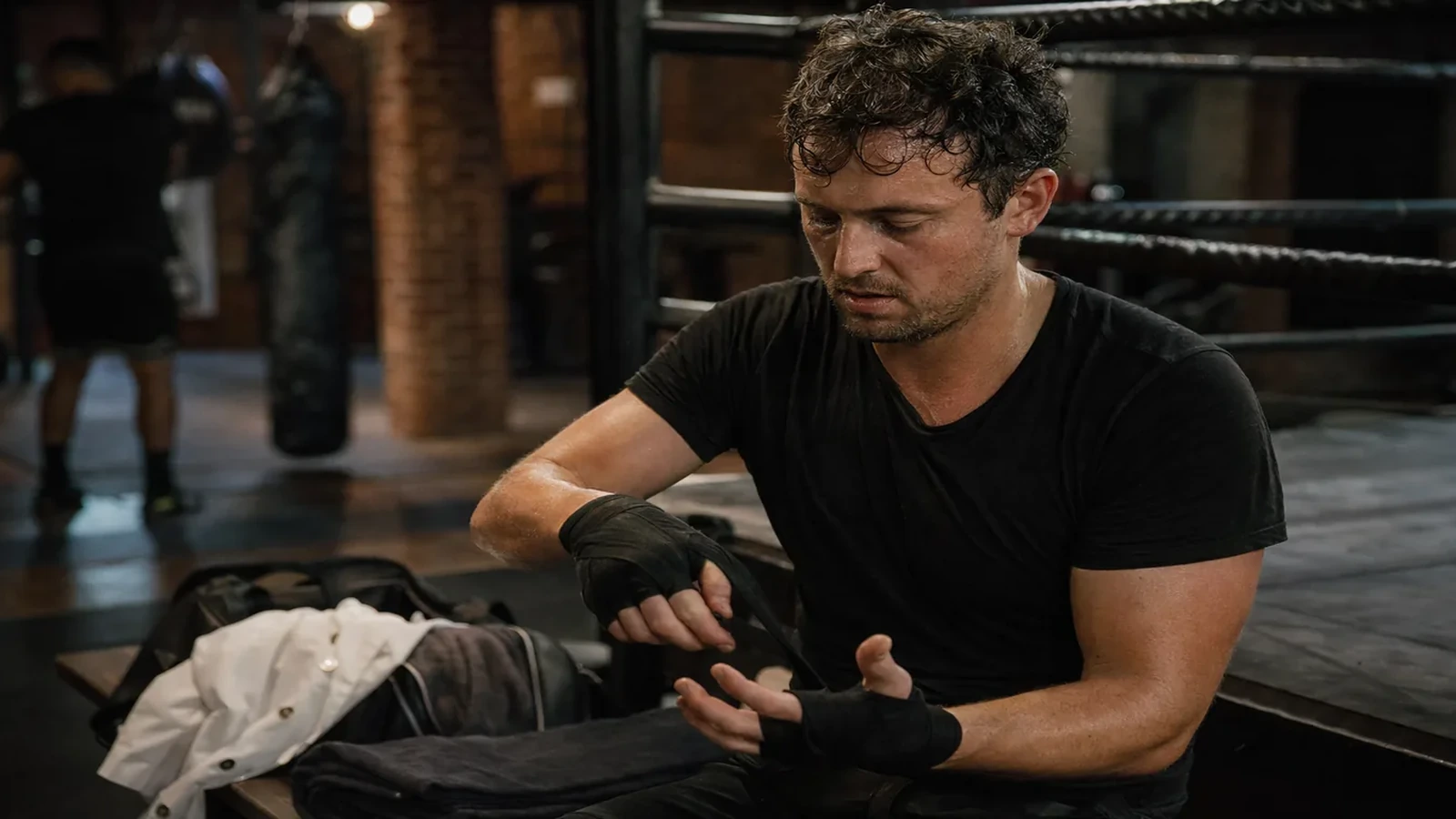
Boxing Fitness for Marketing Professionals: When It Fits
Boxing can be a useful training option for marketing professionals when you want coached movement, conditioning and a clear break from work. It is not the only answer, but it can fit well.
Boxing Fitness for Chefs: When It Fits
Boxing can be a useful training option for chefs when you want coached movement, conditioning and a clear break from work. It is not the only answer, but it can fit well.
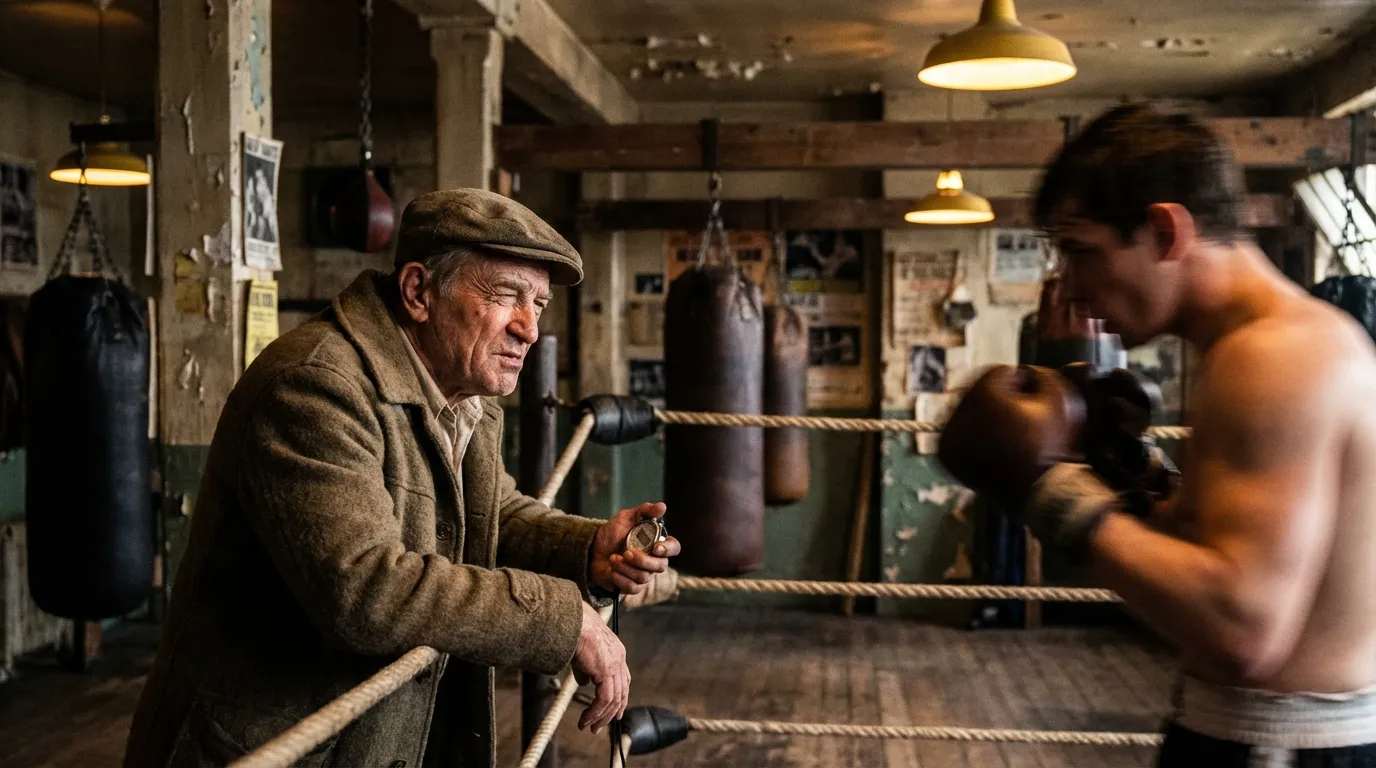
The Greatest Boxing Trainers Who Never Fought
Angelo Dundee never had a professional fight. Cus D'Amato barely threw a punch in competition. Yet between them they produced Ali, Tyson, and Leonard. The best boxing coaches prove that understanding the game matters more than playing it.
Was this page helpful?
It takes one tap, and it genuinely helps.
Choose your next step
Turn this article into the right action
Some readers are ready to book. Some need the class route first. Pick the route that matches what you actually want.