
Best exercise for chefs? Boxing is one of the strongest answers going.
Not because chefs need more hardship. Usually they have already had plenty of that by the time service is over. The problem is that kitchen work creates a brutal mix of standing, rushing, lifting, heat, repetition, pressure and late finishes. You can be physically spent without feeling physically well.
That is why boxing fits so well.
The best exercise for chefs needs to do more than burn calories. It needs to wake the body up properly, give the head a hard reset and feel different from another shift spent under pressure. Boxing does all three.
Kitchen work is physical, but it is not balanced training
This is the key distinction.
Chef work looks active from the outside, and it is. But it is active in the same narrow patterns over and over: standing, turning, reaching, chopping, carrying, plating, bending, twisting and working fast in cramped space. That builds fatigue more reliably than it builds athleticism.
A 2026 systematic review and meta-analysis found musculoskeletal symptoms in 67.01% of restaurant workers overall, with the lower back the most affected area at 50.78%, followed by the shoulder, neck and hand or wrist (restaurant worker meta-analysis). That tracks with real kitchen life. Lower backs get loaded, shoulders tighten up and wrists do endless repetitive work.
Another 2023 study on kitchen workers found 90.6% reported work-related musculoskeletal disorders over the previous 12 months, with the lower back, knee, foot, neck and shoulders among the most affected sites (kitchen worker MSD study). So if a chef feels beaten up after work, that is not weakness. That is the job.
Chefs need movement that is different from service movement
This is where boxing earns its place.
You move your feet. You rotate. You brace. You punch with rhythm. The hips and trunk have to work together. The shoulders move with intent instead of just enduring another shift. The body starts acting like one system again rather than a collection of overused parts.
That matters for chefs because kitchen fatigue is usually local and repetitive. Tight calves from standing. Heavy lower back from long shifts. Wrists and forearms cooked from prep. Neck and traps full of tension. Boxing does not erase that by magic, but it gives the body a more athletic pattern to return to.
It also feels alive. Plenty of chefs do not need another grey gym session after a ten-hour shift. Boxing works better because it is intense without feeling like more kitchen labour.
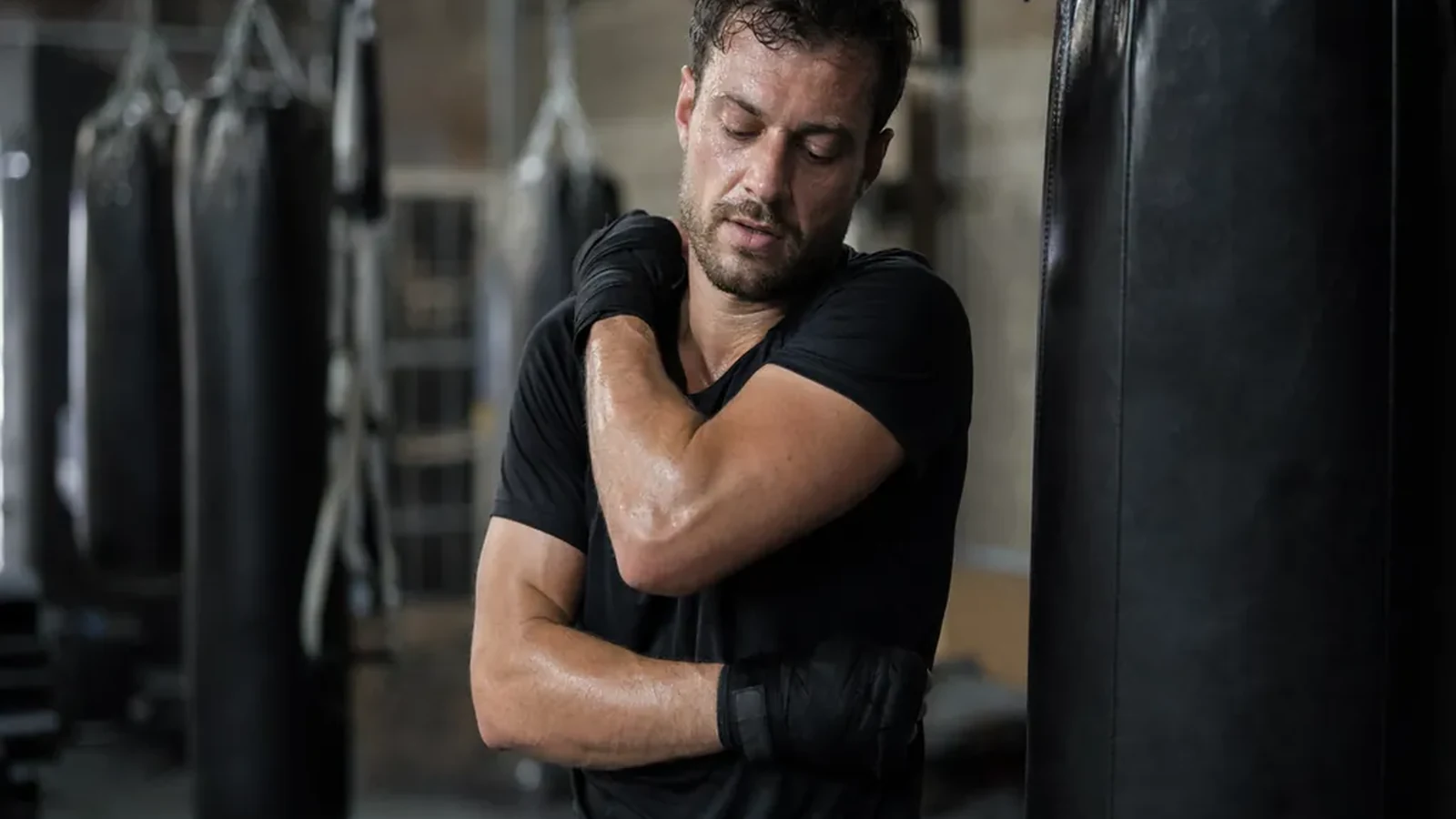
Kitchen stress is real, and boxing gives it somewhere to go
The mental side matters just as much.
Service pressure, ticket noise, understaffing, heat, mistakes, timing, customer expectations and late finishes create a very specific kind of stress. It is fast, practical and relentless. There is not much room to drift mentally when ten things need doing at once.
A 2020 study on 710 Italian chefs found that long weekly working hours and longer job duration predicted occupational stress, while 47% of chefs reported at least two health complaints including gastrointestinal, blood pressure and musculoskeletal problems (chef stress study). Their mean working week in the sample was 66.4 hours. That is not a wellness lifestyle.
More broadly, the Health and Safety Executive says 964,000 workers in Great Britain were suffering from work-related stress, depression or anxiety in 2024/25, with 40.1 million working days lost due to work-related ill health and injury overall (HSE workplace statistics). Chefs are not the whole story there, but nobody serious is going to claim hospitality work is gentle on the nervous system.
Boxing helps because it gives stress a clean outlet. Pads, bag rounds and drills demand enough attention that the shift drops away for a bit. For an hour, there are no tickets, no burners, no pass, no prep list and no table waiting on a redo.
If that stress-release angle is the main draw, boxing for stress relief is the obvious next read.
It beats another generic workout when you are already exhausted
This matters because chefs often try to keep fit in the least inspiring way possible.
A quick run. A half-hearted hotel gym workout after a split shift. Random strength work done when tired. None of that is useless, but it can feel like punishment if your whole week is already physically draining.
Boxing wins because it gives you conditioning, coordination and a clear skill element at the same time. You are not just dragging yourself through a session. You are learning something. Your timing improves. Your footwork sharpens. The rounds stop feeling as chaotic. That matters when motivation is low.
For tired people with stressful jobs, skill beats boredom. It gives you a reason to come back.
It helps chefs feel athletic again, not just durable
This is a big part of the appeal.
A lot of chefs are durable. They can get through brutal shifts, carry on little sleep and stay on their feet longer than most people. But durable is not the same as athletic.
Athletic means balance, rhythm, timing, coordination and controlled force. Boxing brings those things back into the week. It gives chefs something the kitchen usually does not: full-body movement that feels sharp rather than just punishing.
That can change how the body feels outside training as well. You stop feeling like a person who is only ever recovering from work.
What kind of boxing works best for chefs?
For most chefs, the sweet spot is recreational boxing two or three times a week.
Not trying to pile another identity on top of an already hard job. Not pretending every tired hospitality worker needs hard sparring. Just proper coached sessions that improve fitness, clear the head and make the body feel less trapped in service patterns.
That is why our Adult Recreational boxing classes fit so well here. You get structure and challenge without needing to design your own programme after a late finish.
If you are based around Greenwich or Kidbrooke, it is also practical enough to fit around awkward shift patterns and long days.

The honest caveat
Boxing is not going to fix bad management, understaffing or the reality of hospitality hours.
It will not solve every ache that comes with kitchen work. It will not replace sleep, decent food, recovery or basic boundaries around work if you can get them. And if you have an actual injury, you need to treat that properly rather than hoping fitness enthusiasm sorts it out.
But if the practical question is what exercise gives chefs a real mental reset, better movement and something more satisfying than another tired gym session, boxing is one useful answer on the table.
It is demanding, honest and engaging in a way that kitchen-heavy work usually is not.
If you want the broader comparison with standard gym training, boxing vs gym: why people switch is worth reading next.

How to start if you do this job
For most chefs, the best first step is a normal coached group class, not a complicated programme. Start with Adult Recreational boxing or the broader adult beginner boxing guide if you want to understand what happens first.
If your rota, clients or working hours make set classes hard, use boxing personal training or private boxing lessons as the paid route. The free trial is for scheduled group classes.
Book a free trial session at Honour and Glory Boxing Club.
More job-specific boxing guides
If this article fits your work pattern, the full boxing for workers guide links the rest of the job-specific series, including desk workers, shift workers, trades, carers, drivers, teachers and busy professionals.
H&G Team
Writer at Honour & Glory Boxing Club, a community boxing gym in Kidbrooke, South East London.
KEEP READING
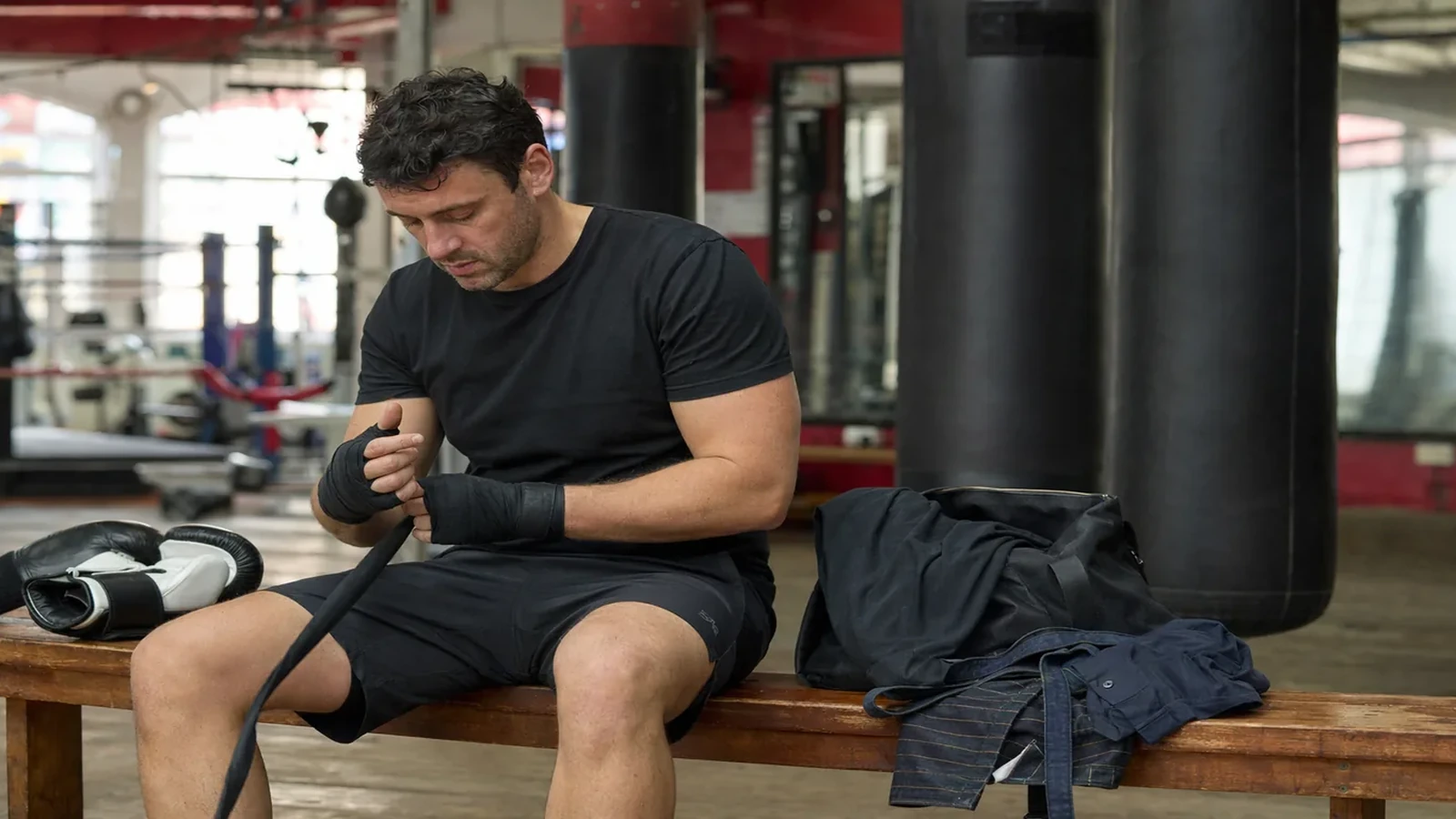
Boxing Fitness for Hospitality Workers: When It Fits
Boxing can be a useful training option for hospitality workers when you want coached movement, conditioning and a clear break from work. It is not the only answer, but it can fit well.
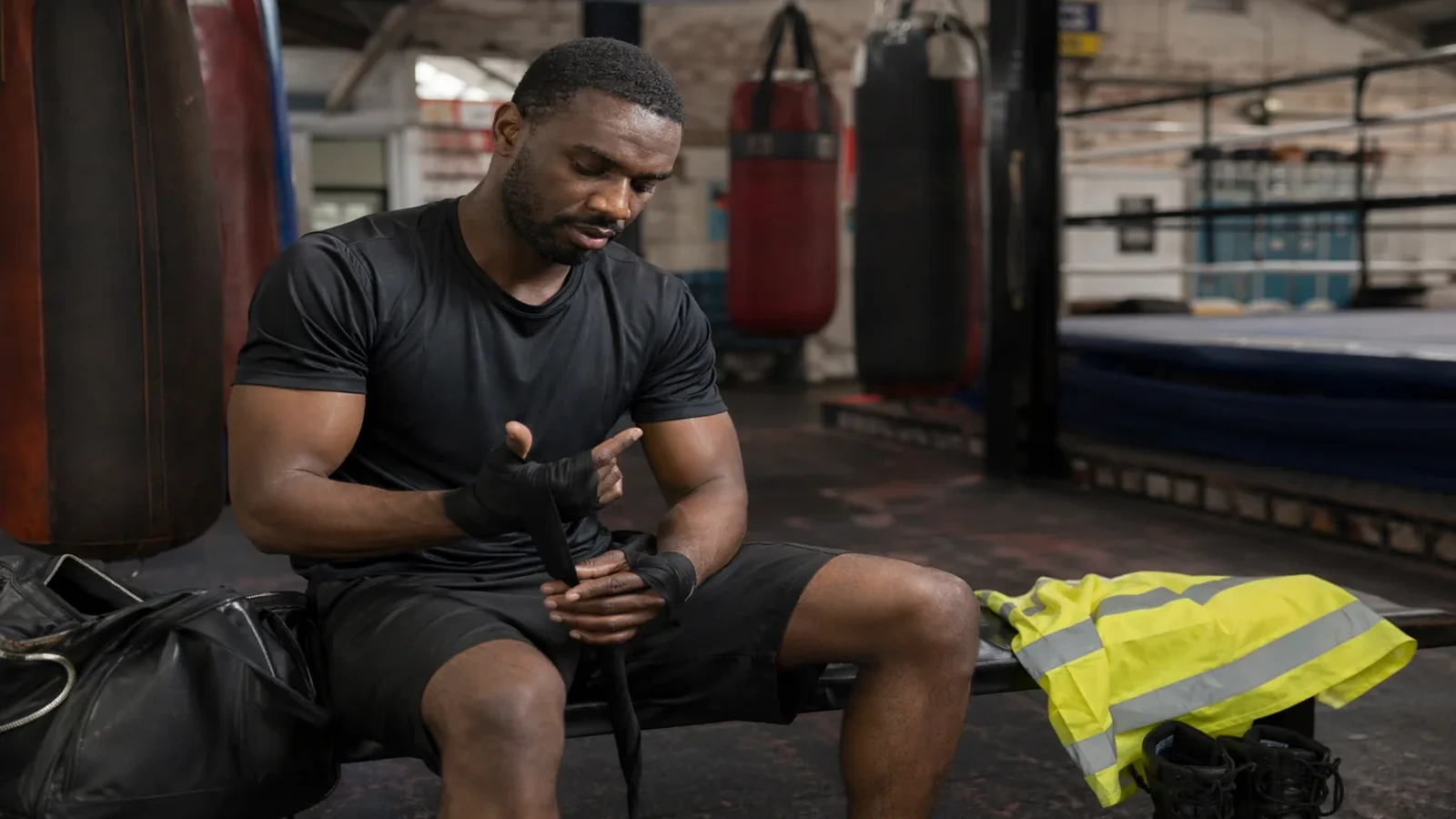
Boxing Fitness for Warehouse Workers: When It Fits
Boxing can be a useful training option for warehouse workers when you want coached movement, conditioning and a clear break from work. It is not the only answer, but it can fit well.
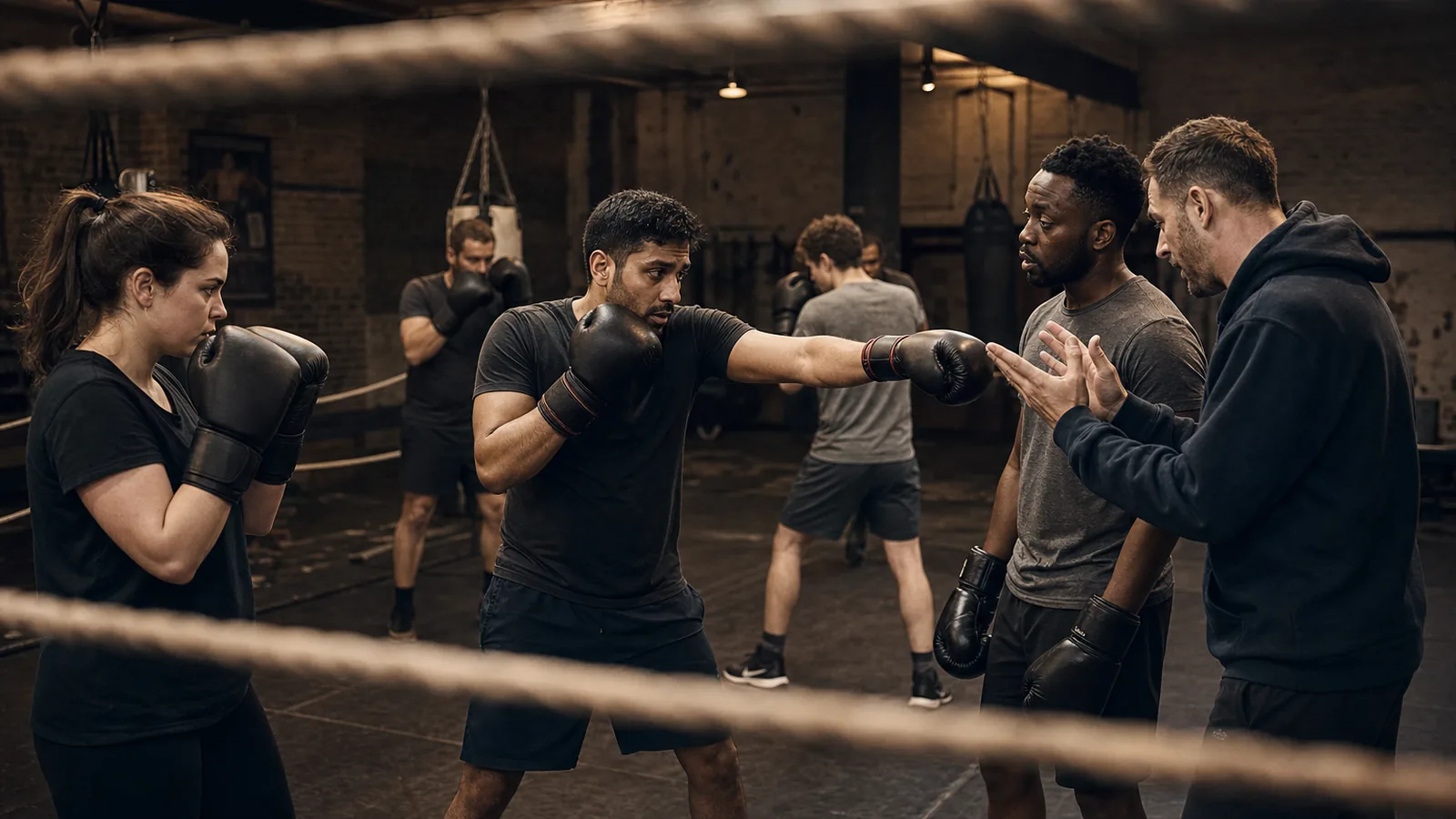
Boxing For Stress Relief
A practical guide to boxing for stress relief, routine and confidence without treating training as therapy.
Was this page helpful?
It takes one tap, and it genuinely helps.
Choose your next step
Turn this article into the right action
Some readers are ready to book. Some need the class route first. Pick the route that matches what you actually want.