Boxing Fitness for Hospitality Workers: When It Fits
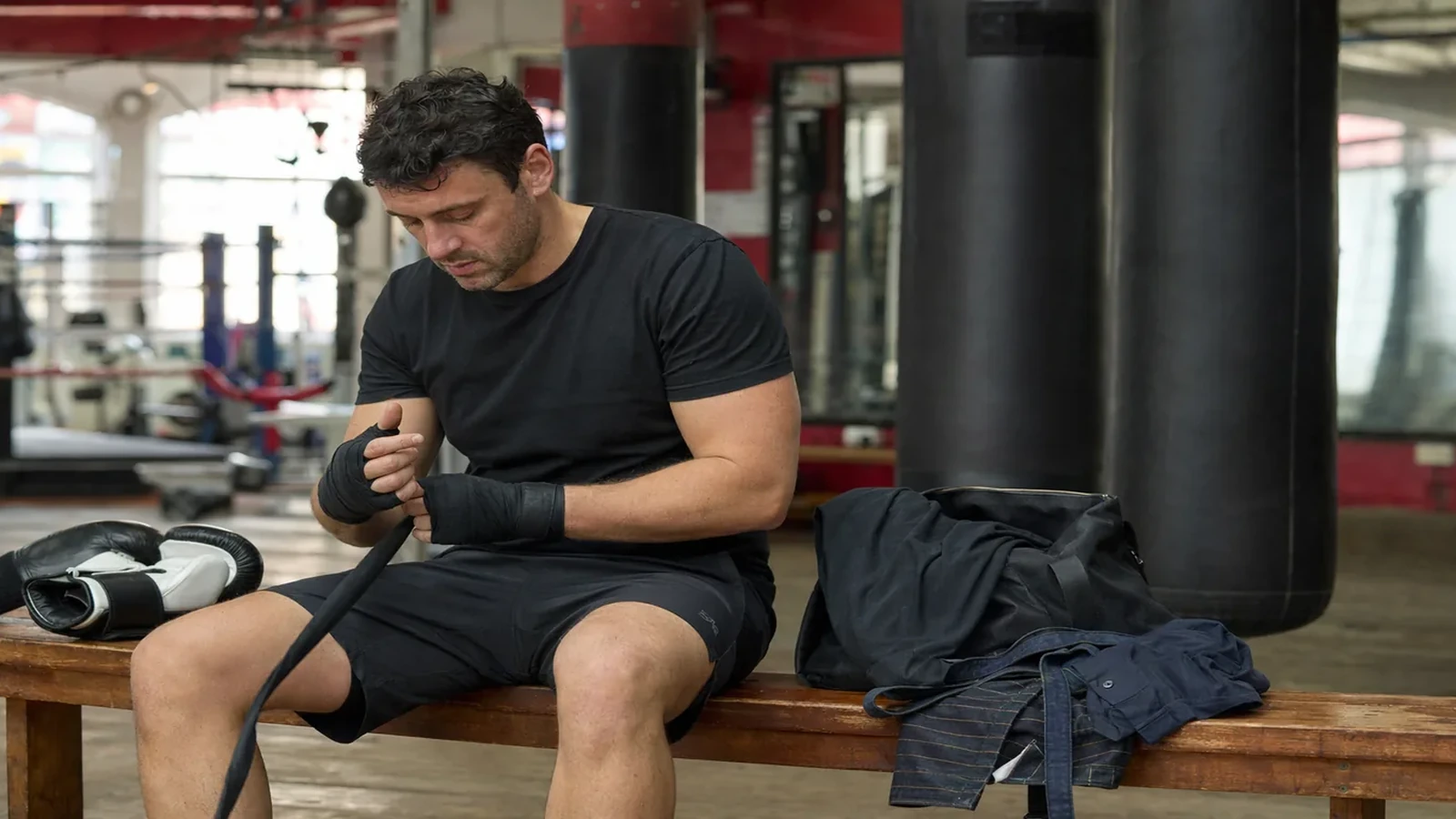
Best exercise for hospitality workers? Boxing is a better fit than most standard gym plans.
Hospitality work is not one tidy job. It can mean bar work, waiting tables, hotel shifts, café service, kitchen support, late finishes, weekend work, awkward breaks, sore feet and staying friendly while everyone else is out relaxing.
That creates a strange kind of tiredness. Your legs are busy, your head is noisy, your sleep can drift and your body rarely gets the kind of training that actually builds you up.
Boxing works because it gives hospitality workers a hard physical reset, a coached structure and a way to train without needing a perfect routine.
Hospitality work is harder on the body than people think
Hospitality workers spend a lot of time on their feet.
A busy shift can mean standing, walking, carrying plates, lifting crates, bending into fridges, moving tables, reaching behind bars, clearing glassware and doing all of it in shoes that are not always kind. The work can feel active, but that does not mean it is balanced exercise.
A UK survey of workers in standing-heavy jobs looked at musculoskeletal pain among people who spend significant time on their feet. Research on hospitality kitchen workers has also examined work-related musculoskeletal disorders in hospitality settings, where awkward postures, repetitive work and long shifts can all add up.
Boxing helps because it gives your body a different job. Instead of more standing, you get footwork, rotation, trunk work, punching mechanics, breathing and conditioning. You use the body as a whole system rather than just grinding through another shift on tired legs.
That does not make boxing a fix for poor rotas, bad shoes or unsafe lifting. It just gives your body better tools.
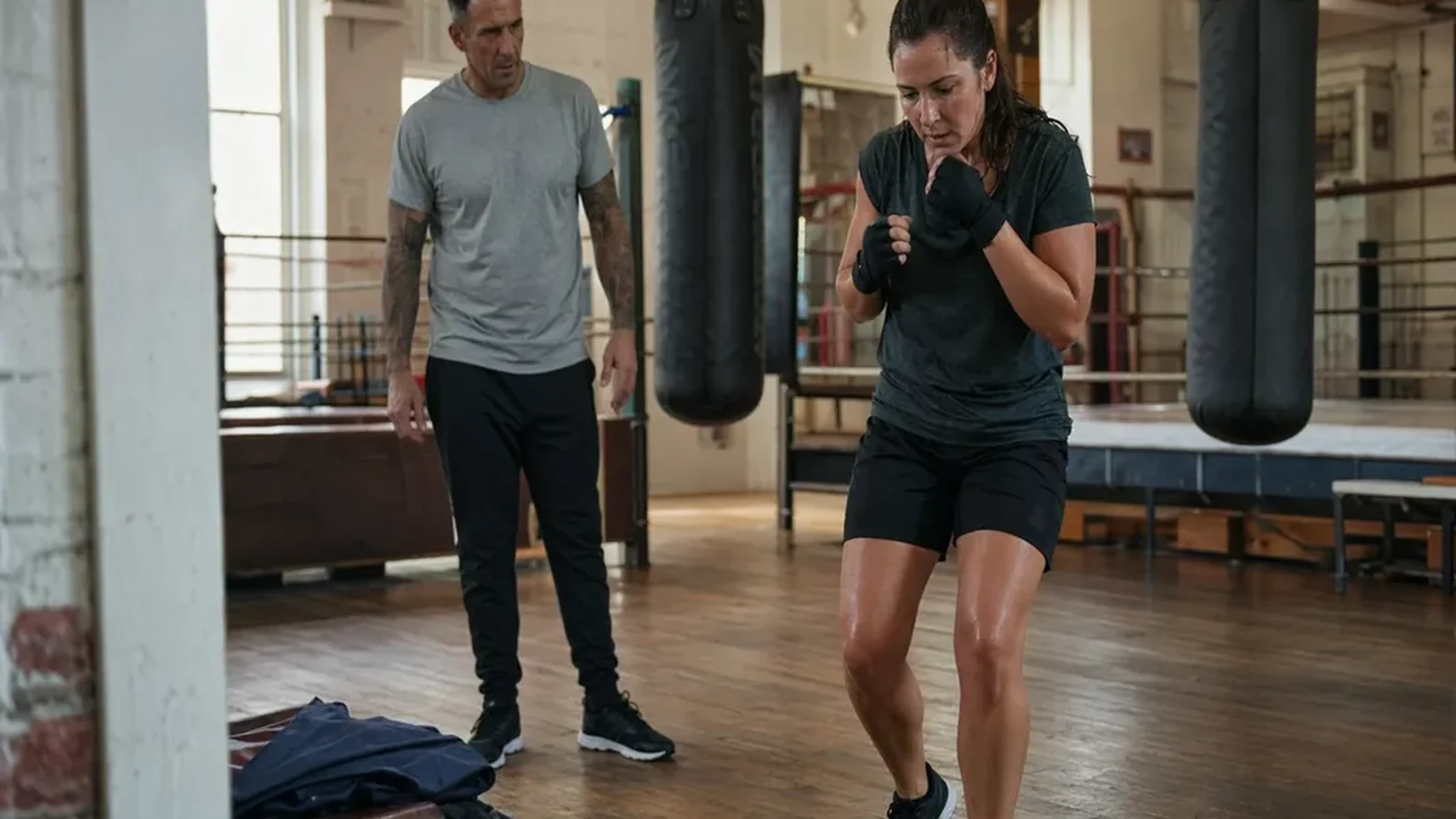
Boxing gives service stress somewhere to go
Hospitality has a public face and a private cost.
You smile when a customer is rude. You keep moving when the ticket rail fills up. You pretend the shift is fine when two people have called in sick. You stay sharp when the room is loud, hot and impatient.
That kind of emotional control is work. It is not just "being nice".
Research on hotel and hospitality workers has linked shift patterns and fatigue with mental health strain, including studies on shift work, sleep, chronic fatigue and mental health among hotel workers. The pressure is not only physical. It is the constant need to manage tone, pace and attention while the shift keeps changing.
Boxing gives that pressure somewhere clean to go. You hit pads, move, breathe hard and let the day leave your body instead of carrying it home.
It is not therapy. It is not a substitute for proper workplace support. But after a service shift, it can feel far more useful than sitting up late scrolling because your body is tired but your head is still awake.
If stress relief is the main reason you are looking, boxing for stress relief is the obvious next read.
It builds useful stamina, not just tiredness
Hospitality workers are often active without being fit in the way they want.
There is a difference between surviving a long shift and building conditioning. A twelve-hour day on your feet can leave you exhausted, but it may not improve your cardiovascular fitness, strength, coordination or posture in a useful way.
Boxing is different because the effort is deliberate. You work in rounds. You recover. You learn technique. You repeat combinations. You build the engine rather than just draining it.
That matters for bartenders, waiters, hotel staff and café workers because the job already takes energy. Training should give some back over time. Better breathing, stronger legs, stronger trunk and calmer recovery between bursts all carry over into busy service.
The NHS advises adults to aim for at least 150 minutes of moderate activity each week or 75 minutes of vigorous activity, plus strengthening work on two days (NHS adult activity guidelines). Boxing can help cover both because it mixes cardio, coordination and strength under fatigue.
It fits irregular hours better than a self-led gym plan
Hospitality rarely gives people a neat fitness diary.
You may finish late, sleep late, work weekends, swap shifts, cover absences or miss normal meal times. A plan that assumes Monday, Wednesday and Friday at the same time every week can collapse quickly.
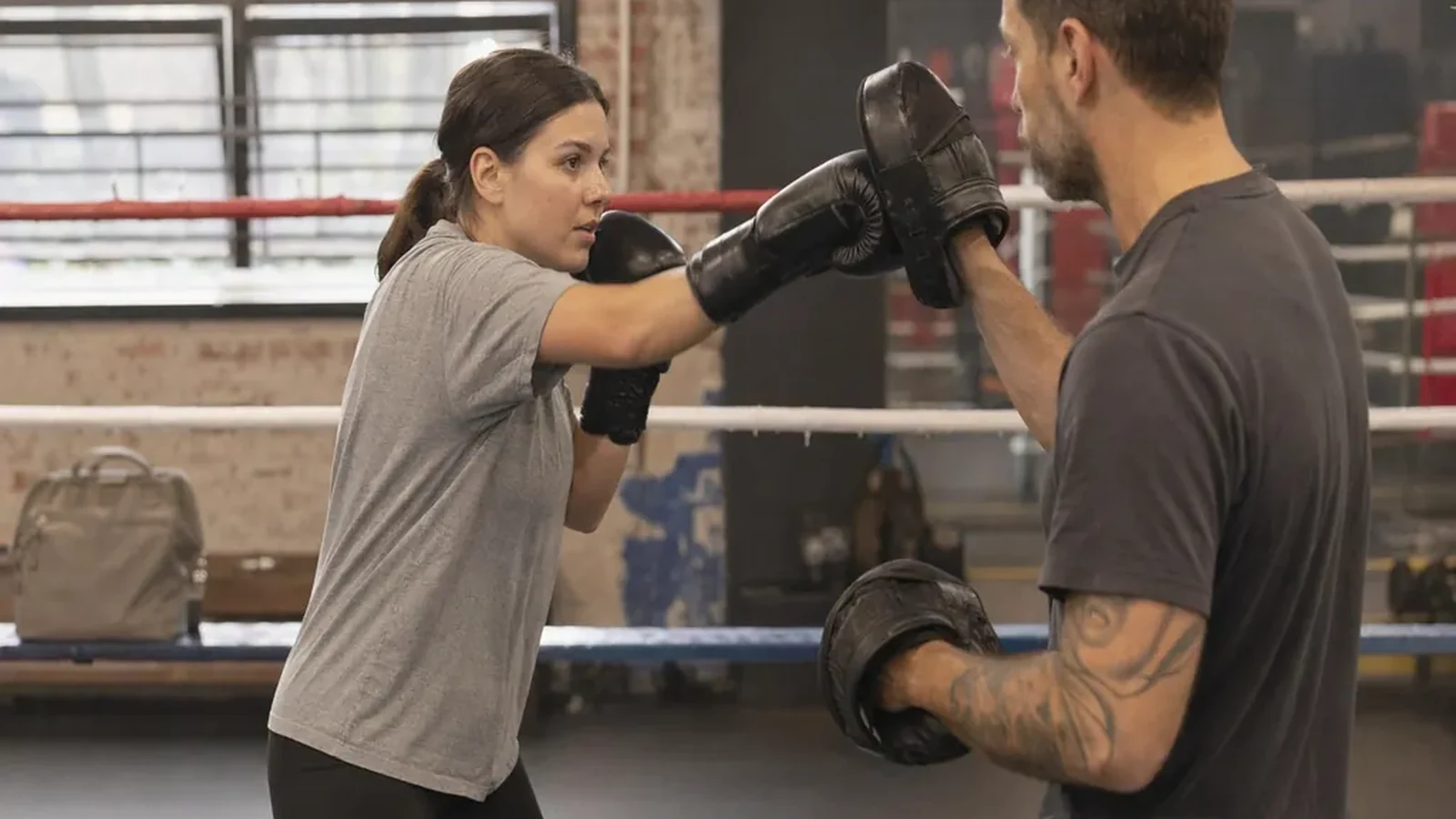
That is why coached sessions help. You do not need to design the workout. You do not need to decide between machines. You do not need to arrive with a training spreadsheet after a long day.
You turn up, warm up, learn, hit bags, work pads and finish. The structure is already there.
That is valuable when your job already demands decisions, attention and social energy. Boxing lowers the friction. The session asks for effort, not admin.
Boxing is better than treating the shift as your workout
A common trap in hospitality is thinking the job itself covers fitness.
It does cover movement. It does not always cover training.
A shift can make your feet ache, your lower back tighten and your shoulders creep up. But it often misses the things that make you more resilient: proper rotation, strength through range, controlled breathing, footwork, upper-back work and deliberate recovery.
Boxing fills that gap. The stance teaches balance. The jab teaches posture. Padwork teaches timing. Conditioning teaches you to stay calm when your lungs are working. None of that comes automatically from pulling pints or running food to table twelve.
The Mental Health Foundation notes that physical activity can help manage stress, improve mood and support self-esteem (physical activity and mental health). Boxing adds a skill layer to that, which helps people keep coming back.
If you are weighing it against a normal gym membership, boxing vs gym: why people switch explains the difference.
It builds confidence without the fake hospitality smile
Hospitality workers already perform confidence.
You have to greet people, solve problems, handle complaints, move through crowds and stay calm when someone is being difficult. But that confidence is often part of the job. It is polished, polite and sometimes draining.
Boxing builds a plainer kind. You learn to stand well, keep your guard up, breathe under pressure and reset when a drill goes wrong. You get used to effort without panicking.
That matters outside the gym. Good boxing should not make people aggressive. It should make them calmer because pressure feels less new.
For people who spend all week serving others, that is a useful shift. The gym becomes a place where you are not the waiter, bartender, host, porter or hotel receptionist. You are just training.
What kind of boxing should hospitality workers start with?
Start with coached recreational boxing.
You do not need sparring on day one. You do not need to be fit first. You do not need expensive kit or a fighting mindset. You need a class where beginners can learn stance, footwork, punching mechanics, bag work, pad work and conditioning at a sensible pace.
Our Adult Recreational boxing classes are built for adults who want proper boxing training without needing previous experience.
If you work or live around Greenwich, Kidbrooke, Blackheath, Woolwich or nearby parts of south east London, the club is practical for after-work training, days off or the gaps around a shift rota.
Bring normal gym kit, water and patience. If your feet, back, knees or shoulders are already painful, get that checked properly. Boxing should build you up, not become another thing you push through.
The honest answer
Boxing will not fix bad rotas, low staffing, poor breaks, difficult customers or late-night transport home.
It will not replace proper rest, good shoes, sensible lifting, food that is not eaten in a rush or a workplace that treats people properly.
But as exercise, it fits hospitality work well. It builds usable fitness, gives stress somewhere to go, creates structure around irregular hours and gives your body a better pattern than just surviving service.
For hospitality workers, that is not a luxury. It is maintenance.
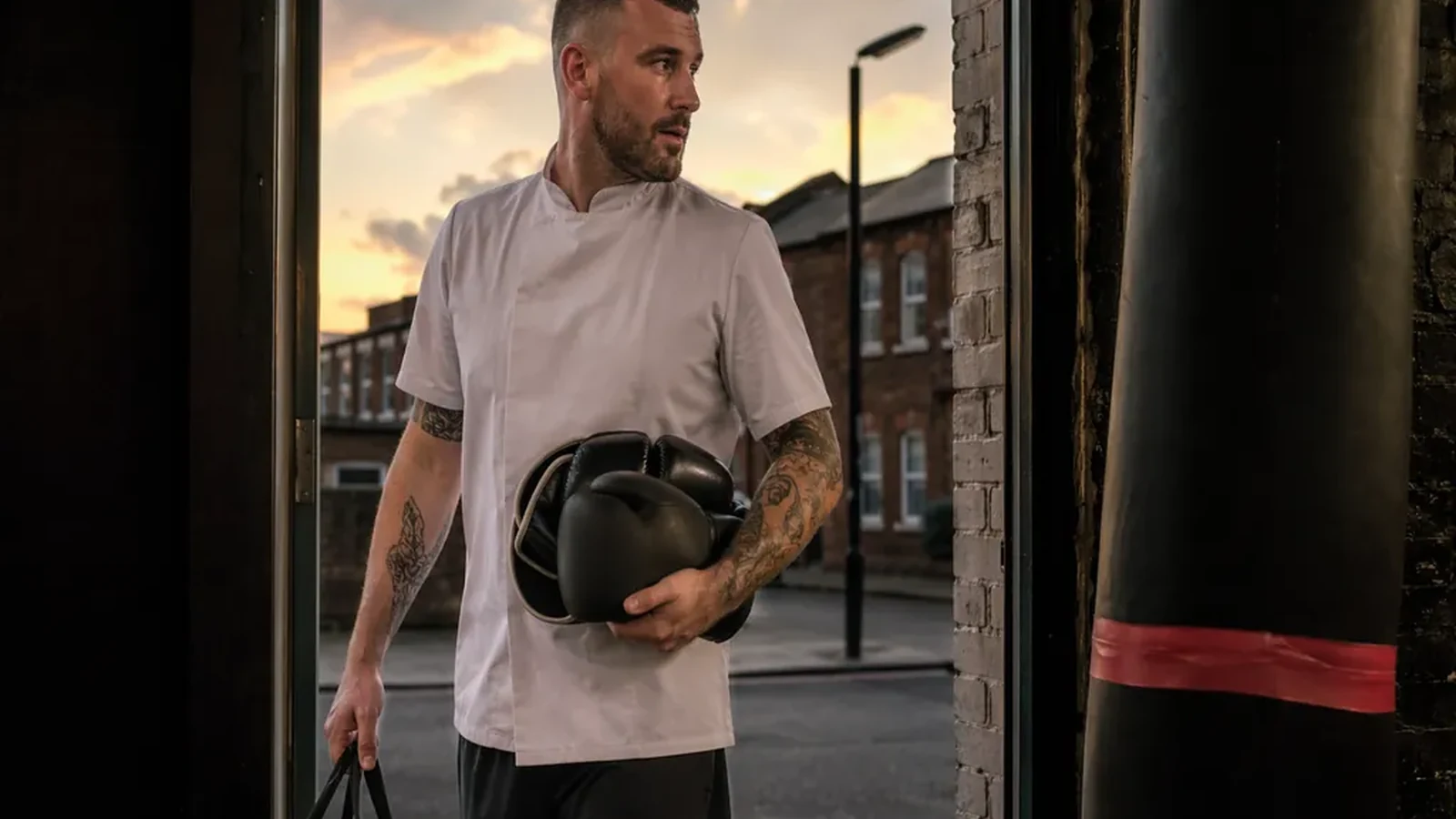
How to start if you do this job
For most hospitality workers, the best first step is a normal coached group class, not a complicated programme. Start with Adult Recreational boxing or the broader adult beginner boxing guide if you want to understand what happens first.
If your rota, clients or working hours make set classes hard, use boxing personal training or private boxing lessons as the paid route. The free trial is for scheduled group classes.
Book a free trial session at Honour and Glory Boxing Club.
More job-specific boxing guides
If this article fits your work pattern, the full boxing for workers guide links the rest of the job-specific series, including desk workers, shift workers, trades, carers, drivers, teachers and busy professionals.
H&G Team
Writer at Honour & Glory Boxing Club, a community boxing gym in Kidbrooke, South East London.
KEEP READING

Boxing Fitness for Chefs: When It Fits
Boxing can be a useful training option for chefs when you want coached movement, conditioning and a clear break from work. It is not the only answer, but it can fit well.
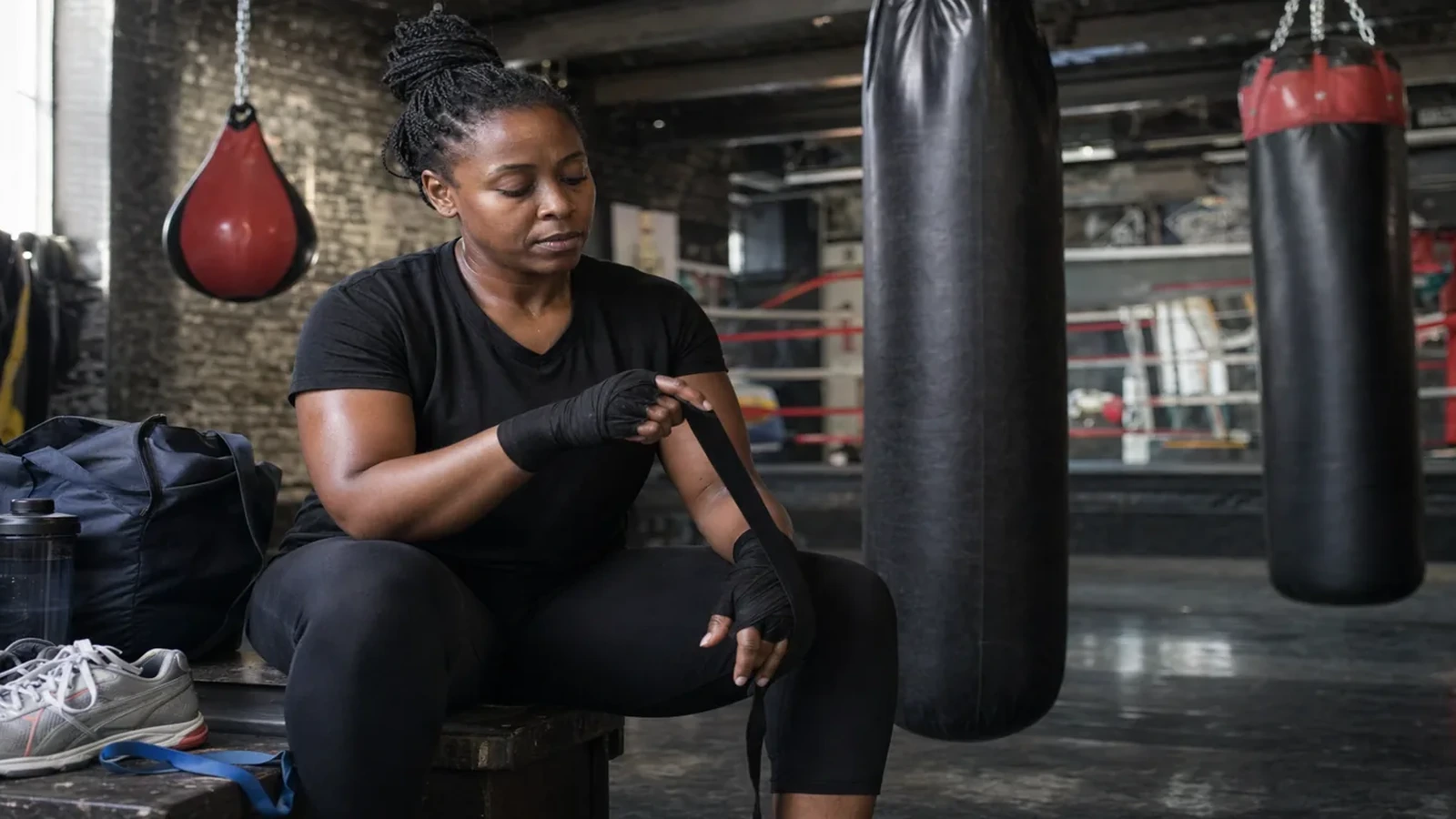
Boxing Fitness for Care Workers: When It Fits
Boxing can be a useful training option for care workers when you want coached movement, conditioning and a clear break from work. It is not the only answer, but it can fit well.
Boxing for Office Workers: What Training Does to Desk Posture
Desk workers develop specific postural problems that boxing training directly addresses. Here is the mechanism and what to expect over three to six months of consistent training.
Was this page helpful?
It takes one tap, and it genuinely helps.
Choose your next step
Turn this article into the right action
Some readers are ready to book. Some need the class route first. Pick the route that matches what you actually want.