Boxing Fitness for Actors and Dancers: When It Fits
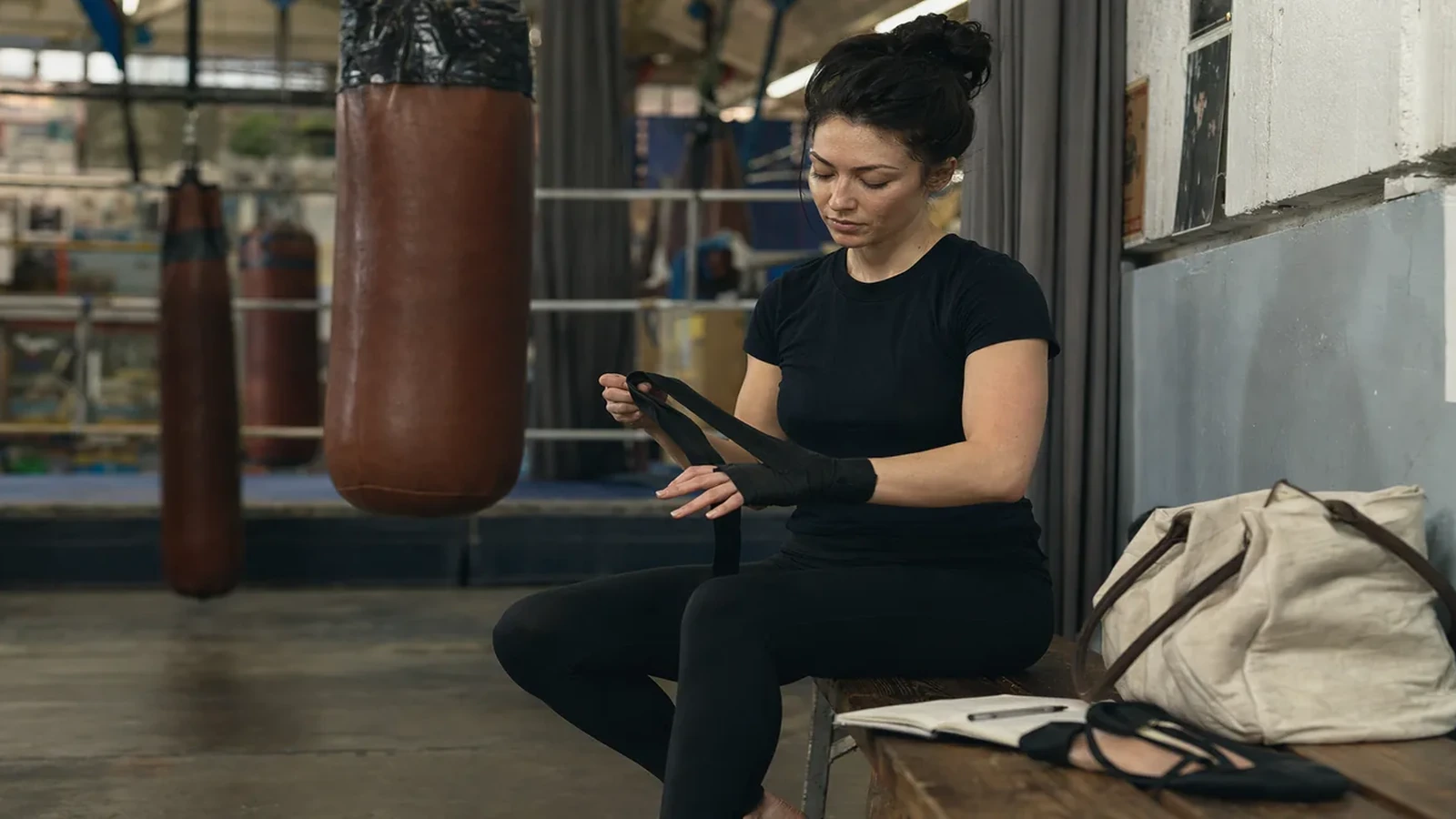
Best exercise for actors, dancers and performers? Boxing is a stronger answer than most people expect.
That might sound odd at first. Performers already use their bodies. Dancers train movement. Actors work on voice, presence and expression. But the pressure is not only physical. Auditions, rehearsals, late nights, rejection, self-consciousness and performance nerves all take a toll.
The best exercise for performers needs to build fitness without flattening personality. It should help with confidence, rhythm, posture, stamina and composure. It should also give you somewhere to put nerves that does not involve another coffee or another hour scrolling casting sites.
Boxing fits because it is physical, technical and honest.
Performers need fitness that carries into the room
Stage fitness is not the same as gym fitness.
You might need to walk into an audition and look relaxed when you are not. You might need to stay sharp through a long rehearsal. You might need to hold your posture, breathe properly and recover quickly after intense movement. For dancers, the physical demand is obvious. For actors and other performers, it is often hidden until the room gets hot and the nerves start.
Boxing trains that kind of readiness. You learn to move with your feet under you, breathe while working, stay balanced and keep your eyes up when effort rises. That carries into performance work because confidence is partly physical.
A person who can stay calm during a pad round often starts to hold themselves differently outside the gym.
Boxing helps with nerves without pretending nerves disappear
Performance nerves are not a character flaw.
They are part of the job. The problem is when nerves take over your breathing, posture, timing and attention. You start watching yourself instead of doing the work.
Research on performing artists has linked injury risk with psychosocial factors such as anxiety, performance anxiety and stress (psychosocial risk factors for injury in performing artists). Equity has also reported concerns around mental health in the performing arts (Equity performing arts mental health study).
Boxing will not remove nerves. That is not the point. What it does is teach you how to act while your heart rate is up. You breathe, listen, move, reset and keep going.
That is useful for anyone who has to perform under pressure.
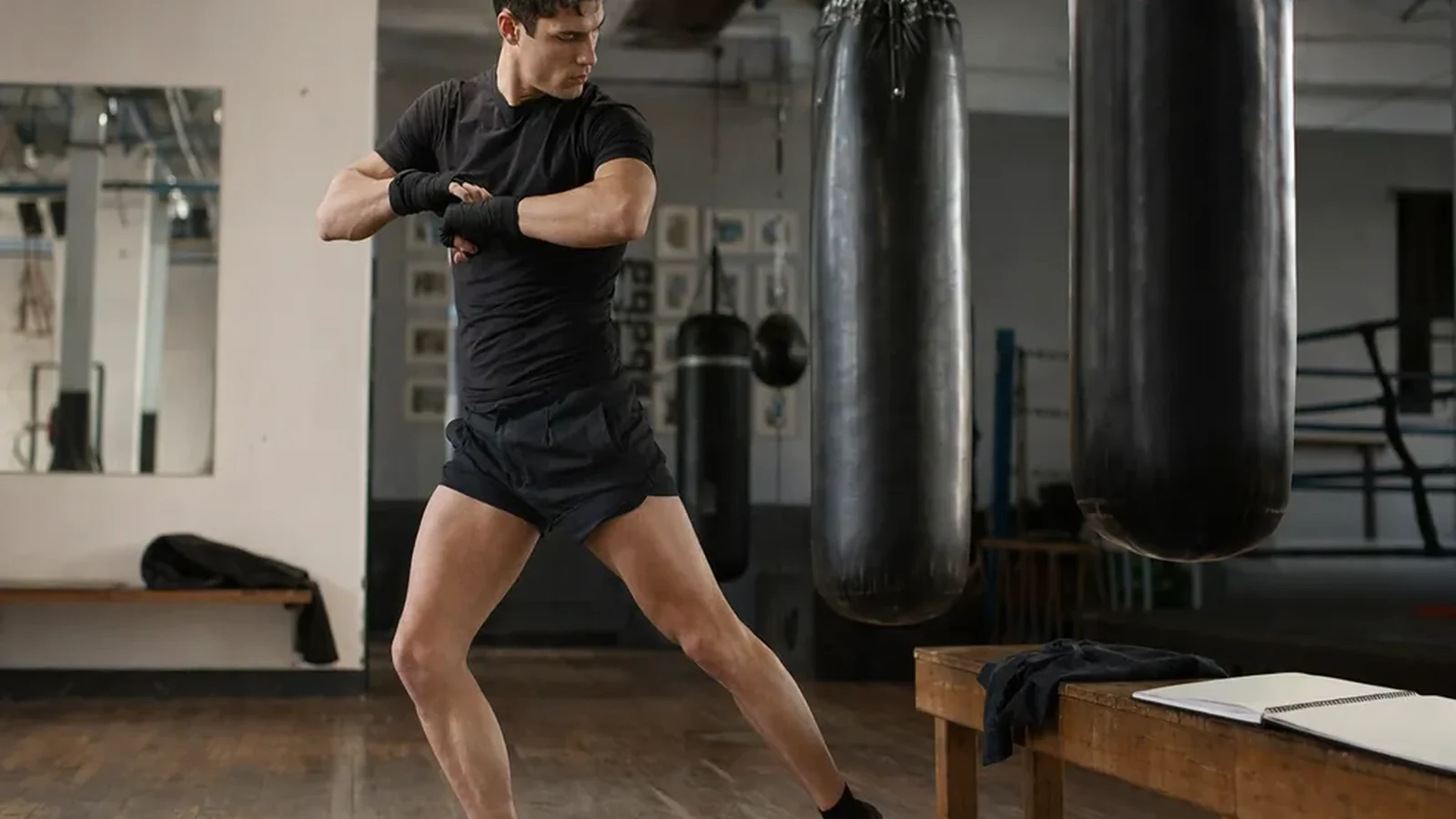
It builds presence without making you perform
A lot of fitness spaces are weirdly theatrical.
People checking mirrors. People filming sets. People trying to look unfazed while doing very ordinary things. For performers, that can be the last thing you need. You already spend enough time being watched.
A good boxing gym gives you a different kind of attention. The focus is not how you look. It is whether your feet are set, your hands are up, your timing is improving and your breathing is under control.
That is a cleaner form of presence. You are not acting confident. You are learning to stand, move and respond with more control.
For actors, that can help with physical confidence. For dancers, it adds a different quality of movement: sharper, more grounded, less decorative. For singers, comedians, presenters and performers more broadly, it gives the body a way to handle adrenaline.
Dancers get a different kind of conditioning
Dancers are often fit already, but boxing asks different questions.
Dance can be highly specialised. Depending on style, it may demand flexibility, line, power, control, repetition and fine detail. Boxing adds rotation, bracing, shoulder endurance, footwork under pressure and reactive movement.
That makes it a useful cross-training option when done sensibly. It should not replace dance-specific strength work, mobility or rest. It should sit beside them.
One Dance UK runs a Healthier Dancer Programme focused on physical, psychological and social health for dancers (One Dance UK Healthier Dancer Programme). Its broader message is sensible: dancers need support for the whole person, not just more rehearsal.
Boxing can fit that idea well. It gives dancers conditioning without another class built around performance polish.
Actors and performers need stress release that is not vague
Some exercise advice for performers is too soft.
It says move more, rest more, breathe more. Fine. But if you have had three rejections, a bad audition, a cancelled job and a late shift to cover rent, that advice can feel useless.
Boxing is less vague. You turn up, wrap your hands, hit pads, move around bags and sweat through the noise in your head. The session has a clear structure and a clear end. That matters when the rest of the week is uncertain.
The NHS says being active can help mental wellbeing and can be a way to switch off from worries or stress (NHS Every Mind Matters activity guidance). The Mental Health Foundation also says physical activity can help with stress, confidence and mood (Mental Health Foundation physical activity guidance).
Boxing gives that advice teeth. It is not just movement. It is movement with intent.
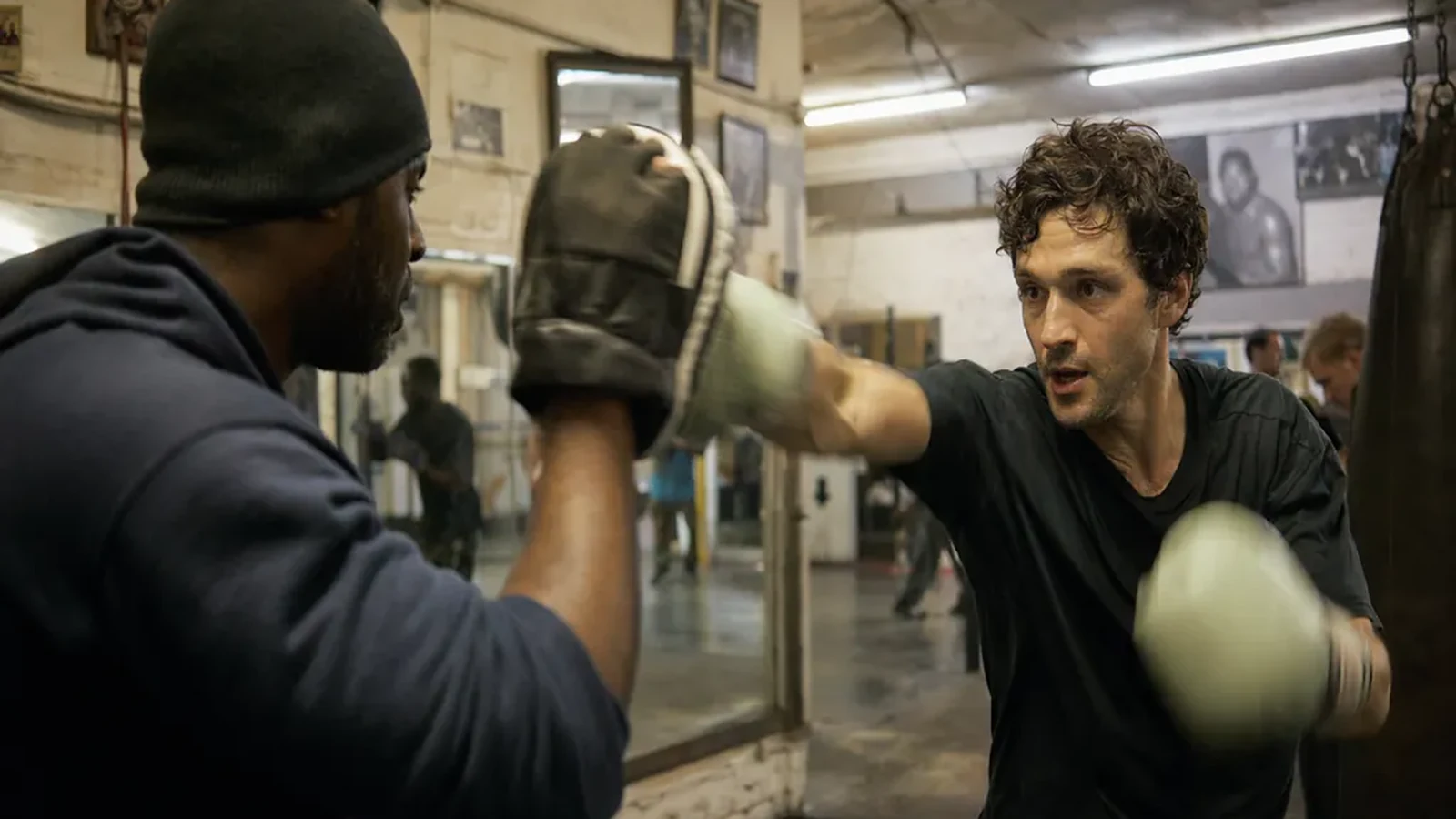
It is social without being another audition
Performing work can be lonely in a strange way.
You meet lots of people, but not always in situations where you can relax. Networking is not the same as friendship. Rehearsal rooms can be warm, but they can also be competitive. Auditions are obviously not social in any normal sense.
Boxing gives you a group setting where the work is shared. Everyone is learning, everyone looks awkward at some point and nobody is there to judge your headshot.
That is useful if you want a social fitness routine without the pressure of team sport or the self-display of a commercial gym.
It also gives you contact with people outside your own industry. That can be healthy. Not every conversation needs to be about castings, agents, shows or who got what role.
What kind of boxing works best for performers?
Start with recreational boxing, not hard sparring.
The goal is fitness, confidence, timing and composure. You do not need to get punched in the face to get those benefits. A good beginner-friendly class should include footwork, bag work, pad work, basic defence, conditioning and enough coaching that you know why you are doing it.
Our Adult Recreational boxing classes are the right starting point for most performers. You can train properly without having to pretend you want to fight.
If you work, study or rehearse around Greenwich, Blackheath, Kidbrooke, Woolwich or nearby parts of south east London, the club is practical enough to fit around evening rehearsals, shift work and inconsistent schedules.
If your main question is whether boxing will feel more useful than a standard gym, boxing vs gym: why people switch is the clearest comparison.
The honest answer
Boxing will not make auditions fair. It will not protect you from rejection. It will not replace dance-specific training, vocal work, acting technique or proper injury treatment.
But it does give performers something most training plans miss: pressure practice without performance polish.
You learn to breathe when tired, move when tense, reset when you make a mistake and hold yourself with more confidence. For actors, dancers and performers, that is not a side benefit. That is part of the work.
How to start if you do this job
For most actors and dancers, the best first step is a normal coached group class, not a complicated programme. Start with Adult Recreational boxing or the broader adult beginner boxing guide if you want to understand what happens first.
If your rota, clients or working hours make set classes hard, use boxing personal training or private boxing lessons as the paid route. The free trial is for scheduled group classes.
Book a free trial session at Honour and Glory Boxing Club.
More job-specific boxing guides
If this article fits your work pattern, the full boxing for workers guide links the rest of the job-specific series, including desk workers, shift workers, trades, carers, drivers, teachers and busy professionals.
H&G Team
Writer at Honour & Glory Boxing Club, a community boxing gym in Kidbrooke, South East London.
KEEP READING
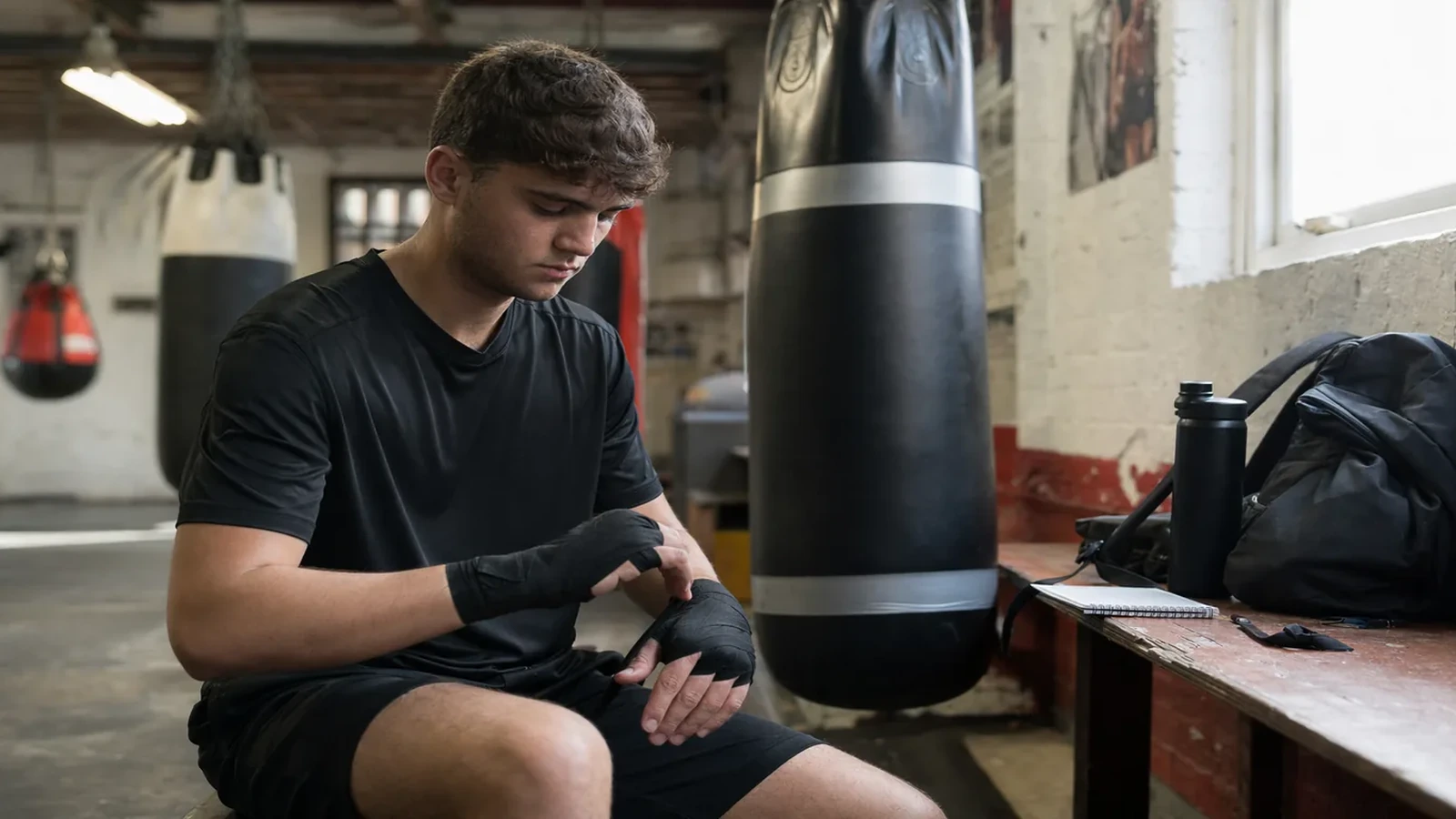
Boxing Fitness for Students: When It Fits
Boxing can be a useful training option for students when you want coached movement, conditioning and a clear break from work. It is not the only answer, but it can fit well.
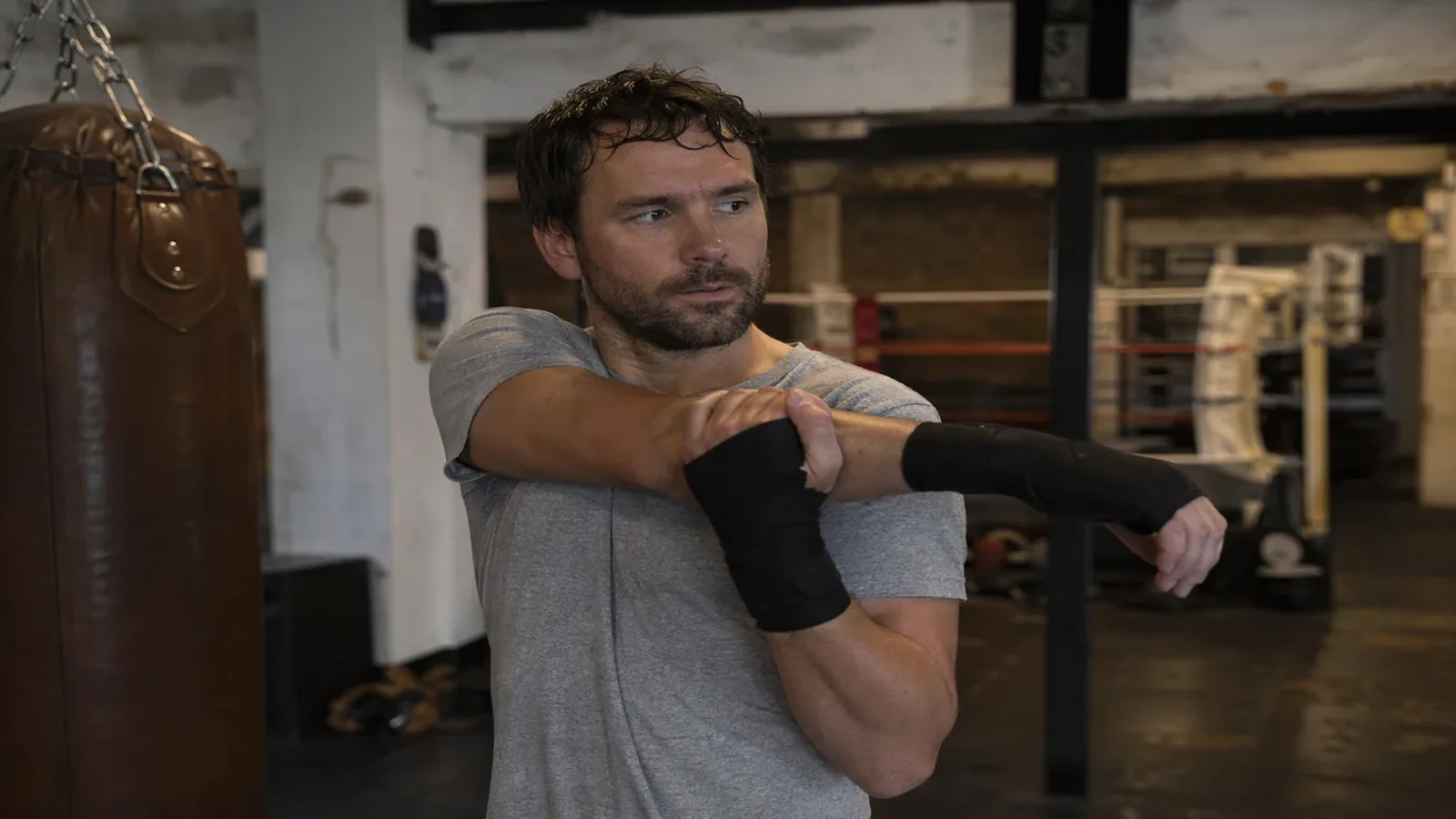
Boxing Fitness for Nurses: When It Fits
Boxing can be a useful training option for nurses when you want coached movement, conditioning and a clear break from work. It is not the only answer, but it can fit well.
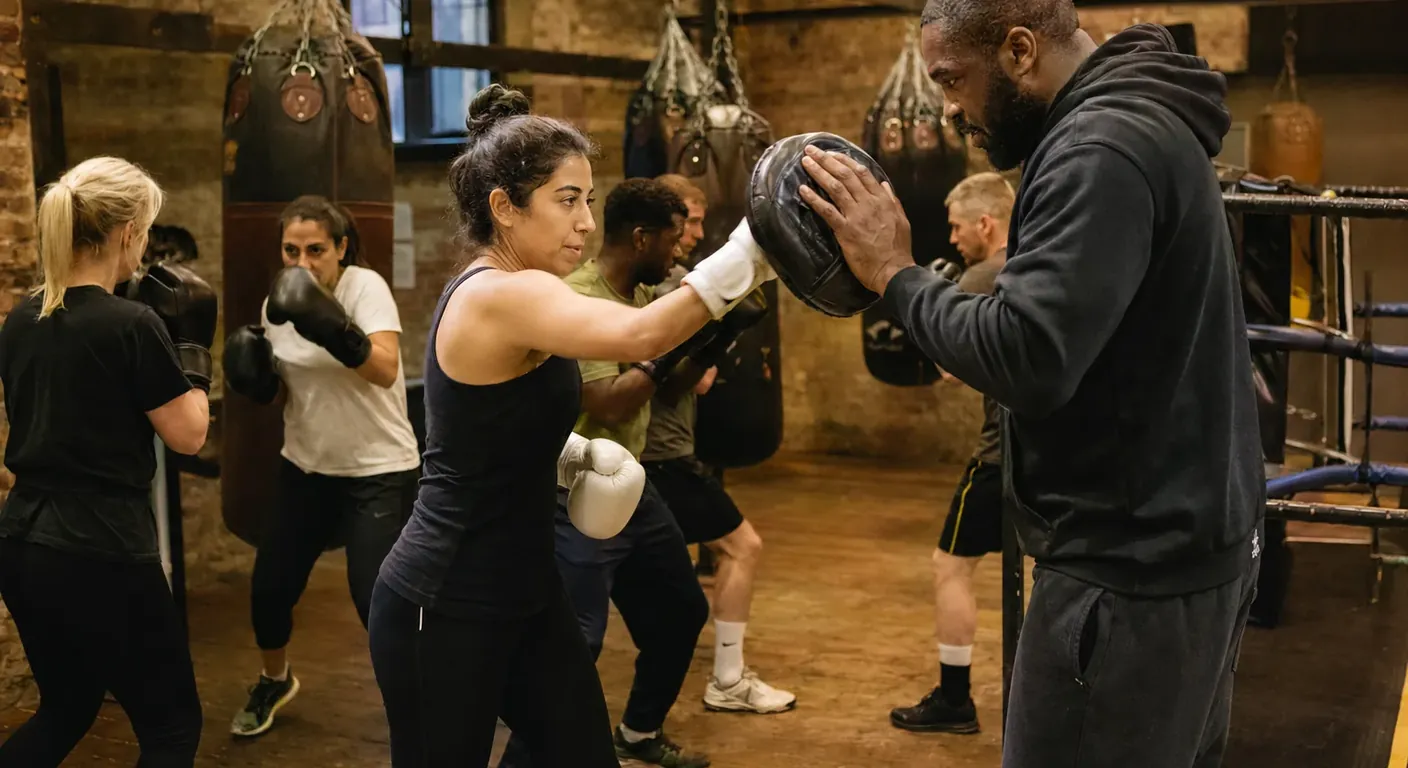
Gym or Boxing: Which Is Better for Fitness?
A practical answer to whether a gym or boxing is better for fitness, weight loss, confidence and long-term consistency.
Was this page helpful?
It takes one tap, and it genuinely helps.
Choose your next step
Turn this article into the right action
Some readers are ready to book. Some need the class route first. Pick the route that matches what you actually want.