Boxing vs Swimming
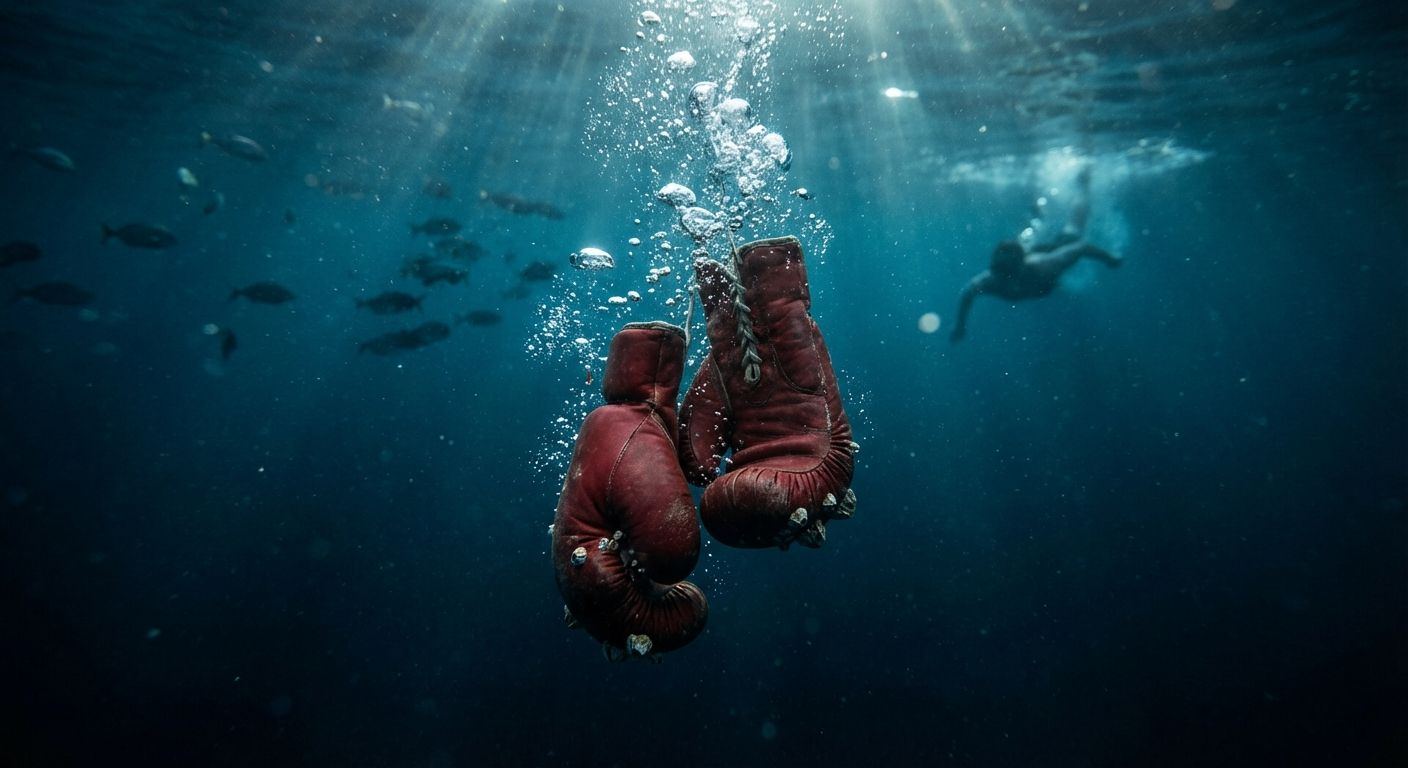
Two of the best full-body workouts available. One is low-impact and meditative. The other is explosive and builds a skill you can use outside the gym. Both have a genuine claim to being the most complete single exercise you can do. Here is how they compare across every metric that matters.
The Core Difference
Boxing
An explosive, skill-based discipline. Coach-driven sessions at consistently high intensity.
- • Full-body explosive power
- • Fast-twitch muscle development
- • Technical skill with years of depth
- • Builds bone density (impact-based)
- • Group energy and social bonds
Swimming
A zero-impact, endurance-based activity. Self-paced and meditative.
- • Zero joint impact
- • Constant water resistance on all muscles
- • Excellent for rehabilitation
- • Builds long, lean muscle
- • Meditative, rhythmic quality
Boxing and swimming are both genuinely full-body, which puts them ahead of most other exercises. But they work the body in fundamentally different ways. Boxing develops explosive, fast-twitch muscle through pushing and rotational force. Swimming develops slow-twitch endurance through constant, low-level resistance against water. A boxer's body is built for bursts of power. A swimmer's body is built for sustained effort.
Calorie Burn: The Numbers
Calories per hour (70 kg / 11 stone person)
Sources: Coach Magazine (Forza study), Harvard Medical School calorie estimates
Boxing wins on raw calorie burn at most intensity levels. The gap is especially wide when comparing a typical boxing training session (consistently high-intensity, coach-driven pace) with a typical recreational swim (self-paced, frequent rest between lengths). Most people overestimate how hard they actually swim.
Where swimming closes the gap is in sustained effort. A strong swimmer doing continuous front crawl or butterfly for an hour comes close to boxing's calorie numbers. But that is genuinely hard to maintain, and most recreational swimmers alternate between strokes, take breaks, and vary their intensity far more than they think.
Joint Impact and Injury Risk
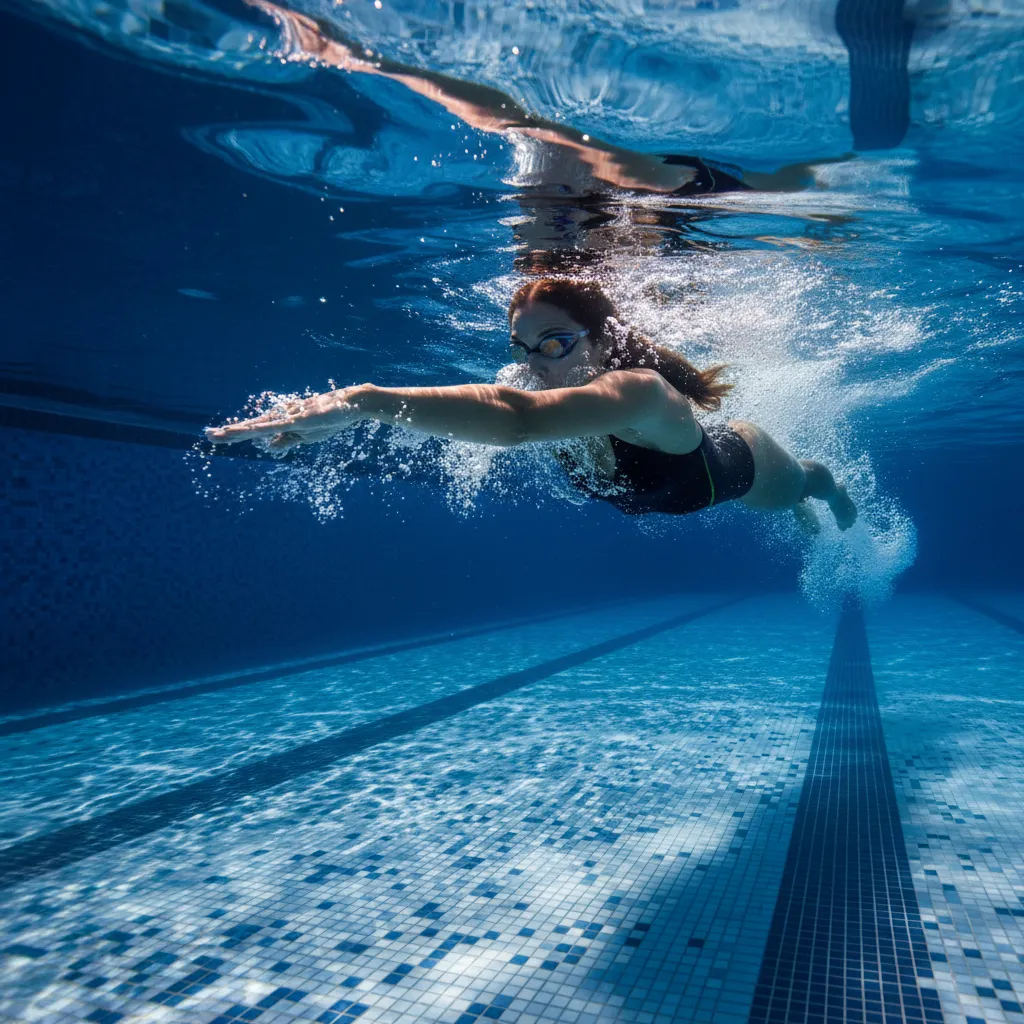
This is where swimming genuinely excels. Swimming is essentially zero-impact. The water supports your body weight entirely, which means no stress on joints, tendons, or ligaments. For people recovering from injuries, dealing with arthritis, or carrying significant extra weight, swimming is one of the safest forms of intense exercise available.
Boxing is low-impact compared to running (no repetitive foot strikes), but it is not zero-impact. The impact of punching a heavy bag transmits force through your wrists, elbows, and shoulders. Proper hand wrapping and technique minimise this risk, but it exists. At Honour and Glory, coaches teach hand wrapping and punching technique from your very first session to protect your joints.
Swimming does carry one injury concern that people overlook: swimmer's shoulder. Repetitive overhead strokes, particularly front crawl and butterfly, can cause rotator cuff impingement in regular swimmers. It is not common in casual swimmers, but competitive or daily swimmers face real risk.
The bone density question matters too. Swimming does not build bone density because the water supports your body weight, removing the load-bearing stimulus that strengthens bones. Boxing, through impact and weight-bearing movement, does. For long-term skeletal health, particularly for women, this is a genuine consideration.

Skill Development and Mental Health
Boxing teaches you a deep, complex skill that takes years to master. Timing, distance management, angles, combinations, defensive movement, reading an opponent. After a year of boxing, you have developed abilities that are genuinely useful and that stay with you for life.
Swimming has a skill component (stroke technique, breathing patterns, tumble turns), but it plateaus faster for recreational swimmers. Most people reach a competent standard within a few months and then swim for fitness rather than skill improvement.
Both are outstanding for mental health, but in different ways. Swimming is meditative. The rhythmic stroking and breathing, the sensory reduction of being underwater, and the gentle full-body fatigue create a calming experience. Many people swim specifically for this mental reset. Boxing is cathartic. Hitting a heavy bag after a stressful day releases tension in a way that few other activities match. The focus required during pad work forces you to be completely present, effectively switching off the anxious, overthinking part of your brain.
Neither is better. If you are anxious and overstimulated, swimming might be the better choice. If you are stressed and need to release frustration, boxing is hard to beat.
Cost in London
London prices as of 2026. Pool prices based on Better/GLL leisure centres.
Both are relatively affordable compared to boutique fitness. Public pool sessions in London run £5-£8 per swim at Better and GLL leisure centres, which is comparable to community boxing. Where costs diverge is if you want a premium experience: private gym pools (David Lloyd, Virgin Active) cost £80-£150 per month, while boxing clubs remain at £5-£10 per session regardless.
Equipment costs also favour boxing. Wraps (£5) and gloves (£25-£50) are your only outlay. Swimming requires goggles (£10-£30), a swimsuit that degrades in chlorine (£20-£50 every few months), and potentially a cap. Neither sport demands heavy investment.

Who Each One Suits
Boxing suits you if: you want maximum calorie burn and visible body composition change. If you enjoy learning a complex skill with years of depth. If you prefer group training energy and the motivation of a coach. If stress relief and confidence-building matter to you. If you want something that builds bone density and explosive power.
Swimming suits you if: joint health is your primary concern. If you are recovering from an injury or managing a condition like arthritis. If you prefer a meditative, solo exercise experience. If you want a low-impact activity that still provides genuine cardiovascular conditioning. If you are significantly overweight and need a gentle starting point.
The Crossover: A Near-Perfect Pairing
Boxing and swimming complement each other beautifully, and this is not just a diplomatic answer. The combination genuinely covers almost every fitness base.
Boxing provides the intensity, explosive power, skill, and bone density that swimming lacks. Swimming provides the zero-impact recovery, flexibility, and sustained cardiovascular base-building that boxing benefits from. A 30-minute easy swim on a rest day from boxing is one of the best active recovery sessions available. It promotes blood flow without adding any joint stress.
Two or three boxing sessions per week with one or two swims is a genuinely excellent fitness programme. You get the skill and intensity from boxing, and the recovery and joint health from swimming. If you can only pick one and your goal is overall fitness, boxing gives you more: a skill, a community, self-defence ability, bone density, and a complete workout. But adding swimming to your routine will make you a better, healthier boxer.
Was this page helpful?
It takes one tap, and it genuinely helps.
Which Should You Choose?
Choose boxing if:
- • You want maximum calorie burn per session
- • Learning a lifelong skill appeals to you
- • You prefer group training and coach-led intensity
- • Stress relief and confidence matter
- • You want to build bone density and explosive power
- • You enjoy variety in training (pads, bags, footwork, conditioning)
Choose swimming if:
- • Joint health or injury recovery is your priority
- • You prefer solo, meditative exercise
- • You are managing arthritis or significant excess weight
- • You want zero-impact full-body conditioning
- • You enjoy the calming effect of water
- • You want excellent active recovery between other sports
Our honest take: If your goal is fitness, fat loss, and learning something useful, boxing is the stronger choice. Swimming is safer on joints but does not build bone density, does not teach a practical skill, and most people do not swim hard enough to match boxing's conditioning effect.
The ideal is both. Box for intensity and skill. Swim for recovery and joint health. But if you have to pick one, come try boxing at Honour and Glory and see what a real training session feels like. Want to see for yourself? Book a free session and find out.
See also: Boxing vs Rowing | Boxing vs Running | How Many Calories Does Boxing Burn? | Boxing vs Squash | Boxing vs Climbing
The best way to decide? Come and try it.
Your first session is free. No contract, no commitment.
Book Your Free Boxing Session
Your first session is free. No contract, no joining fee, no catches.
📍 122 Broad Walk, SE3 8ND · Pay as you go from £5