Boxing vs Rugby Training
Two sports that build genuine physical and mental toughness. Both demand courage and produce formidable athletes. But they break your body in very different ways, cost very different amounts, and have very different accessibility profiles. Here is the honest comparison, including the injury data that most rugby fans would rather not see.
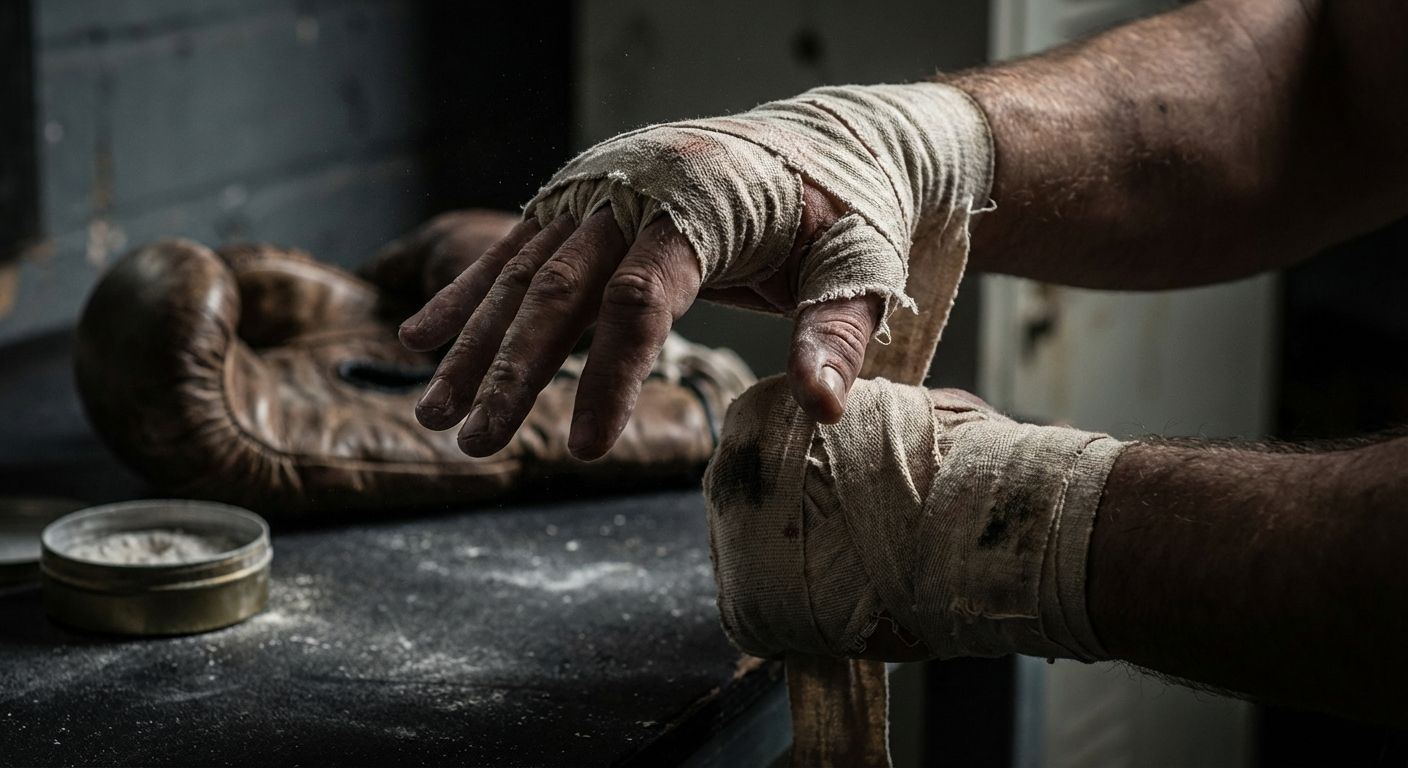
The Core Difference
Boxing
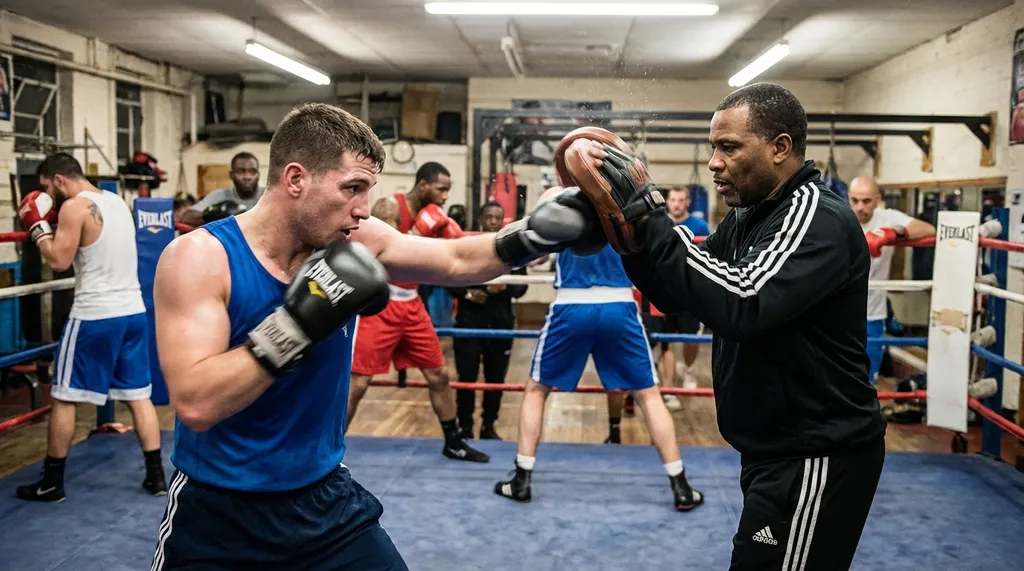
Individual combat sport. You face one opponent. The contact is controlled, graduated, and optional.
- • Punching, footwork, head movement
- • Explosive power in short bursts
- • Composure under direct personal threat
- • Sparring is optional in recreational training
- • Train solo, in groups, or one-on-one
Rugby
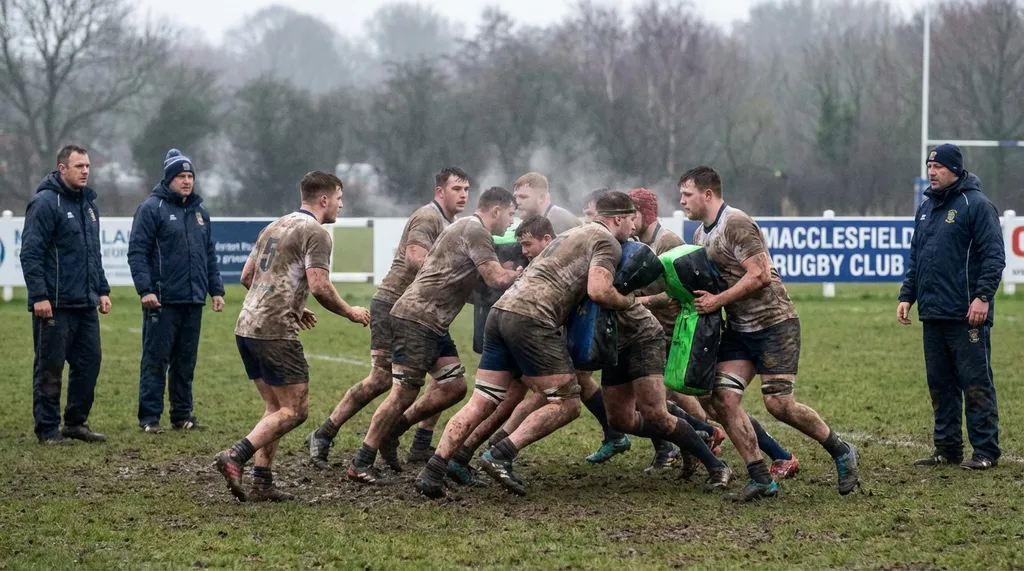
Team contact sport. You face 15 opponents. The contact is unavoidable, chaotic, and governed by the game.
- • Tackling, rucking, scrummaging, running
- • Sustained endurance over 80 minutes
- • Courage in open-field collisions
- • Contact is mandatory in match play
- • Requires 29 other people and a pitch
Both sports build a type of toughness that gym workouts cannot replicate. Rugby builds the courage to tackle and be tackled, to put your body into contact zones, and to keep performing under cumulative physical punishment. Boxing builds the courage to face someone trying to hit you, to remain composed under direct personal pressure, and to think clearly while exhausted and under threat.
The toughness is different in character but equivalent in depth. Neither sport tolerates fragility, and both produce people with genuine resilience that extends well beyond the playing field.
Calorie Burn: The Numbers
Calories per hour (70 kg / 11 stone person)
Sources: Coach Magazine, PMC energy expenditure study
Similar calorie burn in training. Both are high-intensity, full-body activities. The difference is marginal and depends more on position (a rugby winger covers more ground than a prop) and session structure. Boxing has a slight edge at the top end because continuous pad and bag work maintains a higher average heart rate than rugby training, which includes standing-around time during set-piece practice.
Injury Risk: The Decisive Difference
This is where the comparison becomes stark. Recreational rugby has one of the highest injury rates in sport. Concussions, shoulder dislocations, knee ligament tears, broken bones, and spinal injuries are all genuine risks during every match. A study in the British Journal of Sports Medicine found that amateur rugby players sustain approximately 47 injuries per 1,000 player-match-hours. That is staggeringly high.
The same study found amateur boxing had an injury rate of just 2.0 per 1,000 hours. That is more than 20 times lower than rugby. Even when sparring is included, boxing in a supervised environment with headguards, mouthguards, and matched weights is less collision-heavy than the open-field collisions of rugby.
Recreational boxing without sparring (which is how most people at Honour and Glory train) has an even lower injury profile. Minor hand and wrist strains are the most common issues, and they are largely preventable with proper wrapping and technique. There are no tackle impacts, no scrum collapses, no high-speed collisions.
For adults over 30, this difference becomes life-altering. The accumulating impact of rugby creates chronic joint problems, concussion history, and mobility issues that persist long after retirement from the sport. Boxing offers equivalent fitness and toughness development with a fraction of the structural damage.
Cost in London
London prices as of 2026. Rugby club fees from London amateur rugby leagues.
Rugby club memberships in London typically run £150-£400 per year, plus kit, travel to away matches, and the inevitable social expenses that come with rugby culture. The total annual cost is £600-£1,500 when you factor in everything, and that is before potential medical costs from injuries.
Community boxing costs £5-£10 per session. No annual fees, no travel to away fixtures, no expensive kit. Training four times a week at Honour and Glory costs roughly £500-£1,000 per year, and your medical bills will be significantly lower.
Practicality and Accessibility
Rugby requires 29 other people, a pitch, a referee, and organised scheduling. Most adults who want to play rugby join a club with fixed training sessions (typically Tuesday and Thursday evenings) and fixed match days (Saturday afternoons). If you miss training, you miss training. If the pitch is waterlogged, training is cancelled. If you cannot commit to Saturday matches, you will struggle to hold a regular place.
Boxing is available whenever you want it. Honour and Glory runs multiple sessions throughout the week. You can train alone (shadow boxing, bag work), in a group session, or one-on-one with a coach. There is no dependency on 29 other people, no away travel, and no weather cancellations. For adults with unpredictable schedules, boxing is simply more practical.
Who Each One Suits
Boxing suits you if: you want equivalent fitness and toughness with a less collision-heavy training option. Particularly recommended for adults over 30 who want to stay physically tough without the structural damage rugby accumulates. Also suits anyone who wants flexible training times rather than fixed club schedules.
Rugby suits you if: you thrive on team sport, enjoy the camaraderie and culture of a rugby club, want the tactical complexity of a team game, and accept the injury risk as part of the deal. Many former rugby players eventually transition to boxing when their bodies can no longer take the contact.
The Crossover: What Transfers
Boxing and rugby share more than you might think. The aggression management, the ability to perform under physical pressure, and the mental toughness transfer directly between sports. Many professional rugby players include boxing in their training for exactly these reasons: it builds hand speed, footwork in tight spaces, and the ability to take and give controlled physical contact.
For former rugby players, boxing fills the toughness and intensity gap that retirement from rugby creates. You still get the physical challenge, the controlled aggression outlet, and the community. You just do not get the broken collarbone.
If you currently play rugby, adding boxing to your midweek routine will improve your hand speed in breakdown situations, your ability to fend off tacklers, and your cardiovascular endurance. It is a legitimate performance supplement for rugby, not just a fitness alternative.
Was this page helpful?
It takes one tap, and it genuinely helps.
Which Should You Choose?
Choose boxing if:
- • You want comparable toughness with far lower injury risk
- • You are over 30 and your body cannot take rugby contact
- • Flexible training times matter (no fixed club schedule)
- • Self-defence ability appeals to you
- • You want a sport you can sustain for decades
- • Budget matters (£5-£10 per session)
Choose rugby if:
- • Team sport and camaraderie are your priority
- • You enjoy tactical team-based competition
- • You accept the injury risk as part of the package
- • Fixed match-day commitments suit your schedule
- • You thrive on the social culture of a rugby club
- • You are under 30 and in good structural health
Our honest take: Boxing gives you 90% of what rugby offers in terms of toughness, fitness, and community, with roughly 5% of the injury risk. The injury data is not even close. If you love rugby, play rugby. But if your body is telling you to stop, boxing is the perfect next chapter.
We see former rugby players at Honour and Glory regularly. Almost all of them say the same thing: they wish they had discovered boxing sooner. The intensity is comparable. The community is just as strong. And they can actually train on Monday without limping. Want to see for yourself? Book a free session and find out.
See also: Boxing vs Football Training | How Many Calories Does Boxing Burn? | Boxing vs Squash | Boxing vs Climbing | Boxing vs Rowing
The best way to decide? Come and try it.
Your first session is free. No contract, no commitment.
Book Your Free Boxing Session
Your first session is free. No contract, no joining fee, no catches.
📍 122 Broad Walk, SE3 8ND · Pay as you go from £5