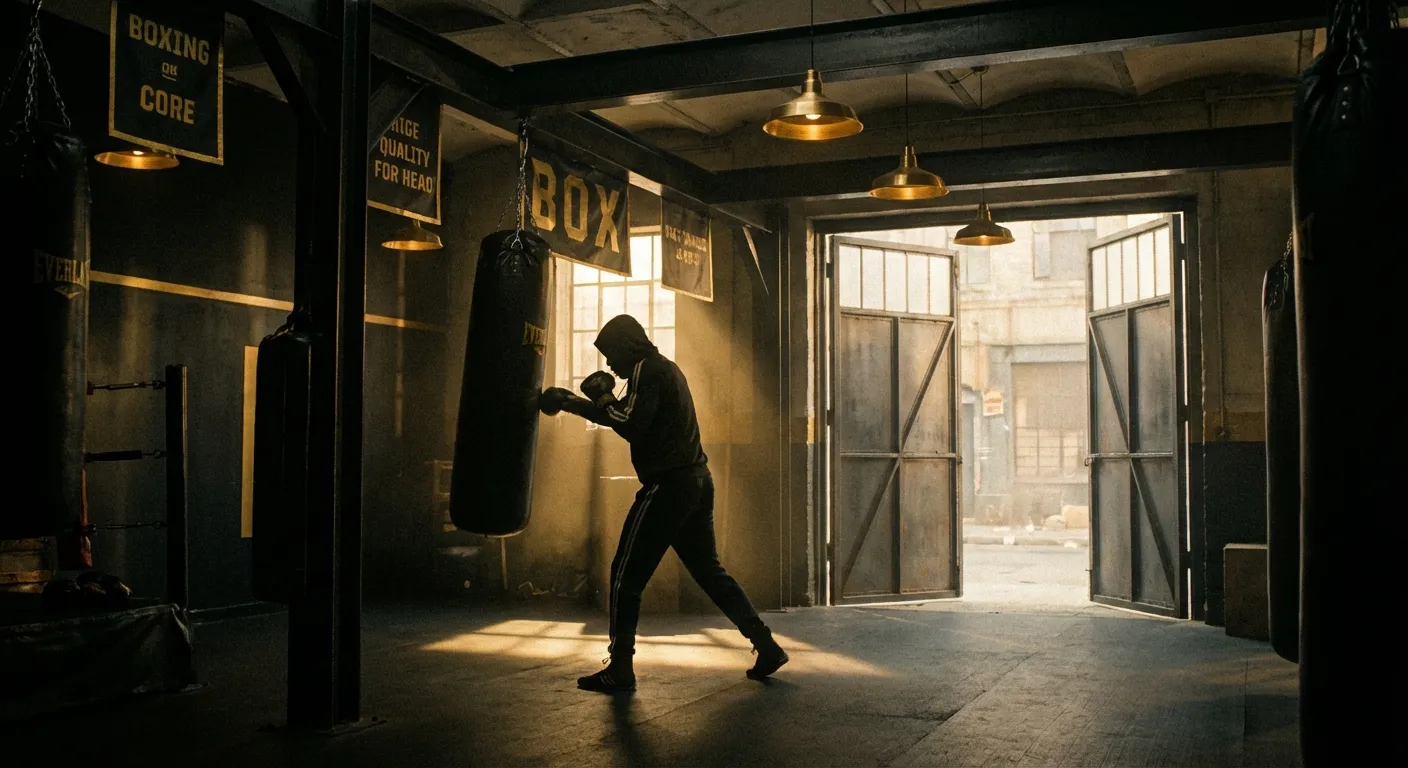
Research on 6-week high-intensity training interventions shows measurable improvements in cardiovascular fitness and body composition. NHS physical activity guidelines guidance on physical activity recommends 150 minutes per week of moderate exercise - a 6-week boxing challenge typically exceeds this comfortably.
The six-week challenge format exists because six weeks is enough time to see genuine, measurable change in fitness while being short enough to maintain motivation. Used as a framework for boxing training, it works particularly well.
What Six Weeks of Consistent Boxing Training Produces
This is not conjecture. Six weeks of three sessions per week of boxing training, at moderate intensity, produces measurable changes in:
Resting heart rate. Most people see a reduction of 5 to 10 beats per minute over six weeks. This is a direct indicator of improved cardiovascular fitness.
Perceived exertion. Work that felt extremely hard in week one feels manageable in week six. This reflects both fitness adaptation and technique improvement - efficient movement requires less energy.
Body composition. Fat mass decreases and lean mass increases with consistent training. The scale may not reflect this immediately because muscle is denser than fat, but body measurements and how clothing fits does.
Technical skill. The basic punches - jab, cross, hook, uppercut - go from unfamiliar movements to automatic patterns over six weeks of consistent practice. This is a qualitative change that is significant even if it is hard to measure.
The Six-Week Structure
A sensible six-week structure for someone starting boxing training:
Weeks 1 and 2: Foundation. Three sessions per week. Focus is entirely on stance, footwork, guard position, and the jab. Cardiovascular conditioning through rounds of shadow boxing and skipping. Volume is moderate.
Weeks 3 and 4: Building. Same frequency. Introduce the cross, hooks, and body shots. Begin pad work. Increase round duration and reduce rest intervals.
Weeks 5 and 6: Testing. Same frequency. Introduce basic combinations. Increase bag work volume. Use the final week to compare session quality against week one.
Measuring Progress
Keep a training log. Record: which sessions you attended, what you worked on, how you felt during the session. At the end of six weeks, compare week six against week one on the same measures.
Resting heart rate measured on waking. Two-minute shadow boxing round - how many rounds can you complete at a consistent pace before your quality degrades? These are concrete measures.
After Six Weeks
Six weeks is a starting point, not a destination. The changes you see in six weeks compound over months and years.

The boxers who train for years began with six weeks, saw real results, came back for the next six weeks, and did not stop.

At Honour and Glory, the Adult Recreational class provides the structure for exactly this kind of six-week foundation. The free trial is the first session.
H&G Team
Writer at Honour & Glory Boxing Club, a community boxing gym in Kidbrooke, South East London.
KEEP READING
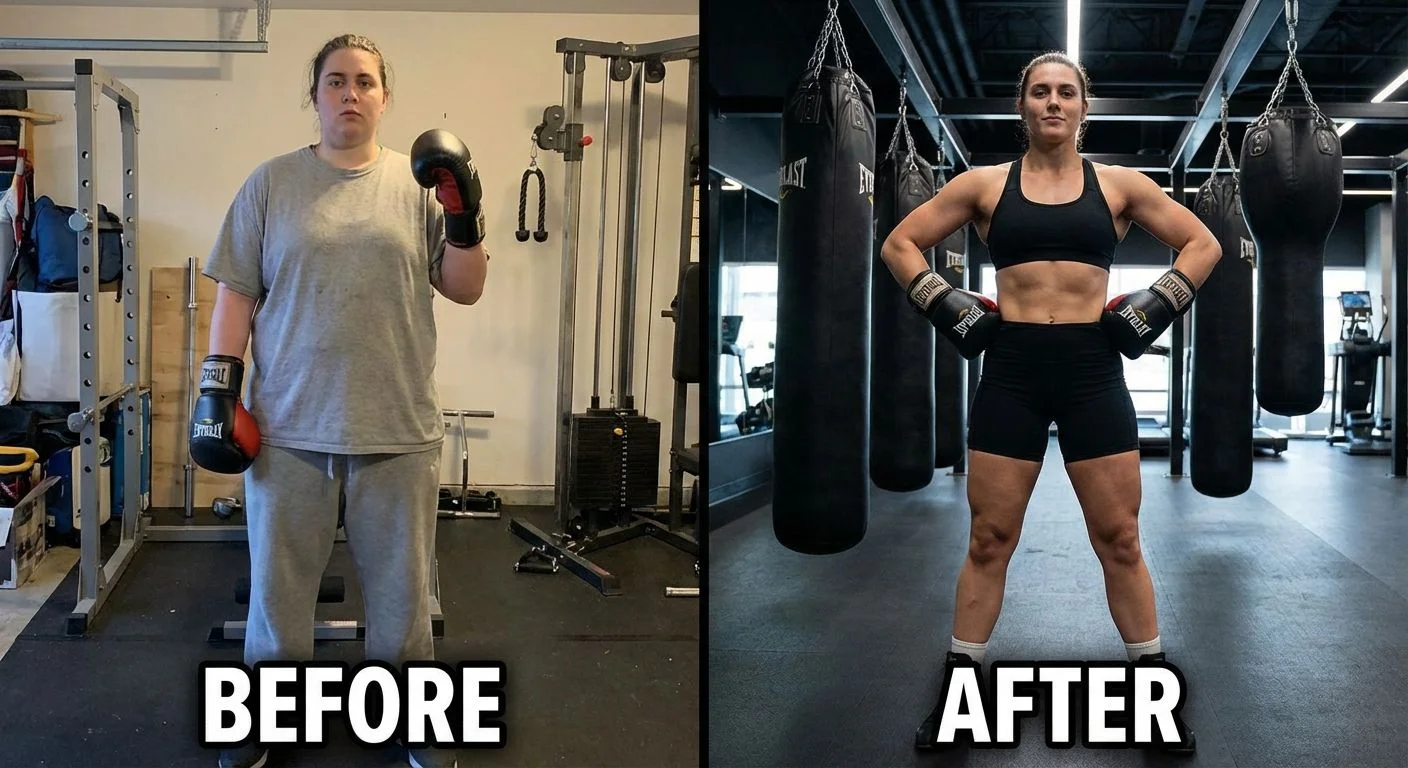
Boxing Personal Training Results: A Realistic Timeline
What results to expect from boxing PT and when. An honest, month-by-month account of what changes, backed by evidence from sports science research.

Boxing Body Transformation: What 12 Weeks Actually Changes
Twelve weeks of boxing does not produce one kind of result. It produces several, arriving at different times and in an order that surprises most beginners.
Clean Sport Week 2026: What Young Boxers Should Know
A practical boxing-club guide to Clean Sport Week 2026, SARMs, supplements, strict liability and how young boxers can build progress safely without shortcuts.
Was this page helpful?
It takes one tap, and it genuinely helps.
Choose your next step
Turn this article into the right action
Some readers are ready to book. Some need the class route first. Pick the route that matches what you actually want.