Bruce Carrington masterclass: pressure without rushing
Bruce Carrington Masterclass: Pressure Without Rushing
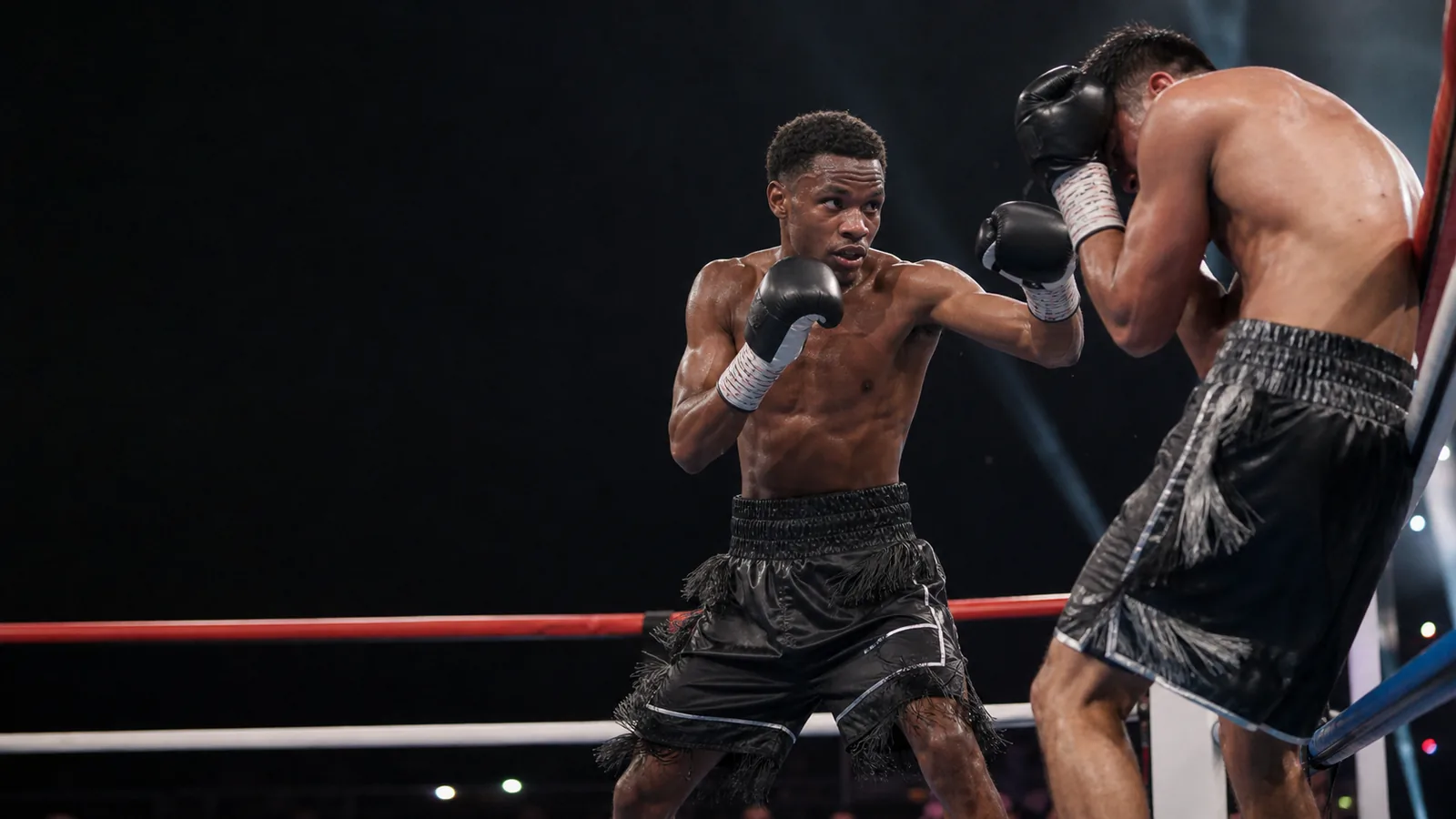
Bruce Carrington did not beat Mateus Heita by accident, noise, or one violent moment. He beat him by taking away room, time and confidence, round after round, without ever looking desperate for the stoppage.
That matters. In boxing, pressure is often misunderstood. People see a fighter walking forward and call it pressure. Sometimes it is. Often it is just impatience with gloves on. Real pressure is quieter. It is the steady closing of exits. It is the jab that makes a boxer move before he wants to move. It is the front foot placed just outside escape range. It is the calm reset after an exchange, so the opponent never gets a clean breath.
Carrington’s win over Heita was a useful lesson because it was not a highlight-reel demolition. It was a composed, wide unanimous decision. According to Boxing News, Carrington won the vacant WBC interim featherweight title at The Theater at Madison Square Garden, with two judges scoring it 119-109 and one judge scoring it 120-108. That is dominance, but not the cartoon version of dominance. It was control.
Pressure Starts Before the Punches
The best thing Carrington did was make Heita feel watched.
Early on, Heita tried to get his double jab going. That was sensible. Against a sharp boxer like Carrington, you cannot simply wait at long range and admire his hands. You need to touch him, disrupt him, and make him defend. But Carrington’s first layer of pressure was not wild output. It was information gathering. Feints, small steps, shoulder hints, changes in rhythm. He was asking Heita, “What do you react to?”
That is a grown-up way to fight. Carrington was not forcing the issue in the first minute as if the result had to arrive immediately. He was building the conditions for later rounds. The main video breakdown gets the tone right: this was a masterclass in pressure without rushing.
There is a big difference between chasing and herding. Chasing follows the opponent. Herding sends him where you want him to go. Carrington did more of the second. When Heita shifted, Carrington did not always leap after him. He stepped, reset, kept his shape, and asked the same question again from a slightly better position.
That is how pressure becomes tiring. Not because every punch hurts. Because every decision costs.
Range Control Is Not Just Being Tall or Long
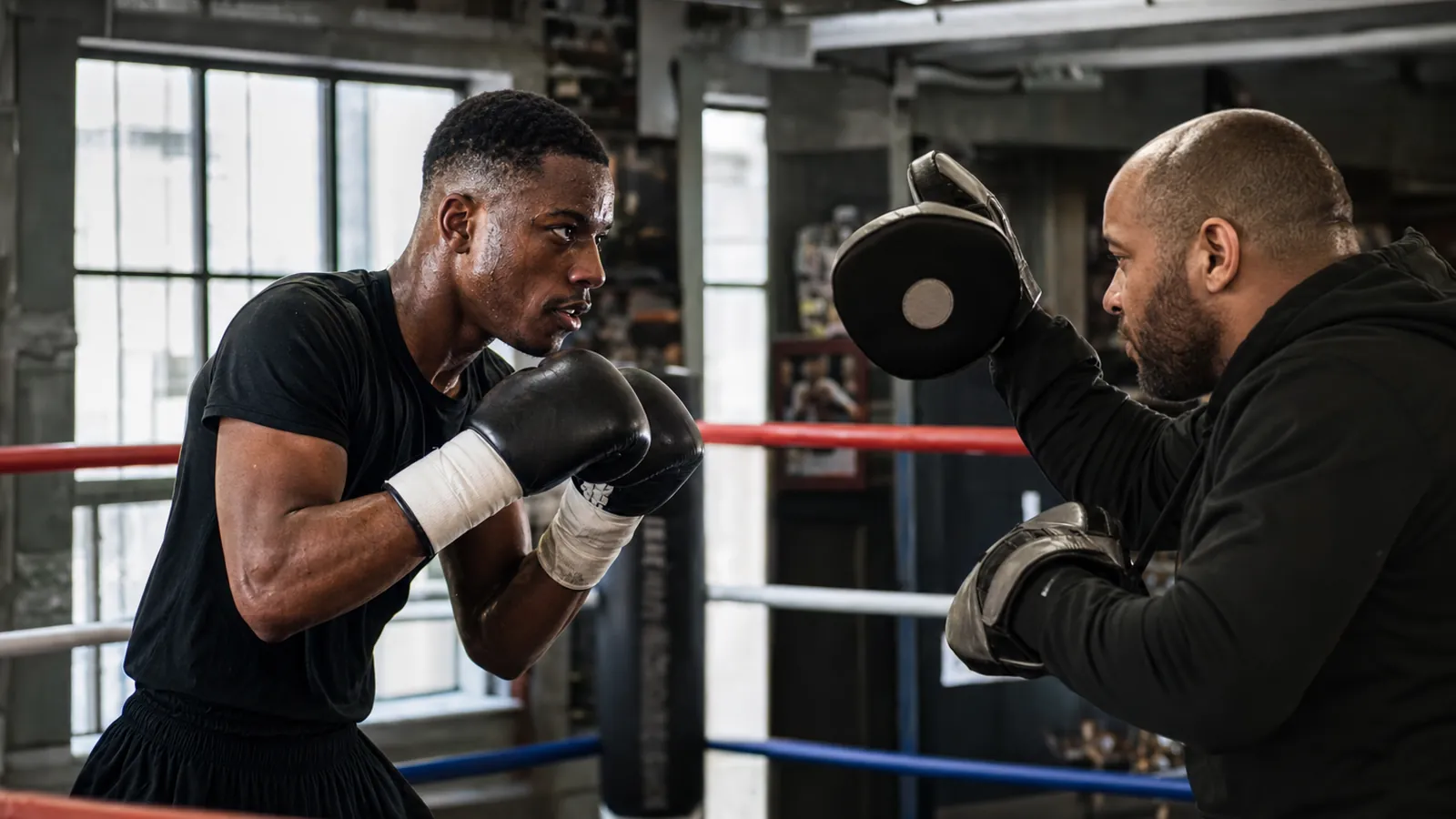
Carrington’s control of range was the heart of the fight. He did not need to make every exchange dramatic because he was winning the geography.
BoxingScene described Carrington as clinical, if not concussive, which is a fair summary. The same report credited him with landing 207 of 492 total punches, while Heita landed 122 of 549. That tells you something important. Heita threw more, but Carrington landed cleaner and at a far better rate. Pressure is not only volume. It is making your opponent work harder for worse returns.
Heita did have moments. Boxing News noted that his right uppercut was useful on the inside, and that Carrington was warned by referee Harvey Dock for some elbow and palm pushing in close. That detail matters because it stops the fight being remembered as a one-man exhibition. Heita was not a punch bag. He had answers. He just did not have enough of them, often enough, from the right range.
Carrington’s success came from deciding when the fight was long, when it was mid-range, and when it was close enough to smother. That is hard to do. Many fighters can box at one distance. Fewer can change the distance without losing their balance or letting the opponent turn the fight into a scramble.
For anyone training, this is the lesson to keep. Range is not a fixed measurement. It changes with feet, rhythm, posture, threat and timing. A boxer who controls range is not only avoiding punches. He is making the other boxer unsure about when he is safe.
Heita Needed Risk, Carrington Denied Reward
Heita came in unbeaten and dangerous enough to deserve respect. The pre-fight build-up from Top Rank framed him as the Namibian contender coming to New York to test Carrington. Carrington’s own record, listed by BoxRec, already marked him as one of the rising featherweights to watch, but this was still a step where a careless favourite could make life difficult for himself.
That is why Carrington’s refusal to overreach was so important.
Heita needed Carrington to get greedy. He needed him to admire his own work, rush forward after one clean shot, or square up in search of applause. That is when the underdog gets his counters. That is when a tidy fight becomes a hard fight for no good reason.
Carrington did not give him much of that. Even when he was clearly ahead, he mostly stayed within himself. Some observers wanted more fireworks. The Carrington puts on a show clip sells the entertainment side of the performance, and there were stylish moments, but the real story was restraint. Carrington boxed like a man who understood the scorecards did not need drama added to them.
There is a slight criticism in that too. At world level, “clinical” can be praise or warning. Against Rafael Espinoza, Nick Ball or Stephen Fulton, Carrington may need to put a stronger stamp on certain rounds. He called for those names afterwards, with BoxingScene reporting his post-fight targets, including Espinoza and Ball. That is serious company. Winning safely is smart. Winning safely while making elite opponents fear the next phase is harder.
But against Heita, the job was clear: win the title, bank the rounds, stay composed. He did that.
Winning Rounds Without Forcing the Finish
A stoppage is not the only proof of authority.
Boxing culture often talks as if the perfect win is the knockout and everything else needs an apology. That is lazy. A 12-round points win can teach more than a quick finish, especially when the boxer shows he can keep command without chasing approval.
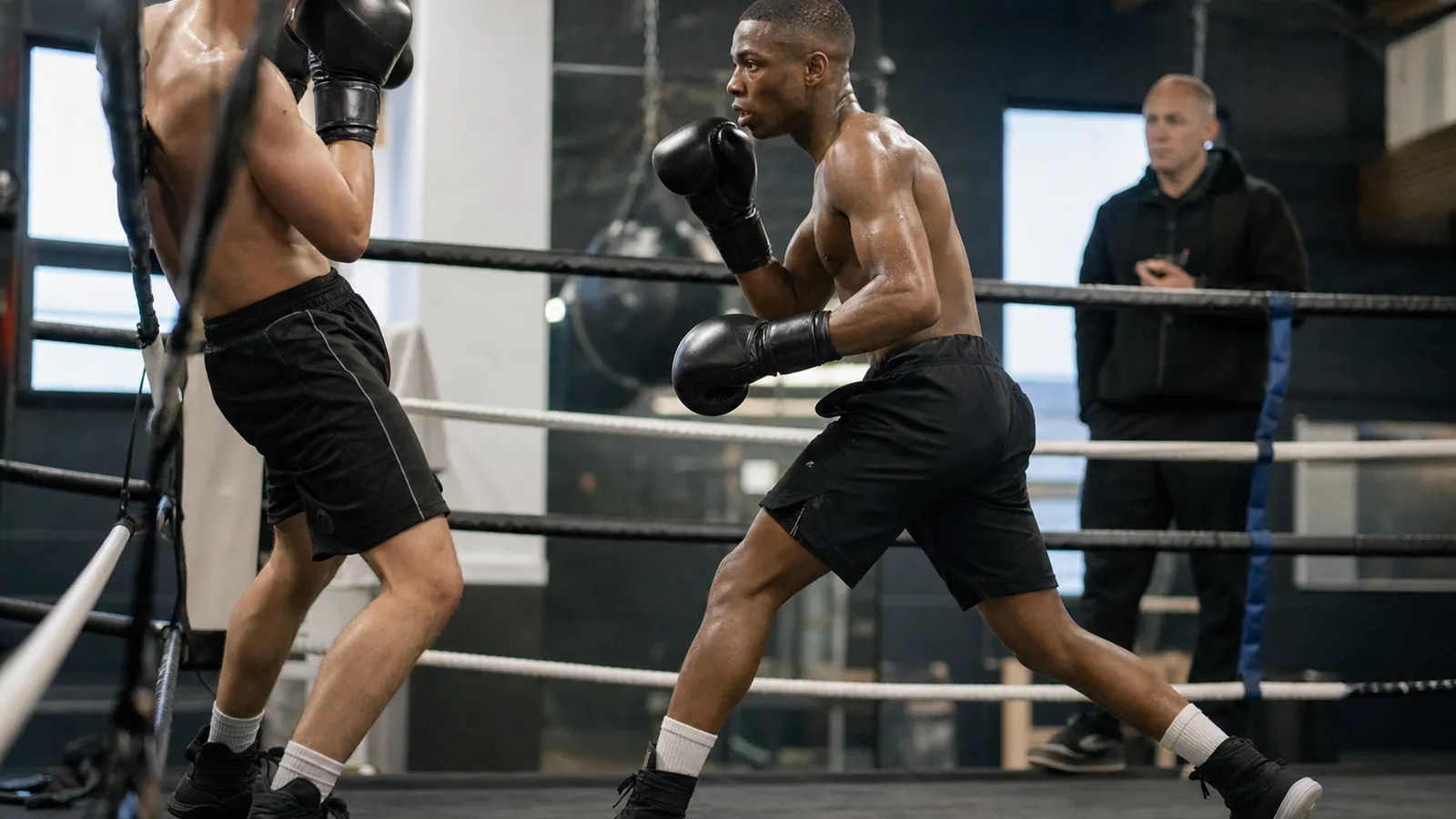
Carrington’s performance showed three scoring habits that young boxers should study.
First, he started exchanges with purpose. He did not wait for Heita to decide the rhythm for him.
Second, he made Heita miss or fall short enough to reduce the value of Heita’s work. Defence does not have to be flashy. If the opponent is throwing 549 punches and landing just 22.2 per cent, as BoxingScene’s figures reported, that defence is doing a job.
Third, he finished enough moments cleanly for judges to know who owned the round. That is the professional part. You do not have to win every second. You have to make the round readable.
The fight highlights show the cleaner Carrington work well, but the deeper lesson sits between the highlights. It is the reset. The step after punching. The way he avoided turning a comfortable lead into a personal argument.
The Gym Lesson: Calm Pressure Beats Forced Aggression
This is where the fight connects to normal boxing training.
At Honour & Glory in Kidbrooke, we see the same mistake all the time with beginners and improving boxers. Someone wants to “put pressure on”, so they rush in, punch too hard, lose stance, smother their own work, then wonder why they are tired and open to counters. The intention is right. The method is wrong.
Pressure should make the other person rushed, not you.
Carrington showed that well. His pressure had patience in it. He did not need to sprint through the front door when he could keep closing windows. That is a lesson for fighters, recreational boxers, and anyone learning the sport from scratch. Balance first. Feet under you. Eyes calm. Jab with a reason. Step after the punch. Do not chase the finish if the round is already being won.
For new starters, that kind of discipline matters more than trying to look hard. Our boxing classes in South East London are built around that progression for ages 7+: stance, movement, guard, breathing, pad work, partner drills and controlled pressure. The aim is not to make people reckless. It is to make them composed.
Carrington’s win over Heita was not perfect theatre. It was better than that. It was useful boxing. A fighter with ambition took a capable opponent, controlled the space, managed the pace, and won clearly without letting ego drag him into unnecessary danger.
That is pressure without rushing. And for most boxers, that is a much harder skill than simply throwing more punches.
H&G Team
Writer at Honour & Glory Boxing Club, a community boxing gym in Kidbrooke, South East London.
KEEP READING
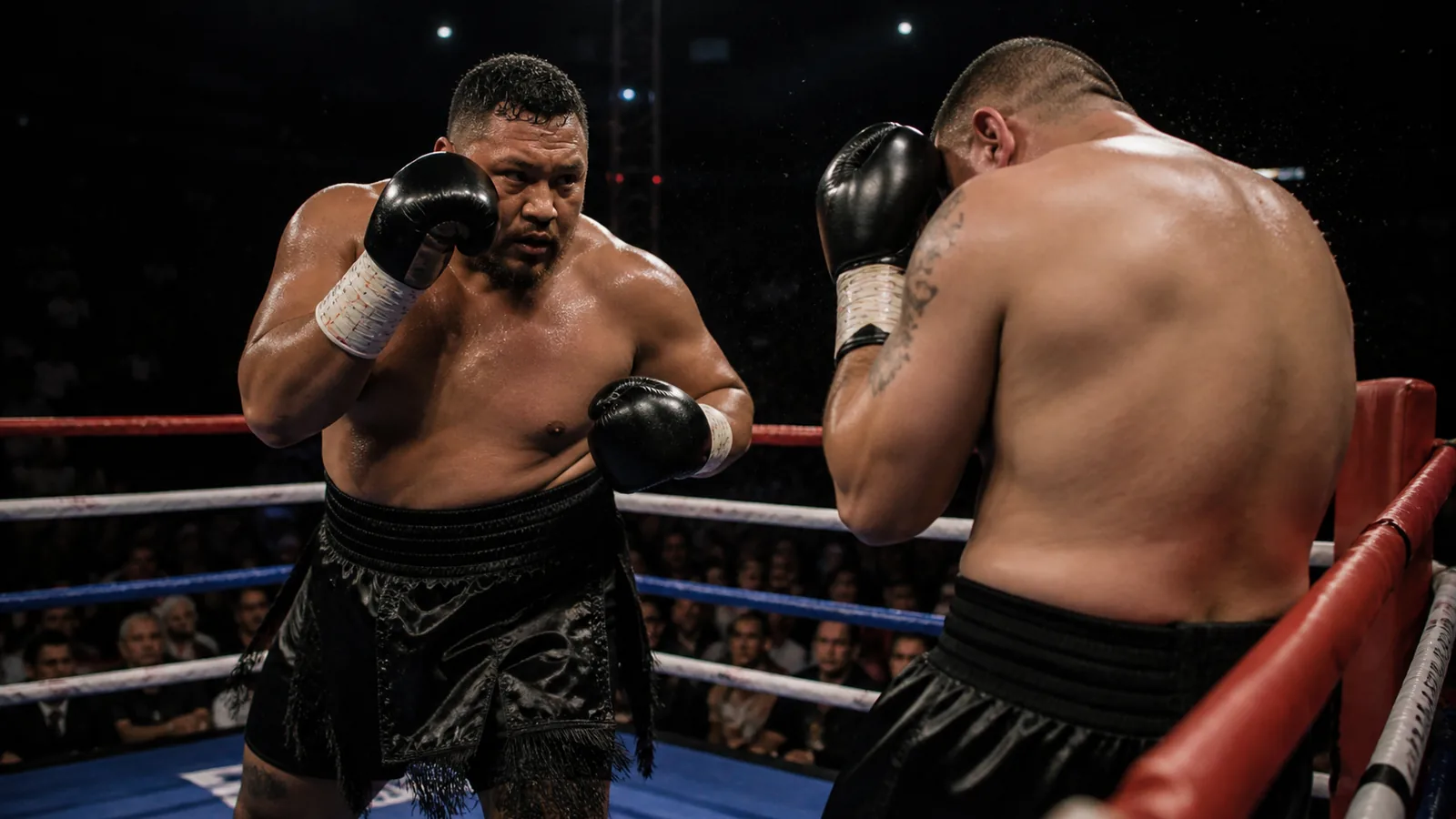
Teremoana’s two-round stoppage and the value of patient pressure
Use Teremoana Teremoana’s fresh second-round win over DeAndre Savage to examine how a heavyweight can apply pressure without rushing into predictable exchanges.
Juanmita Lopez KO: why control creates power
Use the fresh Top Rank highlight to show beginners why knockouts often come from controlled feet, timing and balance rather than wild punching.

Boxing and Blood Pressure: What to Check Before Training
Boxing is vigorous exercise. If you have high blood pressure or take medication, ask a qualified professional what training level is safe.
Was this page helpful?
It takes one tap, and it genuinely helps.
Choose your next step
Turn this article into the right action
Some readers are ready to book. Some need the class route first. Pick the route that matches what you actually want.