Boxing for Shy Children: Why the Quietest Kids Often Thrive
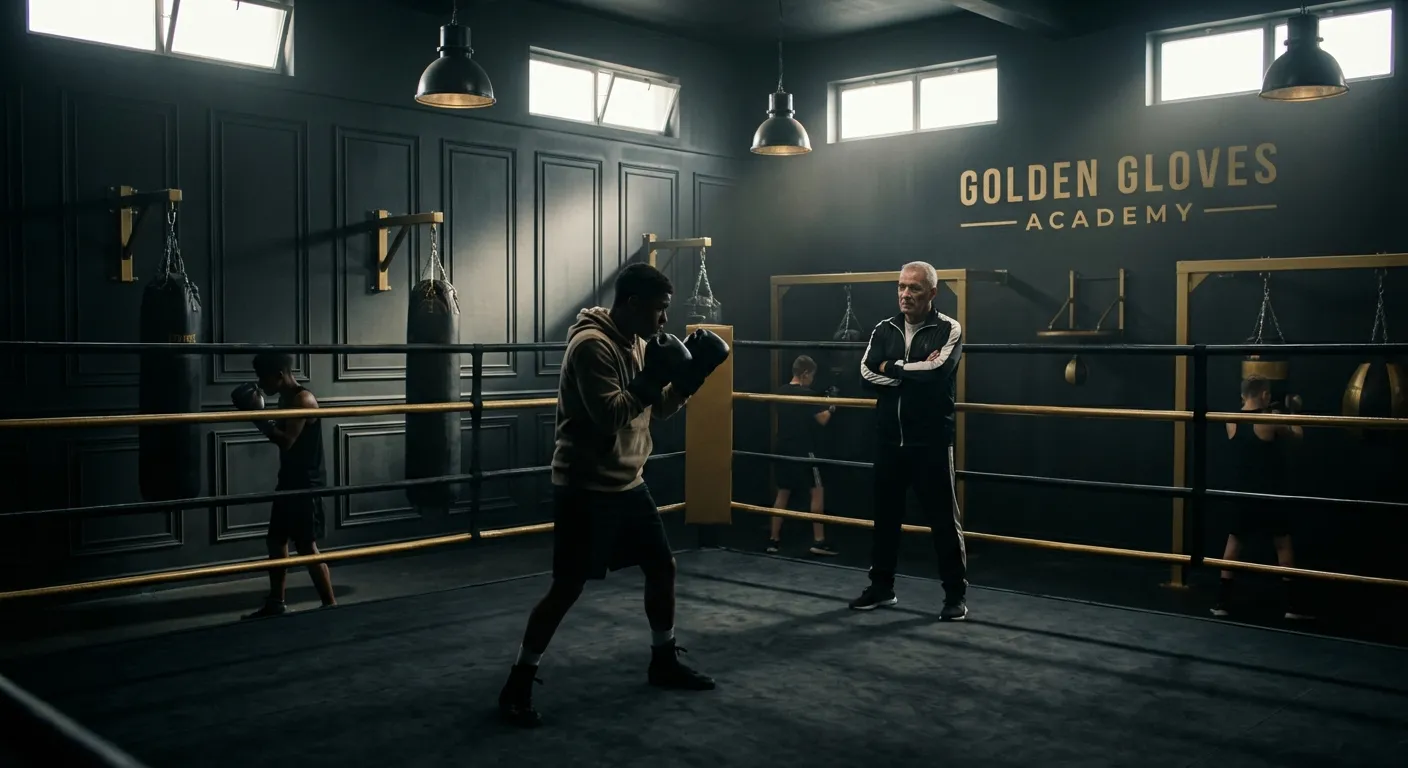
Research on boxing and social confidence in children shows the structured one-to-one coaching environment in boxing gyms particularly benefits children who struggle in group settings. England Boxing safeguarding training covers inclusive coaching for children with social anxiety.
Shy children and team sports can be a difficult combination. The social demands of a football or netball team - the constant communication, the visibility, the group dynamics - can overwhelm children who need more time and space to build confidence.
Boxing offers something different. Here is why the quietest children often develop the most in a boxing gym.
The Individual Nature of the Training
In a football team, if a shy child has a difficult game, eleven people witness it and three parents comment on it. The social exposure is constant and involuntary.
In boxing training, the work is primarily individual. You are hitting a bag. You are doing pad work with a coach. You are skipping. Even when working with a partner, the interaction is simple and structured - hold these pads, follow these instructions, then swap.
This lower social demand allows shy children to focus on the physical work rather than spending energy on social management. They can be present in the gym without performing.
The paradox is that this reduced social pressure often leads to more genuine social connection than team sports do for shy children. When you are not anxious about group dynamics, you can actually talk to people.
The Controlled Environment
Shy children often thrive in environments with clear structure and predictable expectations. Boxing training provides this.
The session structure is consistent - warm-up, technique work, bag/pad work, conditioning, cool-down. The rules of the gym are clear. What is expected of each person is explicit. There are no complex social hierarchies to navigate, no popularity contests, no unpredictable group dynamics.
For a child who finds unstructured social situations exhausting, the structured environment of a boxing gym is really easier.
The Coach Relationship
Team sports coaches must manage twelve or more players simultaneously. Individual attention is limited and distributed.
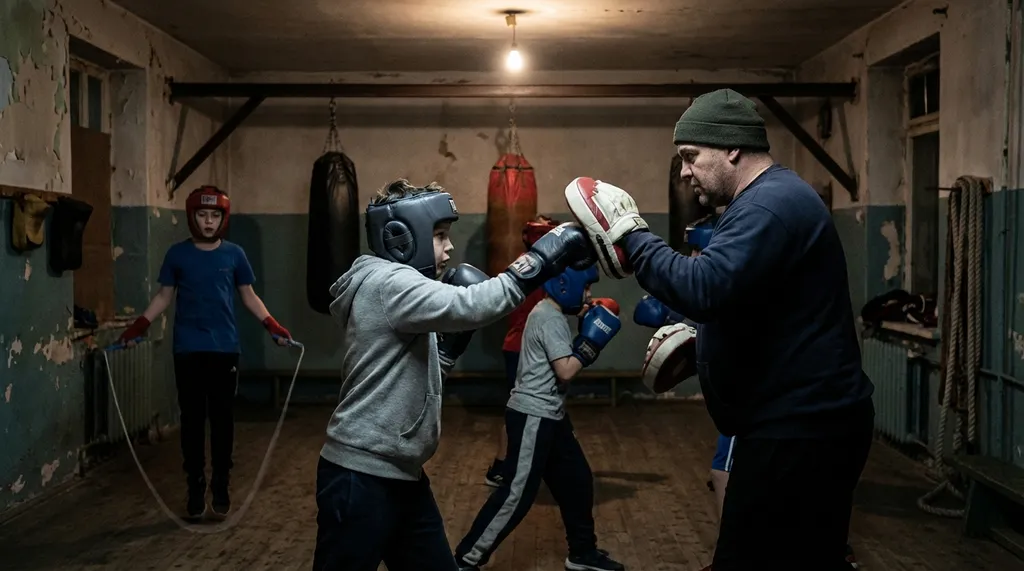
Boxing coaching involves much more direct one-on-one work. A coach holding pads for a child is working specifically with that child, providing immediate individual feedback, noticing their specific strengths and weaknesses.
For shy children who find it difficult to put their hand up in a classroom or speak to an adult in a group setting, the direct coach relationship in boxing provides a low-pressure way to develop a relationship with a trusted adult outside the family.
Several parents have told us that their child's relationship with a boxing coach was the first adult relationship outside school and family that the child had clearly sought and valued. This matters for social development.
Building Confidence Without Performance
The confidence that boxing builds is different from the confidence that succeeding publicly at a team sport builds.
Team sport confidence is often about visibility - being seen to perform well, receiving praise from coaches and teammates in the moment. For shy children, this visibility is the problem, not the solution. A positive moment in front of everyone can feel as overwhelming as a negative one.
Boxing confidence is built in private. You throw better punches today than you did last month. Your footwork has improved. You lasted six rounds instead of four. This is known first to you, then shared quietly with the coach who notices. The confidence is internal before it becomes visible.
Children who develop this kind of private, evidence-based confidence carry it differently. It is less dependent on ongoing external validation because it is grounded in what they know they can do.
What Parents Actually Report
Parents of shy children who started boxing consistently say the same things:
"He would not talk in class. Now he asks the coach to go again on the pads."
"She would never try anything new. Boxing is the first thing she has not quit after three weeks."
"He started talking to other children at the gym. It has spread to school."
"I did not expect boxing to help with her anxiety. It absolutely has."
These are not exceptional cases. They are the consistent pattern.
What to Expect in the First Few Sessions
For a shy child, the first session will feel overwhelming regardless of how well the club is run. New environment, new people, new physical demands. This is normal and not a sign the sport is wrong for them.
The test is sessions three and four. By then, the environment is familiar, the faces are recognisable, and the work is beginning to click. If the child is still coming back by session four, they have found something.
Do not pressure a shy child about how they are feeling after the first session. Ask factual questions - what did you do? what was hard? - rather than asking them to evaluate their social experience.
At Honour and Glory, our coaches understand that the quietest children often need the most time to settle and often end up the most committed. Come in for a trial and let your child go at their own pace.
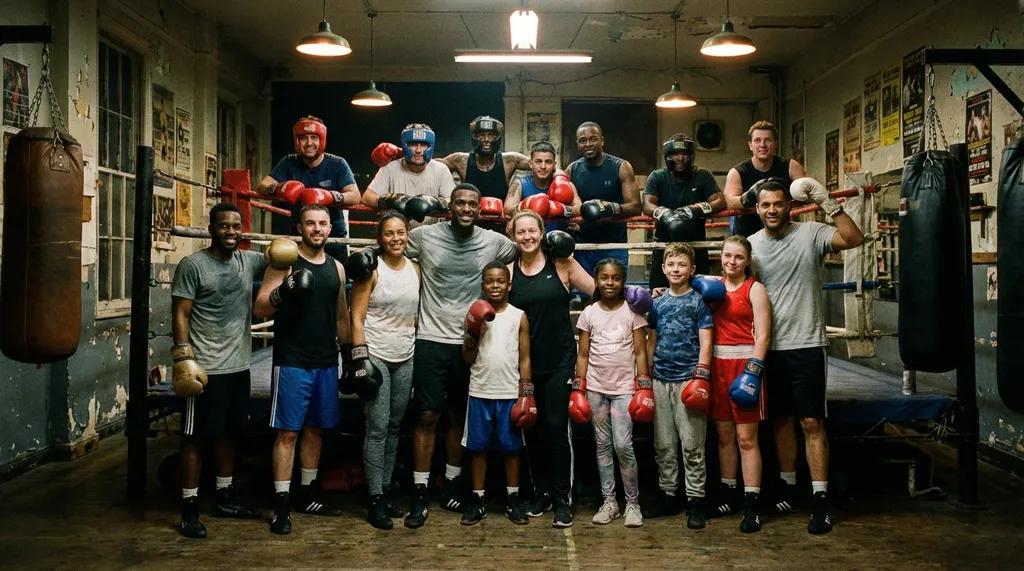
Claim a free trial session at Honour and Glory Boxing Club.
Parent route at Honour and Glory
For most children aged 7-16, the right first step is Junior Recreational boxing: structured, coach-led training with no pressure to compete. If your child may need a gentler first step or extra reassurance, use our parents guide to kids boxing before booking.
If your child already wants boxing and you just want to see how they respond, book a free Junior Recreational trial.
H&G Team
Writer at Honour & Glory Boxing Club, a community boxing gym in Kidbrooke, South East London.
KEEP READING
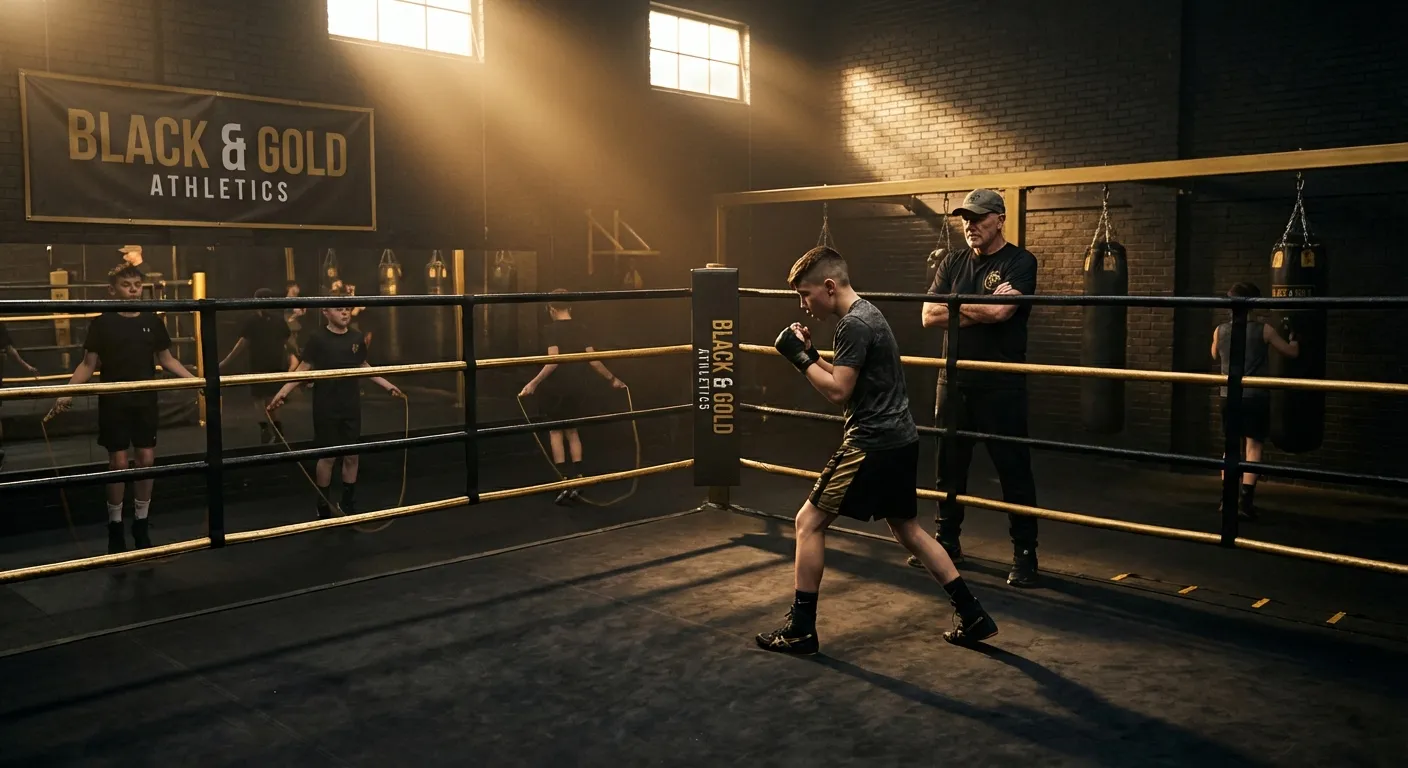
Boxing for Children Who Hate Team Sports
Not every child thrives in team sports. Boxing offers elite-level physical and personal development without the social demands that make team environments difficult for many children.
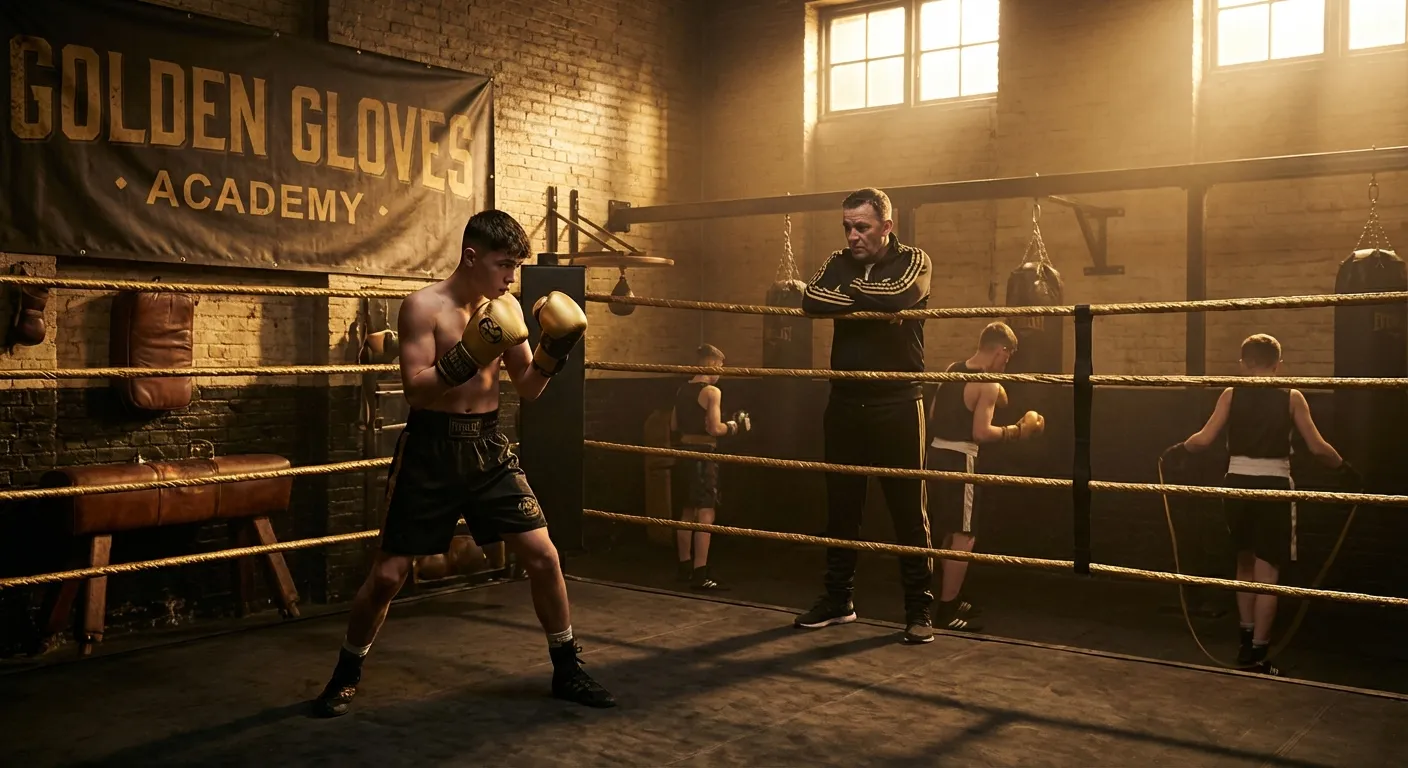
What Actually Happens in a Children's Boxing Class
Parents wondering what goes on inside a children's boxing class can stop wondering. Here is a detailed, session-by-session account of what actually happens over the first few months.
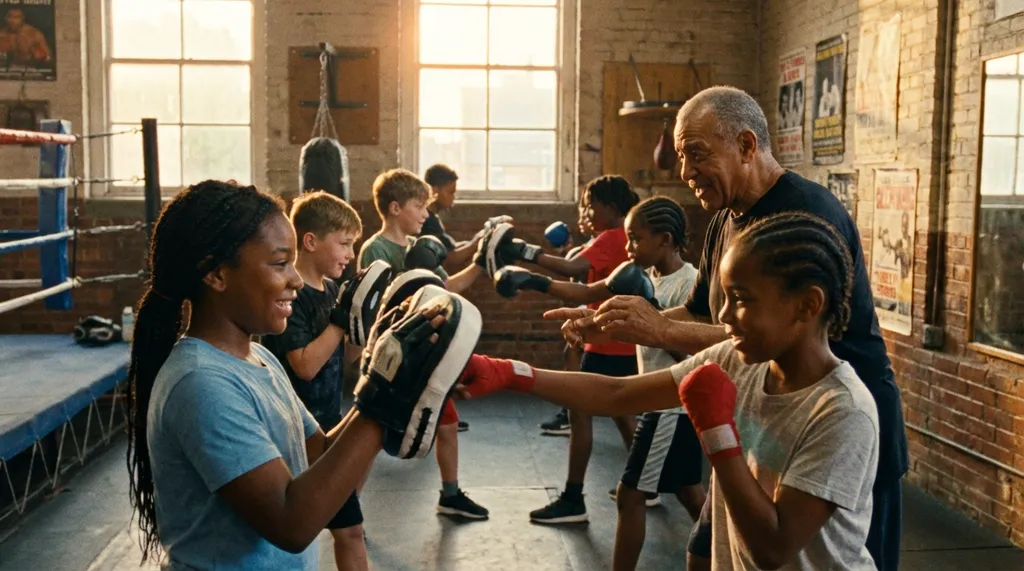
Boxing for Children Who Need Structure
How coached boxing can give children clear rules, physical focus and a positive place to practise discipline, without pretending to replace school, family or clinical support.
Was this page helpful?
It takes one tap, and it genuinely helps.
Choose your next step
Turn this article into the right action
Some readers are ready to book. Some need the class route first. Pick the route that matches what you actually want.