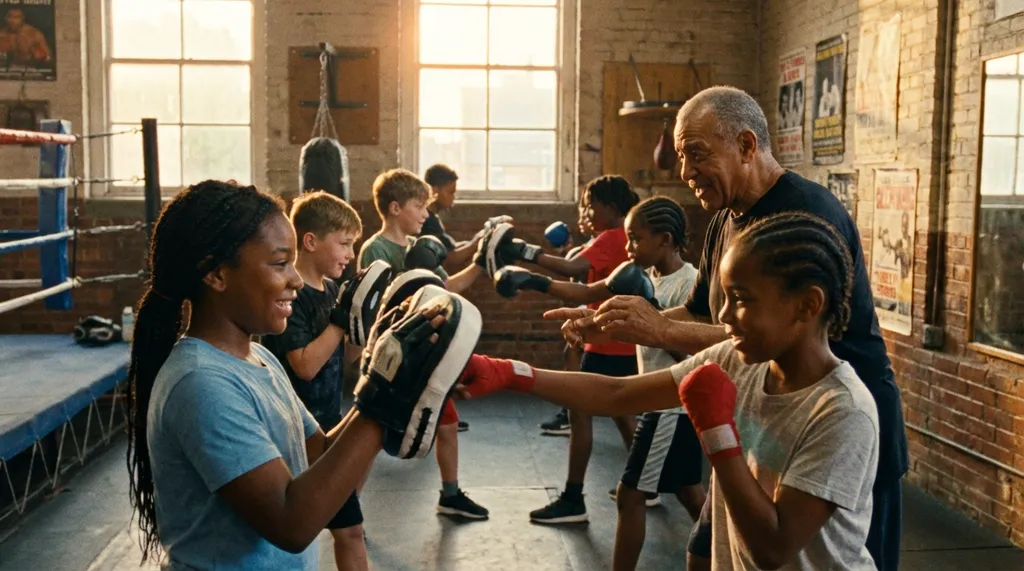
Some children need more structure than a normal after-school activity gives them. They may be full of energy, easily frustrated, quick to push back, or struggling to settle in team sports.
If you are the parent of one of those children, boxing can be worth considering. Not as therapy. Not as a shortcut. As a clear, coach-led environment where the rules are simple and the child has something physical to focus on.
This article explains where boxing can help, and where its limits are.
What research can safely tell us
There is research suggesting that structured physical activity can support children’s confidence, self-control and wellbeing. The evidence specific to exercise for conduct problems is still limited, though, and should not be treated as a guarantee for any individual child.
The useful lesson for a boxing club is simple: structure matters. Telling a child to "burn off energy" is not the same as putting them in a coached session with clear rules, safe practice, progression and expectations.
Why boxing can help
Boxing gives children a clear frame. Listen to the coach. Keep your guard up. Move your feet. Wait your turn. Control your power. Stop when told.
Those rules are not abstract. They are connected to the sport. Children can feel the difference quickly: follow the instruction and the drill works better; ignore it and the drill falls apart. That makes the coaching concrete rather than nagging.
The respect structure
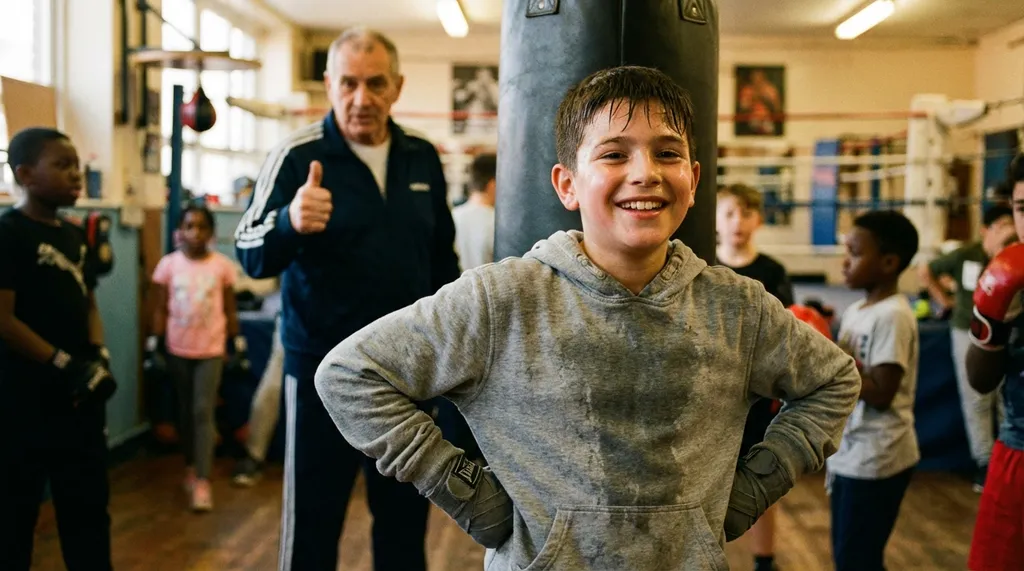
A good boxing gym has clear expectations. Beginners are not judged by how tough they are. They are judged by whether they listen, work safely, show respect and keep trying.
That can be powerful for a child who is used to being corrected more than encouraged. In the gym, they are not defined by a school report or a bad week. They are another young person learning a hard skill, with the same rules as everyone else.
A 2025 study on community boxing programmes found that structured boxing training in community settings was associated with improved emotional control, discipline and prosocial behaviour among young participants. That is useful context, not a promise that boxing will solve every child’s difficulties.
The physical outlet
Some children need a demanding physical session before they can settle. Bag work, pads, movement drills and conditioning give them a way to use energy inside clear boundaries.
The point is not to punish a child with exercise or make them exhausted. The point is to give them a structured hour where effort, control and attention are practised together.
What we do not claim
We are a boxing club. We are not a behavioural therapy service, a CAMHS alternative, or a clinical intervention.
We do not diagnose children. We do not prescribe treatment. If a child has serious behavioural, emotional or mental-health needs, parents should keep working with the school, GP, CAMHS or another qualified professional route.
What we can provide is a structured, supervised, physically demanding environment with coaches who expect children to listen, try, behave safely and treat others with respect.
The Practical Path
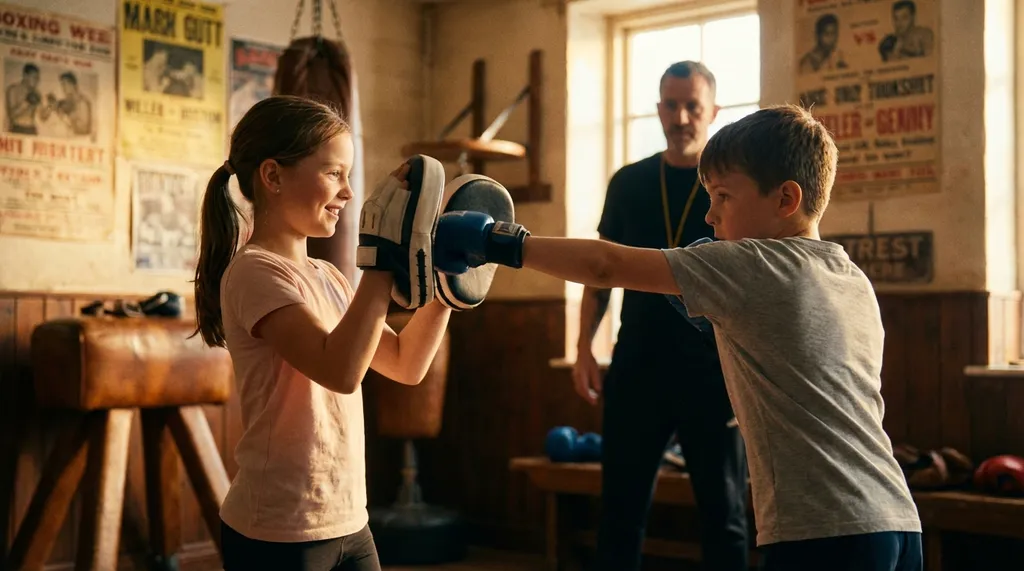
Honour and Glory Boxing Club in Kidbrooke, SE3 welcomes children from age 7. Our coaches are DBS checked, ABA affiliated, and experienced with children from all backgrounds.
- Junior Recreational (ages 7-16): 5-6pm
- Junior Competitive (ages 7-16, for those who want to progress): 6-7:30pm
Sessions cost from £5 per session. No contracts. No monthly direct debit. First session free.
If your child needs more structure and you want to see how they respond, book a free Junior Recreational trial. You do not need to share private details in the booking form. Tell the coach anything important when you arrive.
The boxing gym can give a child a different place to practise effort, listening and control. It will not be the whole answer for every family, but for some children, the structure is exactly what helps them start.
Parent route at Honour and Glory
For most children aged 7-16, the right first step is Junior Recreational boxing: structured, coach-led training with no pressure to compete. If your child may need a gentler first step or extra reassurance, use our parents guide to kids boxing before booking.
If your child already wants boxing and you just want to see how they respond, book a free Junior Recreational trial.
H&G Team
Writer at Honour & Glory Boxing Club, a community boxing gym in Kidbrooke, South East London.
KEEP READING
Can Boxing Support Children's Focus at School?
Some parents say regular training helps their child with routine, listening and confidence. Boxing is not a fix for school or attention difficulties.
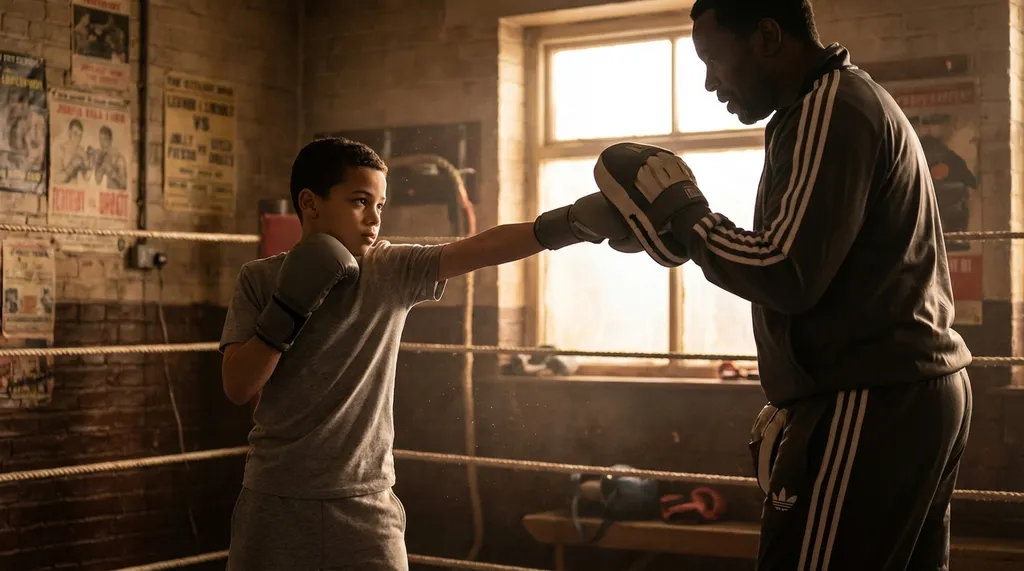
Boxing and Emotional Control for Children
Boxing can give children a structured place to practise control, listening and calm effort. It is not therapy, but good coaching can support useful habits.
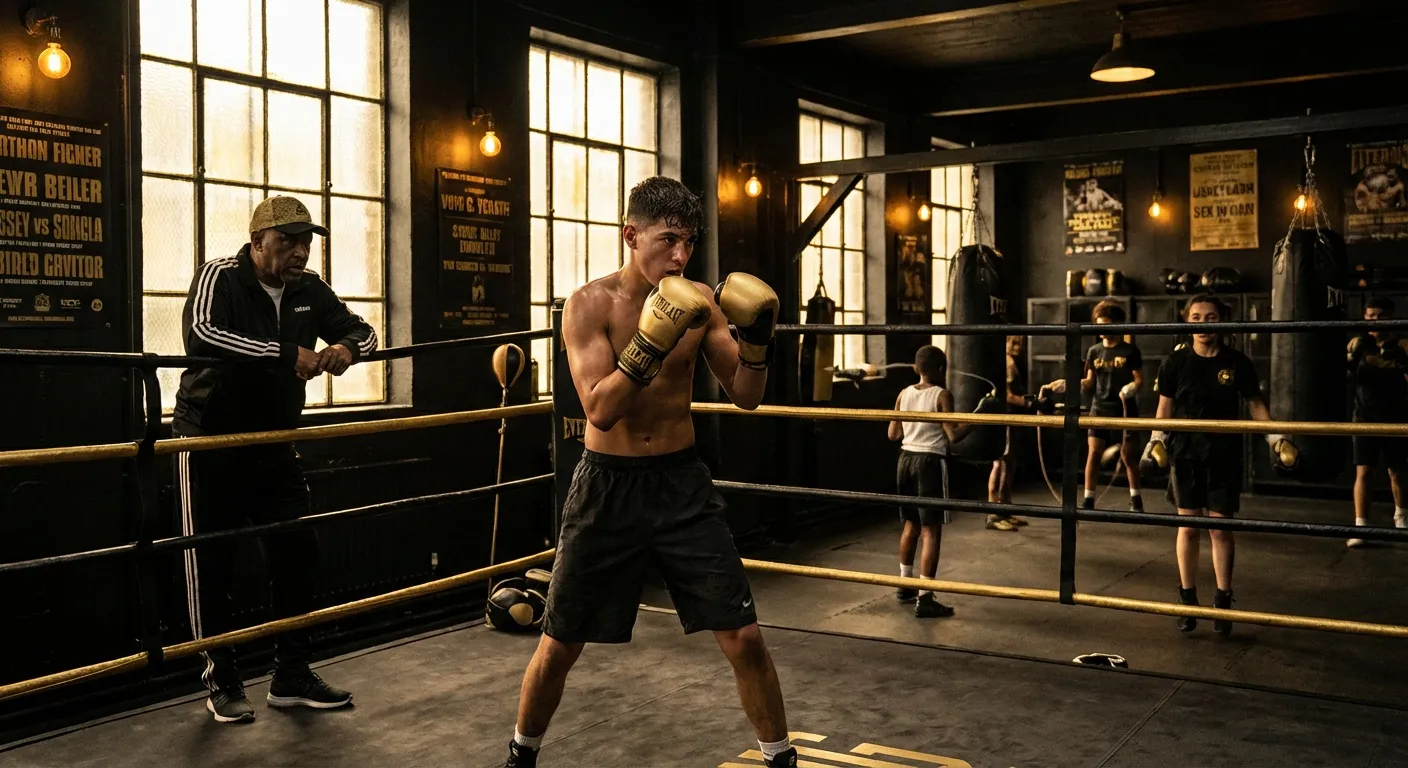
ADHD and Boxing: Structure, Movement and Coaching
Some children with ADHD respond well to structured sport. Boxing can help when the class is calm, coached clearly and paced around the child.
Was this page helpful?
It takes one tap, and it genuinely helps.
Choose your next step
Turn this article into the right action
Some readers are ready to book. Some need the class route first. Pick the route that matches what you actually want.