Boxing as a Family Sport: Parents and Children Training

Sport England's family sport participation data shows that families who exercise together have children with significantly higher lifetime sport participation rates. England Boxing's family membership options include specific provisions for clubs offering family training.
Most sports that children attend are spectator sports for parents. You watch from the sideline, drive to and from the venue, and provide encouragement without participation.
Boxing clubs that offer classes across age groups create a different dynamic. Parents who train alongside their children - not in the same class, but at the same club on the same evenings - report something specific about the experience.
Why It Works Differently
When a parent trains at the same club as their child, the child sees the parent attempting something difficult. Not succeeding at it easily, but attempting it and working at it.
This produces conversations that do not happen when boxing is something the child does and the parent watches. The parent knows what it feels like to try a jab for the first time and not get it right immediately. The child knows the parent understands the experience because the parent is having the same experience.
The mutual vulnerability is equalising. Children who see their parents struggle at something and persist - who see the adults in their life in a situation where ability is not assumed - develop a more realistic understanding of how learning works.
The Practical Structure
Most boxing clubs separate adults and children into different class times. Recreational adults train in the evenings. Children train in earlier evening slots or at specific times.
Some families find a rhythm where the child trains at 5pm and the parent arrives at 7pm. Drop-off and collection replaced by concurrent training at the same venue. The parent uses the time they would have spent waiting.
Others train on different days but within the same club, developing parallel relationships with coaches and other members.
What Children Notice
Children who train at a club where parents are also members notice specific things:
Their club is something adults choose to do, not just something children are sent to. The activity has genuine value rather than being managed youth provision.
The adults around them - their parents, other adult members - take it seriously. This raises the perceived value of what the child is doing.
The coaches interact with adults and children using the same respect-based framework. The relationship is consistent regardless of age.
What Parents Notice
Parents who begin boxing when their child does almost universally report that their understanding of what their child is going through develops rapidly. The early technical awkwardness, the physical tiredness after sessions, the pride in small improvements - these are directly comprehensible rather than observed from outside.
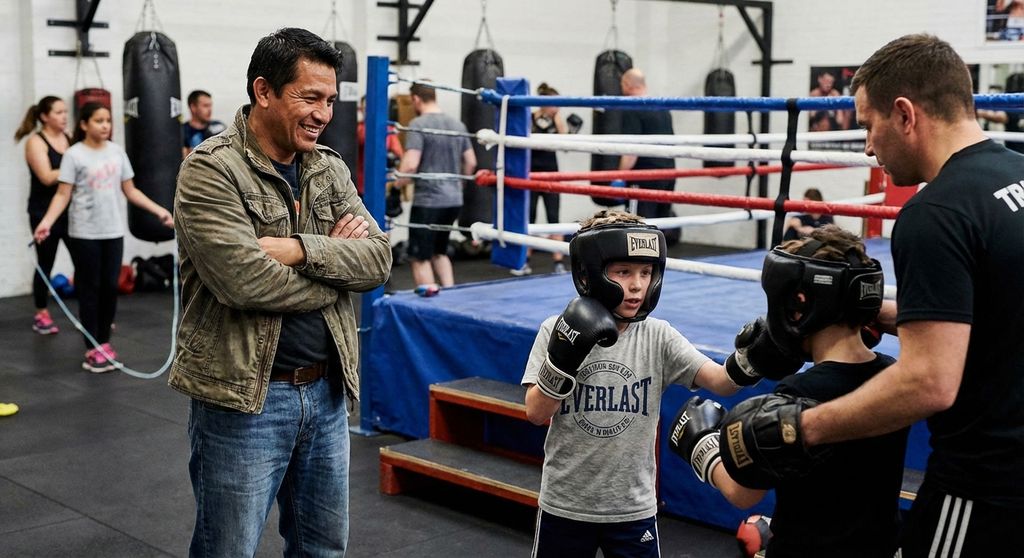

At Honour and Glory, both adult and junior classes run across the week. The Junior Recreational, Junior Recreational, and Adult Recreational classes create a structure where families can train at the same club.
H&G Team
Writer at Honour & Glory Boxing Club, a community boxing gym in Kidbrooke, South East London.
KEEP READING

Can Children Start Boxing at 5? What Parents Should Know
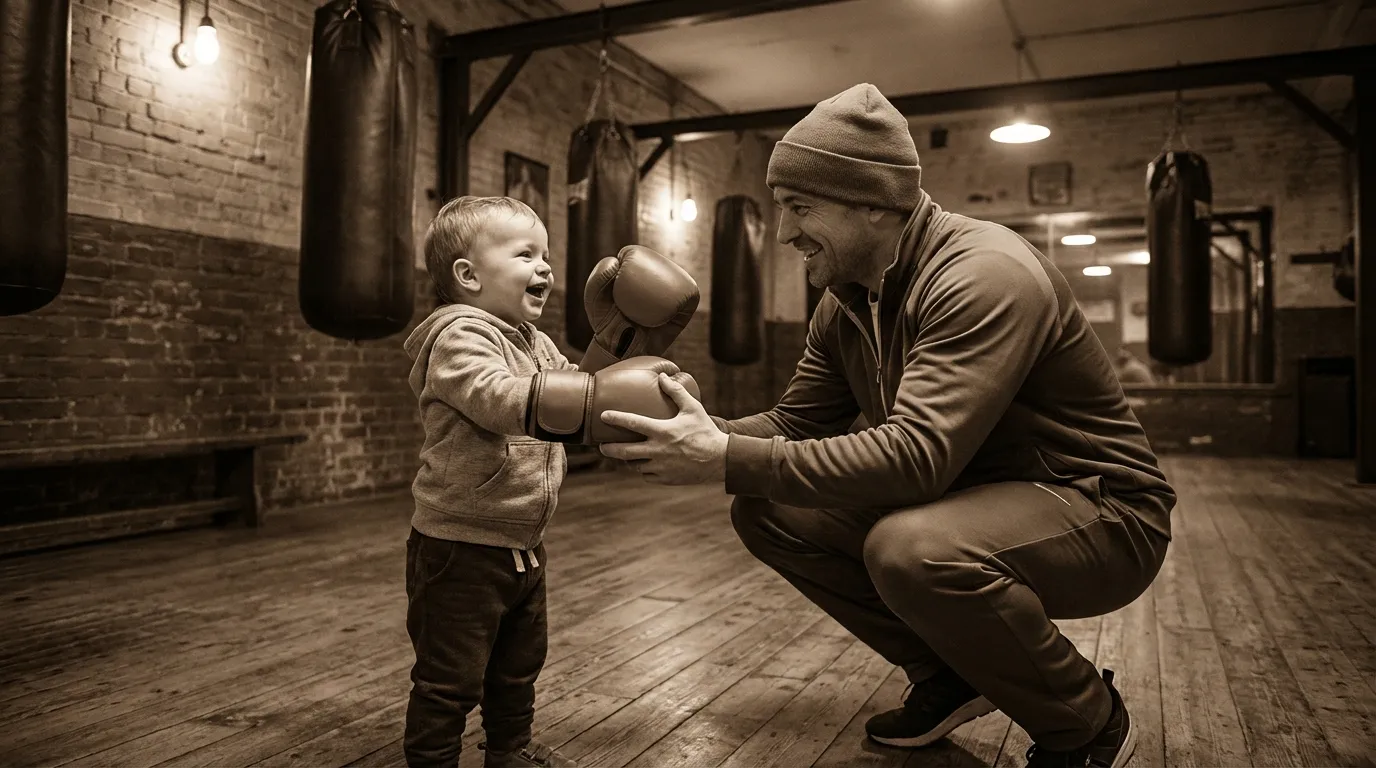
If you are looking for boxing for a 5 year old, the key thing to know is that Honour and Glory now starts from age 7. Here is why.
What Age Can My Child Start Boxing?
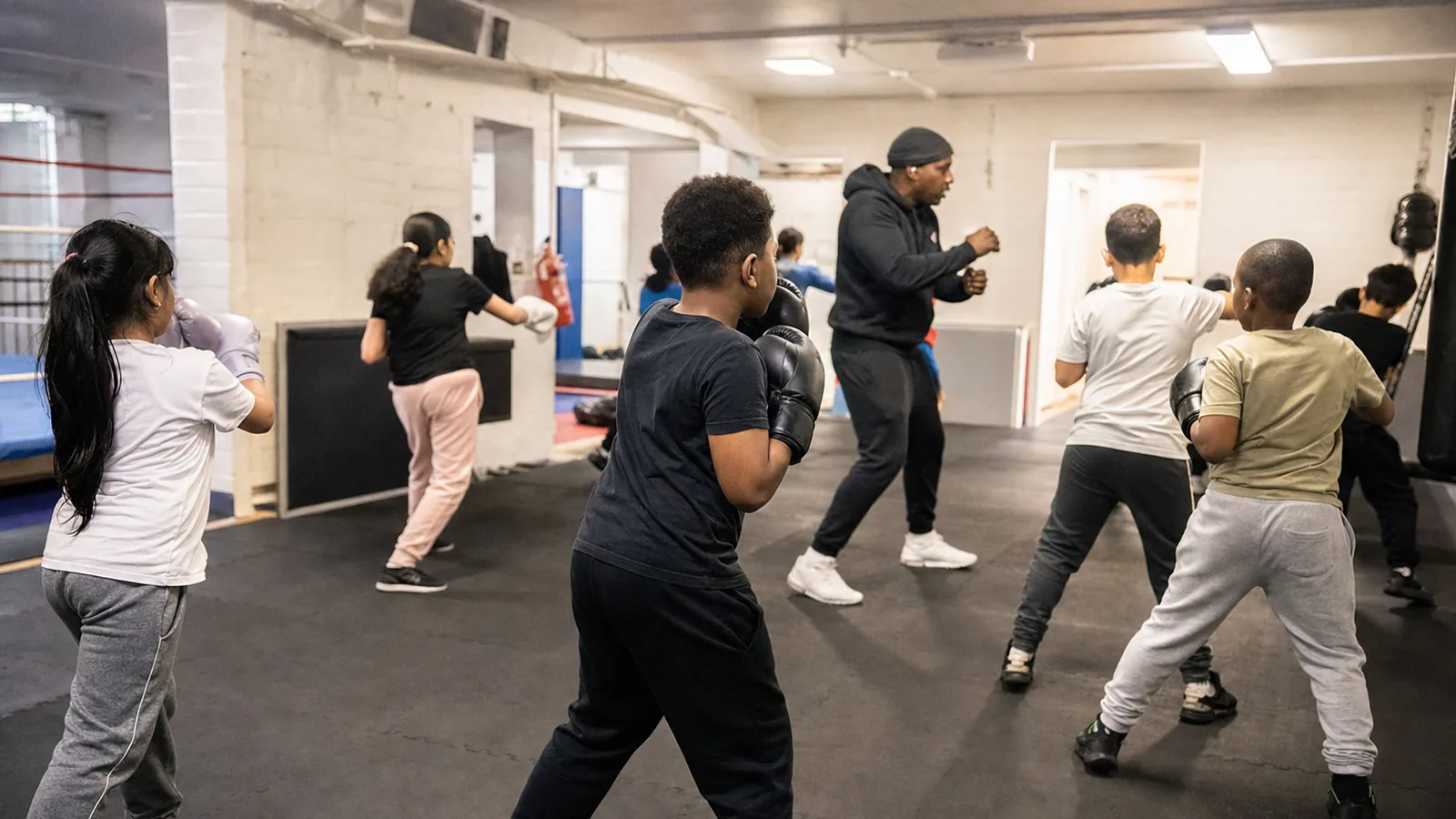
Honour and Glory group junior classes start from age 7. Here is how to judge age, readiness, safety, and the right first class.
Best Kids Activities in Bromley
From football to gymnastics, Bromley has plenty of kids activities - but boxing is the one most parents overlook. Here is why that is a mistake.
Was this page helpful?
It takes one tap, and it genuinely helps.
Choose your next step
Turn this article into the right action
Some readers are ready to book. Some need the class route first. Pick the route that matches what you actually want.