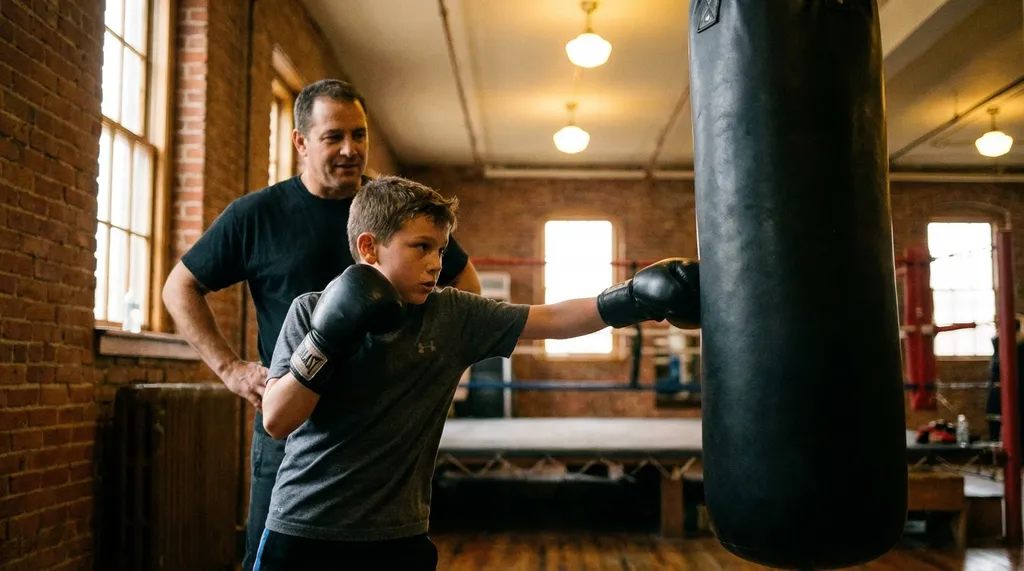
Some children struggle with anger, frustration or impulse control. Not ordinary, age-appropriate frustration, but the kind that escalates quickly and leaves everyone exhausted afterwards.
Parents often look for something practical. They may have tried talking it through, consequences, reward charts, school meetings or referrals. Boxing sometimes comes up because it looks like a physical outlet.
That is only part of the story. A good junior boxing class is not about letting children take anger out on a bag. It is about teaching control under effort.
Boxing is structure, not chaos
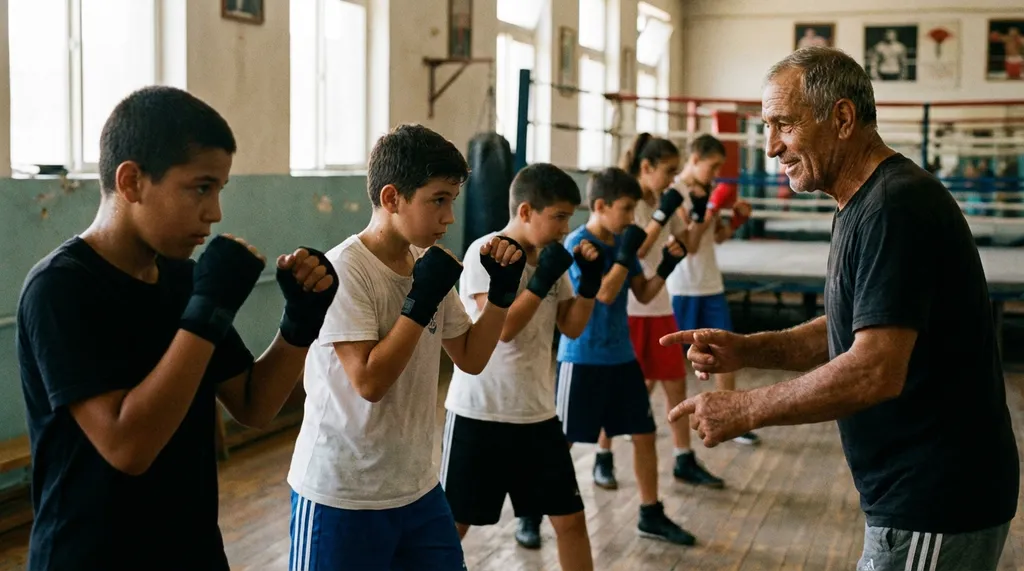
A properly run children's boxing session has rules from the first minute. Children line up, listen, warm up, practise skills, wait their turn, follow combinations and respond to coaching.
That structure matters. Children who find anger hard to manage often also struggle when situations feel unpredictable. Boxing gives them a clear routine and immediate feedback.
If they rush, they lose balance. If they swing wildly, the technique falls apart. If they ignore instructions, the drill does not work. The lesson is physical and practical: controlled effort works better than uncontrolled effort.
It is not therapy
Boxing is not therapy. It is not a behavioural intervention. Coaches should not diagnose, treat or promise to fix anger, anxiety, ADHD, autism, ODD or conduct problems.
If behaviour is affecting school, home life, safety or relationships, parents should seek appropriate professional support through school, the GP, CAMHS or another qualified route.
What boxing can provide is a safe, coach-led physical environment where children practise discipline, attention, patience and effort alongside other young people.
Why physical activity can help
There is good evidence that structured physical activity can support executive function in children and young people. Executive function includes attention, planning, inhibition and self-control.
A study in the European Journal of Investigation in Health, Psychology and Education found that physical activity can improve executive function in young people with ADHD. That does not mean boxing is a cure for behaviour problems. It does suggest that regular, structured movement can support some of the mental skills involved in self-control.
Boxing is useful because it combines physical effort with rules, sequence and attention. A child is not just running around. They are learning stance, guard, footwork, balance, combinations and timing.
Controlled intensity is the lesson
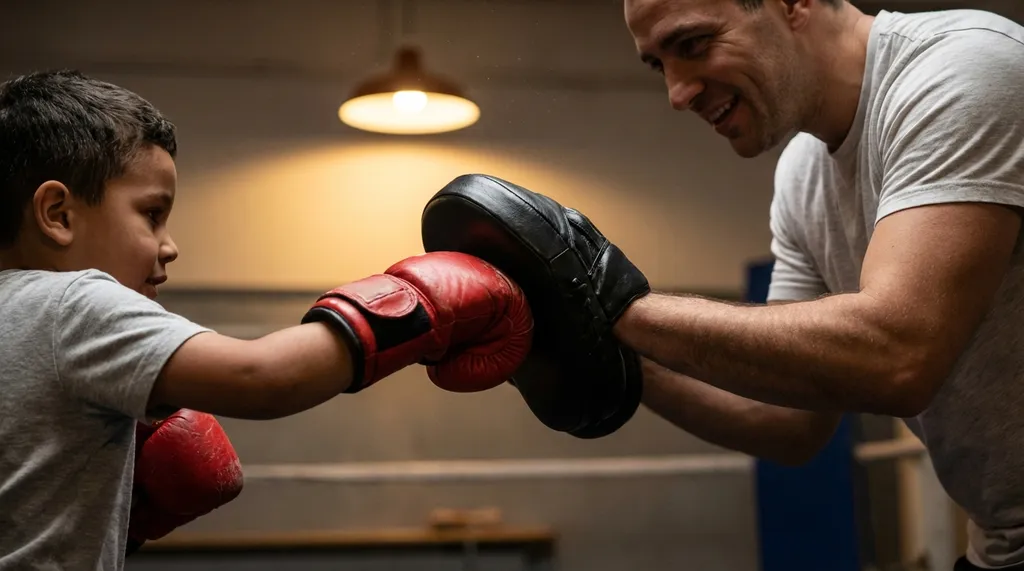
Boxing can look aggressive from the outside, but good coaching teaches the opposite of losing control.
A child who gets angry and throws everything at once quickly learns that it does not work. They get tired, miss the target, drop their guard and lose shape. The coach brings them back to stance, breathing, rhythm and technique.
That is why the culture around the class matters. The message should not be "hit harder because you are angry". It should be "stay calm enough to do the skill properly".
For many children, that is more useful than another adult lecture about calming down. They feel the difference between rushing and controlling themselves.
What a junior boxing class should look like
For beginners, a junior boxing class should be structured and safe. At Honour and Glory, children in Junior Recreational boxing work on:
- warm-up games and movement drills
- footwork and balance
- basic punching technique
- pad work with coaches
- bag work with set combinations
- bodyweight fitness
- stretching and cool-down
Beginners do not need to spar. In fact, most children are better served by learning movement, confidence and coordination first.
The best early route is simple: learn to listen, move properly, hit pads safely, work hard, recover and come back next week.
For children who are anxious, shy or easily frustrated
Not every child who needs help with control looks angry. Some are shy, anxious, avoid team sports or become frustrated because they feel behind everyone else.
Boxing can work well for these children because progress is personal. They do not have to be picked for a team. They do not have to score goals. They can improve one skill at a time.
A child who starts nervous can leave knowing they learned a stance, remembered a combination or finished a round on the bag. That kind of small win matters.
For neurodivergent children
Some children with ADHD, autism or sensory processing differences enjoy boxing because it is physical, direct and predictable. The bag, pads and drills give clear feedback. The class has boundaries. The coach sets the rhythm.
That does not mean boxing suits every child. Some children need a quieter first step, a smaller group or a conversation with the coach before joining. If your child is easily overwhelmed, speak to the club before booking so the first session can be handled sensibly.
What parents should look for
If you are choosing a boxing class for a child who struggles with anger or control, look for the basics:
- clear rules
- DBS-checked coaches
- proper warm-ups
- no pressure to spar
- age-appropriate coaching
- calm discipline, not shouting for the sake of it
- a route for beginners
- coaches who are honest about what boxing can and cannot do
Avoid any class that sells aggression as the answer. The point is not to make an angry child more intense. The point is to teach effort, patience and self-control.
The route at Honour and Glory
Honour and Glory Boxing Club in Kidbrooke runs Junior Recreational boxing for ages 7-16. It is the right first step for most children who are new to boxing.
The class is coach-led, structured and beginner-friendly. Children work on fitness, bags, pads, footwork and technique. There is no pressure to compete.
If your child finds team sports difficult, lacks confidence, gets frustrated easily or needs a more structured activity, read our parents guide to kids boxing before booking.
If your child already wants boxing and you want to see how they respond, book a free Junior Recreational trial.
First session is free. No contracts. No pressure. Just a chance to see whether the structure of boxing feels like a good fit for your child.
H&G Team
Writer at Honour & Glory Boxing Club, a community boxing gym in Kidbrooke, South East London.
KEEP READING
Boxing and Emotional Control for Children
Boxing can give children a structured place to practise control, listening and calm effort. It is not therapy, but good coaching can support useful habits.
What Age Can My Child Start Boxing?
Honour and Glory group junior classes start from age 7. Here is how to judge age, readiness, safety, and the right first class.
What a Good Junior Boxing Club Feels Like
Parents usually know when a room feels right for their child. Here is what a good junior boxing club should actually feel like in practice.
Was this page helpful?
It takes one tap, and it genuinely helps.
Choose your next step
Turn this article into the right action
Some readers are ready to book. Some need the class route first. Pick the route that matches what you actually want.