Boots Ennis beard row: why tiny rules matter before big fights
A beard complaint sounds ridiculous until you remember what fight week is really about.
By the time Jaron “Boots” Ennis and Xander Zayas reached the scales in New York, the hard work had already been done. Camps were over. Weight had to be made. Cameras were everywhere. Each team was looking for calm, confidence and any small advantage that could tilt the mood before the first bell.
Then came the beard.
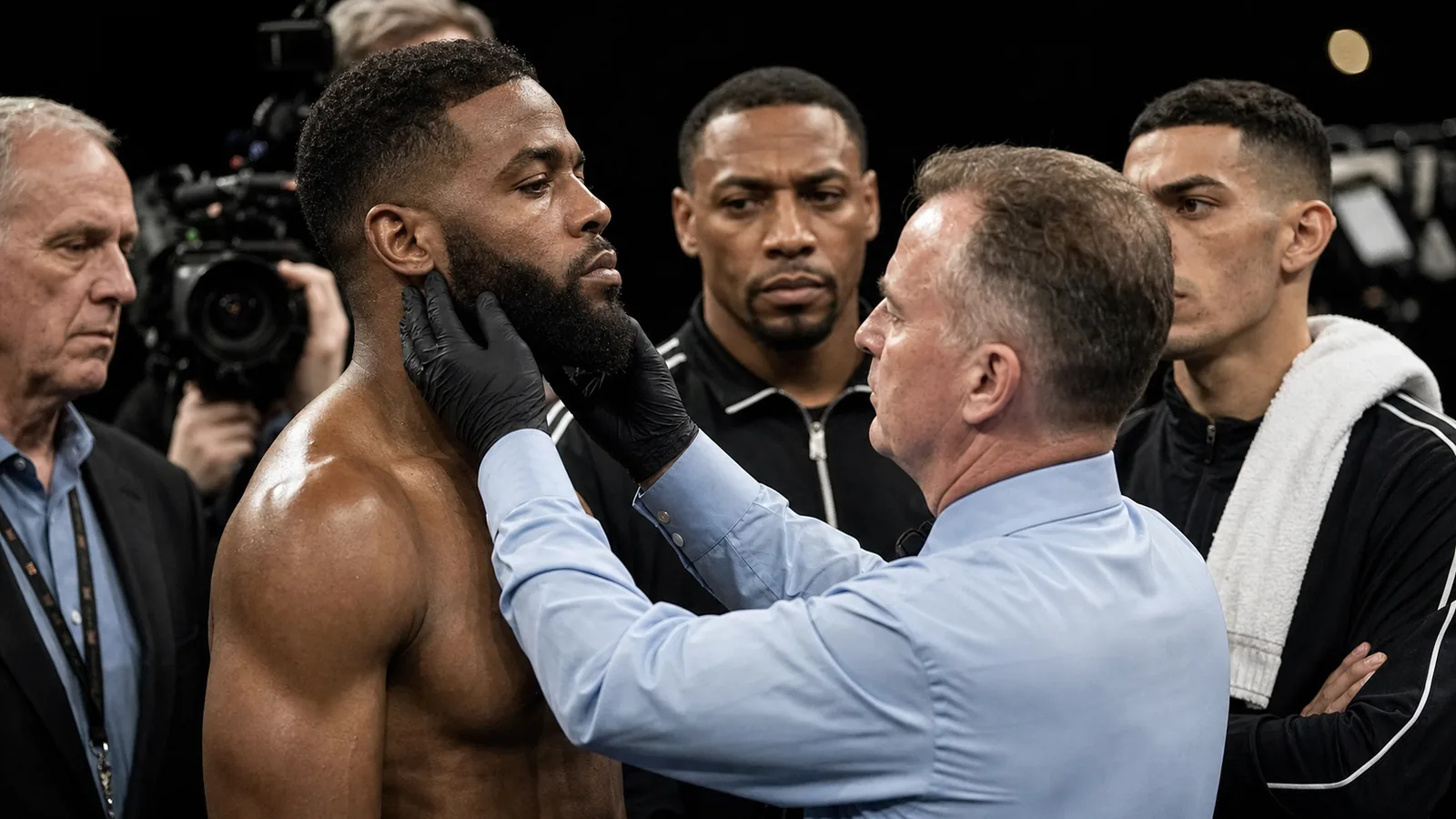
The main fight-week clip, titled “THE BEARD IS A MAJOR PROBLEM”, caught the exact kind of boxing argument that casual viewers laugh at and serious corners understand immediately.
According to Boxing247’s report on Ennis being ordered to trim his beard, Xander Zayas’ team raised concerns about the length of Ennis’ beard before their junior-middleweight title fight. The New York State Athletic Commission then stepped in and ruled that Ennis had to trim it before entering the ring. Boxing News 24 reported the same sequence: request from Team Zayas, initial refusal from Ennis, commission decision, small trim required.
On the surface, that is a tiny story. In boxing terms, it is not tiny at all.
The beard was not the fight, but it was part of the fight
Nobody sensible thinks a beard wins or loses a world title by itself. Ennis did not suddenly become less dangerous because a commission wanted a trim. Zayas did not become a better boxer because his team complained.
But appearance checks exist for a reason. Boxing is a sport where tiny bits of equipment, skin, tape, hair, sweat and clothing can affect contact. Gloves are inspected. Wraps are watched. Groin guards are checked. Vaseline is controlled. Corners argue over tape, hand position, shorts, rehydration terms and walkout timing because the details sit right next to safety and fairness.
That is why the Bad Left Hook report, which described Ennis being forced to trim the beard, got to the right point: this kind of thing is not especially unusual. Some commissions are stricter than others. Some teams press the issue. Some fighters shrug it off. Others treat it like a provocation.
The smart response is not outrage. The smart response is composure.
If you are Ennis, the job is to make the trim boring. Smile, comply, move on. Do not give the other corner a free look at irritation. Do not let a beard become the first round.
If you are Zayas, the job is to let your team handle the detail while you stay cold. Raise the issue, get the ruling, leave the opponent to decide whether he wants to waste energy on it.
That is proper fight-week work.
Weigh-ins are inspections, not only theatre
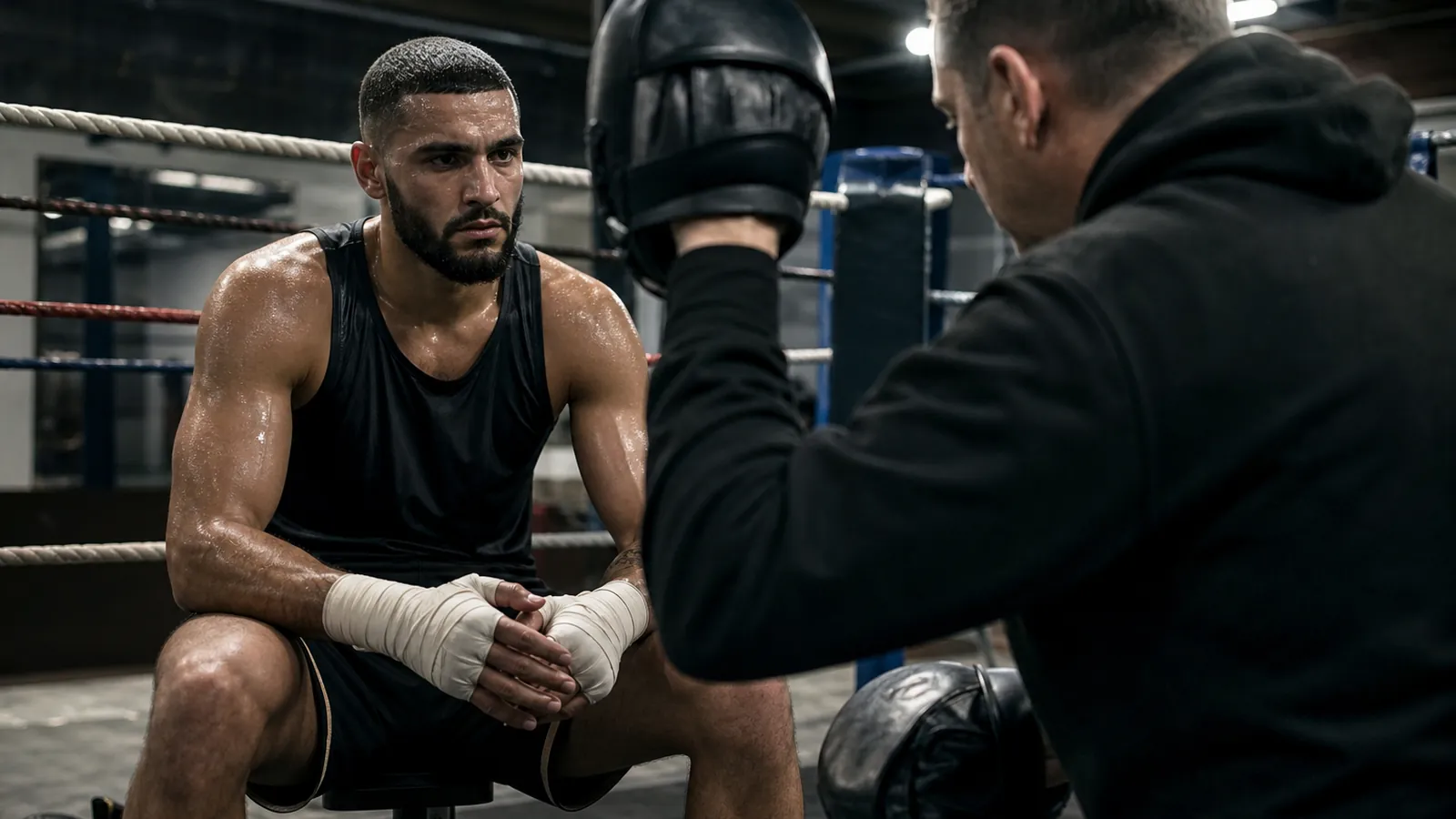
The public loves the stare-down. Fighters shirtless on a stage. Security between them. Cameras pushing in. A few final words. The crowd reading body language like tea leaves.
But the official weigh-in is not just theatre. It is an inspection point.
BoxingScene reported that both fighters made weight, with Ennis at 153lbs and Zayas at 153.9lbs for the 154lbs limit. Top Rank’s event page listed the bout as Zayas defending his WBO and WBA world junior-middleweight titles against Ennis in Brooklyn, live on DAZN PPV. That context matters. This was not a four-round learning fight where everyone is still working out the basics. This was a major title night with unbeaten fighters, sanctioning bodies, promoters, broadcasters and officials all circling the same small space.
The beard row sat inside that environment. So did the scales. So did the face-off. So did the final words.
The full weigh-in and face-off footage, the weigh-in livestream, DAZN’s report on the big-fight weigh-in taking over New York City, and the Prime Video listing for the live weigh-in all point to the same thing: modern fight week is filmed, packaged and judged before the opening bell. The boxer is not only being checked by officials. He is being checked by the public.
That is hard if you are not trained for it.
Rule details are pressure tests
A good corner knows when to complain. A great corner knows when not to get emotionally involved in its own complaint.
That distinction matters. If Team Zayas genuinely believed the beard was outside what should be allowed, they were right to raise it. If they also knew it might annoy Ennis, even better. Boxing is full of legal pressure. You ask the referee to watch holding. You ask about tape. You point out elbows. You make the other side answer questions.
The danger comes when the complaint becomes your performance.
A fighter who gets too interested in small battles can lose the bigger one. You can win the argument over a beard and still lose the first exchange because your mind is full of theatre. You can refuse a trim, feel proud for five minutes, then realise you have spent emotional energy on something that will not help you slip a jab.
That is why composure is not a soft skill in boxing. It is technical.
When a boxer is calm, he hears instructions. He notices timing. He accepts decisions he cannot change. He stays available to his coach. When a boxer is rattled, everything becomes personal. The referee is against him. The crowd is too loud. The opponent is disrespectful. The gloves feel wrong. The small rule detail becomes an excuse before the fight has even started.
The best fighters do not need a perfect room. They need a working routine.
Zayas vs Ennis already had enough tension
This beard row did not arrive in a quiet match-up. Zayas and Ennis already had a loaded story.
Zayas was the young champion, unbeaten, defending titles at 154lbs and carrying Puerto Rican expectation. Ennis was the unbeaten challenger, the bigger name to many fans, moving into junior-middleweight with a reputation for switch-hitting danger and serious finishing power. Fights Around The World’s “Keeping It A Buck” preview treated it as a major styles and status fight, not a routine defence. Boxing News 24 also covered Eddie Hearn’s claim that Top Rank never wanted Ennis against Zayas, which added another promotional layer to the week.
Even the more tabloid coverage, such as The Sun’s report on the challenger being ordered to shave his beard, showed how quickly a minor commission ruling can become the headline.
That is the modern boxing machine. A small rule check becomes drama. Drama becomes content. Content becomes pressure. Pressure follows the fighter back to the hotel.
The mature boxer lets it pass through him.
If you want the wider build-up rather than only the beard row, read our Zayas vs Boots pressure preview and the Zayas vs Ennis press conference lessons. Both pieces point to the same thing: fight week punishes boxers who waste energy on the wrong battle.
What club boxers should learn from it
At Honour and Glory in Kidbrooke, our world is not a Brooklyn title arena. Most people walking into our Recreational Adults boxing classes are not dealing with title belts, DAZN cameras or commission rulings. If you are local, our Kidbrooke boxing gym page explains how nearby beginners usually get to us. But the lesson transfers.
Small rules matter because they train discipline.
Turn up on time. Wrap your hands properly. Bring your gum shield. Listen when the coach tells you to take jewellery off. Keep your nails short. Tie your laces. Do not argue over every correction. If you are sparring, understand that safety checks are not insults. They are part of the sport.
That applies to adults and to younger boxers aged 7+ learning the culture early. Boxing is not only punching. It is learning how to behave when someone tells you something you did not want to hear.
A boxer who cannot handle a gum shield reminder will not handle a hard round well. A boxer who gets embarrassed by a coach checking their stance will struggle when an opponent exposes it. A boxer who treats every rule as personal disrespect is already giving away control.
The best amateurs learn this quickly. The best professionals never forget it.
The face-off is a mirror
Fight-week footage is useful because it shows what boxers look like before they have punches to hide behind.
You can watch the shoulders. You can watch the breathing. You can watch whether the smile is natural or forced. You can watch how a fighter reacts when an official interrupts the script. The face-off does not decide the fight, but it can reveal who is spending energy wisely.
That is why the beard issue interested me more than most pre-fight noise. It was not about facial hair. It was about interruption.
Can Ennis accept an official ruling without letting it become a grievance? Can Zayas let his team win a small procedural point without acting as if that is the victory? Can both men make weight, stand under the lights, absorb the questions and still keep their boxing brain switched on?
That is the real test.
Reddit discussion around the match-up was busy, from threads on the first fight-week face-off to debates about whether Ennis would get credit for beating Zayas and broader fight-card chatter on Boots Ennis vs Xander Zayas. There were also threads on Zayas picking holes in Ennis, the title bout being set, reaction inside the boxing community and the full card discussion. That level of attention is exactly why composure matters. Everyone has a read. Only the fighters have to answer it under lights.
The boring answer is usually the professional one
There is a temptation to make every fight-week issue dramatic. The beard row was funny, slightly petty and useful television. It also had a very boring professional answer.
Trim it. Make weight. Smile if you want. Say it changes nothing. Go back to the room. Eat, rehydrate, rest, listen to your coach and fight.
That is not glamorous, but boxing is full of unglamorous winning habits.
The beard did not throw a punch. The complaint did not score a round. The ruling did not decide who could control range, handle pressure or adjust after the first clean shot. But the way each side handled the moment told us something about preparation.
Big fights are often sold with huge words: legacy, greatness, destiny. Inside the camp, they are usually protected by smaller things: rules, routines, checks, patience, timing, manners, discipline.
That is the lesson for every boxer watching from a gym floor in South East London. The small details are not separate from the fight. They are where the fight starts.
If you want to learn the sport in a gym that treats the small details properly, book a free trial session at Honour and Glory Boxing Club.
H&G Team
Writer at Honour & Glory Boxing Club, a community boxing gym in Kidbrooke, South East London.
KEEP READING
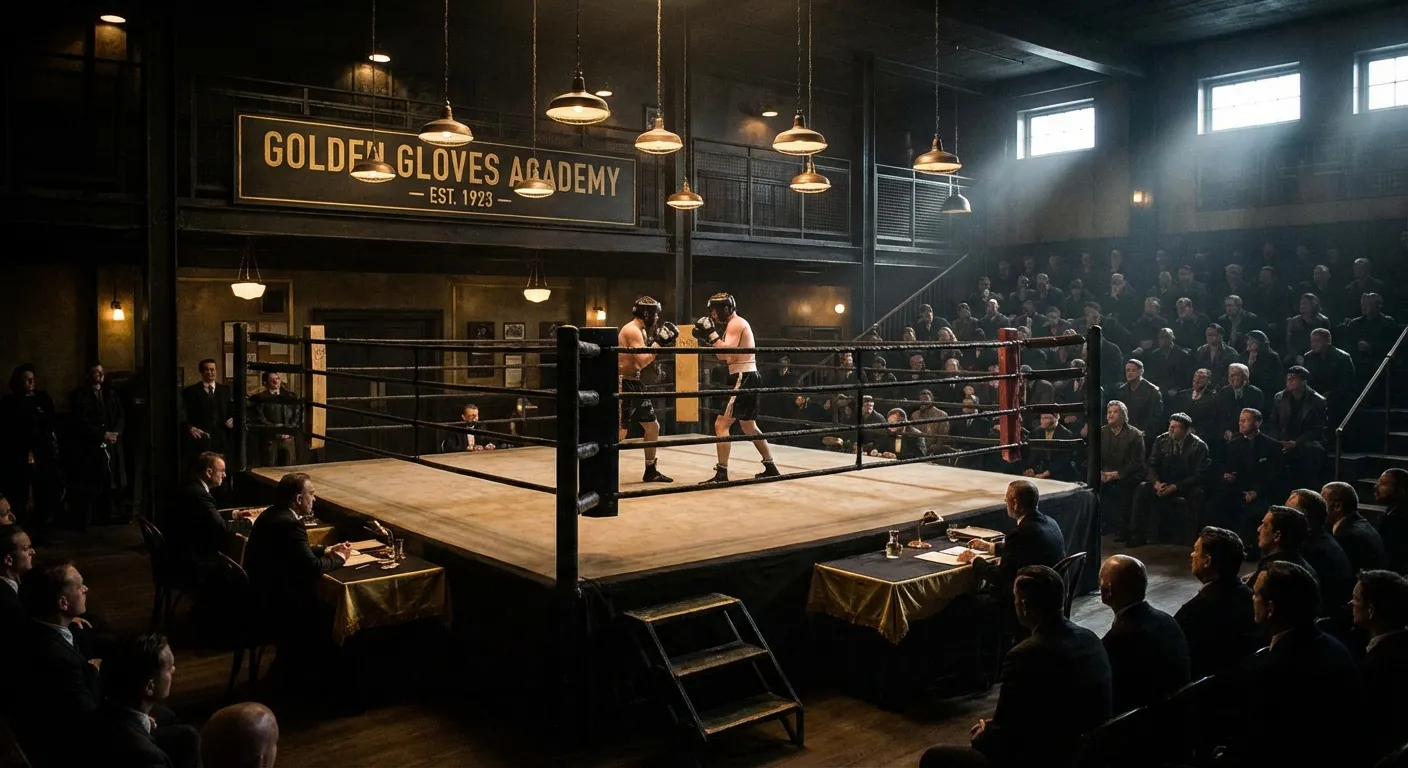
Amateur Boxing Competition Day: What to Expect
Your first amateur boxing competition will feel unlike any training session. Here is exactly what happens, step by step, so nothing catches you off guard.
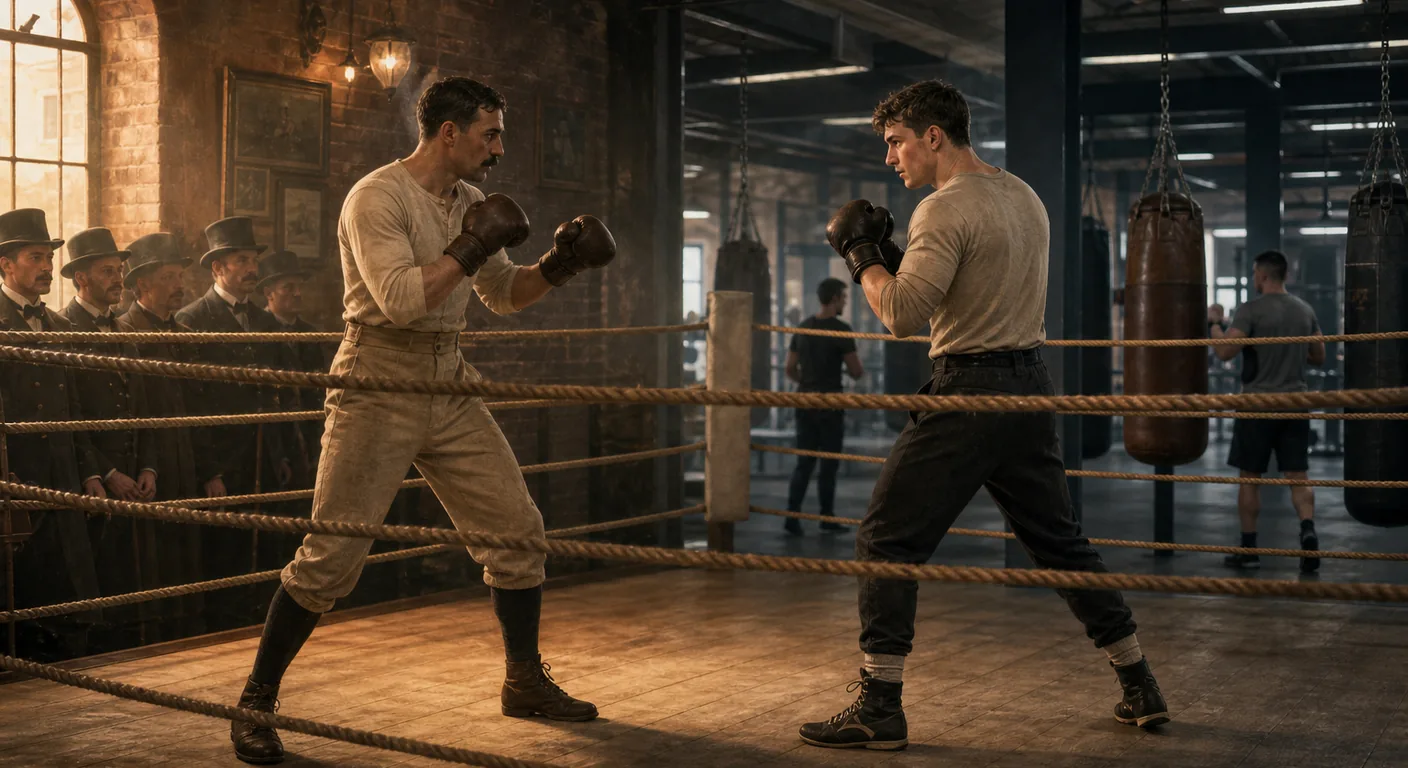
What Are the Queensberry Rules in Boxing?
The Queensberry Rules gave boxing gloves, timed rounds, the ten-count and a cleaner shape. They did not make boxing safe, but they made modern boxing possible.
Amateur Boxing Rules Explained Simply
Amateur boxing rules are simpler than professional rules but contain enough detail that understanding them before your first bout makes the experience far less confusing.
Was this page helpful?
It takes one tap, and it genuinely helps.
Choose your next step
Turn this article into the right action
Some readers are ready to book. Some need the class route first. Pick the route that matches what you actually want.