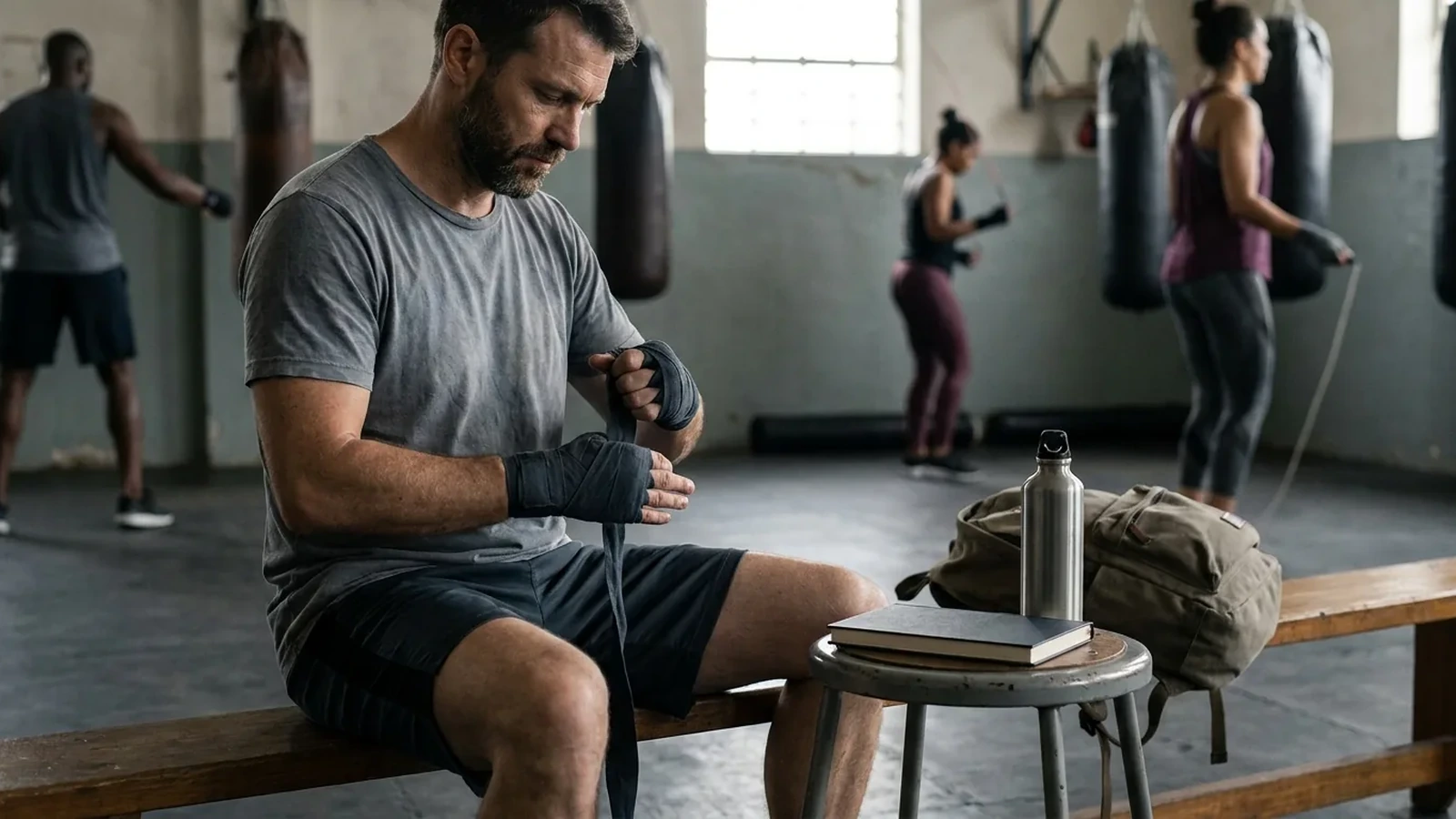
Best exercise for social workers, therapists and counsellors? Boxing is a strong answer because these jobs can leave people carrying pressure that is not always visible.
The work can involve listening, risk, safeguarding, grief, anger, trauma, paperwork, meetings, referrals, waiting lists, difficult family dynamics and conversations where the stakes are high. Some days are desk-heavy. Some days are emotionally heavy. Often, they are both.
The body may be still. The attention is not.
Boxing works because it gives helping professionals a safe physical reset: movement, breathing, boundaries, focus and a way to leave some of the day in the gym.
Helping work has a particular kind of load
Social workers, therapists and counsellors do not just process tasks. They process people.
A normal day can mean listening carefully, making notes, holding boundaries, assessing risk, managing distress, absorbing anger, coordinating services, writing records and moving from one difficult conversation to the next without much space between them.
That can create a very specific kind of tiredness. You may not have lifted anything heavy, but your shoulders still feel tight. You may have sat down for most of the day, but your nervous system has been busy.
Research has looked at burnout and self-care among social workers and the relationship between stress, burnout and mental wellbeing in social workers. Therapists and counsellors face their own version of this, with research discussing burnout and compassion fatigue among counsellors.
The physical side matters as well. Case notes, remote sessions, laptop work and long sitting can load the neck, shoulders, back and hips. Boxing helps because it breaks that pattern. You stand, move, rotate, punch, breathe and recover. The body gets a different job.
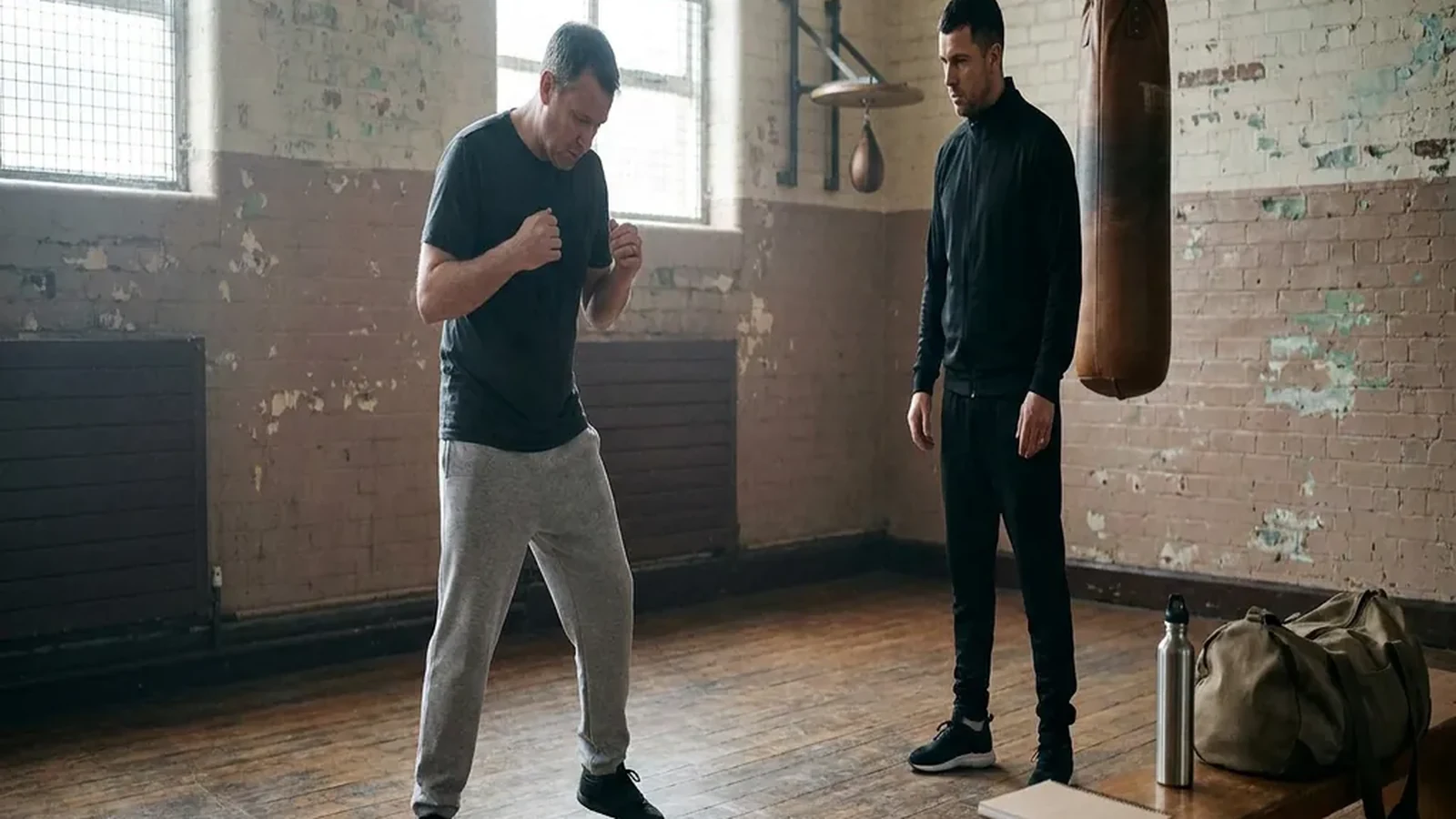
Boxing gives emotional pressure somewhere safe to go
Helping work asks people to stay steady for others.
A client is distressed. A family is angry. A session runs deep. A safeguarding concern follows you home. A case note needs finishing. A referral is delayed. Someone tells you something hard, then the next appointment starts.
Boxing gives that pressure a safe physical outlet. You listen, move, hit pads, breathe hard and reset. The work is direct, but contained. You are not taking anything out on anyone. You are training under a coach, with rules, rhythm and control.
That distinction matters. Good boxing is not about aggression. It is about composure under pressure.
For social workers, therapists and counsellors, that can feel useful because the job often asks for calm without giving the body a way to discharge tension.
If stress relief is the main reason you are looking, boxing for stress relief is the obvious next read.
It supports boundaries after difficult conversations
Boundary-setting is part of the work, but it is not always easy in the body.
You can know, logically, that a case is not yours to fix alone. You can understand supervision, process and professional limits. Still, the body may keep replaying a conversation, worrying about a client or bracing for the next message.
A boxing session gives the day a boundary that is hard to ignore. You cannot do padwork while half-writing a case note. You cannot check messages during footwork. You cannot carry a whole caseload into a round if you want to breathe properly.
That boundary is part of the value.
The NHS says being active can help people switch off from worries and support mental wellbeing (NHS mental wellbeing and activity advice). Boxing adds coaching and skill, which helps the session feel like practice rather than another self-care chore.
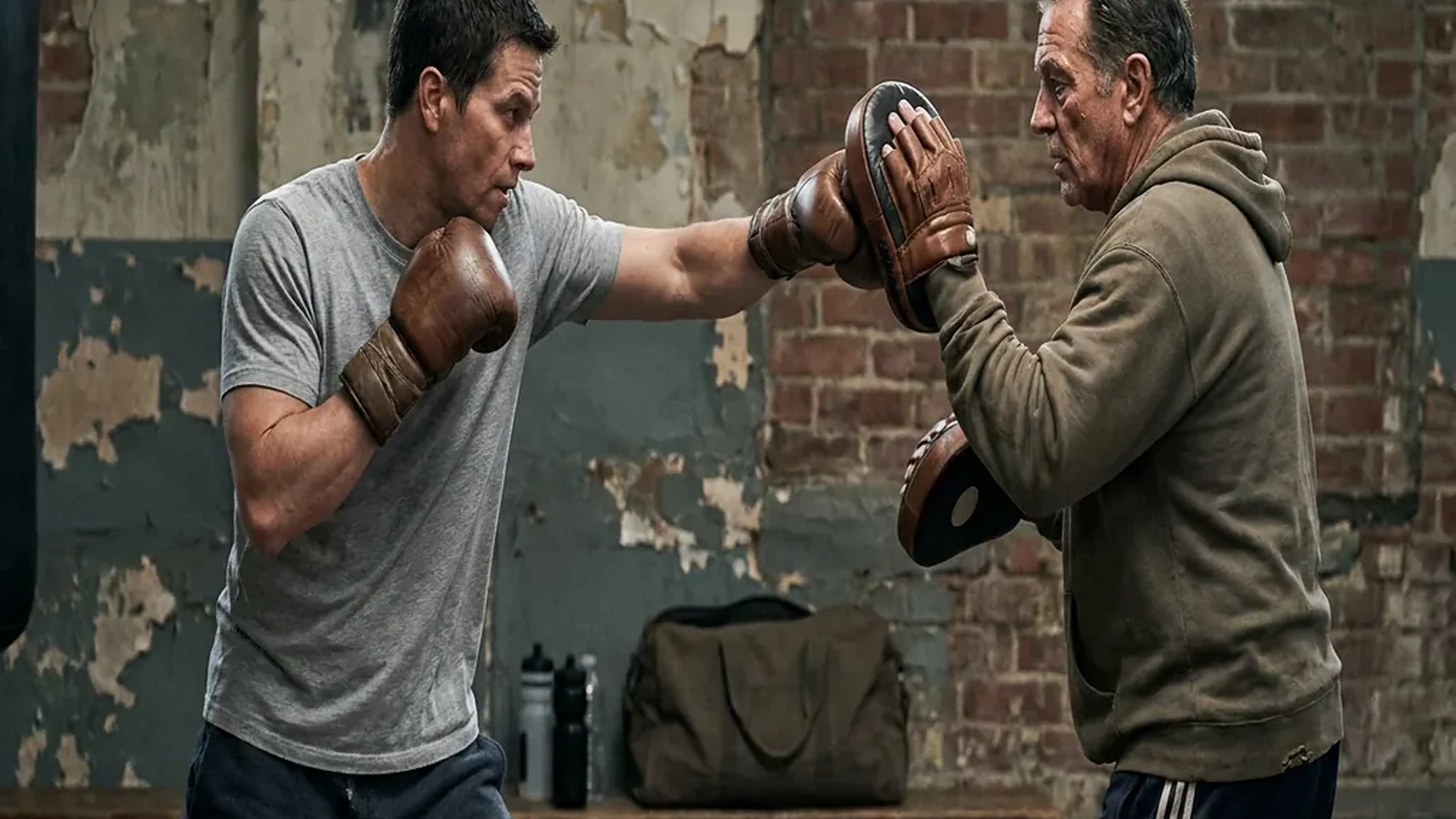
Boxing builds confidence without hardening people
Helping professionals need confidence, but not harshness.
You need to ask direct questions. You need to say no when needed. You need to hold boundaries. You need to stay grounded when someone is upset, angry or scared. You need to keep your own shape without becoming cold.
Boxing builds a physical version of that confidence. You learn to stand properly, keep your guard up, breathe when tired and reset after mistakes. You learn that panic wastes energy and that tension makes you slower.
That does not make people less caring. Done well, it makes people steadier.
A good boxing club should not turn the session into a performance of toughness. It should teach control, patience, rhythm and respect. That is why coached recreational boxing is a better fit than walking into a random hard-sparring environment.
It is better than another vague self-care plan
Most social workers, therapists and counsellors already know self-care matters.
The problem is not usually awareness. The problem is having the time, energy and structure to do something that actually changes how the body feels.
A vague plan to go to the gym can become one more task. Choose the exercises. Decide the order. Track the weights. Find motivation after a heavy day. Try to relax while still thinking about the people you saw.
Boxing removes much of that decision load.
You turn up. The coach runs the session. You warm up, learn, hit bags, work pads, move your feet and finish. You still have to put the effort in, but you do not have to design the whole thing yourself.
If you are comparing it with a normal gym membership, boxing vs gym: why people switch explains why structured sessions keep many adults more consistent.
Boxing fixes the wrong kind of tired
Helping work can leave people tired in the wrong way.
The eyes are tired. The jaw is tight. The shoulders are up. The brain is full of stories, risks, notes and unfinished threads. The body has been still for too long, but the idea of training can feel like another demand.
Boxing works because it feels different from the job.
It uses the legs, hips, trunk, shoulders, hands, eyes and lungs. It asks for rhythm, timing, balance and attention. You get tired in a cleaner way: not because the day has drained you, but because you moved, learned and worked.
The NHS advises adults to aim for at least 150 minutes of moderate activity each week or 75 minutes of vigorous activity, plus strengthening work on two days (NHS adult activity guidelines). Boxing can help cover both because it mixes conditioning, coordination and strength under fatigue.
What kind of boxing should helping professionals start with?
Start with coached recreational boxing.
You do not need sparring on day one. You do not need to be fit first. You do not need expensive kit or a fighting mindset. You need a class where adults can learn stance, footwork, punching mechanics, bag work, pad work and conditioning at a sensible pace.
Our Adult Recreational boxing classes are built for adults who want proper boxing training without needing previous experience.
If you work or live around Greenwich, Kidbrooke, Blackheath, Woolwich or nearby parts of south east London, the club is practical for after-work training, shift patterns, remote-session days or evenings when the last note is finally done.
Bring normal gym kit, water and patience. If your neck, back, wrist or shoulder is already painful, get that checked properly. Boxing should build you up, not become another thing you force through.
The honest answer
Boxing will not fix impossible caseloads, weak supervision, unsafe workplaces, poor sleep, emotional overload or a system that asks helping professionals to absorb too much.
It will not replace proper support, clinical supervision, rest, workload boundaries or time away from screens and cases.
But as exercise, it fits social workers, therapists and counsellors well. It gives the body the movement the job does not. It gives pressure somewhere safe to go. It builds calm confidence and gives the working day a clearer stop.
For helping professionals, that is not vanity. It is maintenance.
How to start if you do this job
For most social workers, the best first step is a normal coached group class, not a complicated programme. Start with Adult Recreational boxing or the broader adult beginner boxing guide if you want to understand what happens first.
If your rota, clients or working hours make set classes hard, use boxing personal training or private boxing lessons as the paid route. The free trial is for scheduled group classes.
Book a free trial session at Honour and Glory Boxing Club.
More job-specific boxing guides
If this article fits your work pattern, the full boxing for workers guide links the rest of the job-specific series, including desk workers, shift workers, trades, carers, drivers, teachers and busy professionals.
H&G Team
Writer at Honour & Glory Boxing Club, a community boxing gym in Kidbrooke, South East London.
KEEP READING
Boxing Fitness for Hospitality Workers: When It Fits
Boxing can be a useful training option for hospitality workers when you want coached movement, conditioning and a clear break from work. It is not the only answer, but it can fit well.
Boxing Fitness for Care Workers: When It Fits
Boxing can be a useful training option for care workers when you want coached movement, conditioning and a clear break from work. It is not the only answer, but it can fit well.
Social Prescribing and Boxing: What It Means
Social prescribing allows GPs to refer patients to non-clinical community activities. Boxing clubs are increasingly part of this network. Here is what it means and how to access it.
Was this page helpful?
It takes one tap, and it genuinely helps.
Choose your next step
Turn this article into the right action
Some readers are ready to book. Some need the class route first. Pick the route that matches what you actually want.