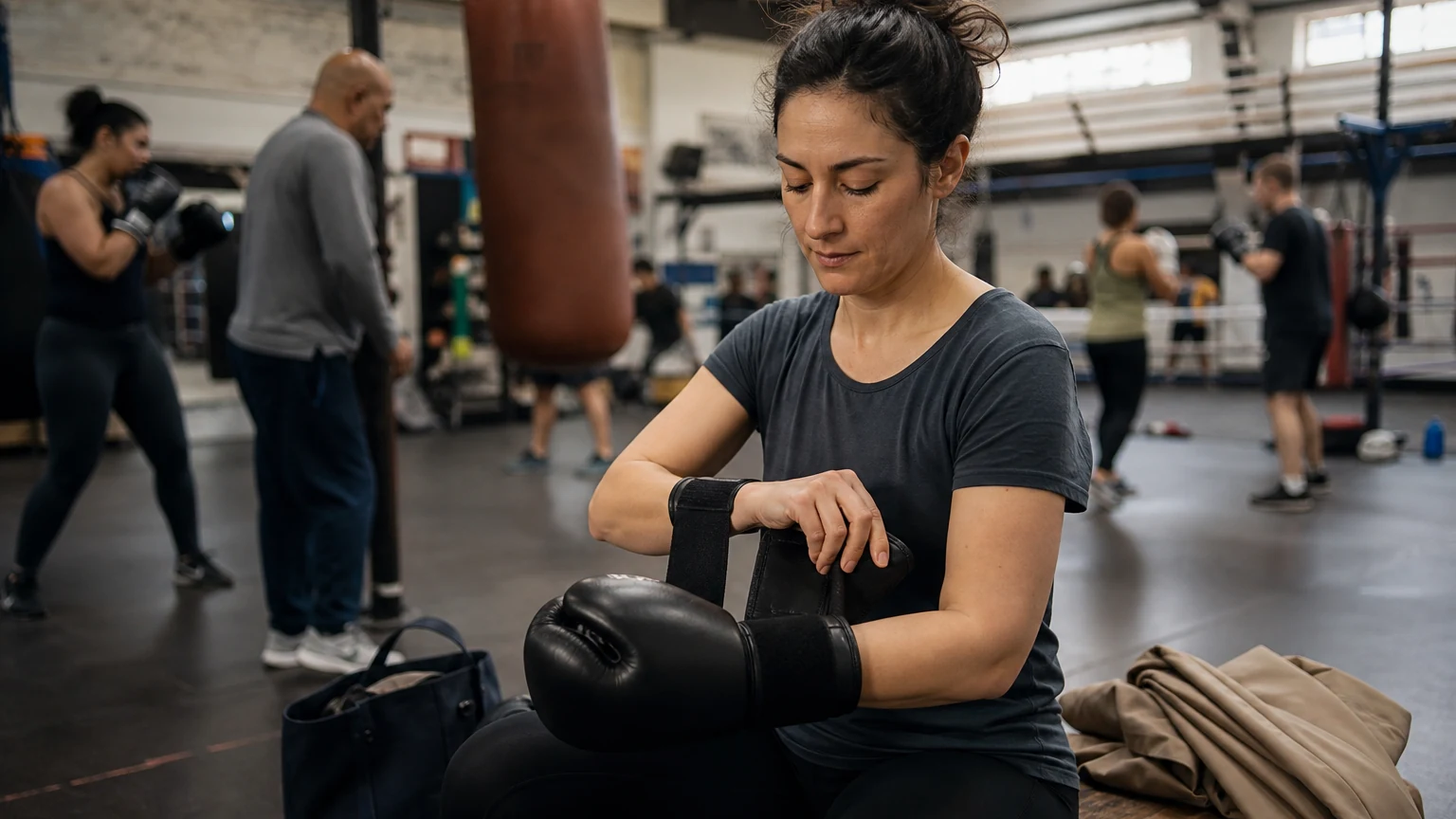
Best exercise for pharmacists and pharmacy workers? Boxing is a strong answer because it gives your body and head something completely different from the shift.
Pharmacy work can look calm from the outside. Anyone who has worked behind the counter knows it is not that simple.
You are standing for hours. You are checking details that matter. You are dealing with prescriptions, stock, phone calls, queues, questions, interruptions and people who may already be stressed, ill or impatient. The job can be physically static and mentally busy at the same time.
Boxing helps because it breaks that pattern. You move. You rotate. You breathe. You focus on one clear task at a time. For pharmacists and pharmacy workers who spend the day trying not to make mistakes, that can feel like a proper reset.
Pharmacy work is hard on the body in a quiet way
A pharmacy shift is not usually dramatic exercise.
It is more like low-grade strain repeated for hours: standing, reaching, leaning, checking, turning, carrying small loads and holding tension through the back, neck, shoulders and legs. You can finish work tired without having trained the body well.
Research on prolonged standing at work links it with musculoskeletal symptoms, including lower back and lower limb discomfort (prolonged standing review). Pharmacists are not the only people affected by this, but pharmacy work is a good example of how standing still can be tiring without being strengthening.
That matters because the body needs movement variety. Standing all day is not the same as being fit.
Boxing gives that variety quickly. Footwork gets the legs moving. Punching mechanics use the hips and trunk. Bag rounds and pad work ask the shoulders to move properly, rather than staying tense around the neck.
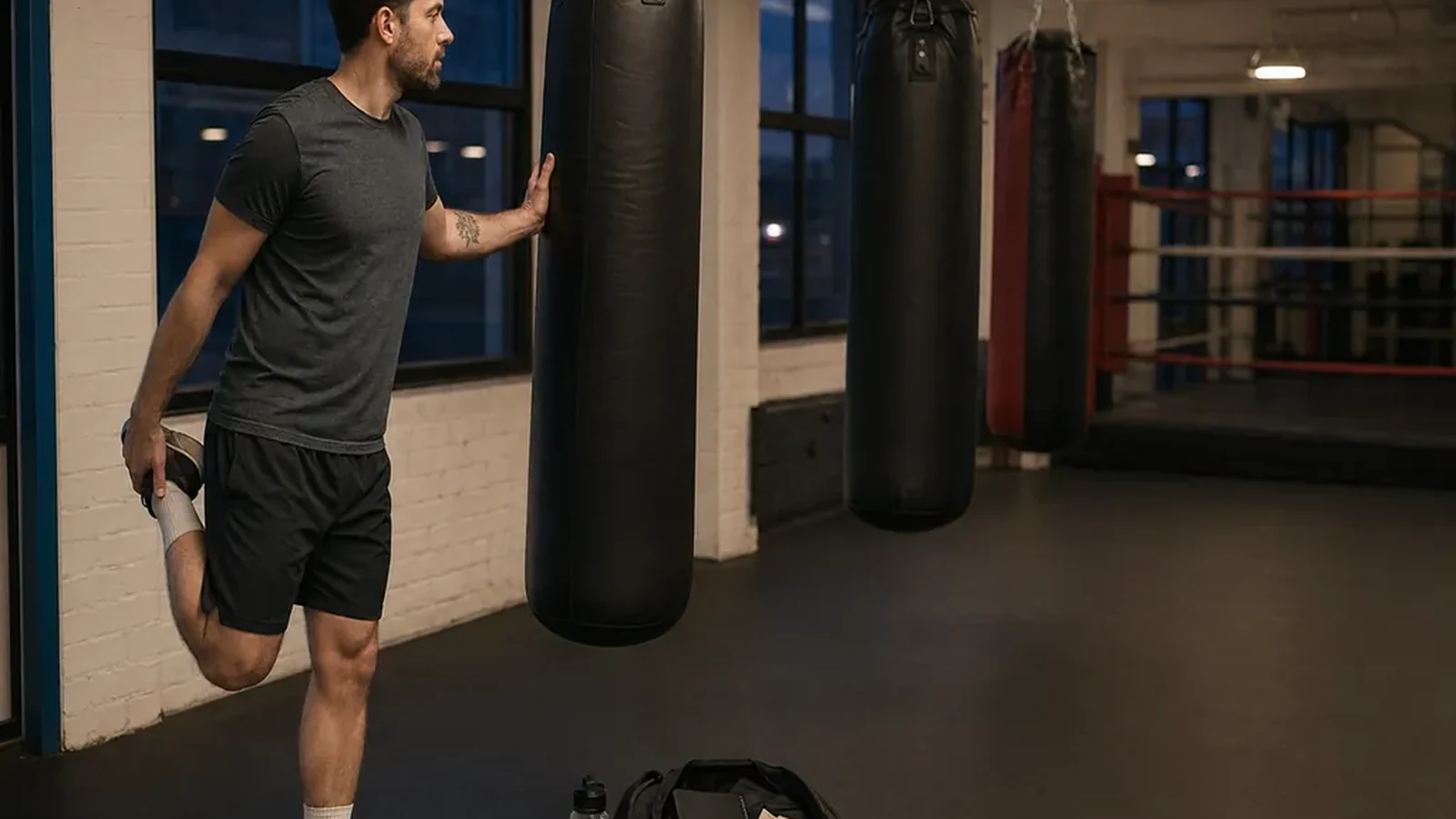
Boxing gives pharmacists a clean mental break
The mental load of pharmacy work is specific.
You have to be careful. You have to be polite. You have to move quickly without rushing the wrong thing. You may be interrupted while doing work that needs attention. You may deal with pressure from patients, prescribers, supply problems, targets or staffing gaps.
A systematic review of pharmacist burnout found risk factors including long working hours, high prescription volumes, heavy workload and low support (pharmacist burnout review). Research on community pharmacy interruptions has also examined how often interruptions happen and where they come from (community pharmacy interruptions study).
Boxing works because it cuts through that noise.
When you are learning pads or working the bag, your attention has somewhere simple to go. Stance. Guard. Breath. Feet. Shot selection. Reset. You are not carrying five competing tasks in your head. You are doing one thing properly.
That is rare in a busy pharmacy week.
If stress relief is the main reason you are looking, boxing for stress relief is the obvious next read.
It moves the body after a static shift
Pharmacy workers often need exercise that opens the body up, not just burns calories.
A standard gym session can help, but it can also become another static routine: sit on a bike, sit on a machine, press, scroll, repeat. Boxing is different. It makes you use the whole body in a coordinated way.
You move forward and back. You turn. You brace. You recover. You learn rhythm and timing. The body has to organise itself under fatigue.
That is useful if your day has been spent in fixed positions. The goal is not to thrash yourself after work. The goal is to give the body the movement it has been missing.
It gives pressure somewhere safe to go
Public-facing healthcare work can ask for a lot of restraint.
You may absorb public frustration and still have to stay calm. You may be expected to answer questions while checking details that need care. You may feel hurried, but the work still has to be right.
Boxing is useful because it gives pressure a safe outlet. Not aggression. Not chaos. Controlled effort.
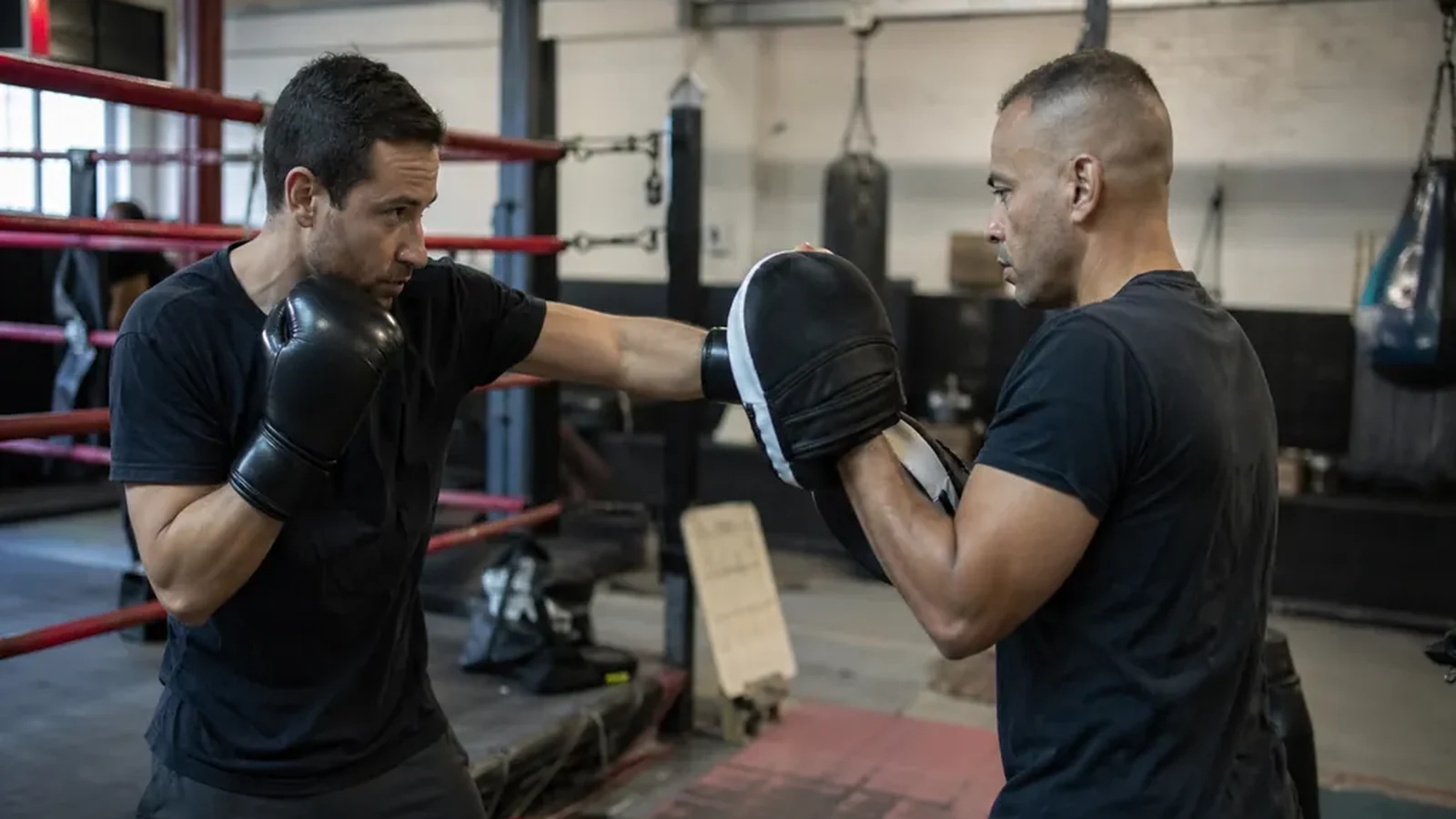
A good boxing class teaches you to hit the bag properly, breathe when tired and reset after mistakes. You get intensity, but the rules are clear. You get effort, but the coach keeps the session contained.
That balance is exactly why boxing suits many adults in careful, high-pressure jobs. It gives you a release without asking you to become someone else.
It is easier to stick with than a self-managed plan
After a long pharmacy shift, decision-making can be gone.
That is where coached boxing helps. You do not have to design the session. You do not have to decide which machine, which set, which rep range or which video to follow. You turn up and the class gives you the frame.
The NHS advises adults to aim for at least 150 minutes of moderate activity each week, or 75 minutes of vigorous activity, plus strengthening work on two days (NHS adult activity guidelines). Boxing can help because a good class mixes conditioning, strength, coordination and skill.
That matters for pharmacy workers because consistency is the hard part. A plan that only works when the week is quiet will not last.
If you are comparing it with a normal gym membership, boxing vs gym: why people switch explains why structured classes keep many adults more consistent.
What kind of boxing should pharmacists start with?
Start with coached recreational boxing.
You do not need sparring. You do not need to be fit already. You do not need to train like a fighter. You need a class where adults can learn stance, footwork, bag work, pad work and conditioning at a sensible pace.
Our Adult Recreational boxing classes are built for adults who want proper boxing training without needing previous experience.
If you work or live around Greenwich, Kidbrooke, Blackheath, Woolwich or nearby parts of south east London, the club is practical for training after work or on a day off.
If you have back pain, foot pain, knee pain, shoulder problems or fatigue that feels unusual, get it checked properly. Tell the coach what needs managing. Boxing should build capacity, not reward pushing through warning signs.
The honest answer
Boxing will not fix understaffing, prescription pressure, long queues, poor sleep or a bad rota.
It will not replace proper rest, good footwear, sensible breaks, medical advice or better working conditions.
But as exercise, it fits pharmacists and pharmacy workers well. It moves the body after static standing. It clears the head after detail-heavy work. It gives pressure somewhere controlled to go.
For pharmacy workers who finish shifts feeling stiff, wired and drained, that is a strong reason to try it.
How to start if you do this job
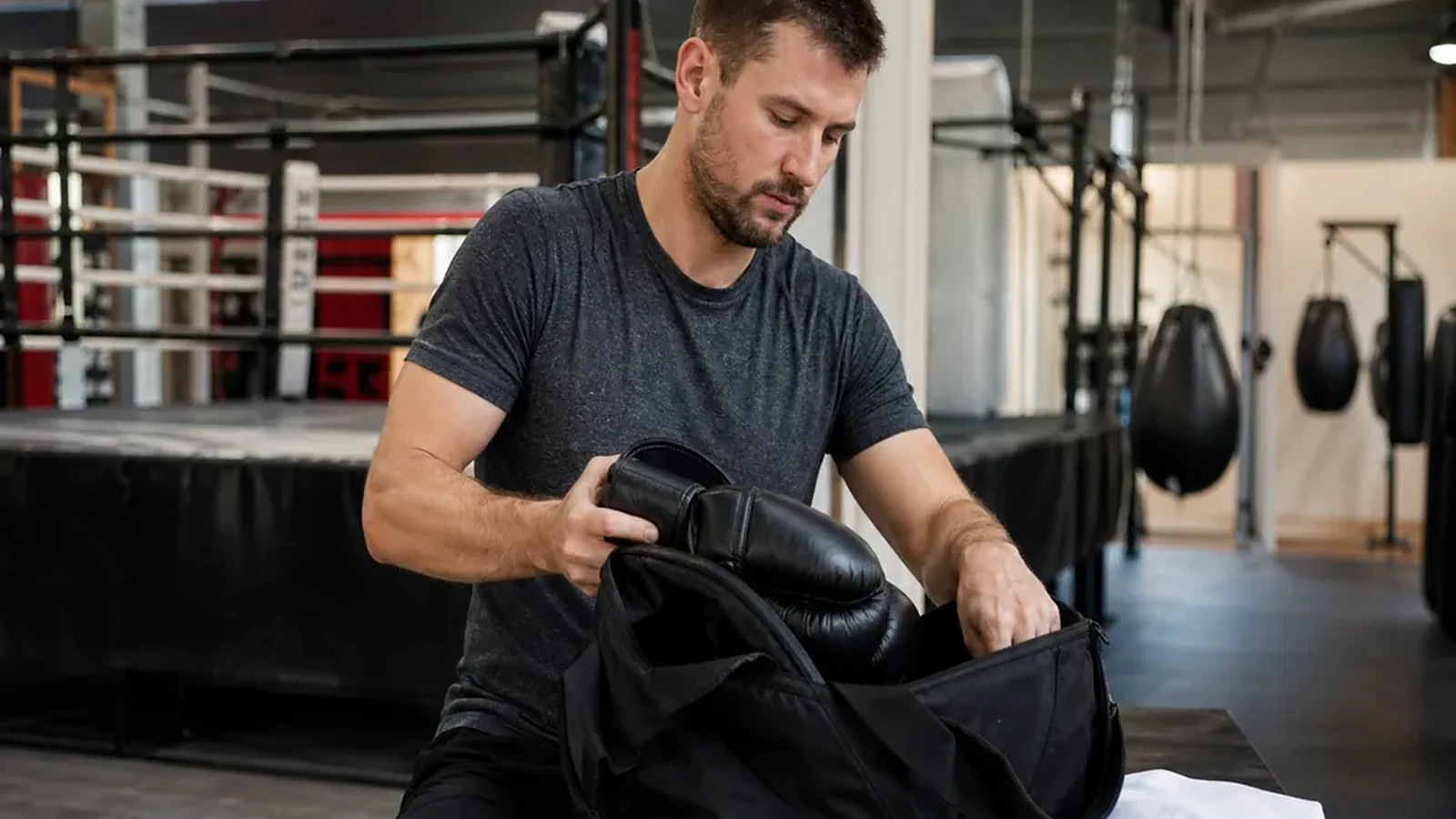
For most pharmacists, the best first step is a normal coached group class, not a complicated programme. Start with Adult Recreational boxing or the broader adult beginner boxing guide if you want to understand what happens first.
If your rota, clients or working hours make set classes hard, use boxing personal training or private boxing lessons as the paid route. The free trial is for scheduled group classes.
Book a free trial session at Honour and Glory Boxing Club.
More job-specific boxing guides
If this article fits your work pattern, the full boxing for workers guide links the rest of the job-specific series, including desk workers, shift workers, trades, carers, drivers, teachers and busy professionals.
H&G Team
Writer at Honour & Glory Boxing Club, a community boxing gym in Kidbrooke, South East London.
KEEP READING
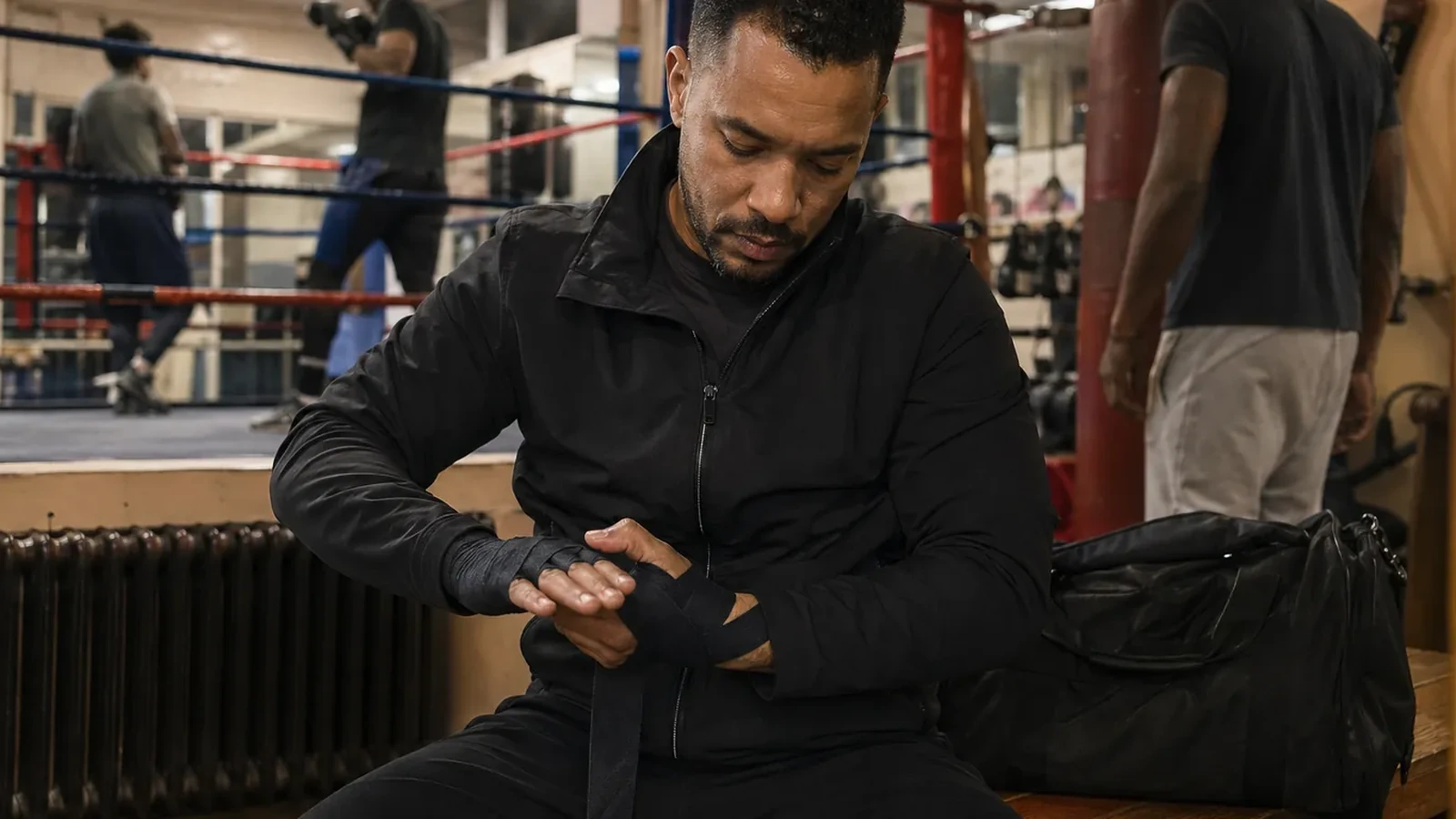
Boxing Fitness for Shift Workers: When It Fits
Boxing can be a useful training option for shift workers when you want coached movement, conditioning and a clear break from work. It is not the only answer, but it can fit well.
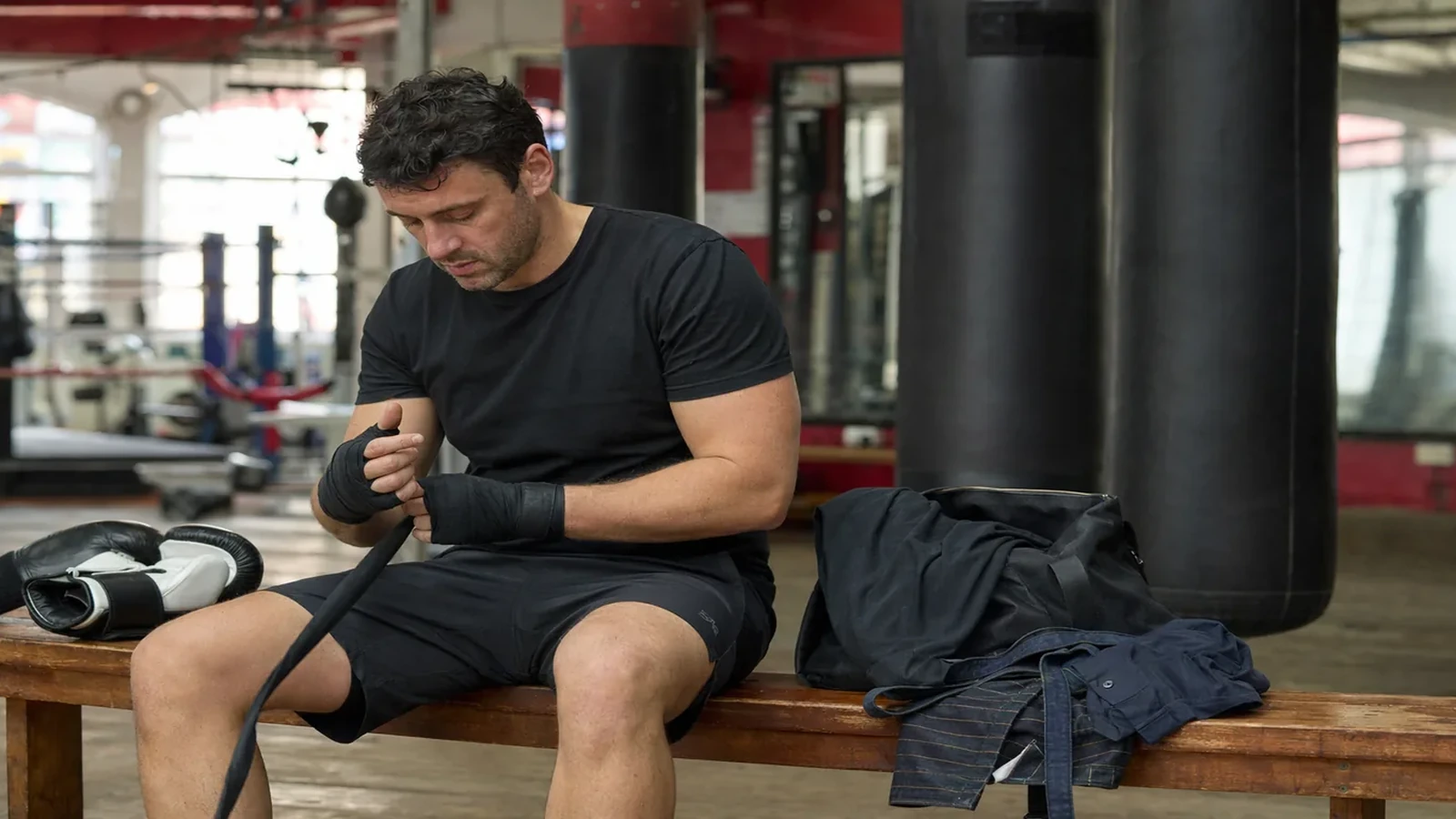
Boxing Fitness for Hospitality Workers: When It Fits
Boxing can be a useful training option for hospitality workers when you want coached movement, conditioning and a clear break from work. It is not the only answer, but it can fit well.

Boxing for Office Workers: What Training Does to Desk Posture
Desk workers develop specific postural problems that boxing training directly addresses. Here is the mechanism and what to expect over three to six months of consistent training.
Was this page helpful?
It takes one tap, and it genuinely helps.
Choose your next step
Turn this article into the right action
Some readers are ready to book. Some need the class route first. Pick the route that matches what you actually want.