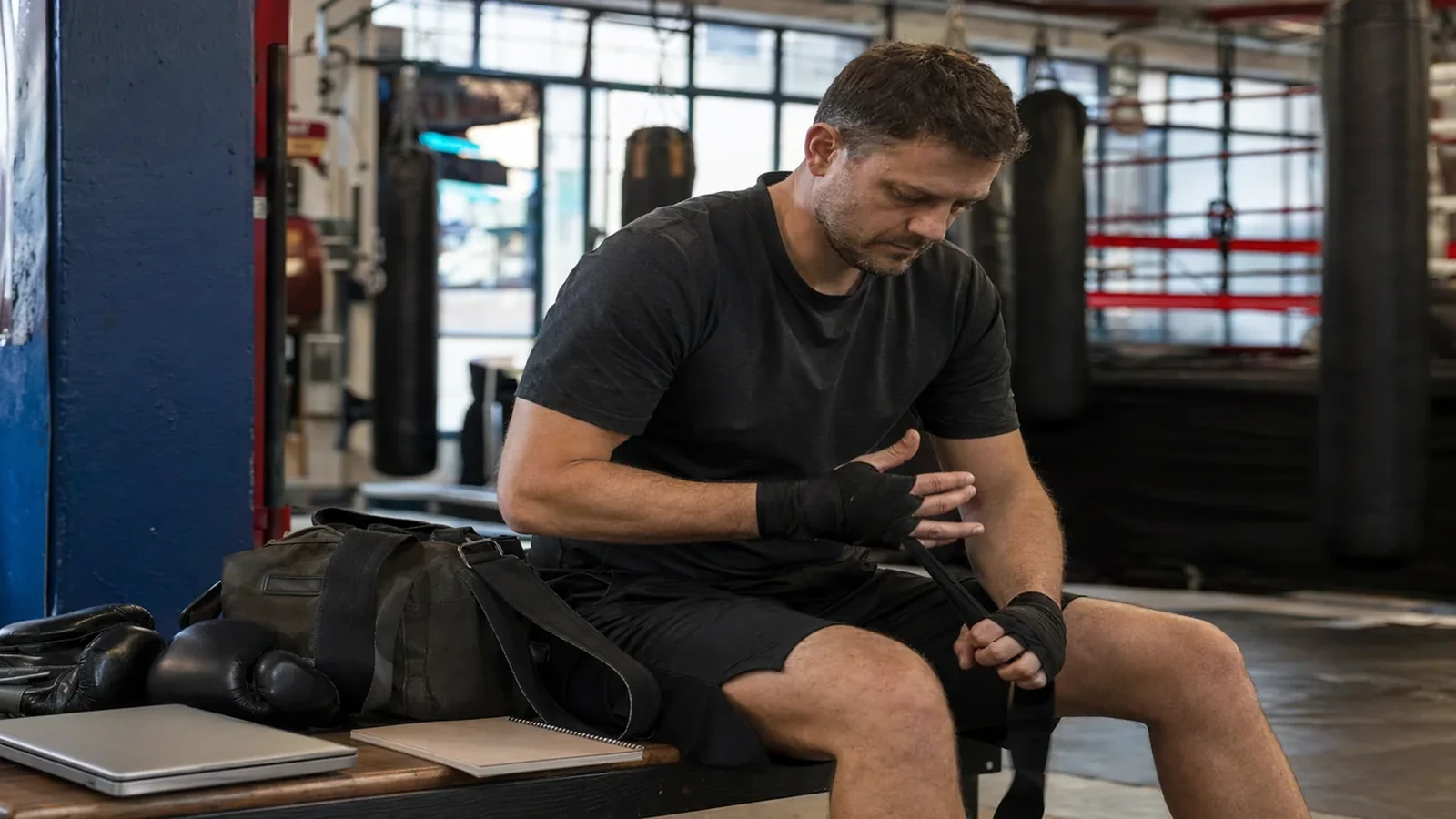
Best exercise for journalists, editors and content creators? Boxing is a strong answer because the job creates a strange kind of tiredness.
The work can look sedentary from the outside. Sitting, typing, reading, recording, editing, posting. But the real load is not just the chair. It is deadlines, public judgement, interviews, late edits, event days, news cycles, comment sections, screens and the pressure to keep producing when your head is already full.
The body is often still. The nervous system is not.
Boxing works because it gives media and content people a physical reset: movement, focus, rhythm, confidence and a way to stop carrying the day in the shoulders.
Journalism and content work are not just desk jobs
Journalists and editors spend a lot of time at screens.
That can mean writing, cutting copy, checking facts, transcribing interviews, editing video, planning posts, checking analytics, reviewing comments, preparing questions or trying to finish a piece before someone moves the deadline again.
The physical problem is obvious once you pay attention. Long sitting, laptop posture, phone use and repeated typing can load the same areas every day: neck, shoulders, upper back, lower back, hips and wrists. Office-worker research has looked at exercise for neck pain among office workers and back-pain prevention among office workers.
Boxing breaks that pattern. You stand, move your feet, rotate, punch, breathe and recover. The body gets a broader job than folding around a laptop or phone for another hour.
That matters for writers, editors and creators because the job can make you feel tired without making you fitter.
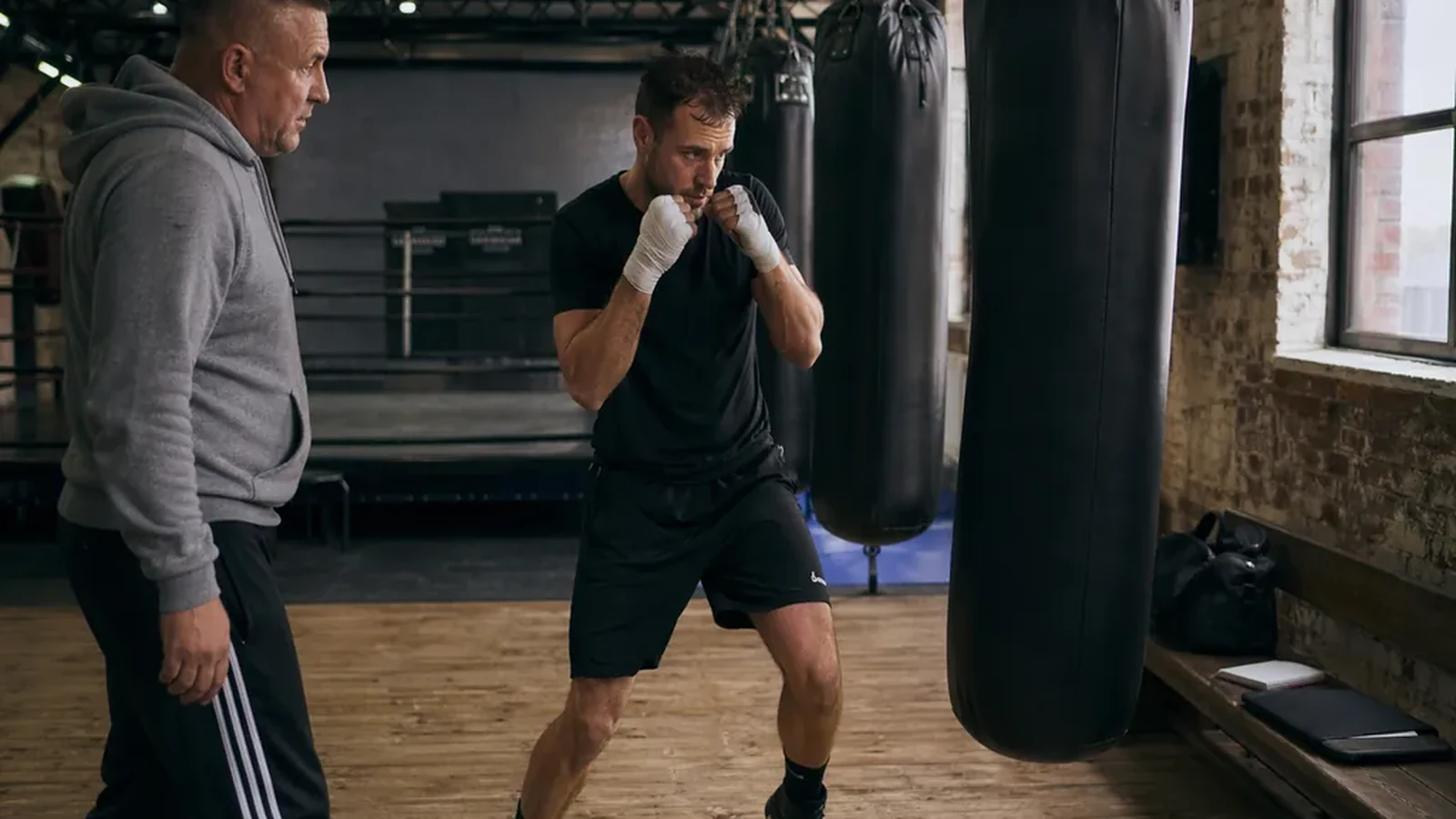
Boxing gives deadline stress somewhere clean to go
Media deadlines have their own pressure.
A piece needs rewriting. A source is late. The headline is not working. A post is underperforming. A video needs cutting again. A client or editor wants changes. Everyone has feedback when the work is already half out the door.
That pressure can stay in the body after the laptop closes.
Research on journalists has examined occupational stress across different reporting settings (journalists' occupational stress study). More recent work has also examined psychological distress among journalists facing online harassment (journalist distress and online harassment study). Not every writer faces the same risk level, but the wider point is familiar: public-facing work can follow you home.
Boxing gives that pressure a cleaner outlet. You listen, move, hit pads, breathe hard and reset. You cannot spend a round thinking about a comment thread, a late edit or an awkward interview answer. The session pulls you back into the room.
If stress relief is the main reason you are looking, boxing for stress relief is the obvious next read.
It builds confidence without feeding the ego
Journalists and content creators need confidence, but not fake confidence.
You need to ask direct questions. You need to publish work that people may criticise. You need to sit with uncertainty. You need to keep going when a draft is bad, an edit is blunt or a post gets the wrong kind of attention.
Boxing builds a physical version of confidence. You learn to stand well, keep your guard up, breathe when tired and reset after mistakes. You learn that panic wastes energy. You learn that tension makes you slower.
That carries over better than people expect.
Good boxing should not make people aggressive. It should make people steadier. For journalists, editors and creators, that steadiness is useful because the job already has enough noise.
The NHS says being active can help people switch off from worries and support mental wellbeing (NHS mental wellbeing and activity advice). Boxing adds skill and feedback, which gives people a reason to keep coming back.
It is better than scrolling after work
A lot of media work blurs into the thing people do to relax.
You write on a screen, then relax on a screen. You edit clips, then watch clips. You check social platforms for work, then end up checking them again because the habit is already open.
That is not much of a reset.
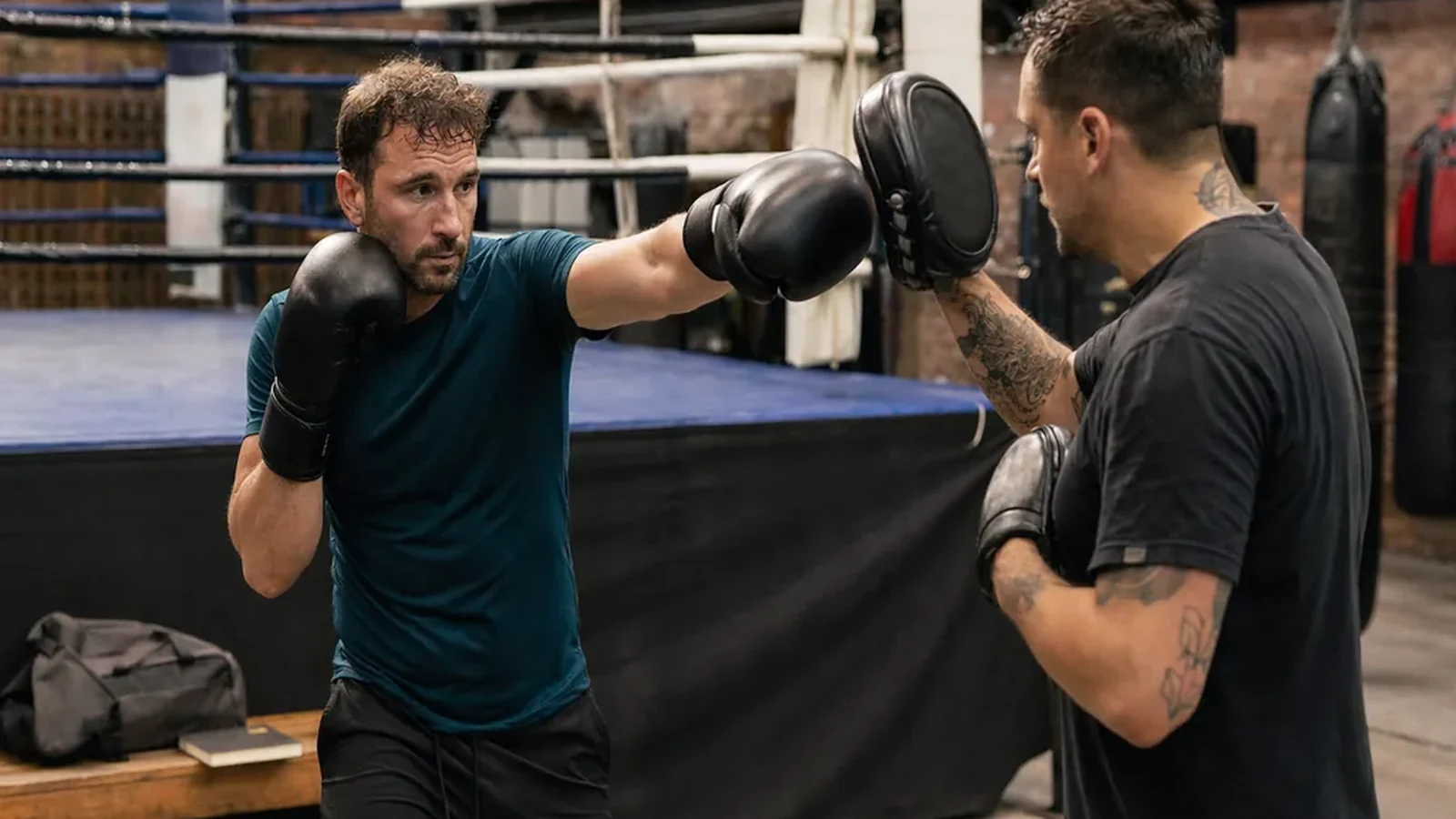
Boxing gives the day a harder stop. You cannot box properly while checking notifications. You cannot work pads while half-reading comments. You cannot edit a paragraph during a round.
That is the point. The session forces a clean switch.
For creators in particular, that matters. The work can become endless because the feed never ends. Boxing gives the body a deadline that is not content-related: the bell rings, you work, the bell rings, you recover.
Boxing fixes the wrong kind of tired
Journalists and editors often finish the day tired in the wrong way.
The eyes are tired. The brain is tired. The neck is stiff. The hands have been busy. The body has not moved enough. You can feel wired and flat at the same time.
Boxing is useful because it feels nothing like the desk.
It uses the legs, hips, trunk, shoulders, hands, eyes and lungs. It asks for rhythm, timing, balance and attention. You get tired in a cleaner way: not because another deadline has drained you, but because you moved and learned something.
The NHS advises adults to aim for at least 150 minutes of moderate activity each week or 75 minutes of vigorous activity, plus strengthening work on two days (NHS adult activity guidelines). Boxing can help cover both because it mixes conditioning, coordination and strength under fatigue.
If you are comparing it with a normal gym membership, boxing vs gym: why people switch explains why coached sessions keep many adults more consistent.
Editors need a place where feedback is simple
Editing is feedback all day.
You give it. You receive it. You judge words, pictures, angles, facts, tone, timing and whether the piece is doing what it needs to do. That can make the brain tired in a particular way.
Boxing has feedback too, but it is simpler.
Did your feet cross? Did your hand drop? Did you hold your breath? Did the punch land clean? The answer is immediate. No long thread. No stakeholder note. No vague brief.
That directness is part of the appeal. For people who spend their day inside language, meaning and public reaction, a physical skill can be a relief.
What kind of boxing should journalists and creators start with?
Start with coached recreational boxing.
You do not need sparring on day one. You do not need to be fit first. You do not need expensive kit or a fighting mindset. You need a class where adults can learn stance, footwork, punching mechanics, bag work, pad work and conditioning at a sensible pace.
Our Adult Recreational boxing classes are built for adults who want proper boxing training without needing previous experience.
If you work or live around Greenwich, Kidbrooke, Blackheath, Woolwich or nearby parts of south east London, the club is practical for after-work training, freelance schedules, remote-work days or evenings when the edit finally ends.
Bring normal gym kit, water and patience. If your neck, back, wrist or shoulder is already painful, get that checked properly. Boxing should build you up, not become another thing you force through.
The honest answer
Boxing will not fix bad deadlines, online abuse, poor editorial support, unstable freelance work or the pressure to be permanently visible.
It will not replace sleep, sensible workload, proper ergonomics or time away from screens.
But as exercise, it fits journalists, editors and content creators well. It gives the body the movement the job does not. It gives criticism and deadline pressure somewhere clean to go. It builds confidence without ego and gives the working day a proper stop.
For journalists and creators, that is not vanity. It is maintenance.
How to start if you do this job
For most journalists, the best first step is a normal coached group class, not a complicated programme. Start with Adult Recreational boxing or the broader adult beginner boxing guide if you want to understand what happens first.
If your rota, clients or working hours make set classes hard, use boxing personal training or private boxing lessons as the paid route. The free trial is for scheduled group classes.
Book a free trial session at Honour and Glory Boxing Club.
More job-specific boxing guides
If this article fits your work pattern, the full boxing for workers guide links the rest of the job-specific series, including desk workers, shift workers, trades, carers, drivers, teachers and busy professionals.
H&G Team
Writer at Honour & Glory Boxing Club, a community boxing gym in Kidbrooke, South East London.
KEEP READING
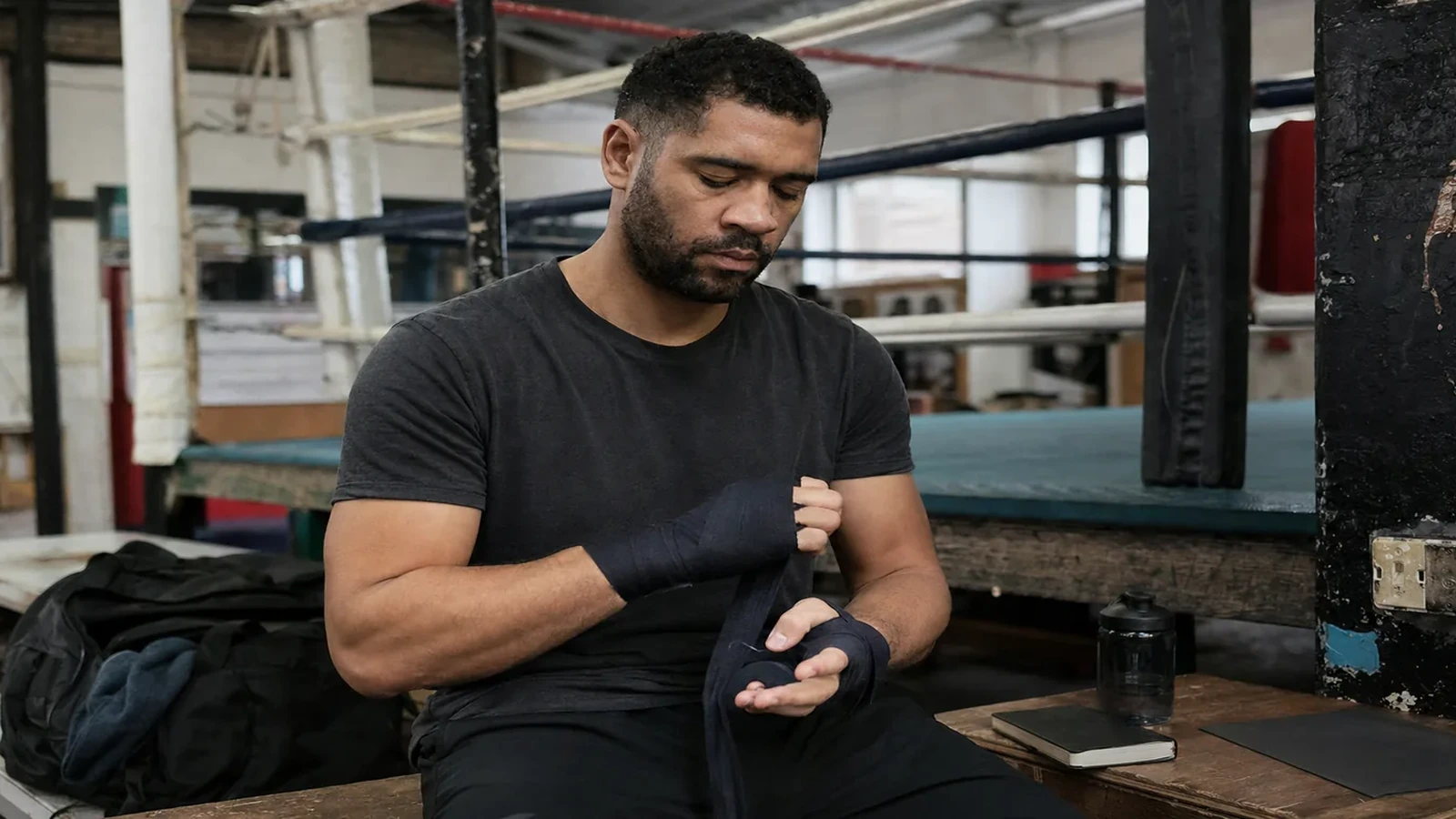
Boxing Fitness for HR Professionals: When It Fits
Boxing can be a useful training option for hr professionals when you want coached movement, conditioning and a clear break from work. It is not the only answer, but it can fit well.
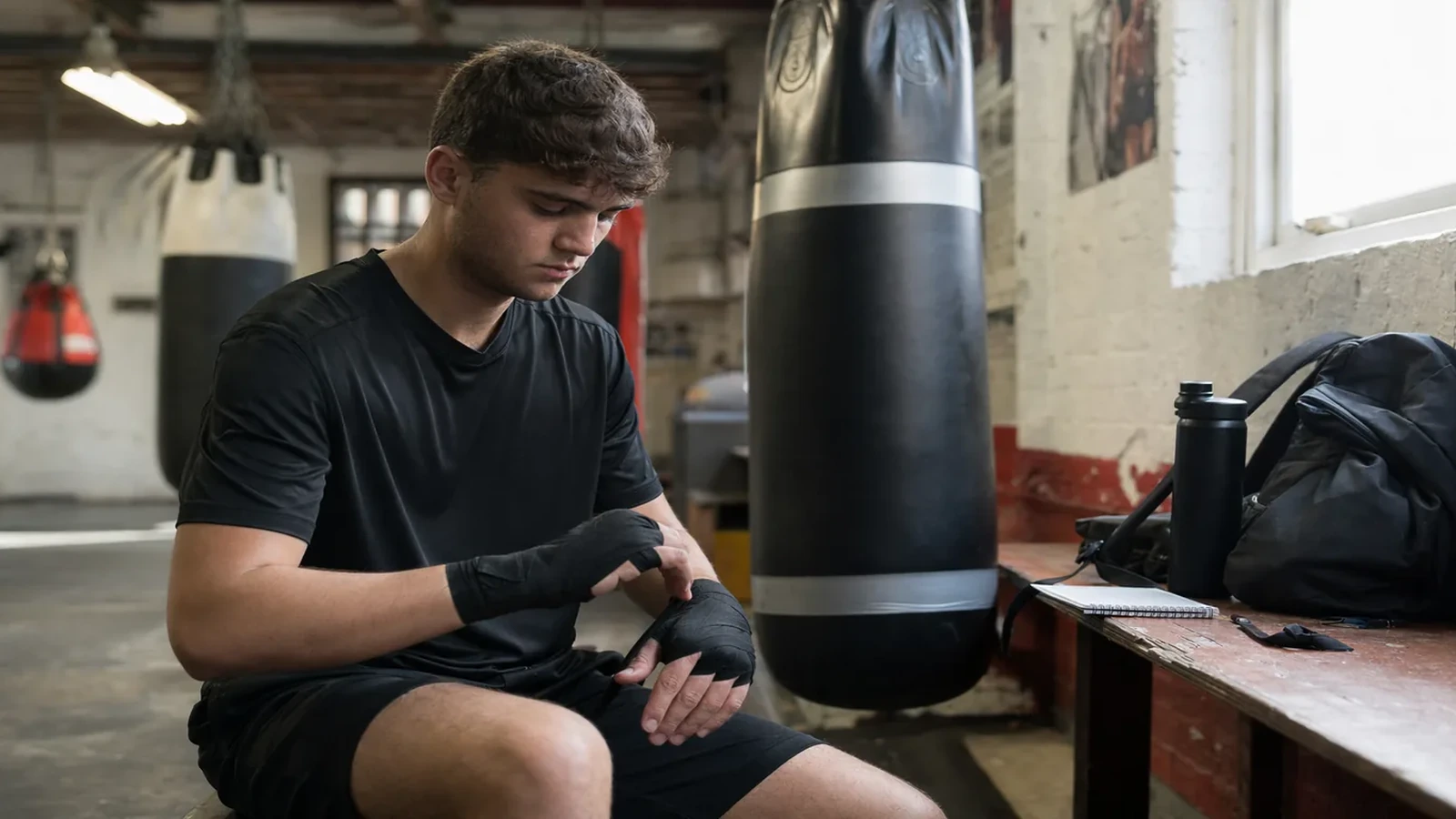
Boxing Fitness for Students: When It Fits
Boxing can be a useful training option for students when you want coached movement, conditioning and a clear break from work. It is not the only answer, but it can fit well.
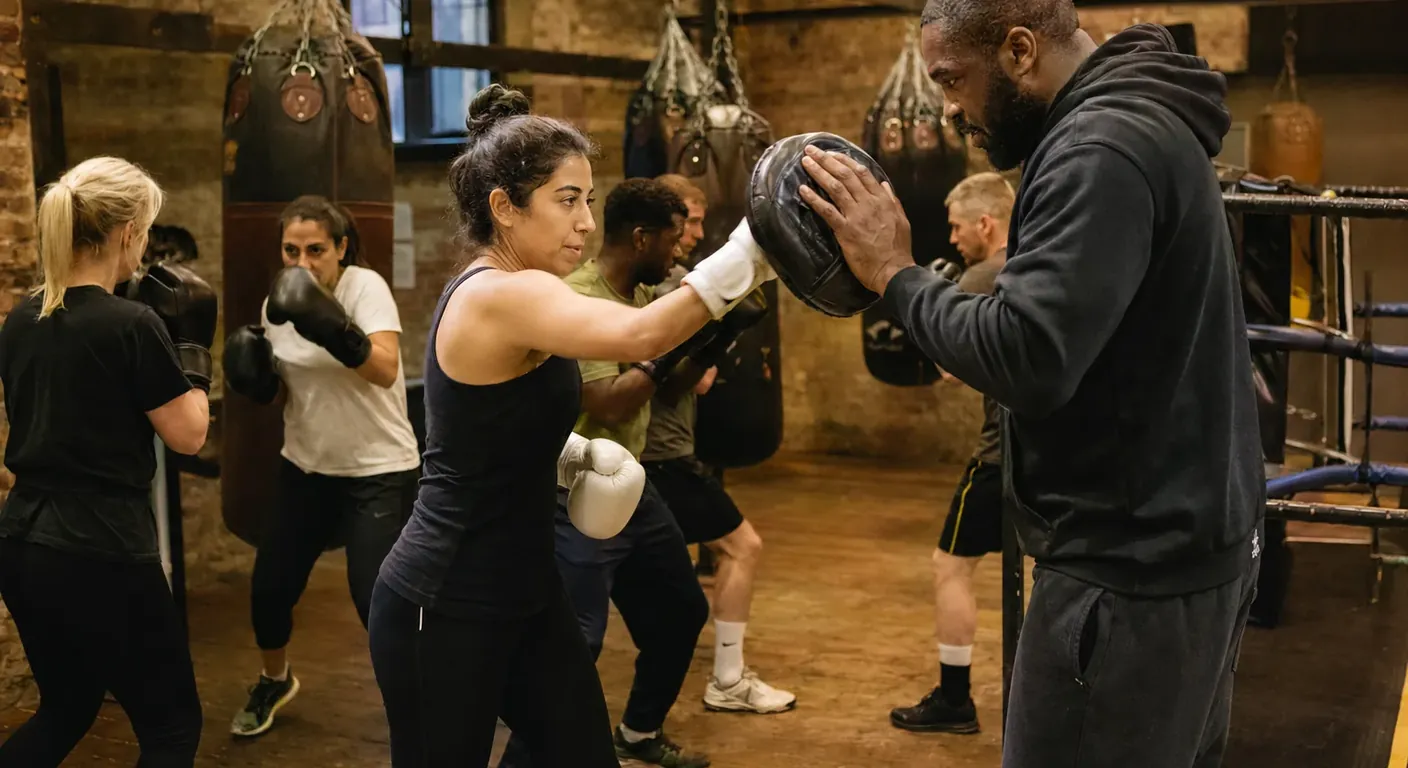
Gym or Boxing: Which Is Better for Fitness?
A practical answer to whether a gym or boxing is better for fitness, weight loss, confidence and long-term consistency.
Was this page helpful?
It takes one tap, and it genuinely helps.
Choose your next step
Turn this article into the right action
Some readers are ready to book. Some need the class route first. Pick the route that matches what you actually want.