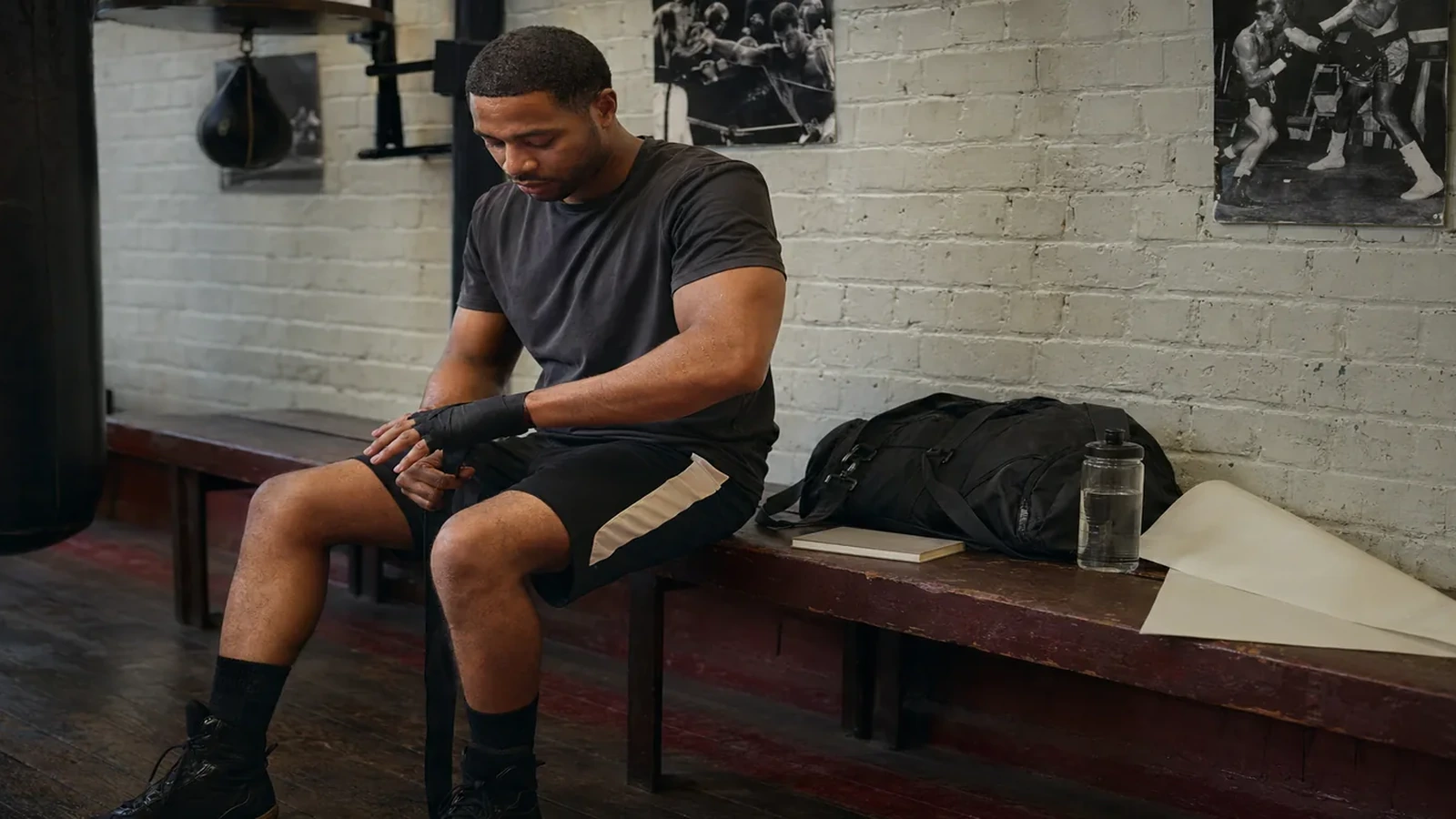
Best exercise for civil and mechanical engineers? Boxing is a strong answer because engineering work can leave people tired in two different ways at once.
Some days are screen-heavy. Some days involve site visits, plant rooms, workshops, inspections, travel or standing around in awkward conditions. Many days involve deadlines, technical judgement, drawings, calculations, meetings and the pressure of being right.
The body may be still, or it may be loaded unevenly. The head rarely gets an easy day.
Boxing works because it gives engineers a physical reset: movement, rhythm, conditioning, focus and a way to stop carrying the project in the shoulders.
Engineering work can be desk-heavy and site-heavy
Civil and mechanical engineers do not all have the same day.
A civil engineer may be reviewing drawings, checking designs, visiting sites, handling contractor questions, preparing reports, joining meetings or trying to keep a programme moving. A mechanical engineer may be modelling, testing, inspecting, troubleshooting, reviewing specifications, visiting plant rooms or dealing with practical problems that do not care how neat the plan looked.
That mix can be hard on the body. Desk work can mean long sitting, laptop posture and repeated mouse use. Site and workshop work can mean standing, walking, awkward positions, PPE, stairs, travel and carrying kit.
Research on office workers has looked at exercise for neck pain among office workers and back-pain prevention among office workers. Wider reviews have also examined work-related musculoskeletal disorders across different working populations.
Boxing helps because it gives the whole body a more balanced job. You stand, move your feet, rotate, punch, breathe and recover. The session uses legs, hips, trunk, shoulders, hands, eyes and lungs, rather than loading the same positions all day.
Boxing gives technical pressure somewhere clean to go
Engineering pressure is not always loud.
A drawing has a clash. A calculation needs checking again. A client wants certainty. A contractor wants an answer. A design change affects three other things. A problem appears on site and the day changes around it.
You may look calm from the outside, but the body still knows the work is loaded.
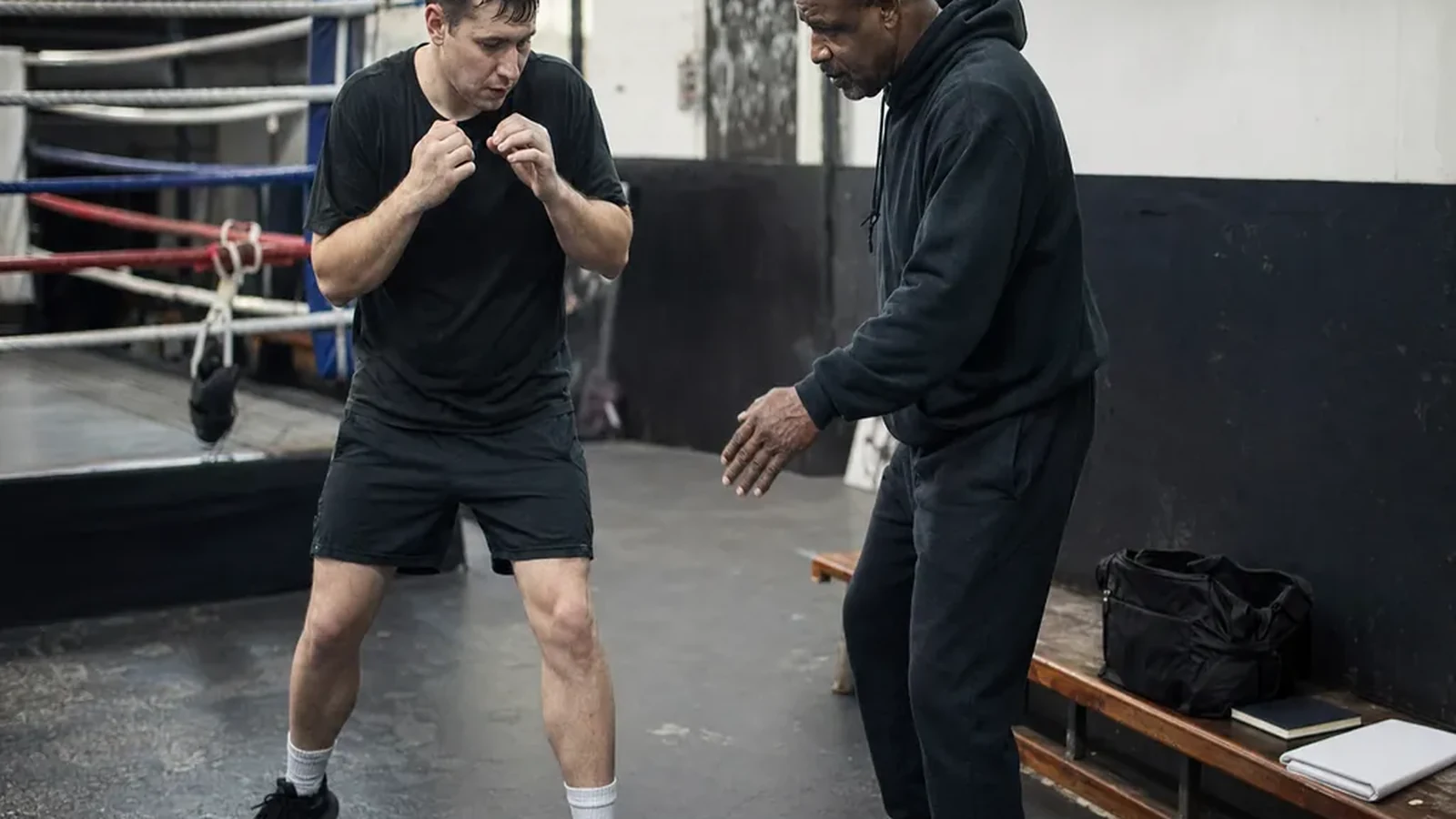
Boxing gives that pressure a clean outlet. You listen, move, hit pads, breathe hard and reset. The task is physical and immediate. Move your feet. Keep your guard up. Turn the hip. Breathe. Go again.
That directness is useful for engineers because the work can involve a lot of unresolved loops. Boxing gives you a problem with feedback you can feel straight away.
If stress relief is the main reason you are looking, boxing for stress relief is the obvious next read.
It builds calm confidence under pressure
Engineering needs confidence, but not bravado.
You need to explain decisions. You need to challenge assumptions. You need to admit when something needs checking. You need to stay steady when a client, contractor or manager wants a quick answer to a problem that deserves proper thought.
Boxing builds a physical version of that steadiness. You learn to stand properly, keep your guard up, breathe when tired and reset after mistakes. You learn that panic wastes energy and that tension makes you slower.
Good boxing should not make people aggressive. It should make people steadier.
That matters for engineers because the job already has enough pressure around judgement, responsibility and consequences. Boxing works best when it teaches control rather than adding noise.

It is better than another over-designed fitness plan
Engineers can overthink training.
That is understandable. If your job rewards analysis, it is easy to turn exercise into another system: perfect programme, perfect tracker, perfect equipment, perfect progression. Then a deadline moves, a site visit runs late, the plan breaks and the whole thing becomes another unfinished project.
Boxing removes a lot of that friction.
You turn up. The coach runs the session. You warm up, learn, hit bags, work pads, move your feet and finish. You still have to put the effort in, but you do not have to design the whole session yourself.
That matters because consistency beats a clever plan that never survives contact with the week.
If you are comparing it with a normal gym membership, boxing vs gym: why people switch explains why structured sessions keep many adults more consistent.
Boxing fixes the wrong kind of tired
Engineering work can leave people tired in the wrong way.
The eyes are tired. The neck is stiff. The lower back is tight. The brain is full of details, dependencies, drawings, numbers and problems that still need an answer. You may have been sitting too long, standing too long or moving in ways that were not useful training.
Boxing works because it feels different from the job.
It asks for rhythm, timing, balance, coordination and attention. You get tired in a cleaner way: not because another design issue has drained you, but because you moved, learned and worked.
The NHS advises adults to aim for at least 150 minutes of moderate activity each week or 75 minutes of vigorous activity, plus strengthening work on two days (NHS adult activity guidelines). Boxing can help cover both because it mixes conditioning, coordination and strength under fatigue.
The NHS also says being active can help people switch off from worries and support mental wellbeing (NHS mental wellbeing and activity advice). That matters when the project keeps running in your head after work.
Boxing gives engineers a cleaner after-work boundary
Engineering problems can follow you home.
A calculation sits in your head. A site issue needs checking. A drawing review is not finished. A decision made in a meeting keeps replaying because one detail still feels off.
A boxing session gives the day a boundary. You cannot box properly while checking drawings. You cannot do padwork while reviewing a specification. You cannot carry a whole project into a round and still breathe well.
That boundary is useful. It gives the brain a different job and gives the body a way to discharge tension without needing a perfect evening routine.
What kind of boxing should engineers start with?
Start with coached recreational boxing.
You do not need sparring on day one. You do not need to be fit first. You do not need expensive kit or a fighting mindset. You need a class where adults can learn stance, footwork, punching mechanics, bag work, pad work and conditioning at a sensible pace.
Our Adult Recreational boxing classes are built for adults who want proper boxing training without needing previous experience.
If you work or live around Greenwich, Kidbrooke, Blackheath, Woolwich or nearby parts of south east London, the club is practical for after-work training, site days, desk days or evenings when the last technical question is finally parked.
Bring normal gym kit, water and patience. If your neck, back, wrist, knee or shoulder is already painful, get that checked properly. Boxing should build you up, not become another thing you force through.
The honest answer
Boxing will not fix poor project planning, impossible deadlines, weak ergonomics, long travel, site stress or a culture that treats constant availability as normal.
It will not replace sleep, proper rest, sensible workload, better kit, good desk setup or time away from screens and drawings.
But as exercise, it fits civil and mechanical engineers well. It gives the body the movement the job often misses. It gives technical pressure somewhere clean to go. It builds calm confidence and gives the working day a clearer stop.
For engineers, that is not vanity. It is maintenance.

How to start if you do this job
For most engineers, the best first step is a normal coached group class, not a complicated programme. Start with Adult Recreational boxing or the broader adult beginner boxing guide if you want to understand what happens first.
If your rota, clients or working hours make set classes hard, use boxing personal training or private boxing lessons as the paid route. The free trial is for scheduled group classes.
Book a free trial session at Honour and Glory Boxing Club.
More job-specific boxing guides
If this article fits your work pattern, the full boxing for workers guide links the rest of the job-specific series, including desk workers, shift workers, trades, carers, drivers, teachers and busy professionals.
H&G Team
Writer at Honour & Glory Boxing Club, a community boxing gym in Kidbrooke, South East London.
KEEP READING

Boxing Fitness for HR Professionals: When It Fits
Boxing can be a useful training option for hr professionals when you want coached movement, conditioning and a clear break from work. It is not the only answer, but it can fit well.
Boxing Fitness for Students: When It Fits
Boxing can be a useful training option for students when you want coached movement, conditioning and a clear break from work. It is not the only answer, but it can fit well.
Gym or Boxing: Which Is Better for Fitness?
A practical answer to whether a gym or boxing is better for fitness, weight loss, confidence and long-term consistency.
Was this page helpful?
It takes one tap, and it genuinely helps.
Choose your next step
Turn this article into the right action
Some readers are ready to book. Some need the class route first. Pick the route that matches what you actually want.