Boxing Fitness for Construction Workers: When It Fits
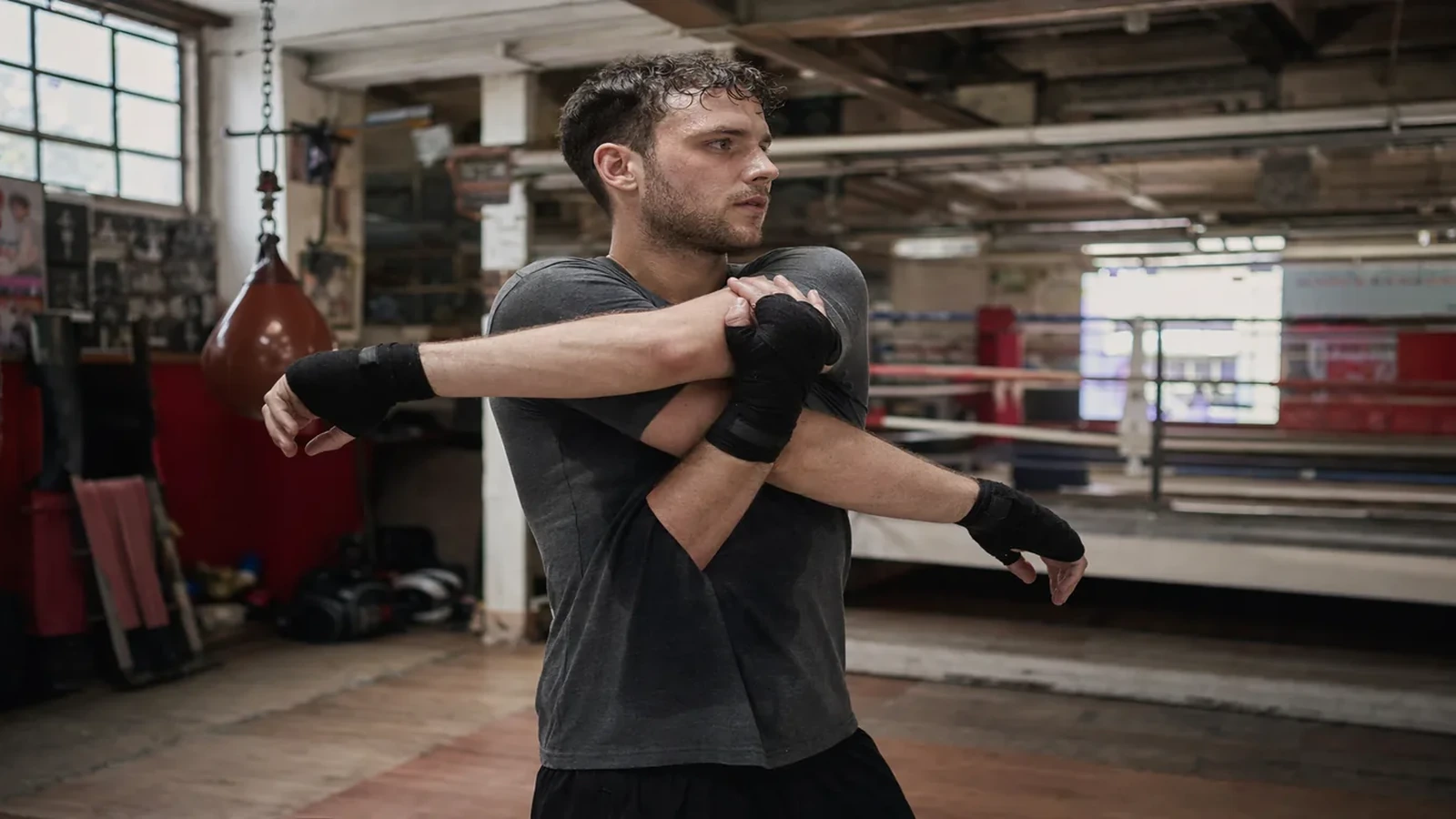
Best exercise for construction workers? Boxing is a stronger answer than a lot of people expect.
At first glance, manual labour looks like enough exercise already. You are lifting, carrying, walking, bending and grafting all day. So the obvious reaction is: why would someone in construction need boxing on top of that?
Because being physically tired from work is not the same thing as being physically balanced.
Construction workers often finish the day battered, stiff and one-sided. That is not the same as being fit, mobile, coordinated or well conditioned. The best exercise for construction workers needs to add what the job does not give you, not just pile more load on top.
That is why boxing fits so well.
Physical work is not the same as good training
Manual work builds some useful qualities. Grip. Work capacity. Toughness. Practical strength.
But it also builds fatigue, repetition and a lot of wear in the same patterns.
Heavy carrying, awkward positions, overhead work, bending, twisting, vibration, cold mornings, long days. That is not a training programme. That is accumulated stress.
Research on construction workers consistently finds high musculoskeletal strain. One long-running line of evidence has shown low back and neck or shoulder pain to be common in the trade, especially where heavy manual handling is part of the job (construction musculoskeletal review result). More recent analysis continues to point in the same direction, with back, neck and shoulder problems showing up repeatedly across construction populations (construction pain evidence summary).
So if you work in construction, the question is not whether you are doing enough physically. It is whether your body is getting enough of the right kind of movement.
Why boxing works for construction workers
Boxing gives you something manual work usually does not: balanced athletic movement.
You rotate. You move your feet. You brace properly. You coordinate hands, hips and trunk. You work rhythm and timing rather than just force. You train both sides of the body instead of hammering the same work patterns all week.
That matters because a lot of construction fatigue is local and repetitive. Tight lower back. Cooked shoulders. Hips that feel permanently heavy. Boxing can loosen that up while still giving you a real session.
It also gives you conditioning without another deadening grind. Plenty of construction workers do not need one more joyless hour of generic gym punishment after a long shift. Boxing works better because it is physical, technical and mentally engaging at the same time.
That keeps it from feeling like more labour.
Construction workers need exercise that restores movement, not just muscles
This is the bit many people miss.
If your job already gives you plenty of muscular effort, the smart thing is not necessarily to double down on pure effort again in the evening. Sometimes the better move is training that restores the body while still building fitness.
A 2024 review on physical exercise for work-related musculoskeletal disorders in manual workers found that exercise programmes appear to have a positive effect on pain and disability in manual workers (manual worker exercise review). That does not mean any random workout will do. It means structured movement matters.
Boxing is useful here because it combines:
- conditioning
- trunk rotation
- shoulder endurance
- balance and footwork
- coordination under fatigue
- enough variety to stop you feeling stuck in the same pattern all week
That is a very good trade if your day job already leaves you feeling heavy and compressed.
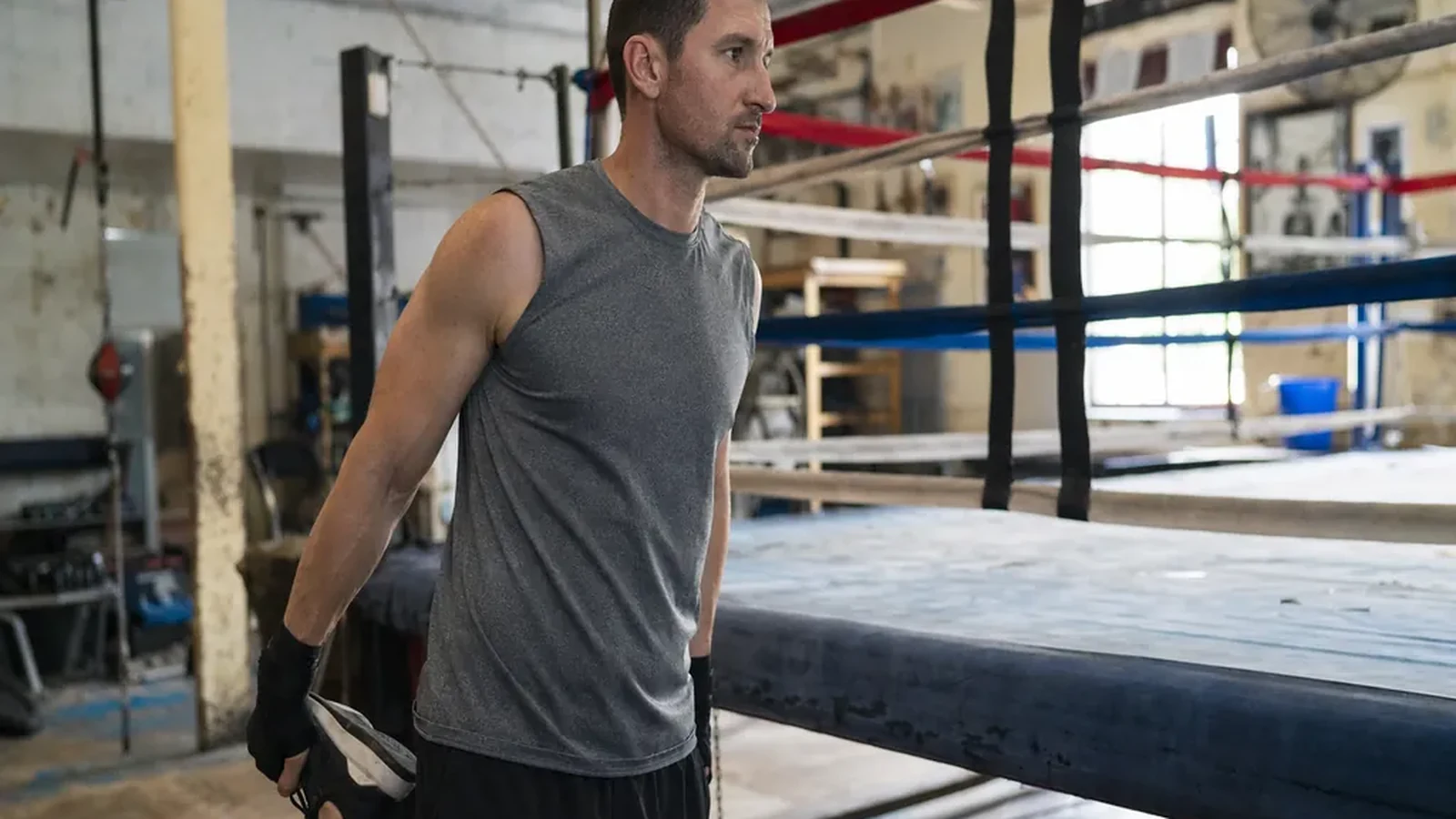
Boxing gives construction workers a mental break too
Construction is physical, but it is not mentally easy.
Long shifts, deadlines, subcontractor pressure, weather, site problems, money worries, travel, poor sleep. The mental health side of the industry is worse than a lot of people realise. CIOB's 2025 reporting on mental health in the built environment says the sector remains in crisis, highlighting severe levels of stress, anxiety and depression, and noting that male construction workers are three times more likely to die by suicide than men in other industries according to ONS data (CIOB mental health summary).
That matters because a lot of workers do not need a softer hobby. They need a proper outlet.
Boxing is good for that because it is immersive. You cannot really carry the whole site with you once training starts. Pads, bag rounds and combinations demand attention. The body is working, the head is focused, and the usual noise gets shut out for a bit.
For people in hard physical jobs, that can be the difference between exercise that gets done and exercise that gets postponed forever.
If you want the stress angle directly, boxing for stress relief is the companion piece.
Why boxing beats simply doing more heavy lifting
More lifting can be useful if it is smart, but plenty of construction workers are already overexposed to load.
The answer is not always another session of grinding under barbells when your back and shoulders are already annoyed from work. Sometimes the smarter play is an activity that still makes you fitter but also teaches the body to move better.
That is where boxing wins.
It is demanding, but it is not the same sort of demand. It asks for timing, rhythm, movement quality and coordination. It trains fitness without pretending the only metric that matters is more weight on the bar.
For construction workers, that difference is important. The job already gives you enough brute effort. Boxing adds athleticism.
What kind of boxing works best for construction workers?
For most people in the trade, the best fit is recreational boxing two or three times a week.
Not hard sparring. Not trying to become an amateur overnight. Just proper coached sessions that build engine, loosen the body up and give you a real mental reset.
That is why our Adult Recreational boxing classes are the obvious starting point. You get the conditioning and the skill without needing to pretend your recovery is unlimited.
If you are around Greenwich or Kidbrooke, it is also practical enough to fit after work without adding a ridiculous commute on top of the day.
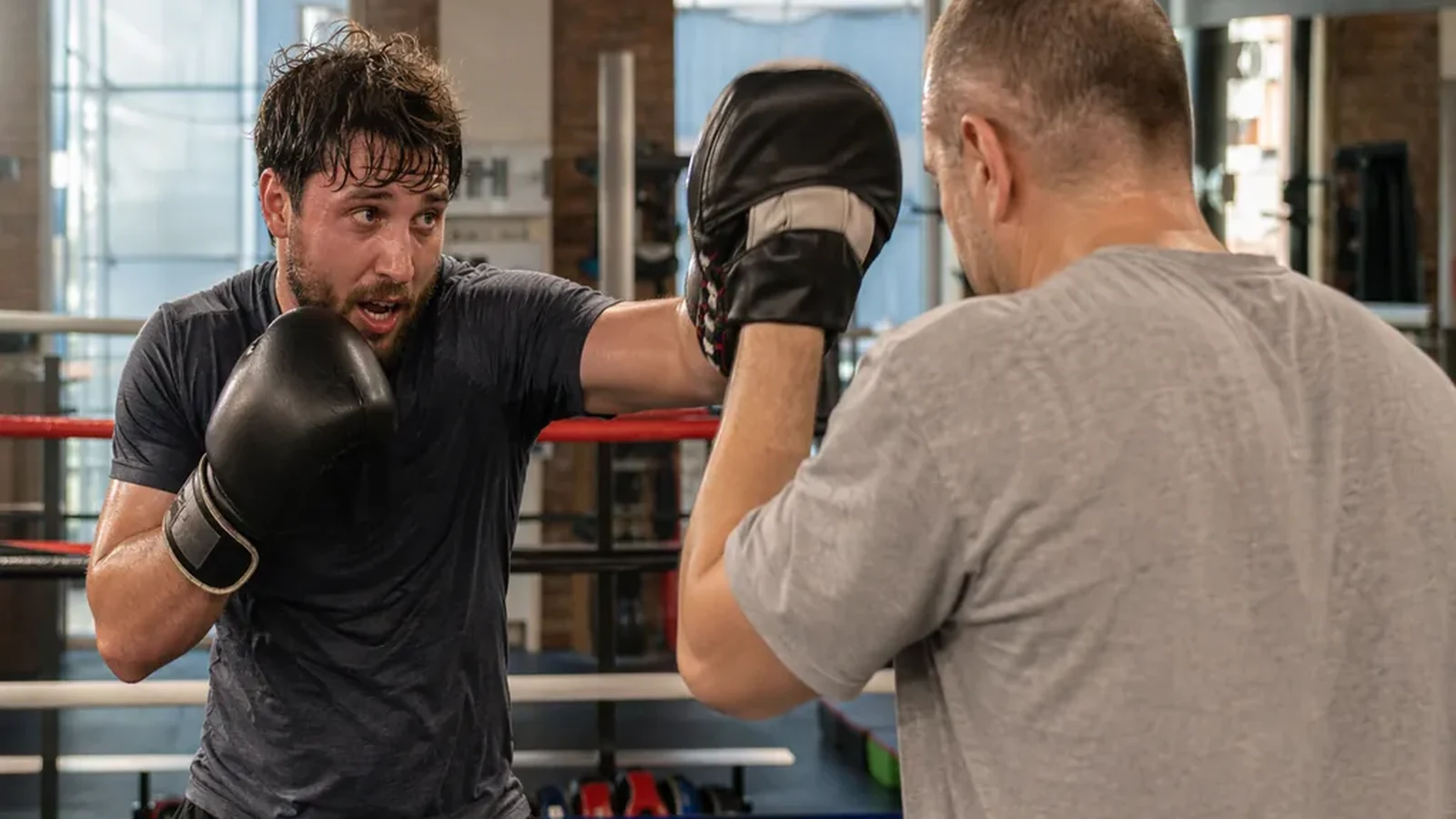
The honest caveat
Boxing is not magic.
It will not fix a wrecked sleep routine. It will not undo years of poor lifting habits on site. It will not replace decent mobility, recovery and common sense.
And if you are already carrying an injury, you need to deal with that properly rather than trying to be hard about it.
But if the question is practical - what exercise gives construction workers conditioning, better movement and a proper outlet without feeling like more of the same - boxing is one of the best answers going.
It gives you something the job usually does not: balanced, skill-based movement that still feels real.
If you want the broader case for why boxing often beats generic gym work, boxing vs gym: why people switch is the obvious follow-on.

How to start if you do this job
For most construction workers, the best first step is a normal coached group class, not a complicated programme. Start with Adult Recreational boxing or the broader adult beginner boxing guide if you want to understand what happens first.
If your rota, clients or working hours make set classes hard, use boxing personal training or private boxing lessons as the paid route. The free trial is for scheduled group classes.
Book a free trial session at Honour and Glory Boxing Club.
More job-specific boxing guides
If this article fits your work pattern, the full boxing for workers guide links the rest of the job-specific series, including desk workers, shift workers, trades, carers, drivers, teachers and busy professionals.
H&G Team
Writer at Honour & Glory Boxing Club, a community boxing gym in Kidbrooke, South East London.
KEEP READING
Boxing Fitness for Shift Workers: When It Fits
Boxing can be a useful training option for shift workers when you want coached movement, conditioning and a clear break from work. It is not the only answer, but it can fit well.
Boxing Fitness for Care Workers: When It Fits
Boxing can be a useful training option for care workers when you want coached movement, conditioning and a clear break from work. It is not the only answer, but it can fit well.

Boxing for Office Workers: What Training Does to Desk Posture
Desk workers develop specific postural problems that boxing training directly addresses. Here is the mechanism and what to expect over three to six months of consistent training.
Was this page helpful?
It takes one tap, and it genuinely helps.
Choose your next step
Turn this article into the right action
Some readers are ready to book. Some need the class route first. Pick the route that matches what you actually want.