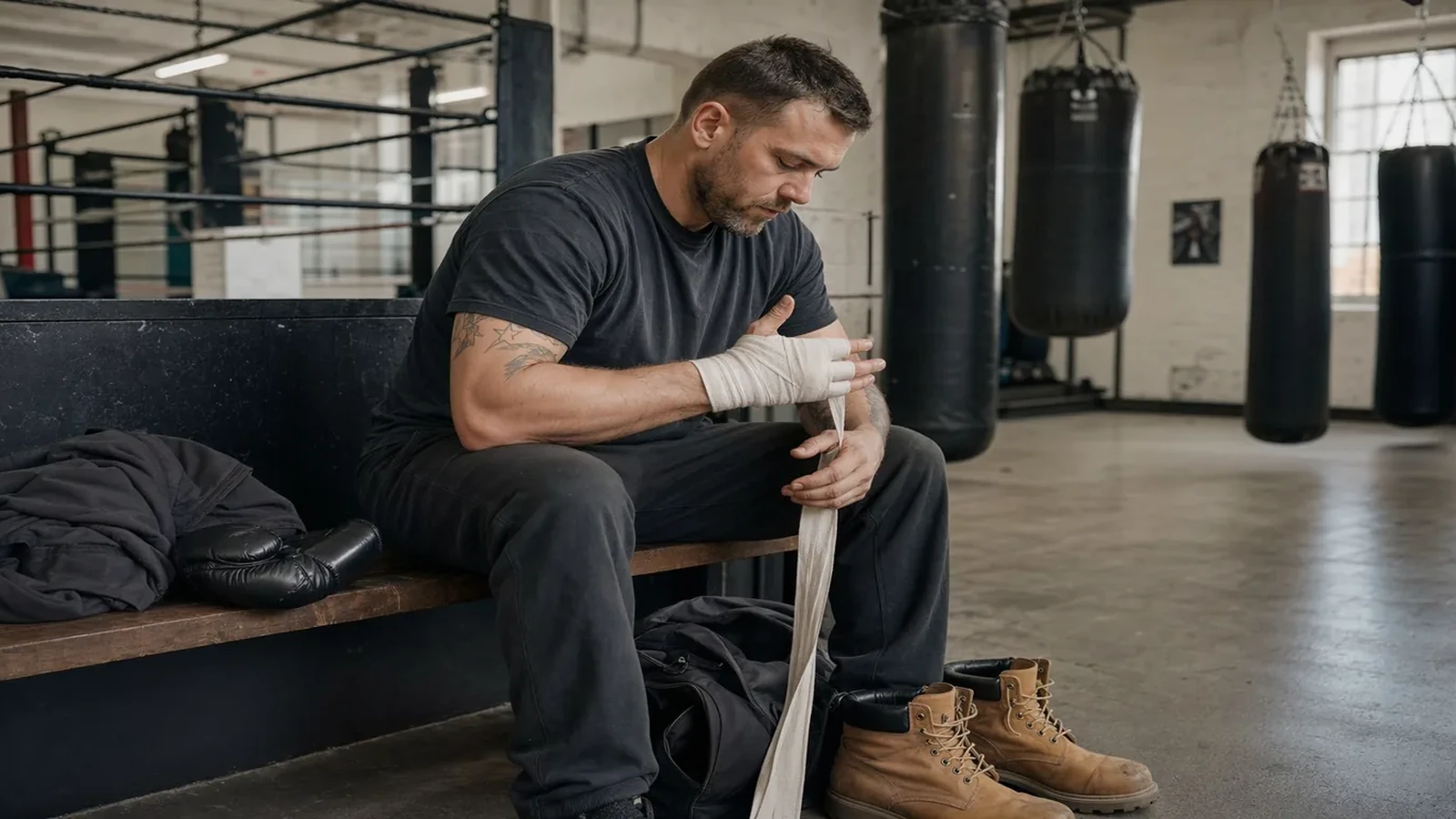
Best exercise for carpenters and joiners? Boxing is a strong answer because it trains the body in a way the job rarely does.
Carpentry and joinery are physical jobs, but that does not mean the body is getting balanced training. A day can mean carrying sheet material, cutting, fixing, kneeling, reaching overhead, climbing, gripping tools, working at odd angles and trying to keep fine control when your shoulders and forearms are already tired.
That is effort. It is not automatically fitness.
Boxing works because it builds conditioning, rotation, footwork, posture and grip without repeating the same job-site pattern.
Carpentry is hard on the body in a specific way
Carpenters and joiners use the whole body, but not always evenly.
You might spend the morning lifting boards, the afternoon working overhead, then finish the day kneeling, crouching or leaning into a tight corner where the body has no good position. Some tasks need strength. Others need precision. Many need both while tired.
Research on work-related musculoskeletal disorders among carpenters found common problems across the back, neck, shoulders and upper limbs. Construction research also points to awkward postures, repetitive work and forceful movement as recurring risks in the trade (construction musculoskeletal review).
That matches the lived reality. The work uses the body, but it can also lock the body into rough positions.
Boxing helps because it gives you a different pattern. Feet under you. Hips turning. Trunk bracing. Shoulders loose. Hands active but not clenched all the time.
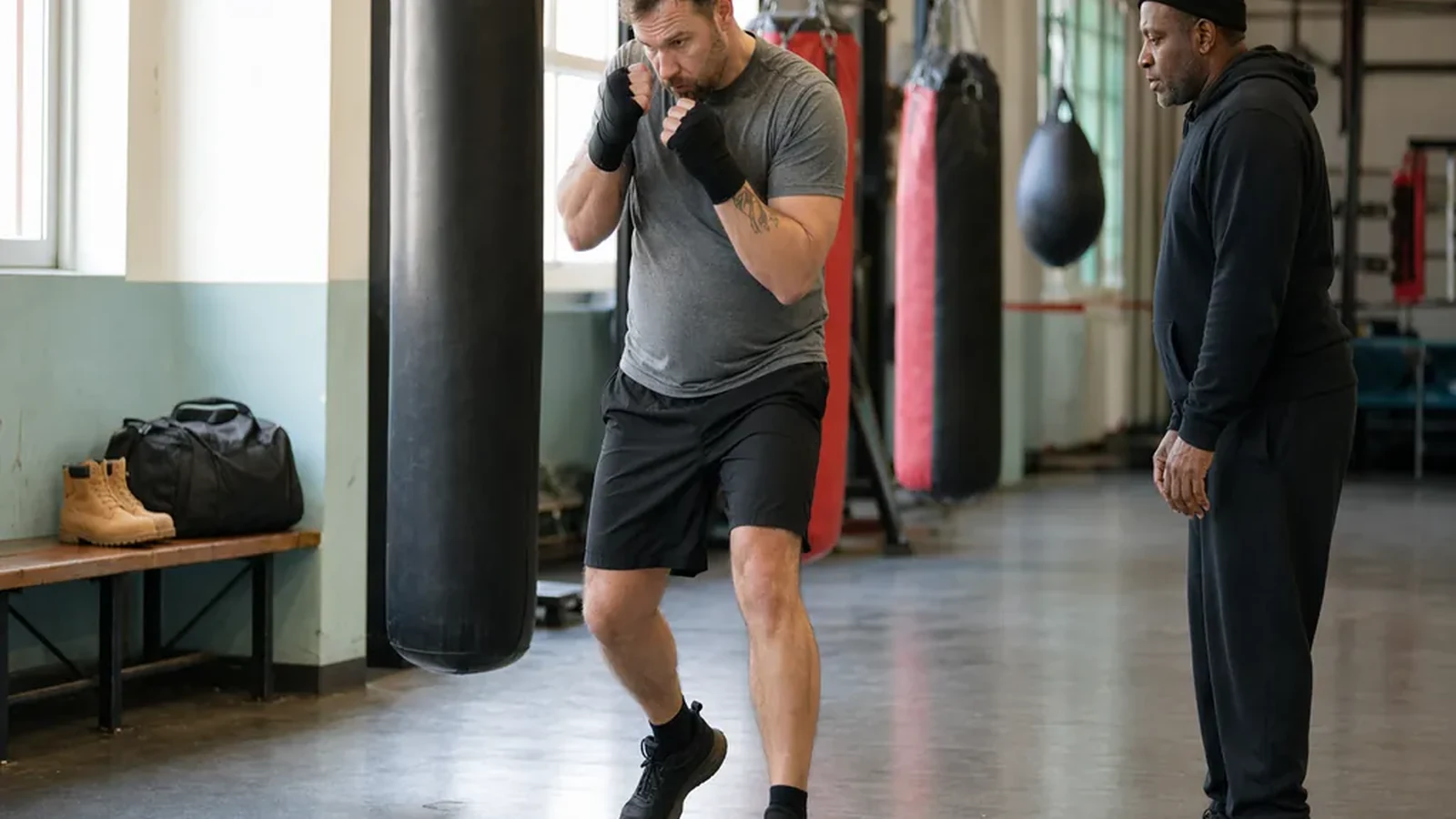
Boxing trains rotation instead of just lifting and bracing
A lot of trade work is bracing.
You hold something in place. You fix it. You carry it. You press, pull, push, grip and stabilise. Useful strength, but often in awkward lines.
Boxing adds rotation and rhythm. A good punch starts from the floor, turns through the hips, uses the trunk and finishes through the shoulder and hand. That is very different from muscling through a job with the arms and lower back.
For carpenters, that matters. Better rotation and trunk control help the body share work. You are not trying to fix back pain by hitting bags. You are training the body to move in a more athletic way outside the narrow patterns of site work.
The Health and Safety Executive's musculoskeletal disorders at work guidance warns about manual handling, repetitive work and awkward postures. Boxing does not replace safer tools, better planning or sensible lifting. It gives you a way to build your own physical base around those demands.
It builds grip and shoulders without more tool work
Carpenters already use their hands all day.
That does not mean the hands, wrists, shoulders and upper back are trained well. Tool work can be repetitive and static. You can finish the day with tired forearms and tight shoulders without having built much useful endurance.
Boxing gives the upper body a cleaner job. Hand wraps, bag work and pads teach the wrists to stay organised. The shoulders learn to work hard, then relax. The upper back has to keep the guard in place and bring the hands home.
That is a better pattern than spending the whole day gripping, reaching and holding tension.
The key is coaching. If a carpenter walks in and tries to smash every punch like a hammer blow, the shoulders will hate it. The right version is controlled, technical and patient.
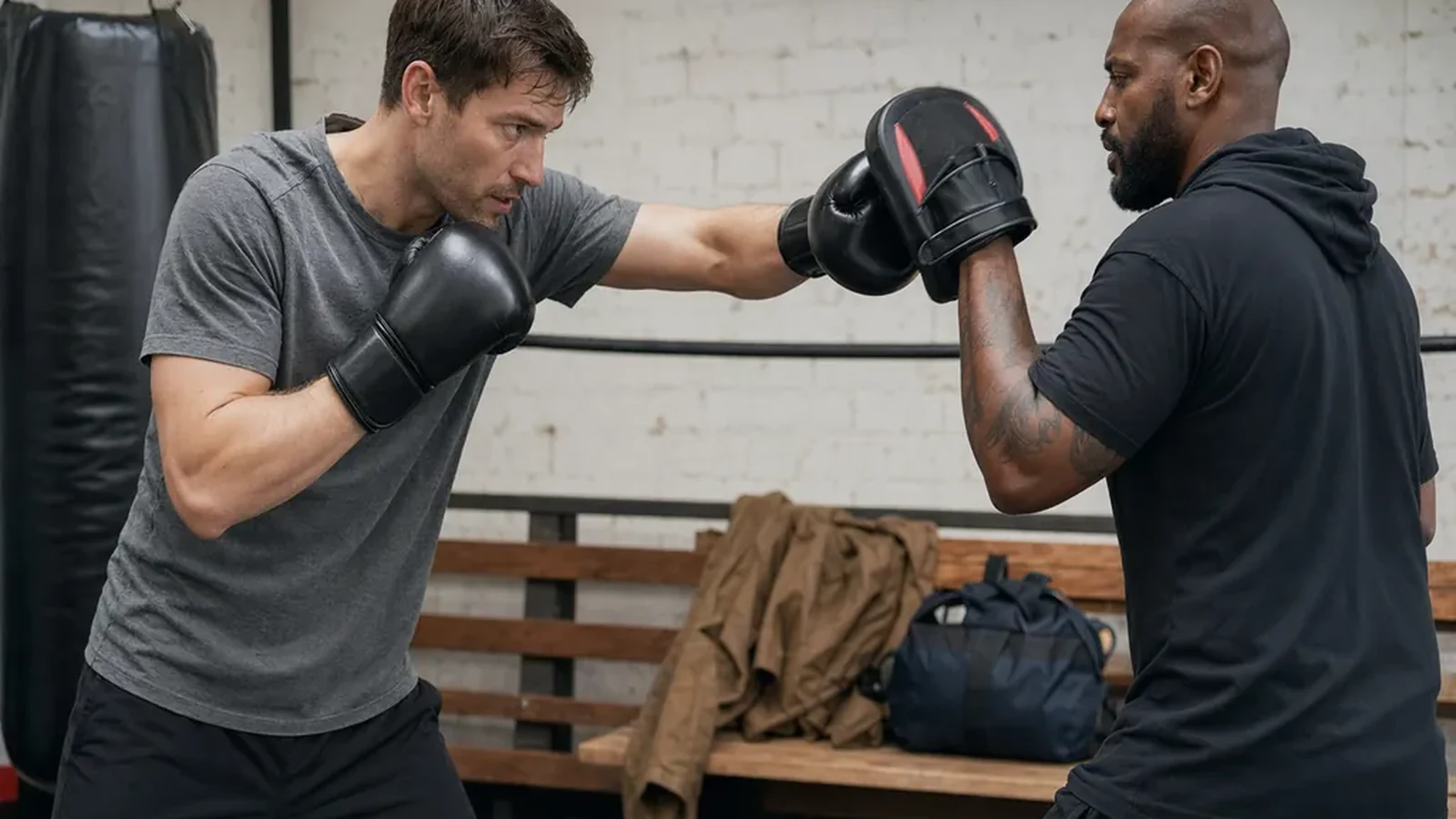
Boxing clears the head after practical problem-solving
Carpentry is not just physical labour.
It is measuring twice, cutting once, fixing mistakes, reading drawings, working around other trades, keeping clients calm, dealing with delays and making awkward spaces look clean at the end.
That kind of focus builds pressure. You can leave site with the body tired and the head still replaying the job.
Boxing gives that pressure somewhere simple to go. You work rounds. You hit pads. You breathe hard. You listen to the coach. The day gets quieter because the task in front of you is immediate.
The Mental Health Foundation says physical activity can help people manage stress, feel more confident and boost mood (physical activity and mental health). Boxing adds a useful directness for practical people. You do not need to talk it to death. You train.
If stress relief is the main reason you are looking, boxing for stress relief is worth reading next.
It is better than treating the job as the workout
A hard day's work is not the same as a training session.
Carpentry can burn energy, but it does not always build fitness in the direction you want. The job may make you strong in odd ranges, tight through the hips, sore through the knees and stiff through the upper back.
Boxing fills the gaps. It gives you rounds, recovery, footwork, coordination, conditioning and a skill that improves over time. You are not only getting tired. You are getting better.
The NHS advises adults to aim for at least 150 minutes of moderate activity each week or 75 minutes of vigorous activity, plus strengthening work on two days (NHS adult activity guidelines). Boxing can help cover both because it mixes cardio, coordination and strength under fatigue.
For tradespeople, that matters. You already spend energy at work. Training has to give something back.
If you are comparing it with a normal gym, boxing vs gym: why people switch explains why coached sessions keep many adults more consistent.
It suits people who learn by doing
Carpenters and joiners usually understand skill better than most gym-goers.
You know what it means to be bad at something, repeat it, correct it and slowly make it cleaner. Boxing works the same way. The first jab feels awkward. The first round of footwork feels messy. Then the body starts to understand.
That makes boxing more satisfying than a vague machine circuit. The feedback is immediate. Did the punch land clean? Did your feet cross? Did your shoulders tighten? Did you breathe?
That practical feedback loop suits people who like making things better with their hands.
It also gives confidence without turning training into ego. Good boxing should make you calmer, not more aggressive. You learn to handle effort, noise and pressure without rushing.
What kind of boxing should carpenters and joiners start with?
Start with coached recreational boxing.
You do not need hard sparring on day one. You do not need to be fit first. You do not need expensive kit or a fighting mindset. You need a class where adults can learn stance, footwork, punching mechanics, bag work, pad work and conditioning at a sensible pace.
Our Adult Recreational boxing classes are built for adults who want proper boxing training without needing previous experience.
If you work or live around Greenwich, Kidbrooke, Blackheath, Woolwich or nearby parts of south east London, the club is practical for after-work training or days when site finishes early enough to move.
Bring normal gym kit, water and patience. If your shoulder, wrist, elbow, knee or back is already painful, get that checked properly. Boxing should build you up, not become another thing you force through.
The honest answer
Boxing will not fix bad site planning, heavy materials, poor access, unsafe lifting or weeks of awkward work.
It will not replace proper rest, good tools, safer handling, knee protection or medical advice when something hurts.
But as exercise, it fits carpenters and joiners well. It builds useful conditioning, trains rotation, improves posture, gives the hands and shoulders a better job and clears the head after a practical day.
For carpenters and joiners, that is not vanity. It is maintenance.
How to start if you do this job
For most carpenters, the best first step is a normal coached group class, not a complicated programme. Start with Adult Recreational boxing or the broader adult beginner boxing guide if you want to understand what happens first.
If your rota, clients or working hours make set classes hard, use boxing personal training or private boxing lessons as the paid route. The free trial is for scheduled group classes.
Book a free trial session at Honour and Glory Boxing Club.
More job-specific boxing guides
If this article fits your work pattern, the full boxing for workers guide links the rest of the job-specific series, including desk workers, shift workers, trades, carers, drivers, teachers and busy professionals.
H&G Team
Writer at Honour & Glory Boxing Club, a community boxing gym in Kidbrooke, South East London.
KEEP READING
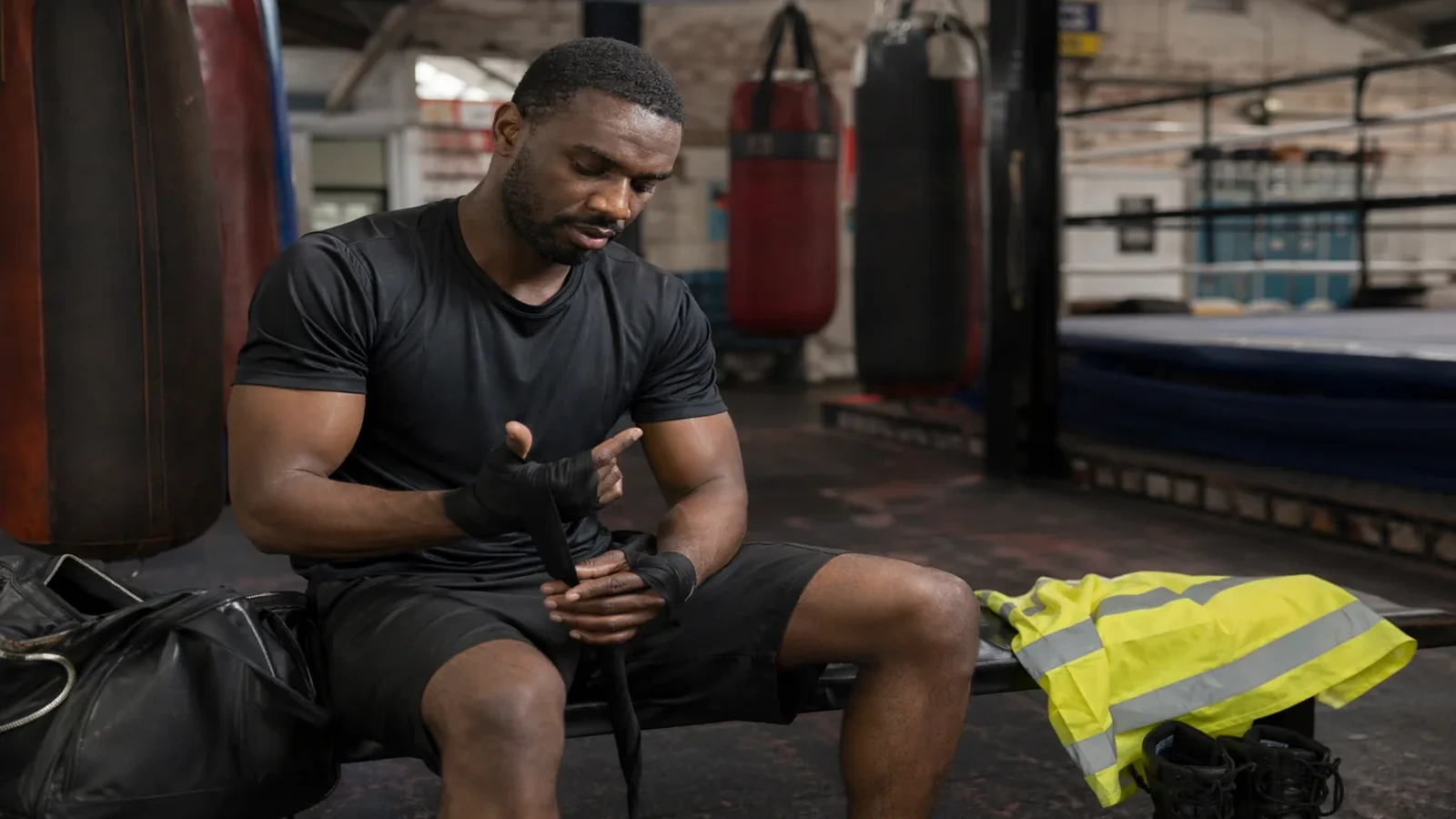
Boxing Fitness for Warehouse Workers: When It Fits
Boxing can be a useful training option for warehouse workers when you want coached movement, conditioning and a clear break from work. It is not the only answer, but it can fit well.
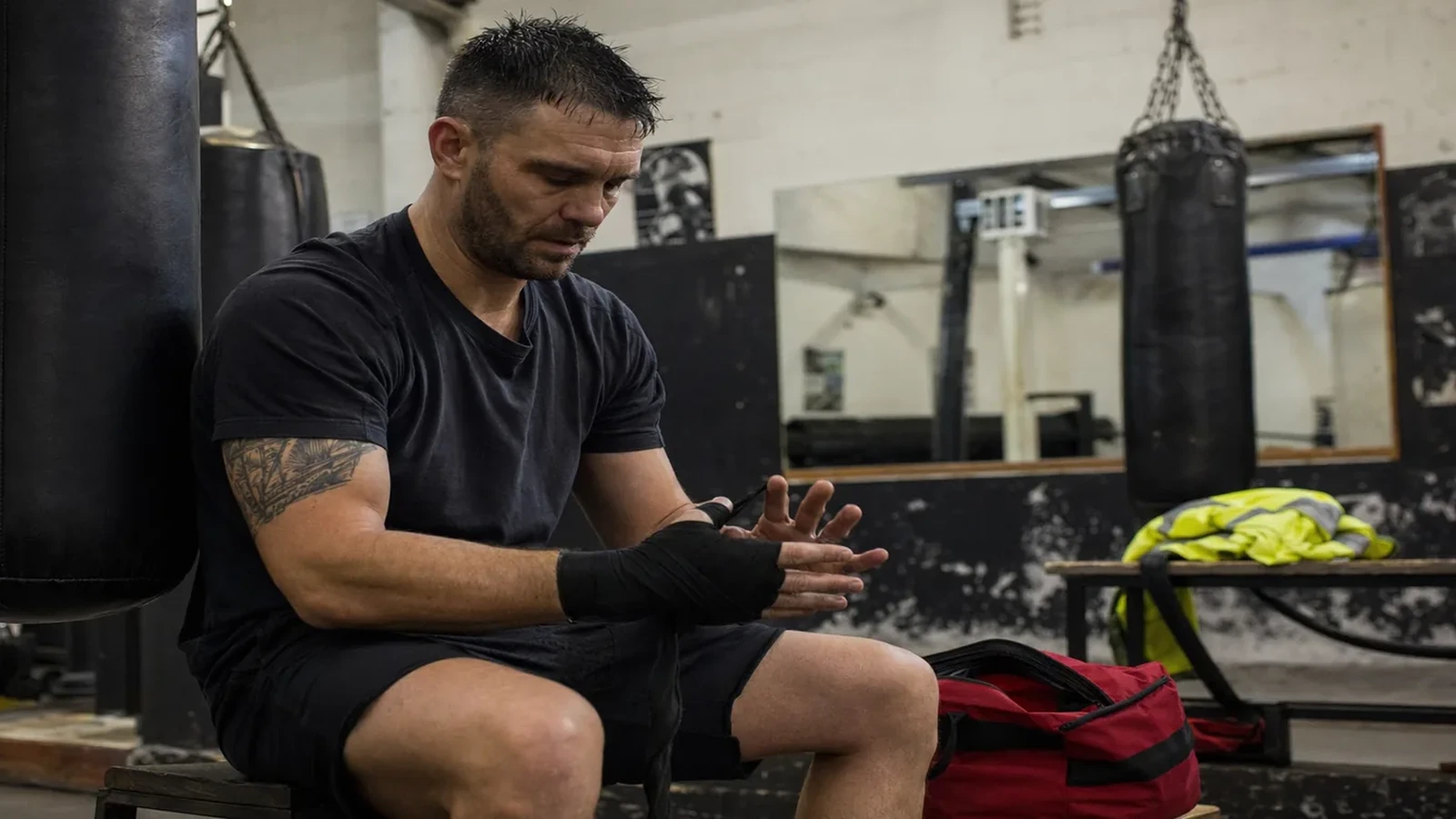
Boxing Fitness for Firefighters and Paramedics: When It Fits
Boxing can be a useful training option for firefighters and paramedics when you want coached movement, conditioning and a clear break from work. It is not the only answer, but it can fit well.
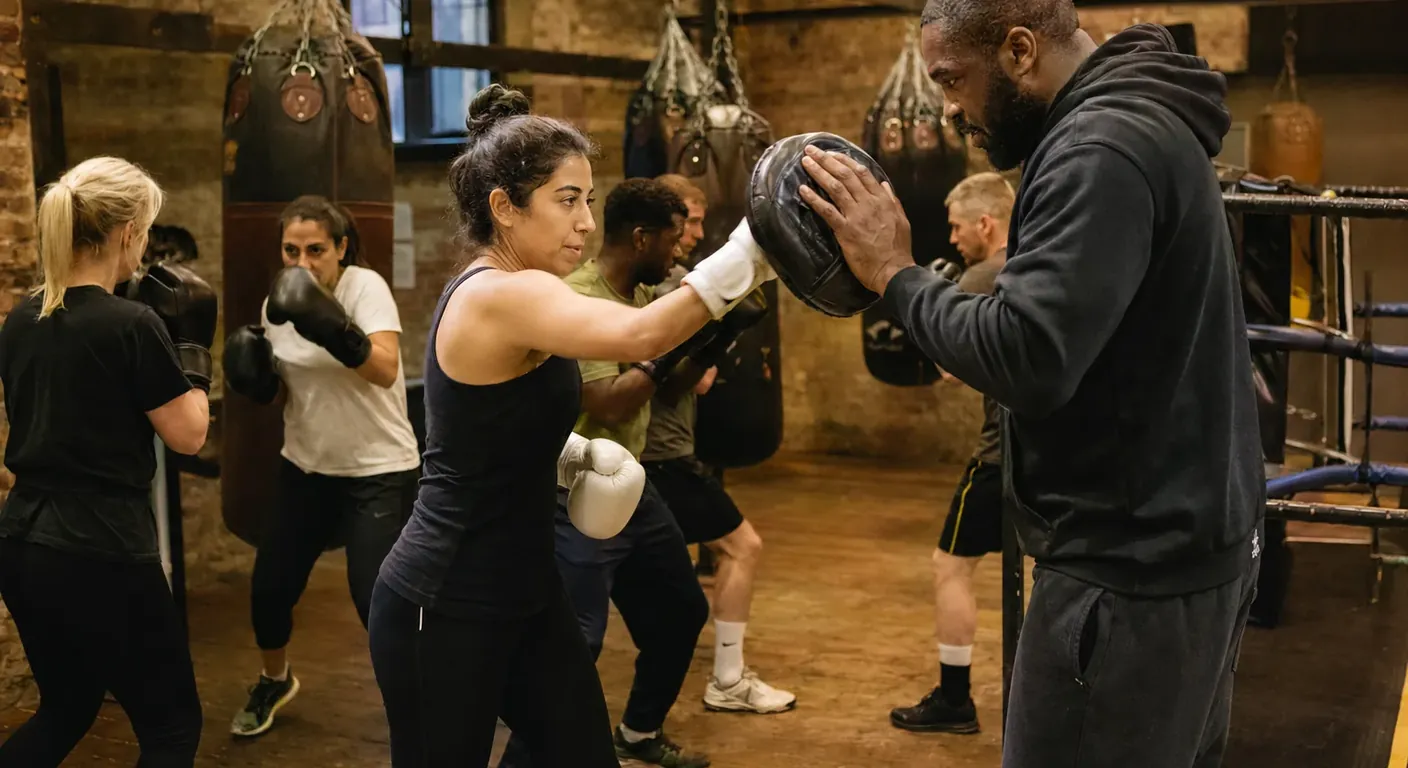
Gym or Boxing: Which Is Better for Fitness?
A practical answer to whether a gym or boxing is better for fitness, weight loss, confidence and long-term consistency.
Was this page helpful?
It takes one tap, and it genuinely helps.
Choose your next step
Turn this article into the right action
Some readers are ready to book. Some need the class route first. Pick the route that matches what you actually want.