Boxing Fitness for Firefighters and Paramedics: When It Fits
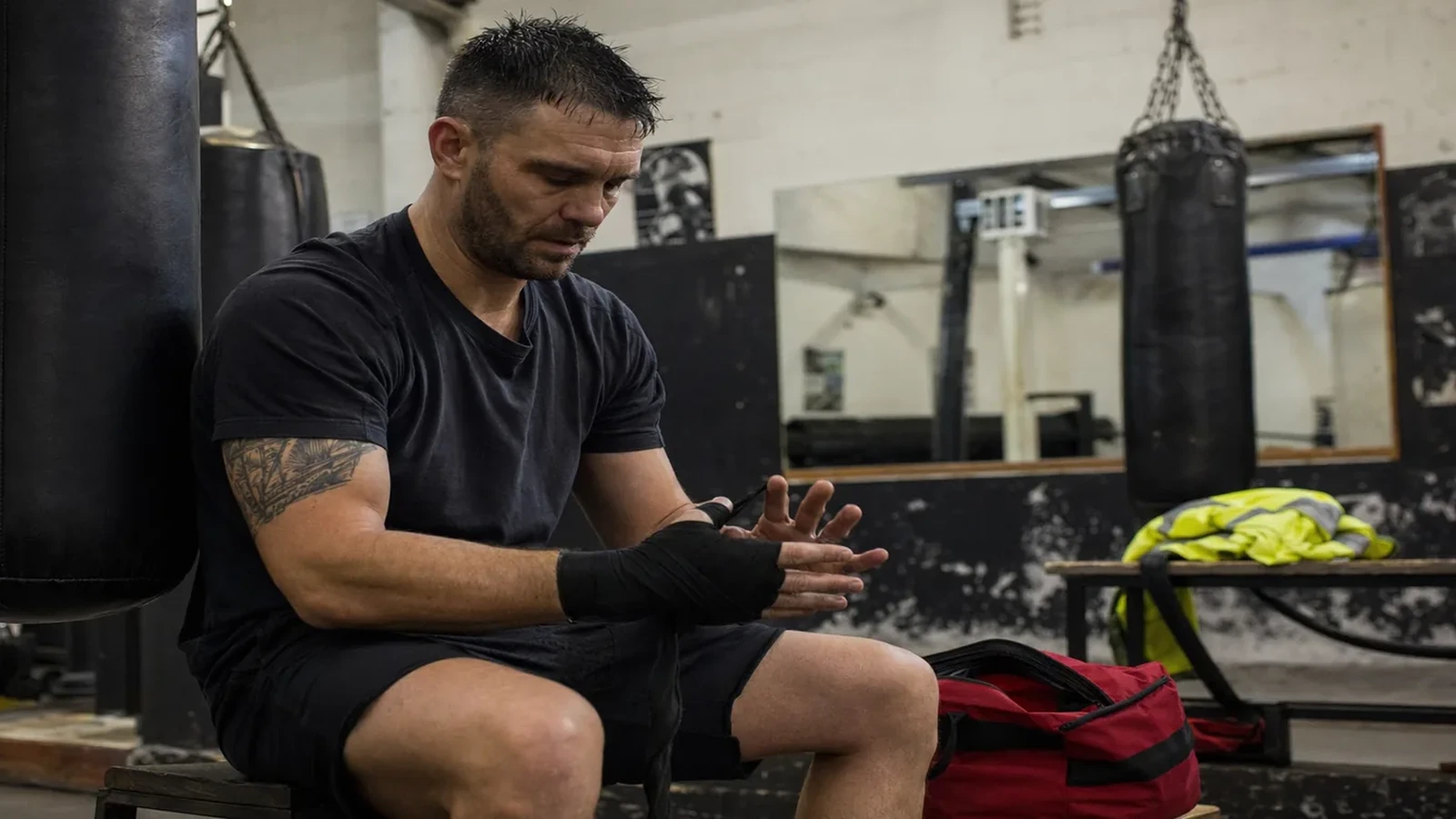
Best exercise for firefighters and paramedics? Boxing makes more sense than most standard gym plans.
Both jobs ask a lot of the body, but not in a neat way. There are quiet stretches, sudden spikes, awkward lifting, long shifts, poor sleep, emotional pressure and moments where you have to stay calm while everyone else is not. That is a hard mix to train for.
The best exercise for firefighters and paramedics needs to do more than burn calories. It needs to build usable conditioning, coordination, trunk strength, mental control and a way to clear stress without adding more noise to an already intense job.
That is where boxing fits.
Emergency work is not normal fitness demand
Firefighters and paramedics do not need fitness in the same way an office worker does.
The work can be physically demanding, but it is also unpredictable. You might go from sitting, driving or waiting to carrying kit, climbing stairs, moving a patient, handling a scene or working under time pressure. That stop-start pattern is tiring in a different way from a planned gym session.
Research on firefighters has linked occupational stress with musculoskeletal disorders, and found that high psychological demands can sit alongside physical strain (firefighter stress and musculoskeletal study). That makes sense. The body is not just lifting and moving. It is doing it under pressure.
Paramedics face a similar problem. A review of UK ambulance staff found stress and burnout were common within the ambulance-service environment, with consequences for sickness absence and mental health (UK ambulance staff burnout review). Again, that is not just a mindset issue. Long-term stress changes how training feels, how well people recover and how easy it is to keep good habits.
Boxing builds conditioning without feeling like another test
A lot of emergency-service fitness advice sounds like another assessment.
Run this time. Lift this load. Hit this target. Track this number. There is a place for that, especially where occupational standards apply, but not every training session should feel like a pass-or-fail exercise.
Boxing gives hard conditioning without that stale feeling. You work rounds. You recover. You go again. Bag work, pad work, footwork and bodyweight conditioning all create repeated efforts under fatigue, which is much closer to real working demand than a slow treadmill jog.
It also changes the mental feel of training. You are learning a skill while getting fitter. You have something to focus on other than the clock, the screen or the next test.
Shift work needs training that respects recovery
Shift work complicates everything.
Sleep is not always where it should be. Meal timing can drift. Training windows can be awkward. Some days you feel flat for reasons that are completely rational, even if the calendar says you should be ready to train.
NHS guidance for night workers warns that working at night can cause sleep deprivation, fatigue and accumulating sleep debt (NHS night-shift sleep advice). Emergency-service workers know that without needing a leaflet. The question is what kind of exercise still works around it.
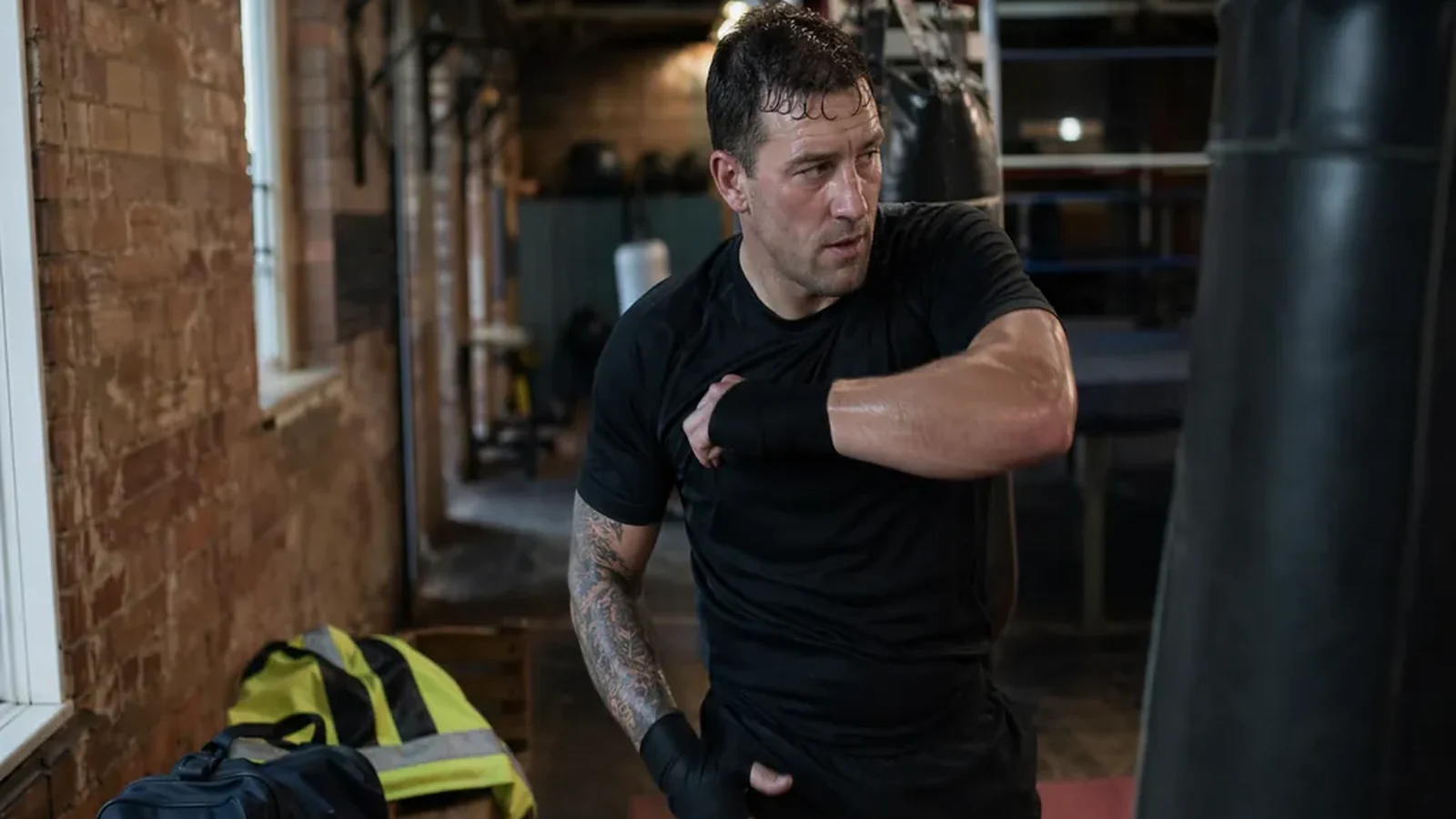
Boxing can be scaled. A good session does not have to mean sparring or trying to empty the tank every time. You can work technique, footwork, controlled bag rounds, pads and conditioning at different intensities. That makes it useful for people whose week does not follow a tidy Monday-to-Friday rhythm.
The honest rule is simple: train hard when you are ready, train technically when you are tired, and do not treat exhaustion as proof of character.
The body needs rotation, bracing and awkward strength
Firefighters and paramedics do a lot of real-world movement that normal gym machines do not copy well.
There is carrying, bracing, stepping, twisting, reaching, pulling, getting in and out of vehicles, handling kit and working in awkward spaces. It is not always heavy in the clean gym sense. It is often messy, uneven and time-sensitive.
Boxing helps because it uses the whole body. A punch is not an arm exercise. It needs foot position, hip rotation, trunk stiffness, shoulder control and balance. Defensive movement asks for coordination under fatigue. Pad rounds ask you to react and reset rather than just repeat one tidy pattern.
That is valuable for emergency-service workers because the goal is not only looking fit. It is feeling useful, mobile and composed when the work gets physical.
The NHS recommends adults do at least 150 minutes of moderate intensity activity a week or 75 minutes of vigorous activity, plus strengthening work on two days a week (NHS adult activity guidelines). Boxing can help cover both sides when it is coached properly.
Boxing trains calm without pretending stress is simple
There is a mental side here that matters.
Firefighters and paramedics spend a lot of time around pressure, waiting and the worst days of other people. That does not always show up as one dramatic moment. It can show up as short temper, poor sleep, low motivation, feeling wired after work or feeling oddly flat after a difficult shift.
Boxing does not solve trauma, poor staffing, bad rotas or emotional load. It is not therapy. But it does give the nervous system a direct, structured outlet: focus, breathe, move, hit pads, reset.
A round has a useful honesty to it. If you panic, you waste energy. If you tense up, you get slower. If you breathe and stay organised, you last longer. That lesson is simple, physical and hard to fake.
For people who already work in high-pressure roles, that kind of training can feel cleaner than a gym session where the mind keeps drifting back to work.
If stress-release is the main draw, boxing for stress relief is worth reading next.
What kind of boxing works best?
For most firefighters and paramedics, the right starting point is recreational boxing two or three times a week when shifts allow.
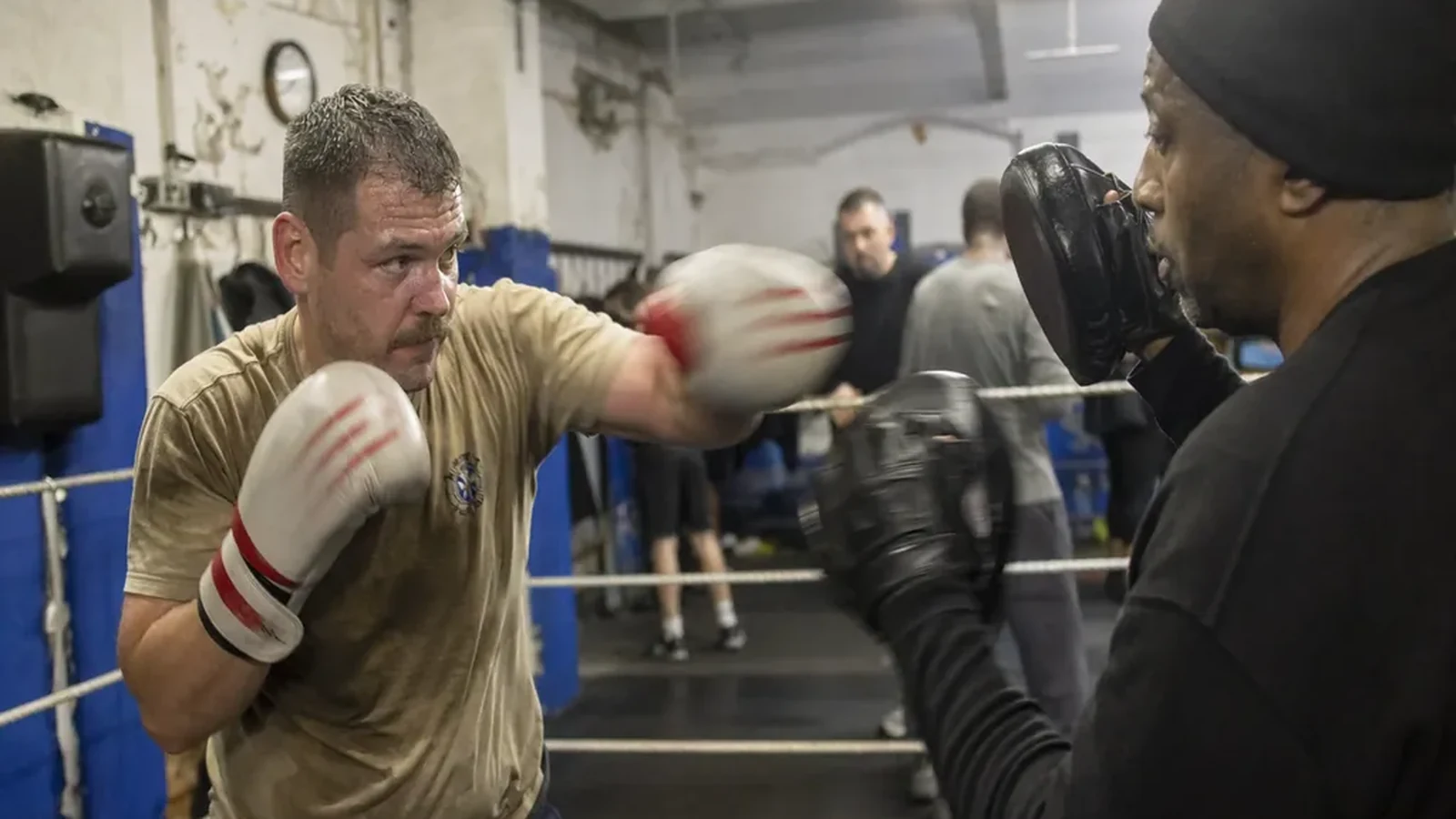
That does not mean hard sparring. It does not mean trying to turn a demanding job into another identity built around toughness. It means proper coached boxing: warm-up, footwork, bag rounds, pad work, technique and conditioning.
Our Adult Recreational boxing classes are the best fit for that. They give structure, coaching and pressure in a controlled setting, without needing previous boxing experience.
If you are based around Greenwich, Kidbrooke, Blackheath or nearby parts of south east London, the club is practical for shift workers who need training that can slot around irregular hours.
The honest caveat
Boxing will not make shift work easy.
It will not fix chronic sleep debt, bad recovery or a body that is already carrying an untreated injury. If your back, shoulder, knee or neck is giving you repeated pain, get proper advice rather than trying to outwork it.
But if the question is what exercise gives firefighters and paramedics useful conditioning, better movement, stress release and a way to stay calm under effort, boxing is one of the strongest answers.
It is physical without being mindless. It is hard without being chaotic. And for people whose jobs already ask for composure under pressure, that matters.
If you want the broader comparison, boxing vs gym: why people switch explains why many adults stick with boxing when normal gym training goes stale.
How to start if you do this job
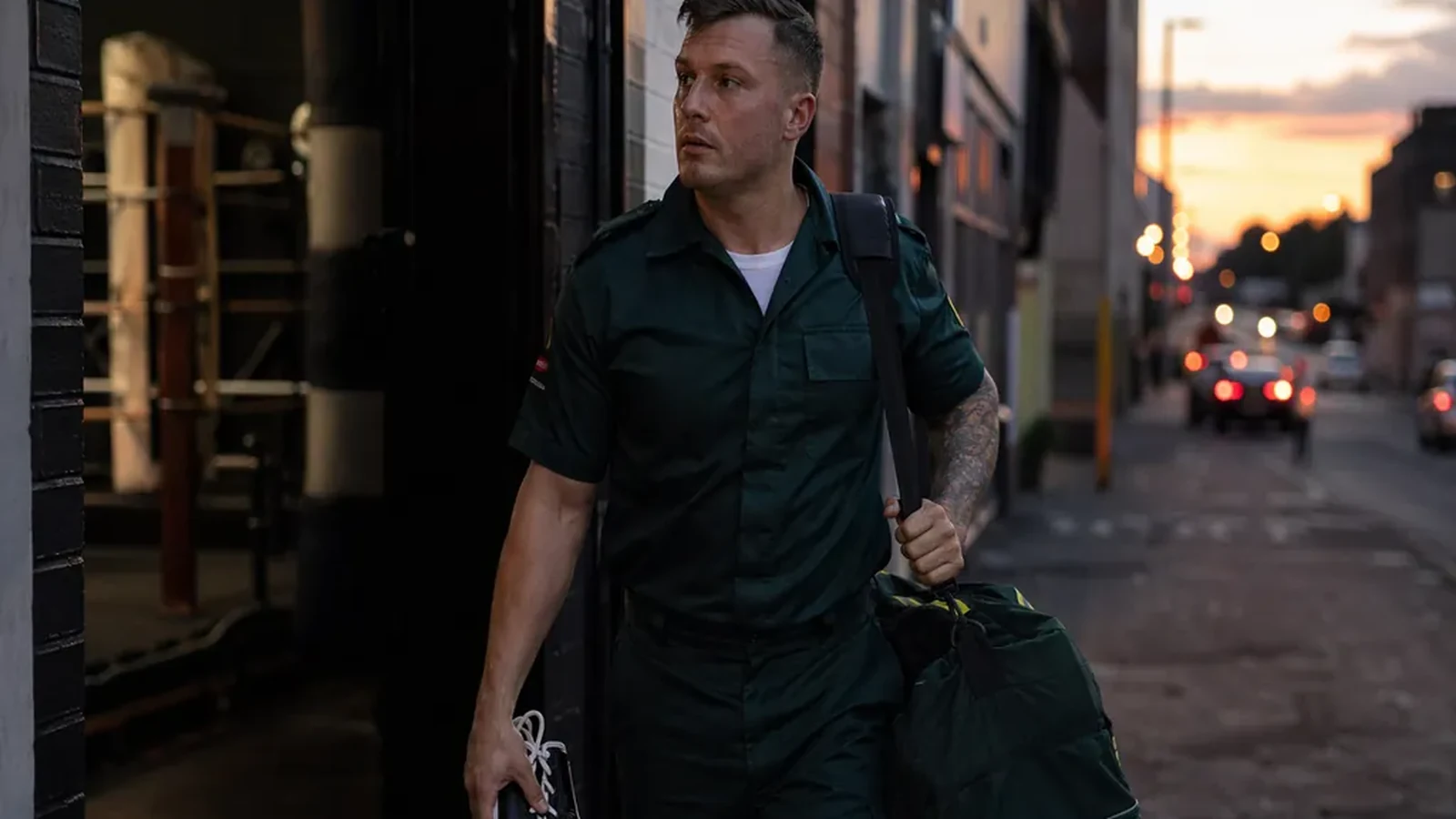
For most firefighters and paramedics, the best first step is a normal coached group class, not a complicated programme. Start with Adult Recreational boxing or the broader adult beginner boxing guide if you want to understand what happens first.
If your rota, clients or working hours make set classes hard, use boxing personal training or private boxing lessons as the paid route. The free trial is for scheduled group classes.
Book a free trial session at Honour and Glory Boxing Club.
More job-specific boxing guides
If this article fits your work pattern, the full boxing for workers guide links the rest of the job-specific series, including desk workers, shift workers, trades, carers, drivers, teachers and busy professionals.
H&G Team
Writer at Honour & Glory Boxing Club, a community boxing gym in Kidbrooke, South East London.
KEEP READING

Boxing Fitness for Warehouse Workers: When It Fits
Boxing can be a useful training option for warehouse workers when you want coached movement, conditioning and a clear break from work. It is not the only answer, but it can fit well.
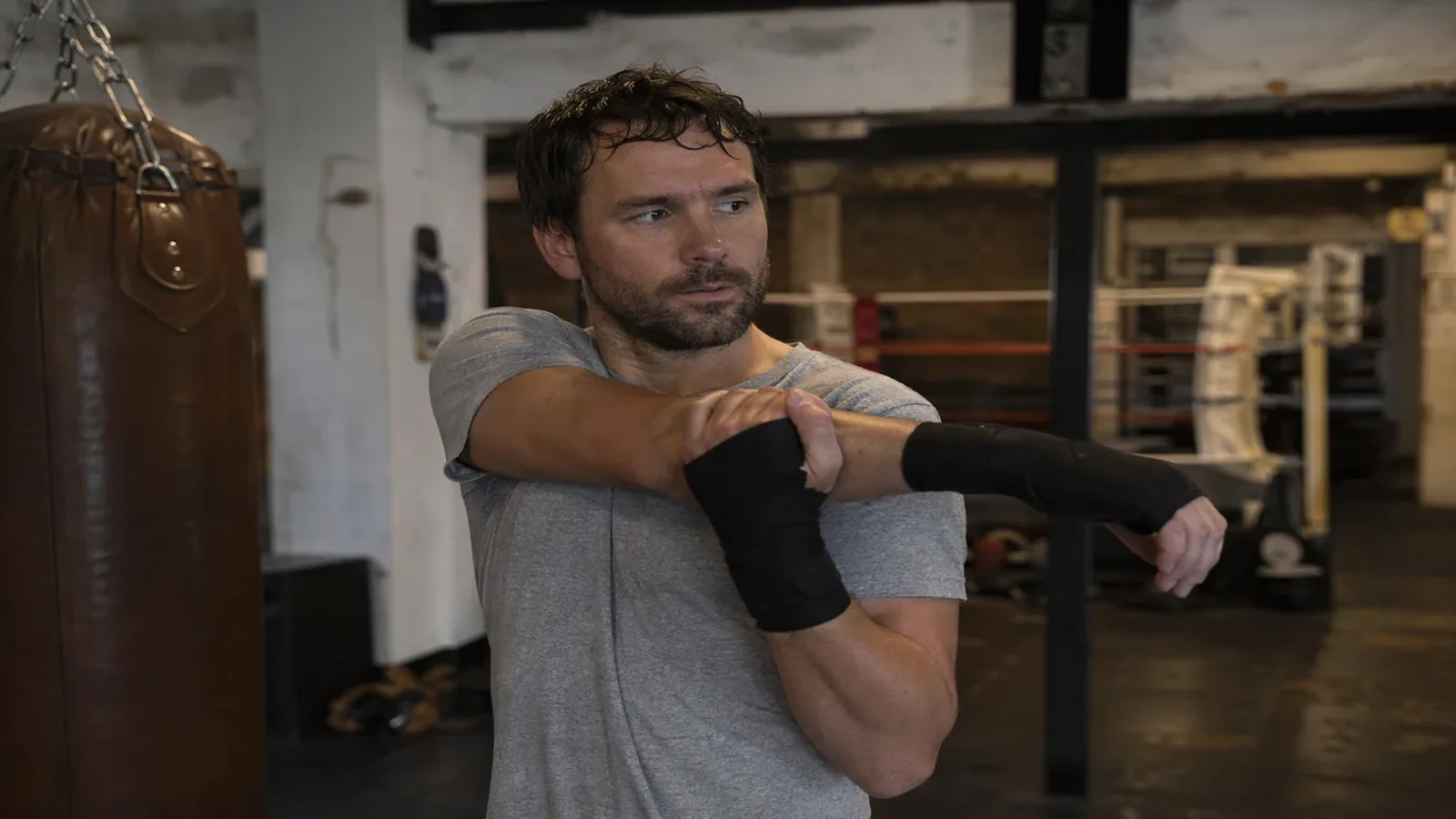
Boxing Fitness for Nurses: When It Fits
Boxing can be a useful training option for nurses when you want coached movement, conditioning and a clear break from work. It is not the only answer, but it can fit well.
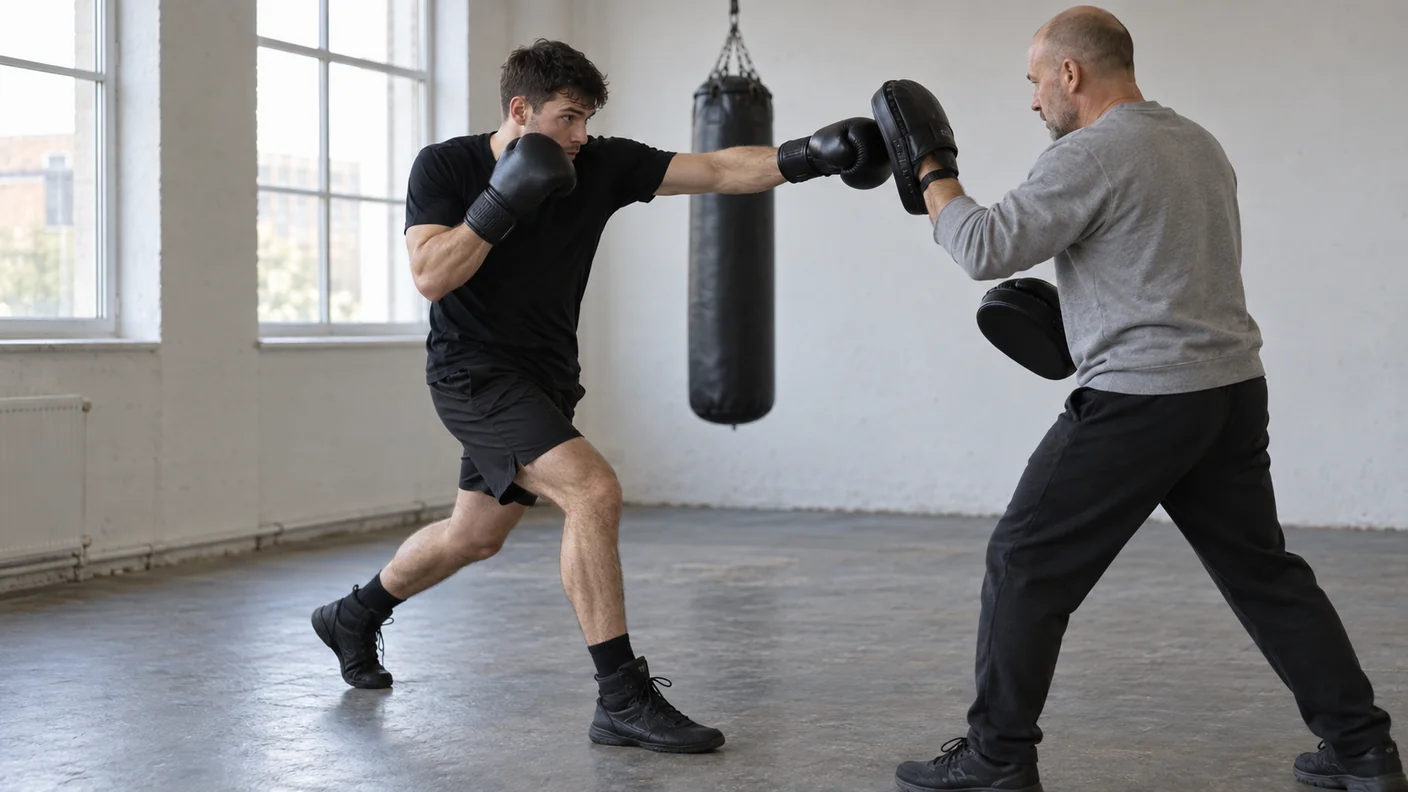
Forward Shift Boxing: Close Distance Without Lunging
Use a controlled forward stance shift to close distance only when your guard, feet and next decision stay organised.
Was this page helpful?
It takes one tap, and it genuinely helps.
Choose your next step
Turn this article into the right action
Some readers are ready to book. Some need the class route first. Pick the route that matches what you actually want.