Bam Rodriguez’s Inoue Plan: Brother First, Monster Next
Bam Rodriguez’s Inoue Plan: Brother First, Monster Next
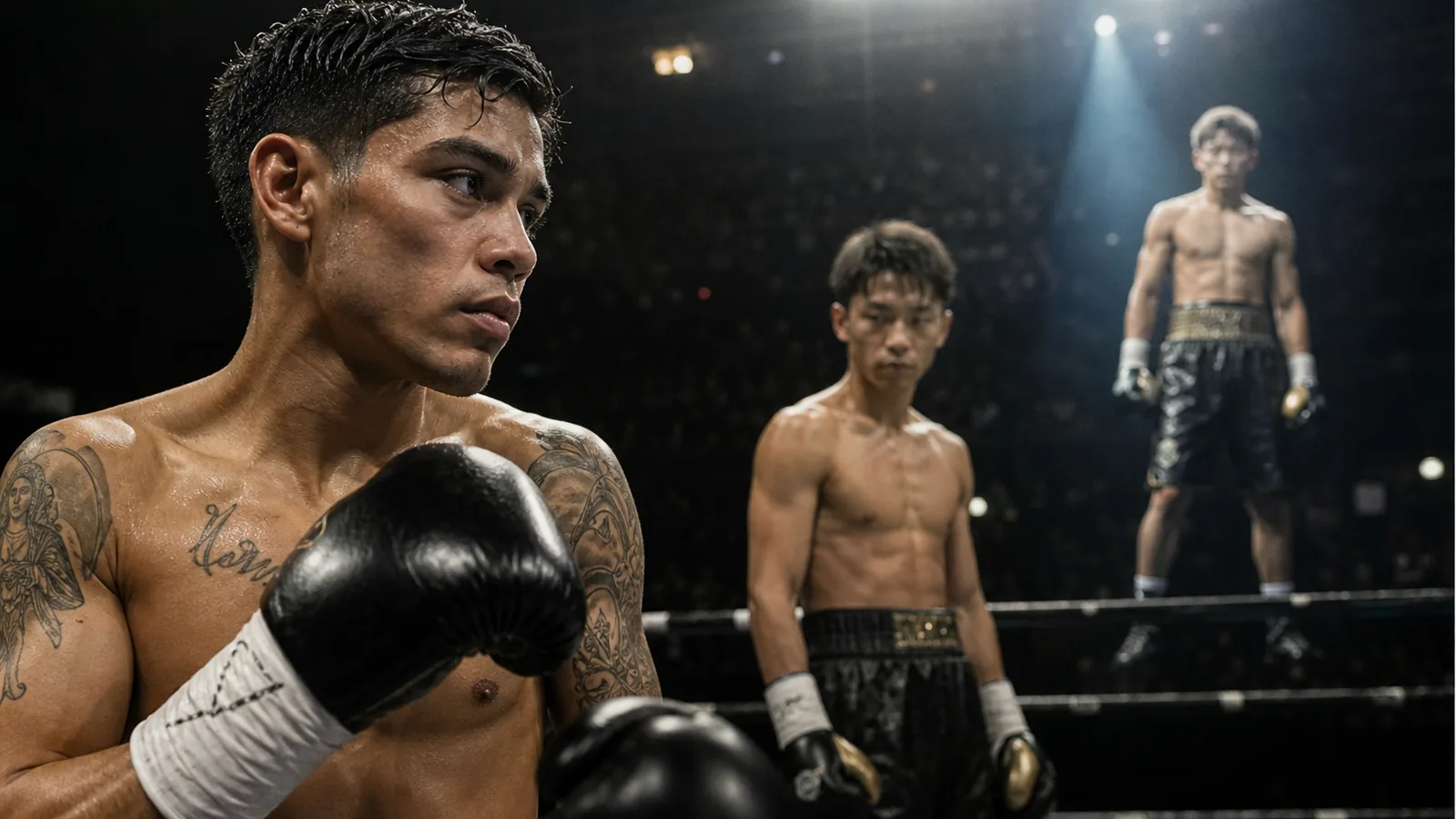
Jesse “Bam” Rodriguez understands something that boxing still forgets far too often: the biggest fights are not only made by rankings, belts and purse bids. They are made by timing. They are made by imagination. They are made by giving the public a reason to care before the first bell.
That is why Bam’s idea of fighting Takuma Inoue before Naoya Inoue is more than a clever soundbite. It is smart matchmaking.
Rodriguez has been open about the lure of Naoya Inoue, but according to Boxing247’s report on his preferred path, he sees a fight with Takuma first as “almost the perfect storyline”. Beat the brother, then go after the Monster.
It sounds simple. It is not.
In the lower weight classes, where brilliant fighters are too often asked to sell themselves on skill alone, story matters. Bam against Naoya is already a purist’s dream. Bam against Takuma first gives that dream a runway.
Why Takuma First Makes Sense
On paper, Naoya Inoue is the prize. He is the name. He is the danger. He is one of the most destructive fighters of this era, a four-weight world champion and a man whose nickname, “The Monster”, is not marketing fluff.
But the quickest route to the biggest fight is not always the straightest one.
The reports around Bam’s next steps have all circled the same idea. Athlon Sports framed the plan clearly: Rodriguez wants Takuma Inoue before challenging Naoya. Bad Left Hook also picked up on the “perfect storyline” angle, noting that Bam is still focused on Antonio Vargas, but that the Takuma route gives a future Naoya fight a cleaner narrative.
That matters because boxing needs shape. Fans do not just remember who beat who. They remember the road.
Think about it from Bam’s side. He is moving up, chasing another world title, and trying to bring his elite southpaw craft into a division where the bodies are bigger and the stakes are sharper. A win over Antonio Vargas would already be important. A win over Takuma Inoue after that would do three things at once.
First, it would give Bam a major bantamweight scalp.
Second, it would attach his name directly to the Inoue family story.
Third, it would make Naoya feel less like a fantasy fight and more like unfinished business.
That is how you build momentum without begging for attention.
Takuma Is Not Just Someone’s Brother
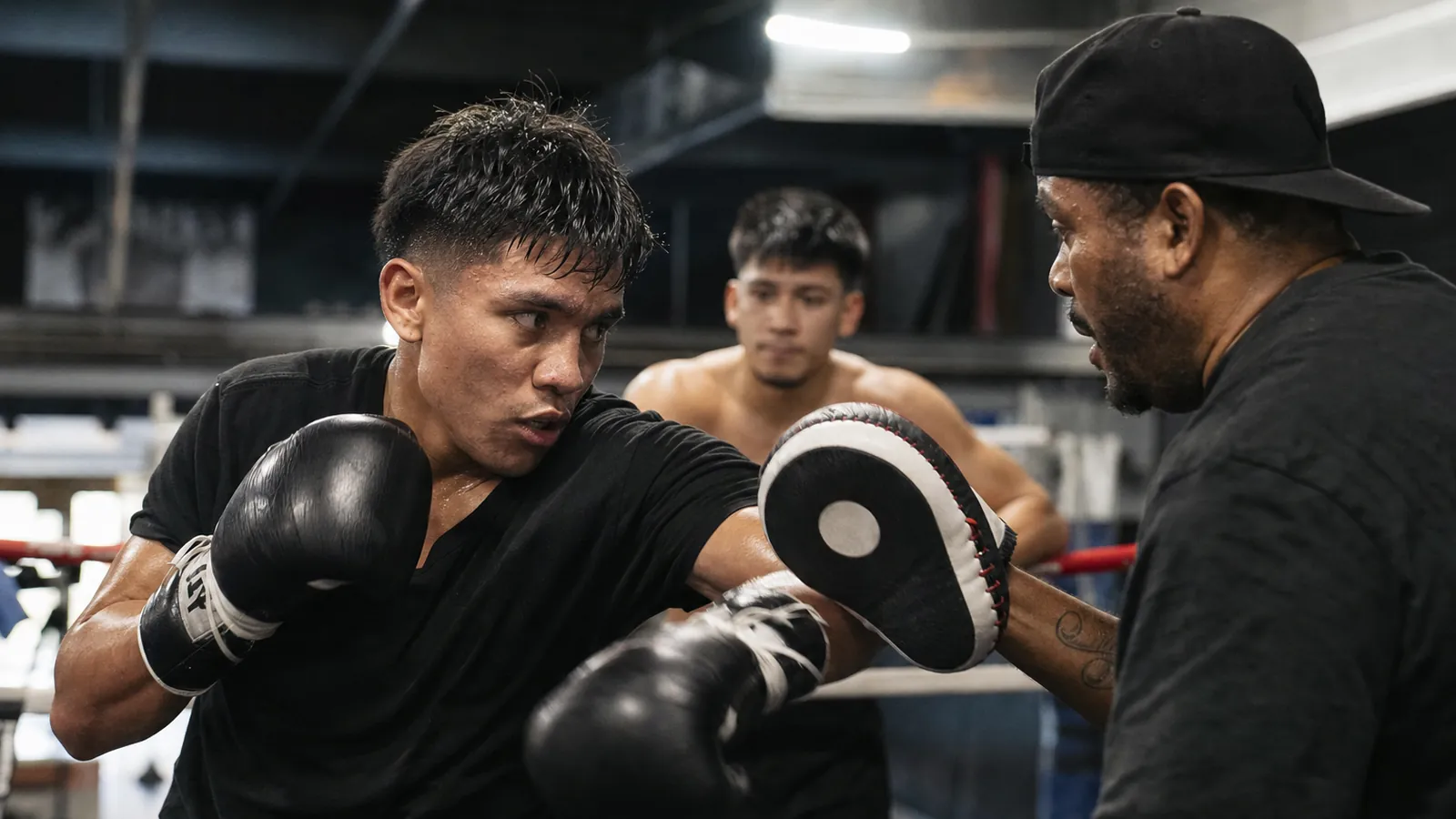
There is a danger in this discussion, and it is worth getting out of the way. Takuma Inoue should not be treated as a prop.
Yes, his surname is part of the appeal. Nobody is pretending otherwise. But Takuma is a serious fighter in his own right. He is technically sound, disciplined, experienced and far more than a convenient family connection.
The point is not that Bam would be taking an easy fight before the real fight. The point is that he would be taking a meaningful fight that adds weight to the bigger one.
That is an important distinction.
Bad matchmaking is when a fighter is steered through soft opposition while everyone talks about the fight they are not having. Smart matchmaking is when each step carries sporting value and promotional value. Takuma ticks both boxes.
He gives Bam a test at the weight. He gives the public a clean storyline. He gives Japanese boxing fans a reason to watch Bam more closely. He also gives Naoya Inoue, if the fight happens and Bam wins, a personal edge that no press conference could manufacture.
Boxing loves to talk about legacy, but legacy is built through context. Beating Takuma would not make Bam better prepared for Naoya’s punching power, speed or ring violence. It would not magically solve the problem of facing one of the best fighters alive. What it would do is put Bam into the Inoue orbit with a result that cannot be ignored.
That is valuable.
Bam Is Playing the Long Game
There is a reason Bam Rodriguez is so interesting. He does not fight like a man chasing headlines. He fights like a man chasing mastery.
He has already shown rare maturity in the ring. He can box, press, counter, adjust, change rhythm, and punish mistakes without needing to force everything. His footwork is not flashy for the sake of it. It creates angles. His body punching is not decorative. It changes fights.
That is why the Naoya talk has caught fire. It is not because Bam is loud. It is because the style match-up is genuinely fascinating.
BoxingScene reported that Rodriguez let a “juicy nugget” slip about a possible Naoya Inoue fight, with Bam acknowledging how much people are already talking about it. NoSmokeSport also covered Rodriguez’s interest in a Naoya super fight after a bantamweight move, while bet365’s boxing news framed the Antonio Vargas fight as a route towards becoming a three-weight world champion.
This is the key point: Bam is not skipping the work.
He is not saying, “Give me Naoya because I fancy it.” He is trying to make himself undeniable at bantamweight first. If he beats Vargas, then beats Takuma, the Naoya fight stops being a social media argument and becomes a proper event.
That is the difference between hype and construction.
Smaller Fighters Need Bigger Storylines
Boxing has a bad habit of underselling its smaller-weight fighters.
The skill level can be absurd. The pace can be higher than the heavyweights. The tactical exchanges can be sharper. Yet the wider sporting public often arrives late, if it arrives at all.
That is not the fighters’ fault. It is usually a failure of presentation.
The lower divisions need stories that casual fans can understand in one sentence. Bam’s plan has that.
“First he fights the brother. Then he fights the Monster.”
That is not cheap. That is effective.
It gives people a hook. Once they arrive, the boxing can do the rest. Fans who tune in for the family angle might stay for Bam’s angles, Naoya’s brutality, Takuma’s discipline and the sheer quality of the weight classes around them.
This is where promoters, broadcasters and boxing media need to be sharper. You cannot complain that the public does not follow the smaller divisions if you refuse to build clear paths through them.
Naoya Inoue became a global name because his violence was impossible to ignore, but also because his career had direction. Weight by weight, title by title, opponent by opponent, the story made sense. Bam has the chance to create something similar from the other side of the map.
The Risk Is Real
The romantic version of this plan is easy. Bam beats Vargas, beats Takuma, calls out Naoya, and boxing gets one of its best fights.
The sport is rarely that tidy.
Antonio Vargas is not a warm-up. Moving up in weight is not a formality. Takuma Inoue would not be turning up to help promote his brother. He would be coming to win. Injuries, sanctioning bodies, broadcast politics and promotional priorities can all damage a good idea before it becomes a signed contract.
There is also the danger of overbuilding.
Wait too long and a super fight can lose heat. Take one fight too many and the whole thing can vanish. Boxing history is full of fights that were “inevitable” until they were not.
That is why Bam’s timing matters. The Takuma step works only if it is a step, not a holding pattern. It has to move the story forward. It cannot become a substitute for Naoya.
If Bam beats Vargas and the Takuma fight is available, take it. If he beats Takuma, the Naoya fight should be next in line, not trapped behind another round of “marination”.
Boxing fans know that word too well, and usually not fondly.
What Young Boxers Can Learn From This
There is a lesson here for fighters at every level, including the young boxers walking into gyms like Honour & Glory in Kidbrooke.
Ambition is good. Calling out the best is good. But the route matters.
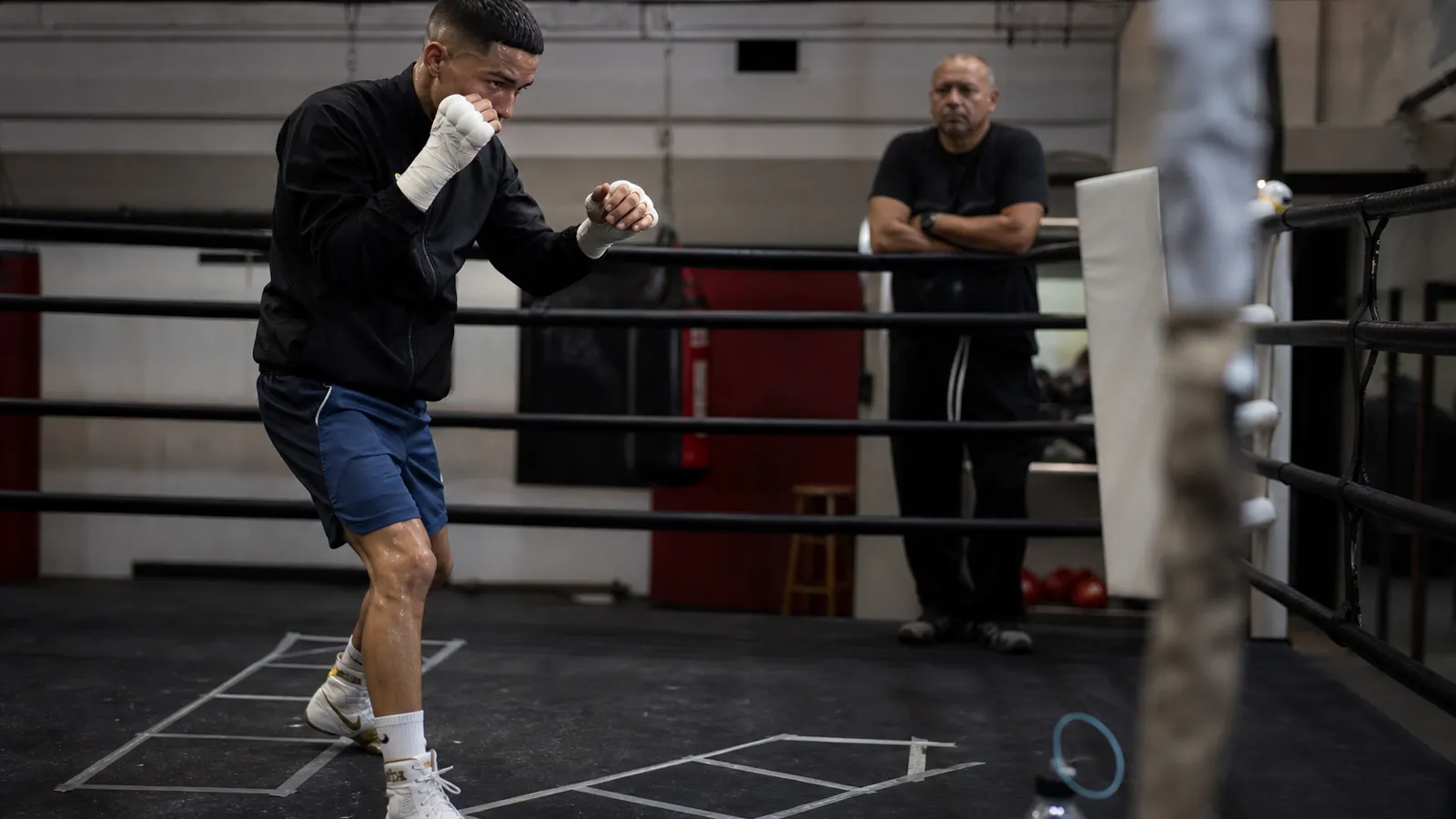
A boxer does not jump from learning stance and guard straight into sparring rounds with the sharpest fighter in the room. You build. You learn distance. You improve your defence. You test yourself under pressure. You earn the next challenge.
That is not fear. That is development.
The same principle exists at world level, only with bigger names and brighter lights. Bam Rodriguez wanting Takuma before Naoya is not ducking the Monster. It is shaping the climb.
For anyone starting boxing in SE London, whether you are a complete beginner or already training regularly, that mindset is worth copying. Pick the right next challenge. Win it properly. Then move again. If you want to train in a structured environment with coaches who care about fundamentals, you can see Honour & Glory’s boxing options here: /classes.
The Fight Game Needs More of This
The best part of Bam’s plan is that it treats boxing like sport and theatre at the same time.
That is what boxing is at its best. It is not enough to have good fighters in separate corners. The public needs stakes. The fighters need progression. The event needs a reason to exist beyond another belt graphic on a poster.
Bam against Naoya Inoue would sell to hardcore fans tomorrow. But Bam beating Takuma first would make it bigger, cleaner and sharper. It would give Naoya a personal angle. It would give Bam a stronger claim. It would give the smaller divisions a rare mainstream-friendly story that does not insult the boxing.
That is the sweet spot.
There are still fights to win and contracts to sign. Bam has business in front of him before any Inoue conversation becomes real. But as a piece of matchmaking logic, “brother first, Monster next” is excellent.
Not because it is dramatic.
Because it is dramatic and sensible.
H&G Team
Writer at Honour & Glory Boxing Club, a community boxing gym in Kidbrooke, South East London.
KEEP READING
Inoue moves on from Bam Rodriguez: what changes at super-bantamweight?
Explore the implications of Inoue apparently moving away from a Bam Rodriguez fight: whether it is a realistic next-fight shift, what it says about weight-class timing, and which opponents become more plausible.
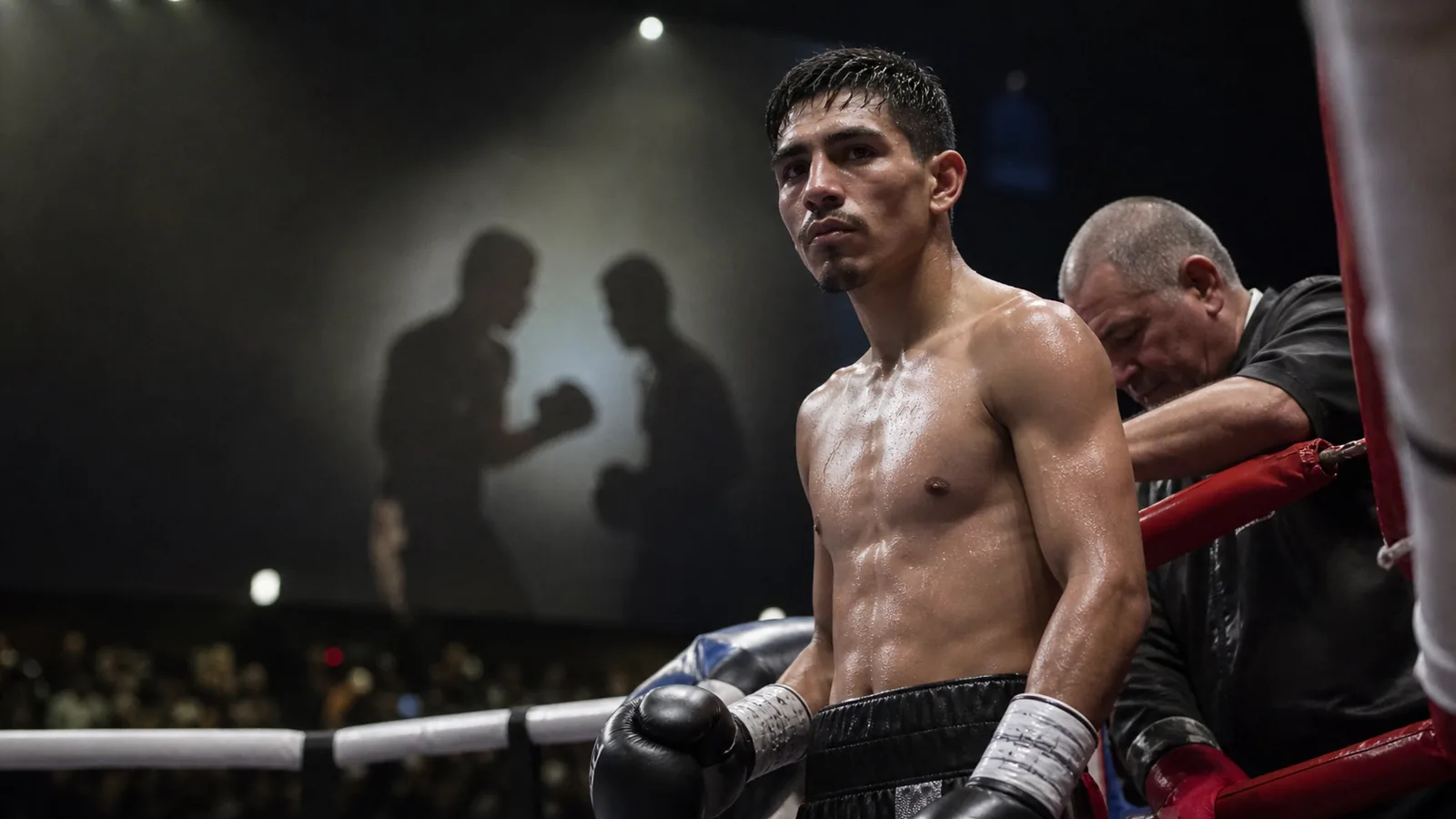
Ramon Cardenas returns as Bam Rodriguez-Inoue talk grows
Treat Cardenas's weekend return as the real hook, then explain why an opponent's view can sharpen discussion of a possible Rodriguez-Inoue fight without presenting fan speculation as a signed superfight.
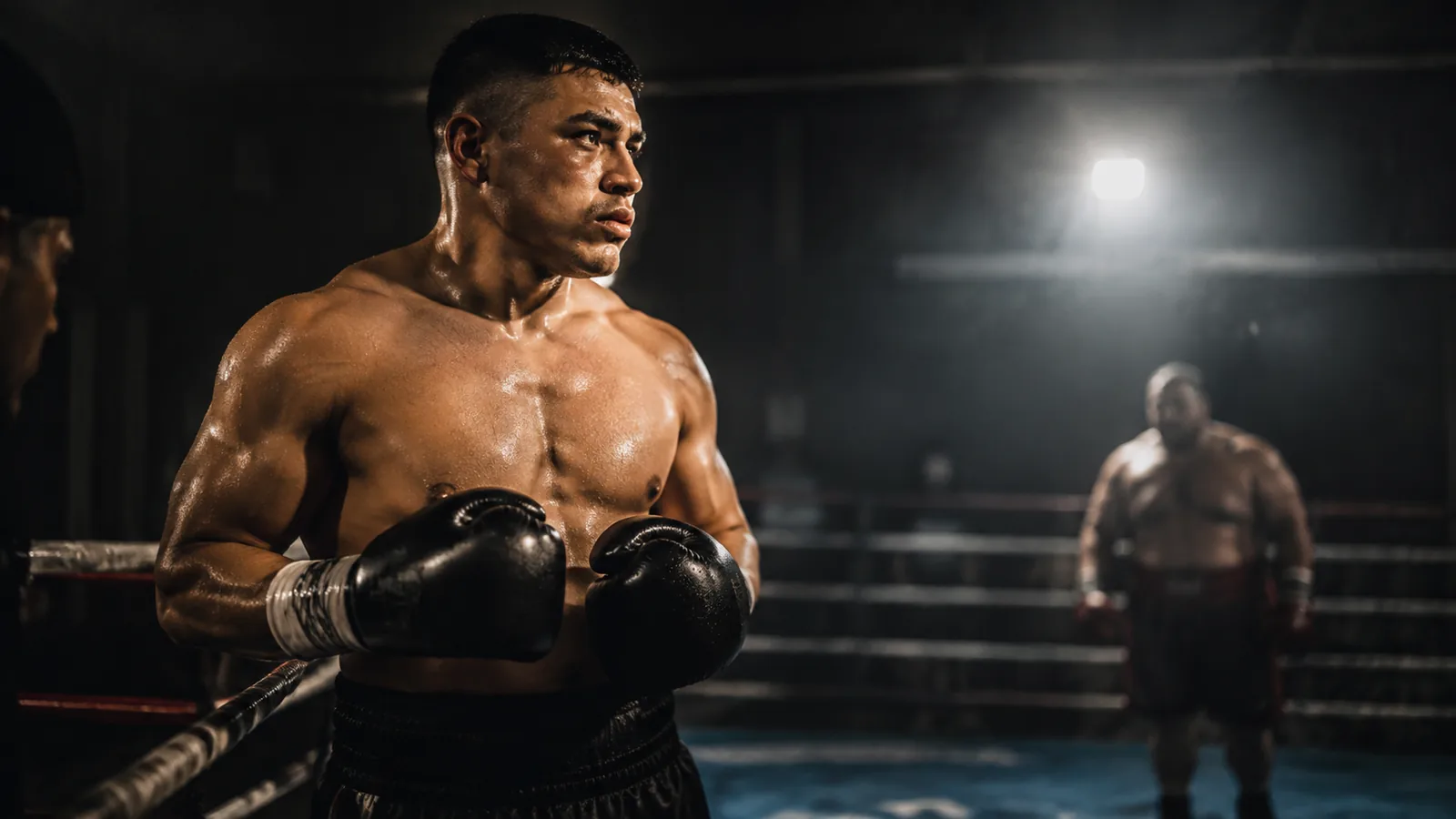
Vergil Ortiz at middleweight: why moving up changes everything
A reported move toward middleweight opens a useful discussion about how weight changes alter a pressure fighter’s physical advantages, opponent pool and route to major fights.
Was this page helpful?
It takes one tap, and it genuinely helps.
Choose your next step
Turn this article into the right action
Some readers are ready to book. Some need the class route first. Pick the route that matches what you actually want.